
Will Horses Eat Poisonous Plants, If you own horses, you probably worry about what they eat every day. You might wonder, “Will horses eat poisonous plants?” It’s a question that matters because even one wrong bite can harm your horse’s health.
Understanding which plants are dangerous and how to keep your horses safe is key to protecting your animals. Keep reading to discover what you need to know to keep your horses healthy and avoid hidden dangers in their pasture.
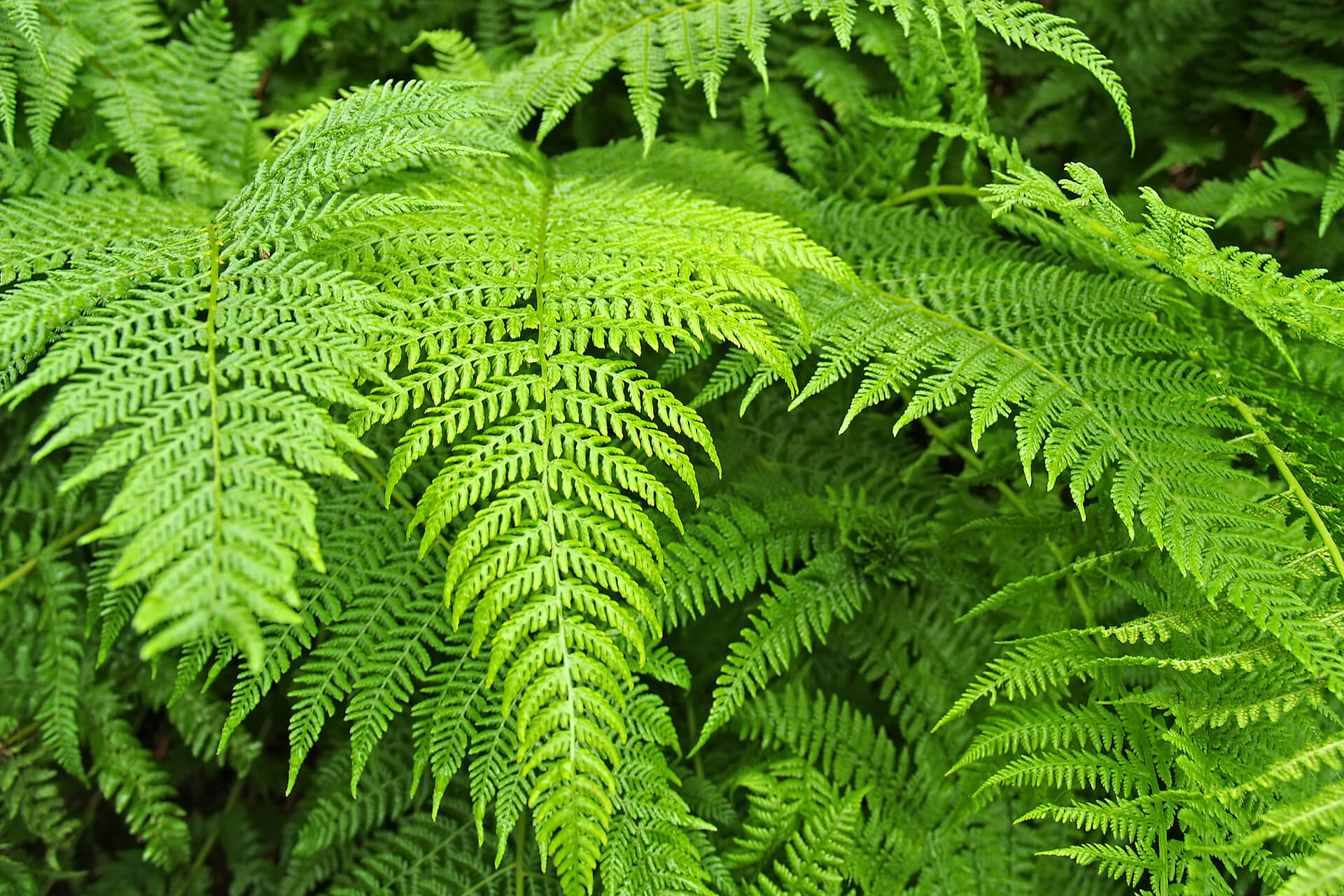
Credit: www.horsehealthproducts.com
Horses And Plant Selection
Horses usually choose plants carefully while grazing. Their natural instincts guide them to safe food. They avoid many harmful plants without help. This helps protect them from poison. Still, some dangerous plants might look or smell like safe ones.
Understanding how horses select plants can help owners keep them safe. It explains why horses rarely eat poisonous plants by choice. Their behavior and senses play a big role in this process.
Natural Foraging Behavior
Horses eat a variety of plants in nature. They graze slowly and test new plants with small bites. This cautious approach helps them spot bad plants. They often avoid plants that cause discomfort or sickness. Horses learn from experience and from other horses. Young horses watch older ones to know what to eat.
Grazing in different areas also helps horses avoid poison. They spread out their eating and do not eat the same plant repeatedly. This reduces the risk of poisoning from harmful plants.
Taste And Smell Sensitivities
Horses use taste and smell to pick plants. Many poisonous plants taste bitter or smell unpleasant. Horses dislike bitter tastes and strong smells. This natural dislike helps them avoid toxic plants. Their sensitive noses detect chemicals that humans cannot smell. This helps them steer clear of danger.
Some poisonous plants may smell sweet or mild. Horses might try these but often stop after the first bite. Their senses warn them quickly if the plant is harmful. This makes horses cautious and careful eaters.
Common Poisonous Plants
Many plants growing in pastures can harm horses. Some of these plants look safe but contain poisons. Horses may eat them by accident. Knowing which plants are toxic helps protect your horse’s health.
Not all poisonous plants cause the same problems. Some cause mild illness. Others can lead to serious sickness or death. Identifying these plants early is very important for horse owners.
Types Of Toxic Plants In Pastures
Common toxic plants include ragwort, foxglove, and yew. Ragwort causes liver damage if eaten. Foxglove affects the heart and can be deadly. Yew is highly poisonous and can kill quickly.
Other plants like nightshade, buttercup, and hemlock also pose risks. Nightshade causes digestive problems and weakness. Buttercup irritates the mouth and stomach. Hemlock affects the nervous system and breathing.
Signs Of Plant Toxicity
Watch for signs like drooling, coughing, or difficulty swallowing. Your horse may act weak or confused. Look for stomach pain, diarrhea, or colic symptoms. Some horses show trembling or muscle spasms.
Early detection can save your horse’s life. Call a vet immediately if you suspect poisoning. Quick treatment helps reduce damage and improves recovery chances.
Risks Of Poisonous Plant Consumption
Horses may eat plants without knowing some are harmful. Poisonous plants cause serious risks for horses. These plants can grow in pastures or near fields. A horse’s health can quickly worsen after eating toxic plants.
Understanding the risks helps owners keep horses safe. Poisonous plant consumption can lead to illness or death. Knowing the dangers is vital for every horse owner.
Health Effects On Horses
Poisonous plants affect horses in many ways. Some plants harm the stomach and intestines. Others attack the nervous system or the heart. Damage can be sudden or happen over time. Chronic exposure can weaken a horse’s body. Severe cases may cause permanent harm or death. The type of plant and amount eaten matter a lot.
Symptoms Of Poisoning
Signs of poisoning vary by the plant involved. Common symptoms include drooling, weakness, and stomach pain. Horses may show lack of coordination or tremors. Sudden colic or difficulty breathing can occur. Some horses may sweat or act anxious. Early detection improves the chance of recovery. Watch horses closely for unusual behaviors or signs.

Credit: www.animalosteopathycollege.com
Preventing Poisonous Plant Ingestion
Preventing horses from eating poisonous plants is key to keeping them healthy. Horses may accidentally eat harmful plants while grazing. Knowing how to manage pastures and control grazing helps reduce risks. Careful planning keeps horses safe and pastures clean.
Pasture Management Techniques
Regularly inspect pastures for harmful plants. Remove any poisonous plants by hand or with tools. Use safe herbicides if needed, but follow instructions carefully. Rotate pastures to avoid overgrazing and allow grass to recover. Keep fences strong to control horse movement. Plant safe, nutritious grasses that horses like to eat. Healthy grass leaves less room for toxic plants to grow.
Safe Grazing Practices
Limit grazing time in pastures with unknown plants. Provide plenty of hay so horses are less hungry. Introduce new pastures slowly to let horses adjust. Watch horses closely for signs of eating bad plants. Separate horses if one shows signs of illness. Offer clean water at all times to keep horses hydrated. Proper care and observation reduce the chance of poisoning.
What To Do If Poisoning Occurs
Horses may accidentally eat poisonous plants while grazing. Knowing what to do if poisoning happens can save your horse’s life. Quick action and calm steps are very important. This section explains how to respond and what treatments help your horse recover.
Emergency Steps
First, remove your horse from the area with poisonous plants. Check your horse’s mouth and remove any plant bits. Look for signs like drooling, weakness, or stomach pain. Call your vet right away and describe the symptoms. Do not try to make your horse vomit unless your vet says so. Keep your horse calm and quiet while waiting for help.
Veterinary Treatments
The vet may give medicines to stop poison effects. They might use activated charcoal to absorb toxins. Fluids may be given to prevent dehydration and help flush poison out. Your vet will watch your horse’s heart and breathing closely. Sometimes, special treatments or hospital care are needed. Follow all vet instructions carefully for the best recovery.
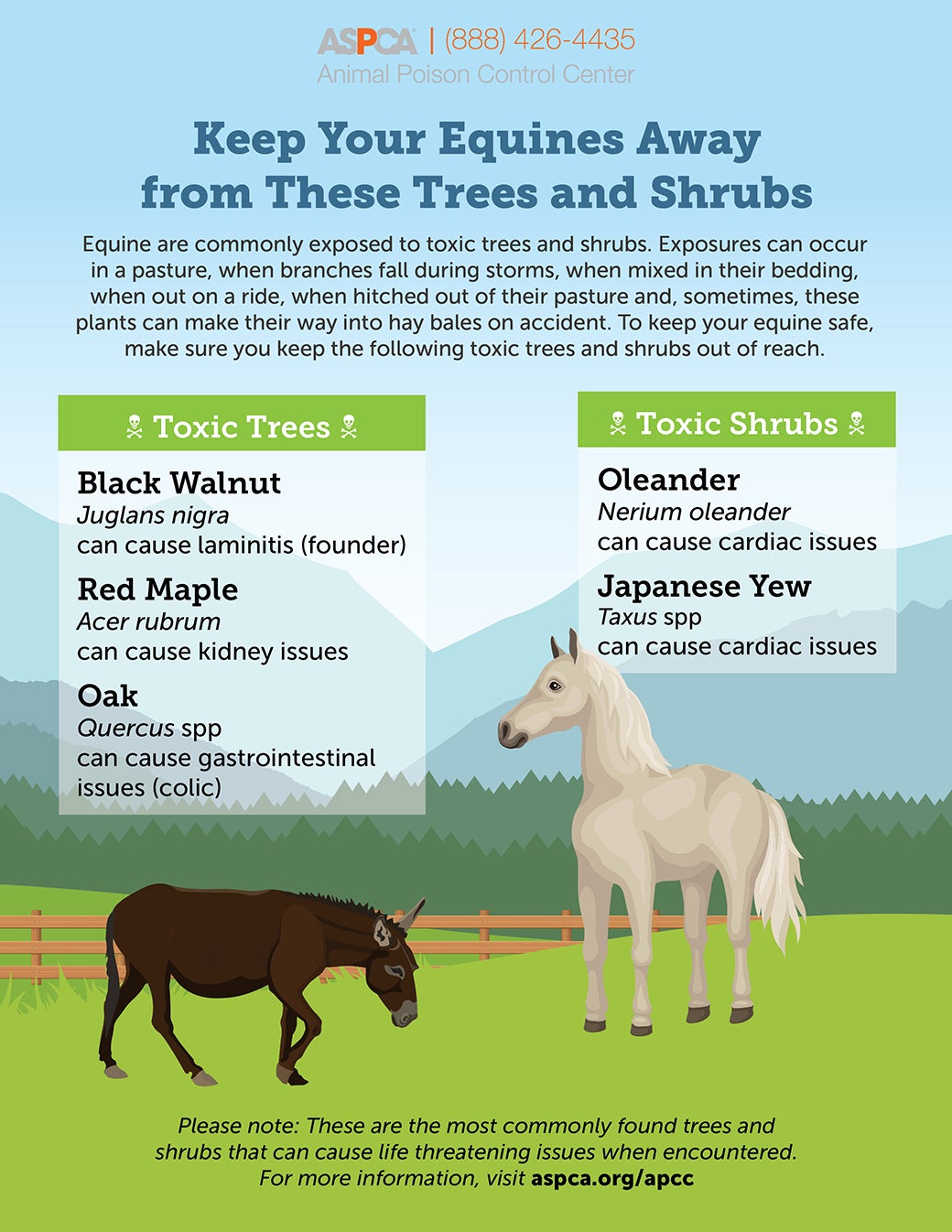
Credit: www.aspca.org
Frequently Asked Questions
Will Horses Eat Poisonous Plants
Will Horses Eat Poisonous Plants Accidentally?
Yes, horses may eat poisonous plants accidentally. They often graze indiscriminately, especially if food is scarce or unfamiliar plants grow nearby.
How To Identify Poisonous Plants Harmful To Horses?
Look for common toxic plants like ragwort, yew, and foxglove. Learn their appearance and remove them from grazing areas promptly.
What Are Symptoms Of Plant Poisoning In Horses?
Symptoms include drooling, colic, weakness, tremors, and sudden death. Early detection and veterinary care are crucial for survival.
Can Horses Develop A Taste For Toxic Plants?
Generally, horses avoid toxic plants due to bitter taste. However, hunger or lack of alternatives can lead to accidental ingestion.
Conclusion
Horses may sometimes eat poisonous plants by mistake. These plants can cause serious health problems or even death. Owners must check pastures often to remove harmful plants. Providing fresh, clean food helps keep horses safe. Watch your horse’s behavior for signs of illness.
Quick action can save your horse’s life. Keeping horses away from toxic plants is key. Care and attention prevent many health risks. Stay alert and protect your horse every day. Thanks Reading “Will Horses Eat Poisonous Plants”
Mineral Oil for Colic in Horses: Effective Relief Tips Revealed