
Getting started in cutting horses can feel overwhelming, especially if you’re new to Western riding or horse competitions. But with the right approach, guidance, and understanding, anyone can begin this exciting journey. Cutting is not just a sport; it’s a partnership between rider and horse, requiring skill, patience, and the ability to read cattle.
Many beginners worry they need to be experts before they start. In reality, most successful cutters started just like you—curious and eager to learn. This guide will walk you through the essentials, from understanding what cutting is, choosing your horse, finding training, and preparing for your first show.
You’ll also discover insider tips, common mistakes, and practical advice that most beginners miss.
What Is Cutting And Why Is It Popular?
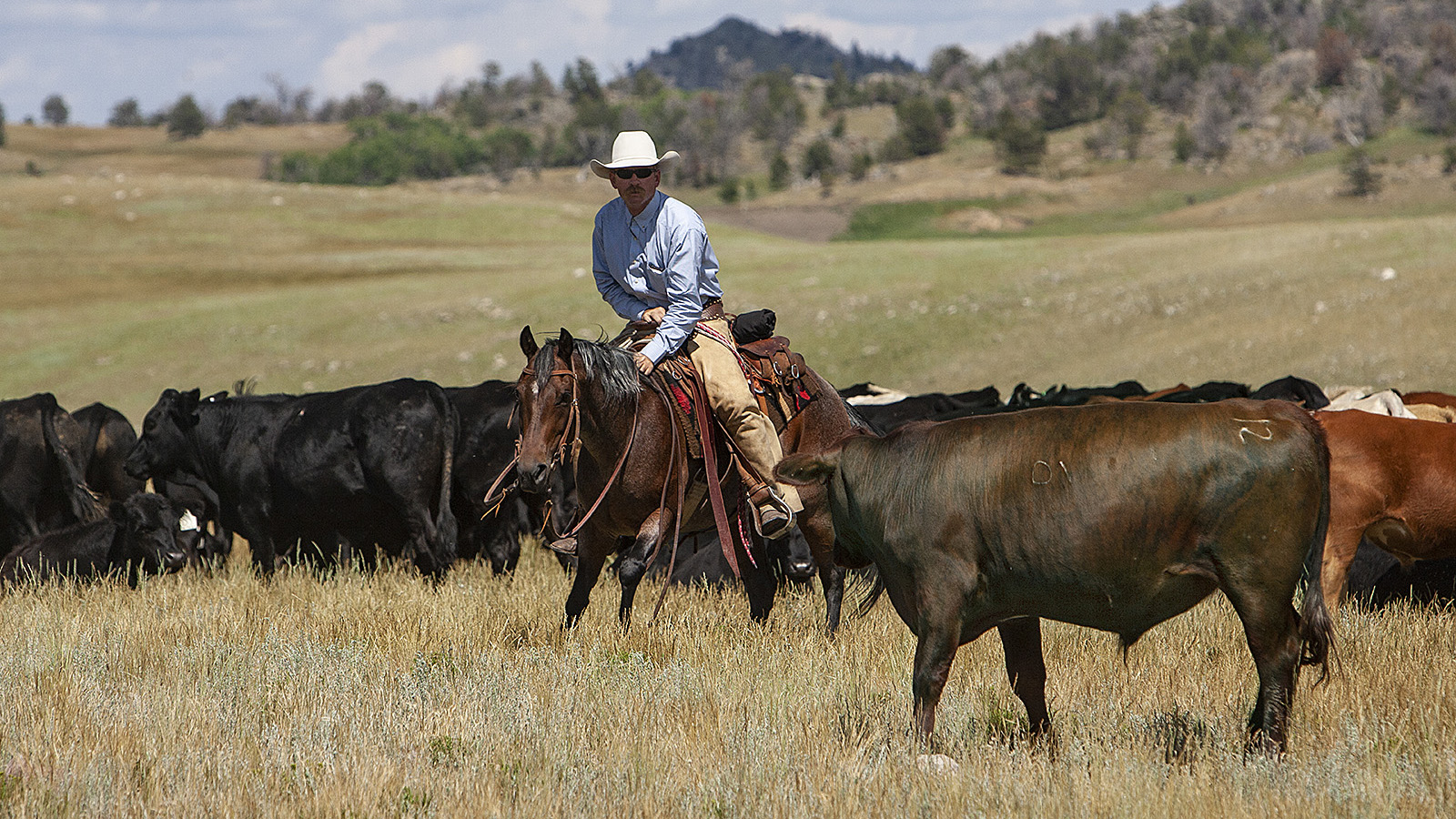
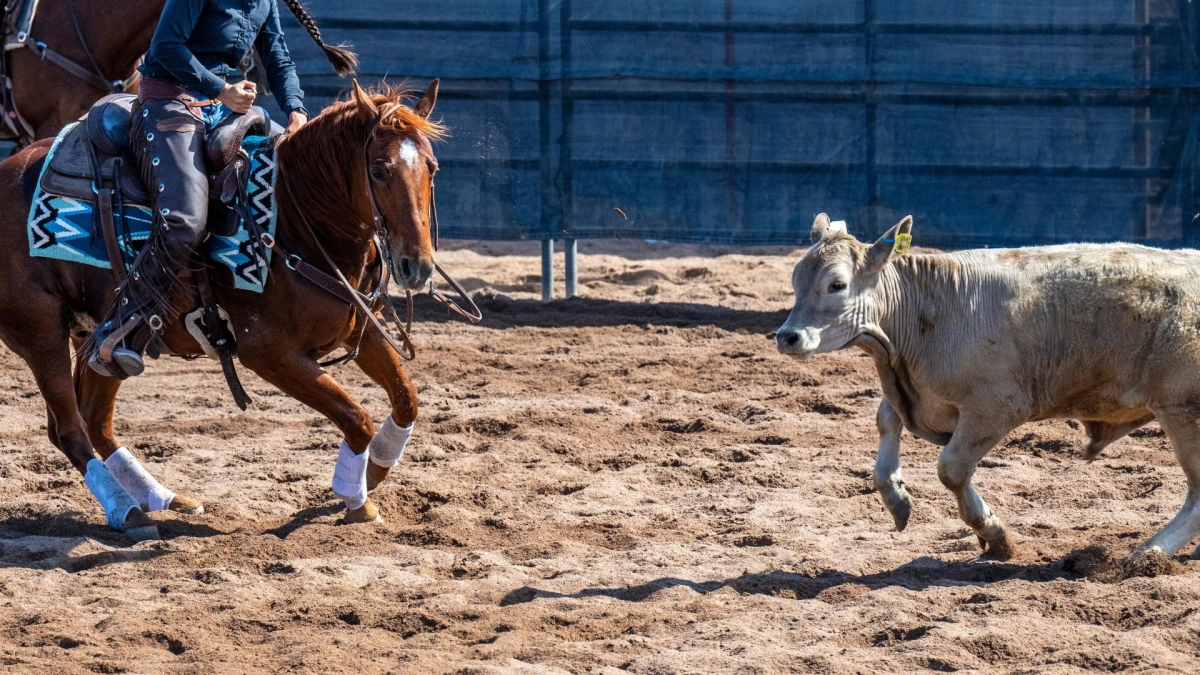
Cutting is a Western equestrian sport where a horse and rider work together to separate a single cow from a herd and keep it from returning. The event is fast-paced, requiring quick reflexes and strong communication. Originally, this skill was developed on ranches to sort cattle for branding or medical treatment.
Today, cutting competitions attract thousands of riders across the US, with prizes, prestige, and community at stake.
Cutting is popular because it’s highly challenging and rewarding. The sport combines horsemanship, cow sense, and athletic ability. According to the National Cutting Horse Association (NCHA), more than 16,000 members participate in their events annually. Many riders say cutting is addictive because every run is different, and the thrill of working with cattle never fades.
The Basics Of A Cutting Competition
- Each rider has 2.5 minutes to work.
- The goal is to “cut” one cow from the herd and prevent it from rejoining.
- Riders rely on the horse to “read” the cow’s moves and respond quickly.
- Judges score based on difficulty, style, and control.
Cutting tests both the horse’s natural instincts and the rider’s ability to guide and encourage those instincts. It’s a unique sport that rewards partnership and precision.
Choosing The Right Cutting Horse
One of the most important steps is selecting a horse with the right qualities. Not every horse is suited for cutting. You need a horse with cow sense—the natural ability to read and react to cattle. Breed, age, training, and temperament all matter.
Best Breeds For Cutting
The American Quarter Horse is the most popular breed for cutting. They are fast, agile, and have a strong natural cow sense. Other breeds used include Paints, Appaloosas, and sometimes Arabians. However, Quarter Horses dominate competitions because of their athletic build and instinctive reactions.
Breed Comparison
Here’s a look at common cutting horse breeds:
| Breed | Strengths | Weaknesses |
|---|---|---|
| Quarter Horse | Agility, cow sense, speed | Can be expensive |
| Paint | Good temperament, versatility | Less cow sense than Quarter Horse |
| Appaloosa | Endurance, intelligence | Not as quick or agile |
| Arabian | Stamina, willingness | Limited cow sense |
Age And Training Level
For beginners, a horse with previous cutting experience is best. A well-trained horse can teach you while you learn. Horses between 6 and 12 years are usually ideal—they have maturity but are still energetic. Younger horses (3-5 years) may be talented but require more training.
Older horses (13+ years) can be steady and forgiving but may have limitations.
Training Status Comparison
| Training Level | Ideal For | Challenges |
|---|---|---|
| Finished Cutter | Beginners, competitors | High cost |
| Green Cutter | Experienced riders, trainers | Needs more training |
| Untrained Horse | Professional trainers | Long learning curve |
What To Look For When Buying
- Cow sense: Watch how the horse reacts to cattle.
- Soundness: Check for injuries, lameness, or health issues.
- Temperament: A calm, willing horse is easier to train.
- Pedigree: Horses from cutting bloodlines often perform better.
Practical Advice
Many beginners make the mistake of buying a young, untrained horse because it’s cheaper. In reality, a trained horse will save you time, frustration, and money in the long run. Ask for trial rides, see the horse work cattle, and get a vet check before buying.

Credit: www.amazon.com
Essential Equipment For Cutting
You don’t need a lot of fancy gear to start, but having the right equipment makes a difference. Cutting horses and riders use specific tack designed for comfort, control, and safety.
Basic Gear List
- Cutting saddle: Deep seat, high cantle, and flat horn for security.
- Bridle and bit: Most use simple snaffles or curb bits.
- Protective boots: For both horse and rider. Splint boots protect the horse’s legs.
- Cowboy boots, jeans, hat: Standard Western attire for shows.
- Pad and breast collar: Prevents saddle slipping during quick moves.
Equipment Comparison
| Equipment | Purpose | Beginner Tip |
|---|---|---|
| Cutting Saddle | Stability, balance | Don’t use barrel or roping saddles |
| Snaffle Bit | Gentle control | Start simple, avoid harsh bits |
| Splint Boots | Leg protection | Check fit before riding |
| Breast Collar | Keeps saddle in place | Essential for fast stops |
Insider Insight
Many beginners forget about horse boots, thinking they’re only for jumping or barrel racing. In cutting, the horse’s legs are at risk during sharp turns. Using protective boots prevents injuries and keeps your horse performing longer.
Finding A Trainer And Training Facility
Having a good trainer is one of the most important factors for success. A trainer helps you and your horse learn the skills needed for cutting, guides you through mistakes, and prepares you for competitions.
How To Choose A Trainer
- Experience: Look for trainers who compete and have trained successful cutters.
- Teaching style: Find someone patient and clear.
- Location: Choose a facility that has cattle and proper arenas.
- References: Ask for feedback from other riders.
Training Facility Features
A quality facility will have:
- Safe arenas: Deep sand, good fencing, and space to work.
- Cattle: Healthy, well-managed cows for practice.
- Equipment: Proper saddles, bits, and training aids.
Practical Example
If you live in Texas, search for NCHA-approved trainers. Many local trainers offer beginner clinics or lessons. Don’t be afraid to watch a lesson or ask questions before committing.
Common Mistakes
Many beginners try to learn cutting on their own, without a trainer or proper cattle. This leads to frustration and slow progress. The sport is complex—having a mentor speeds up learning and helps avoid costly errors.
Learning The Fundamentals Of Cutting
Before entering your first competition, you must master the basics. Cutting is about timing, control, and understanding cattle behavior. Even experienced riders need to practice these skills regularly.
Key Skills For Beginners
- Positioning: Stay balanced and centered in the saddle.
- Hand control: Use soft hands; avoid pulling hard on the reins.
- Reading cattle: Learn to spot which cow is ready to be cut.
- Timing: Know when to “drop your hand” and let the horse work.
Step-by-step Practice Routine
- Warm up: Walk, trot, and lope your horse to loosen up.
- Work on stops and turns: Practice quick stops and sharp turns—essential for cutting.
- Cutting practice: Start with one cow, focus on separating and holding it.
- Cool down: Walk your horse to relax muscles.
Non-obvious Insight
Most beginners focus only on separating the cow, but holding the cow away from the herd is harder. Practice “holding” skills as much as “cutting” skills.
Understanding Cattle Behavior
Cattle often try to return to the herd by finding weak spots. Learn to watch their ears, eyes, and body language. Experienced cutters can predict moves and position their horse before the cow makes a move.
Preparing For Your First Cutting Competition
Entering your first cutting show can be nerve-wracking. Preparation is key. You must know the rules, what to expect, and how to handle nerves.
What To Expect At A Show
- Check-in: Arrive early, register, and prepare your horse.
- Warm-up arena: Take time to get your horse relaxed.
- Draw: You’ll be assigned a number and order.
- Run: Each rider has 2.5 minutes with the herd.
Competition Rules
Cutting competitions follow strict rules:
- Riders cannot use excessive force or harsh bits.
- Horses must work mostly on their own, with minimal rein input.
- Judges score based on difficulty, style, and control.
Tips For Your First Show
- Arrive early: Get settled and watch other riders.
- Stay calm: Focus on your horse, not the crowd.
- Ask questions: Don’t hesitate to talk to show staff or other riders.
- Accept mistakes: Every run is a learning experience.
Common Beginner Mistakes
Many riders get nervous and try to control the horse too much. Cutting is about trust—let your horse do its job. Another mistake is not practicing enough with cattle before the event. Make sure you and your horse are comfortable working cows.
Credit: westernhorseman.com
Building Skills And Improving Performance
Cutting is a sport where improvement comes with practice and patience. Riders and horses progress at different speeds, but everyone can get better.
How To Improve
- Take regular lessons: Weekly or bi-weekly lessons help reinforce skills.
- Watch professionals: Observe top riders at shows or online.
- Record your runs: Use video to analyze your performance.
- Join clinics: Clinics offer intensive training and feedback.
Tracking Progress
Keep a journal or log of your lessons, shows, and horse behavior. Note what works and what doesn’t. Many top cutters use this method to spot patterns and address weaknesses.
Data Example
According to NCHA statistics, riders who take weekly lessons improve their scores by an average of 15% within their first year, compared to those who practice alone.
Insider Advice
Beginners often overlook the value of watching professional runs. You can learn strategies, timing, and how to handle tough cows by observing experienced cutters. Don’t just focus on your own riding—study others.
Understanding Costs And Budgeting
Cutting can be expensive, but it’s possible to start on a budget. The main costs include horse purchase, training, equipment, and competition fees.
Average Costs
- Horse purchase: $5,000–$50,000 depending on age and training.
- Training: $500–$1,500 per month.
- Equipment: $1,000–$3,000 for quality tack.
- Competition fees: $100–$500 per show.
- Travel: Gas, lodging, and food.
Cost Comparison Table
| Expense | Low | High |
|---|---|---|
| Horse | $5,000 | $50,000 |
| Training | $500/mo | $1,500/mo |
| Equipment | $1,000 | $3,000 |
| Show Fees | $100 | $500 |
| Travel | $50 | $500 |
How To Save Money
- Lease a horse: Leasing is cheaper than buying.
- Buy used equipment: Many riders sell quality tack.
- Share travel costs: Carpool with other competitors.
- Join local clubs: Club shows are less expensive than national events.
Non-obvious Insight
Many beginners forget to budget for vet bills, farrier costs, and insurance. These can add up quickly. Always set aside extra funds for unexpected expenses.
Credit: cowgirlmagazine.com
Joining Cutting Associations And Clubs
Being part of a cutting association or club offers many benefits—access to shows, training, community, and support.
Main Organizations
- National Cutting Horse Association (NCHA): The main governing body in the US.
- American Quarter Horse Association (AQHA): Supports cutting events and registration.
- Local clubs: Many states have their own cutting groups.
Benefits Of Membership
- Access to competitions and clinics.
- Networking with other riders.
- Points and awards for performance.
- Educational resources and newsletters.
How To Join
Most organizations require a yearly fee ($25–$100) and a registration form. Visit their websites for details. Being a member helps you stay informed about events, rules, and changes in the sport.
Staying Safe And Healthy
Safety is crucial in cutting, for both rider and horse. Injuries can happen during fast moves or when working with unpredictable cattle.
Rider Safety Tips
- Wear appropriate gear—boots, helmet (optional but recommended for beginners), and jeans.
- Stay alert. Always watch cattle and other horses in the arena.
- Never rush. Take your time learning skills.
Horse Health Tips
- Regular vet checks.
- Proper hoof care—farrier visits every 6–8 weeks.
- Balanced diet and hydration.
- Cooling down after hard work.
Non-obvious Insight
Many riders ignore hydration, thinking it’s only for endurance sports. Horses can get dehydrated during intense cutting sessions. Always provide clean water and allow breaks.
Progressing Beyond Beginner Level
Once you’re comfortable with the basics, you may want to advance to higher levels—more competitive shows, bigger prizes, and tougher cattle.
Steps To Advance
- Increase practice intensity—work with faster or smarter cows.
- Enter higher-level competitions.
- Seek advanced training or clinics.
- Focus on refining timing and strategy.
Data Example
NCHA records show that riders who compete in at least five shows per year have a 25% greater chance of advancing to finals compared to those who compete less often.
Mistakes To Avoid
Don’t rush advancement. Many riders push for harder competitions before they’re ready, which leads to frustration and poor performance. Progress at your own speed, and listen to your trainer.
Frequently Asked Questions
What Is “cow Sense” In A Cutting Horse?
Cow sense is the horse’s natural ability to read, react, and anticipate cattle movements. Horses with strong cow sense can “lock on” to a cow and respond instantly to changes. This trait is partly inherited and partly trained.
How Do I Find A Reputable Cutting Horse Trainer?
Ask for referrals from local cutting clubs or associations. Watch trainers in action at shows or clinics. Look for someone with proven success, clear communication, and a positive reputation among riders.
Can I Start Cutting If I’ve Never Ridden Western Before?
Yes, but learning Western basics first will help. Take a few lessons in Western riding, then transition to cutting. Many trainers welcome riders from other disciplines and help them adapt.
What’s The Difference Between Cutting And Reining?
Cutting focuses on separating and holding cattle, while reining is about performing precise patterns and maneuvers with the horse. Cutting is more about cow interaction; reining is about controlled riding.
Is Cutting Safe For Young Riders?
Cutting is generally safe, but young riders should start with well-trained horses and under supervision. Many shows have youth classes with age-appropriate rules and safety measures.
Getting started in cutting horses is a journey full of learning, excitement, and growth. You don’t need to be an expert to begin. With the right horse, trainer, and attitude, you’ll quickly discover why cutting is so popular and rewarding. Remember to focus on fundamentals, seek guidance, and enjoy the process. Whether you aim to compete or just improve your skills, cutting offers a unique partnership with your horse and a welcoming community. For further details and updates on the sport, visit the National Cutting Horse Association.