
Can Horses Be Used In The Desert
Horses are known for their strength, beauty, and partnership with humans. But what happens when you take these animals out of green fields and into harsh, sandy deserts? Many people wonder if horses can survive, work, or even thrive in such an extreme environment.
The answer is not simple. Horses have been part of desert cultures for centuries, but their experience is different from that of camels or other desert animals. Understanding how horses cope with heat, sand, and water shortages helps us see their limits and potential in the world’s driest places.
In this article, you’ll discover how horses have been used in deserts through history, which breeds perform best, and what special care they need. We’ll look at the science behind their adaptation, compare them to camels, and share practical advice for anyone thinking about using horses in a desert.
We’ll also answer common questions and bust some myths along the way.
The History Of Horses In Desert Regions
Horses are not native to desert lands, but their story in these regions is long and fascinating. Ancient civilizations valued horses for their speed and power, even where the climate was tough.
Horses In Ancient Desert Cultures
Some of the earliest evidence of horses in deserts comes from the Middle East and North Africa. The Arabian Peninsula is famous for its connection to the Arabian horse. Bedouin tribes relied on these horses for travel, trade, and even war. Their horses helped them move quickly across the sand and survive raids.
In North Africa, Berber tribes developed the Barb horse, another breed suited to hot, dry lands. Both the Arabian and the Barb have shaped horse history and are still seen today.
Horses In Modern Desert Use
Today, horses are found in deserts across the world. They are used for:
- Tourism: Desert rides in places like Egypt, the United Arab Emirates, and Morocco attract visitors.
- Patrols: Police and military sometimes use horses for border patrol in sandy areas where vehicles struggle.
- Sport: Endurance riding, a popular equestrian sport, tests horses across hundreds of miles, often in semi-desert conditions.
Influence On Culture And Art
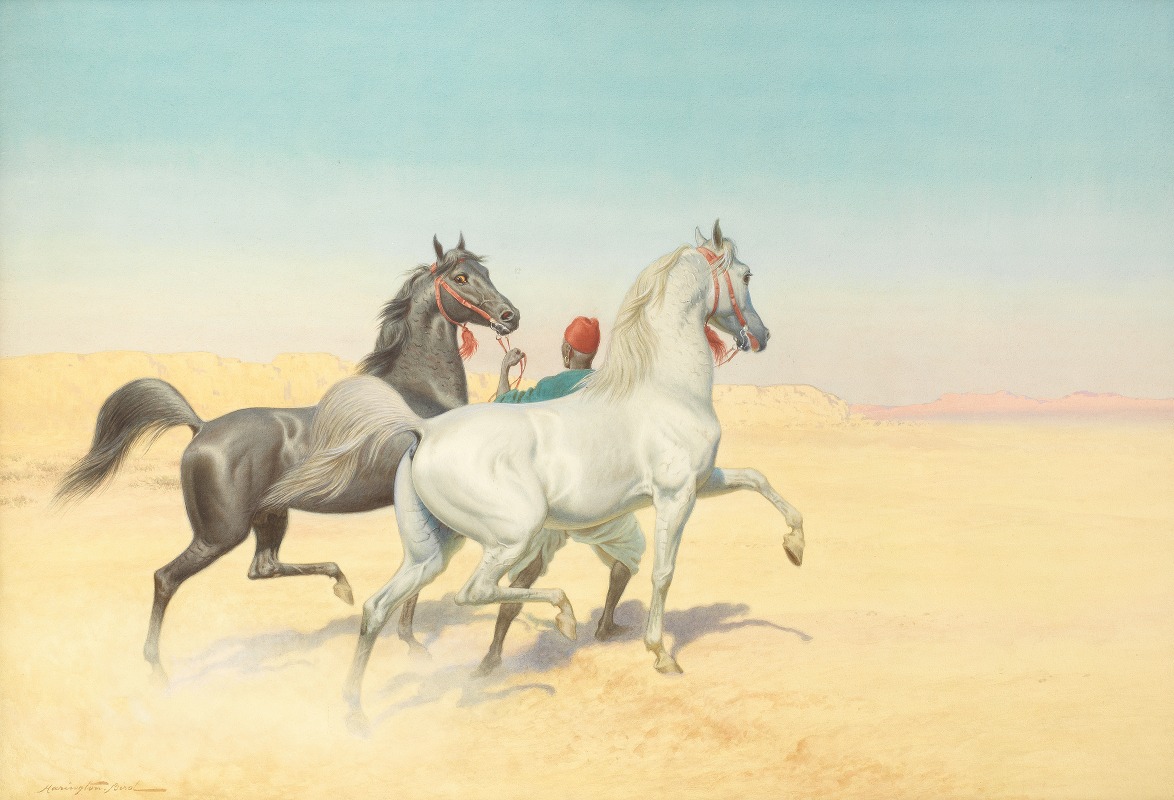
Horses in desert life are celebrated in poetry, paintings, and legends. The bond between the Bedouin and their Arabian horses is famous for its loyalty and trust.
While horses have played an important role in deserts, their journey has never been easy. Understanding how they survive tells us what is possible—and what is not.
Physical Challenges Horses Face In Deserts
Deserts are not just hot—they are extreme. Sand, sunlight, and a lack of water make survival tough for any animal. Horses face some special challenges in this environment.
Heat And Sun Exposure
Horses are large animals and generate a lot of body heat. In the desert, daytime temperatures can reach over 120°F (49°C). Horses can sweat to cool down, but sweating uses a lot of water. Too much heat can cause:
- Heat stress: Tiredness, fast breathing, and weakness
- Dehydration: Loss of body fluids and minerals
- Sunburn: Especially on light-skinned horses or those with white markings
Lack Of Water
Water is the biggest challenge for horses in the desert. An adult horse drinks 5–10 gallons (19–38 liters) of water per day in normal weather—much more in the heat. Without enough water, horses quickly become dehydrated, which can be deadly.
Poor Forage And Sandy Terrain
Desert plants are often tough and low in nutrition. Horses need good-quality food to maintain their weight and health. Sand can also get into their mouths and stomach, causing sand colic, a painful and sometimes fatal problem.
Walking and running on sand is tiring for horses. Their feet can sink, making movement slow and difficult.
Predators And Insects
While deserts have fewer predators, there are still dangers. Some regions have snakes or wild dogs. Insects like flies and ticks can also bother horses, spreading disease.
Horses Vs. Camels: A Desert Comparison
People often compare horses to camels in desert use. Camels are called “ships of the desert” for a reason, but how do horses measure up? Here’s a quick look:
| Feature | Horses | Camels |
|---|---|---|
| Water Needs | High (5–10 gallons/day) | Low (can go days without water) |
| Heat Tolerance | Moderate | Very high |
| Speed | Faster (short distances) | Slower but steady |
| Carrying Capacity | Less (rider/gear) | More (heavy loads) |
| Sand Navigation | Difficult | Excellent |
| Feed Needs | High-quality forage | Can eat dry, tough plants |
Camels are clearly better adapted for the desert. However, horses have their own advantages, especially in speed and agility for short distances. In history, they were often used together—camels for carrying supplies and horses for quick movement or battle.
Desert Horse Breeds: Adaptations And Differences
Not all horses are the same. Some breeds have been shaped by desert life over centuries.
Arabian Horse
Perhaps the most famous desert breed, the Arabian horse is known for:
- Thin skin and short, glossy coats that help with heat loss
- Large nostrils for better air intake
- High endurance: Arabians can travel long distances in tough conditions
Arabians are smaller and lighter than many other breeds, which helps them move across sand.
Barb Horse
The Barb comes from North Africa and is another classic desert horse. It’s known for:
- Hardy feet that resist injury from rocks and sand
- Strong immune systems
- Calm nature and ability to handle stress
Other Breeds And Crosses
Some Mustangs in the United States live in semi-desert environments, but they are not true desert horses. In Central Asia, the Akhal-Teke breed is famous for surviving in hot, dry climates. Hybrids and crosses with Arabian blood are common in endurance racing.
Key Adaptations
- Efficient sweating: Good desert horses sweat just enough to cool off without losing too much water.
- Tough hooves: Some breeds have natural “barefoot” hooves that do not need shoes.
- Lean body shape: Less body fat means less heat to carry.
Still, even the best-adapted horses need help to survive desert life.

Credit: www.youtube.com
How Horses Survive Desert Conditions
Horses rely on both their bodies and human care to survive in the desert. Here’s how they manage:
Finding And Saving Water
Desert horse owners must plan water carefully. In some Bedouin traditions, horses were taught to drink deeply when water was available and to go without for short periods. However, this is risky and not recommended today.
Some practical ways to help horses in deserts:
- Provide clean water at all times, sheltered from the sun to keep it cool
- Water at intervals if traveling—small amounts often, rather than all at once
- Soak feed or add electrolytes to help replace lost minerals
Dealing With Heat
Shade is essential. Horses should be kept under shelters or tents during the hottest part of the day. Riding is best done in early morning or late evening.
Grooming helps remove sweat and dirt that can block cooling. Clipping heavy coats is not usually needed for desert breeds, but long-haired horses may need a trim.
Nutrition In Dry Climates
Feeding horses in the desert is a challenge. Good hay is often expensive or hard to find. Horses may eat:
- Alfalfa hay (if available)
- Pelleted feed: Compact and easy to store
- Salt licks: To replace minerals lost in sweat
Owners must watch for signs of weight loss or dehydration. Never feed horses on bare sand, as they may eat sand by mistake.
Protecting Hooves
Sand can wear down hooves, but sharp rocks can cause injury. Some horse owners use hoof boots for extra protection. Regular trimming is important.
Handling Sand Colic
Sand colic is a common risk. To prevent it:
- Feed horses from tubs or mats, not on the ground
- Give psyllium husk (a fiber supplement) to help clear sand from the gut
Handling Insects And Disease
Flies, ticks, and other pests can cause skin problems or spread disease. Using fly sheets or natural repellents helps. Vaccinations and regular health checks are essential.
Practical Uses Of Horses In The Desert Today
While camels are still the main work animals in many deserts, horses have important roles too.
Endurance Riding
Endurance riding is one of the world’s toughest horse sports. Riders and horses cover 50–100 miles (80–160 km) in a single day, often across desert terrain. The Tevis Cup in the United States and races in the Middle East show what desert horses can do.
Tourism And Recreation
Desert rides attract tourists who want to experience the landscape from horseback. This is popular in:
- Morocco: Sahara desert rides
- Dubai: Arabian desert tours
- Egypt: Rides near the pyramids
These rides use well-trained horses and careful planning to keep animals safe.
Police And Military Use
Some countries use horses for border patrol in sandy or rocky regions where vehicles cannot go. Horses are quiet, can cover ground quickly, and are less likely to get stuck than cars or trucks.
Conservation And Ranching
In the American Southwest and Australia, horses are sometimes used to manage cattle or monitor wildlife in semi-arid lands. They can reach places that are difficult for machines.
Personal Use
Locals in some desert areas still keep horses for tradition, transport, or competition. However, keeping horses is expensive and requires careful management.
Common Mistakes When Using Horses In The Desert
Many people overestimate what horses can handle. Here are mistakes to avoid:
- Underestimating water needs: Horses cannot go without water like camels. Never push a horse to skip drinking.
- Ignoring heat stress: Horses can get sick or die from overheating. Always provide shade and rest.
- Feeding on sand: This can cause dangerous digestive problems.
- Not preparing feet: Shoes or boots may be needed for rocky areas; regular trimming is a must.
- Using the wrong breed: Heavy, thick-coated horses will struggle more than Arabians or Barbs.
- Skipping health checks: Insects and diseases spread quickly in hot climates.
Even experienced horse owners can make these errors, especially if they are new to desert environments.
Key Considerations For Desert Horse Owners
Thinking about keeping or using horses in the desert? Here are some vital factors:
Shelter And Shade
Desert sun is intense. Horses need:
- Covered shelters: Protect from heat and sunburn
- Windbreaks: To reduce dust and sand exposure
Water And Nutrition
Plan for:
- Enough water: Always have clean, cool water nearby
- Quality feed: Store hay or pellets safely from rain, rodents, and sand
Veterinary Care
Desert horses need:
- Vaccinations: For local diseases
- Regular checks: Hooves, teeth, and body weight
- Parasite control: Flies, ticks, and worms
Training And Conditioning
Horses not used to sand or heat will need time to adjust. Start with short rides during cool hours. Build up slowly to avoid injury or stress.
Emergency Planning
Always have a plan in case of:
- Heat waves
- Water shortages
- Sandstorms
Carry first-aid kits and emergency supplies when riding far from home.

Credit: www.youtube.com
Case Study: The Arabian Horse In Its Native Desert
The Arabian horse is a living example of how horses can survive and work in the desert. For centuries, Bedouin families raised Arabians in harsh, dry climates. They developed unique traditions to keep their horses healthy:
- Night grazing: Horses were often allowed to graze when it was cooler and less dusty.
- Close human bonds: Horses were kept close to the family, sometimes even inside tents, for protection.
- Selective breeding: Only the toughest, healthiest horses were bred, leading to strong bloodlines.
Even with these advantages, Bedouins were careful not to overwork their horses. Stories tell of riders stopping to let a horse rest in the shade or share their last water during a long journey.
Today’s Arabian horses still show these qualities—endurance, intelligence, and a strong will to survive. However, modern care is needed to keep them healthy in today’s world.
Scientific Insights: How Horses Handle Desert Life
Research shows that horses have some abilities to manage heat and dryness, but also real limits.
Water Loss And Hydration
A study from the Journal of Equine Science found that horses working in hot climates can lose up to 15 liters (4 gallons) of sweat per hour. This is much more than camels and can lead to rapid dehydration if not managed.
Cooling And Sweat
Horses sweat to cool down, but sweat contains not only water but also salts (electrolytes). Losing too many electrolytes can cause muscle problems, weakness, and even collapse. Adding salt to feed and using special supplements helps prevent this.
Oxygen And Breathing
In high heat, horses breathe faster to help cool their bodies. Desert breeds like the Arabian have larger nostrils and a special head shape to take in more air and cool blood going to the brain.
Sunlight And Skin
Horses with light-colored skin or pink noses are more likely to get sunburned. Owners often use masks or sunscreen on these areas.
Sand And Digestion
Veterinarians find that horses eating off sandy ground are at high risk for sand colic. Checking manure for sand and giving fiber supplements can reduce the problem.
Horses In Different Desert Regions: Examples From Around The World
Horses are used in deserts across the globe, but their roles and challenges vary.
Arabian Peninsula
Arabian horses are part of local culture, used for racing and shows. Modern stables use fans, misters, and air-conditioned stalls to keep horses cool.
Sahara Desert (north Africa)
Barb and Arabian-Barb crosses are used for festivals, tourism, and herding. Traditional care methods still survive, but many owners rely on modern feed and water storage.
American Southwest
Wild mustangs live in semi-arid areas, surviving on sparse grass. Ranchers use horses for cattle work. Water is always a limiting factor, especially during drought.
Central Asia
The Akhal-Teke horse from Turkmenistan is famous for its metallic coat and ability to survive hot, dry summers and cold winters.
Australia
Brumbies (feral horses) survive in remote, dry areas. They are tough but often face health problems from lack of food and water.
These examples show that, while horses can live in deserts, it takes careful management.
Economic And Environmental Impact Of Horses In The Desert
Horses bring both benefits and challenges to desert regions.
Economic Value
- Tourism: Desert rides and festivals create jobs and income.
- Sport: Endurance racing attracts wealthy sponsors and visitors.
- Tradition: Keeping horses is part of cultural identity.
Environmental Concerns
- Overgrazing: Too many horses can damage fragile desert plants.
- Water use: Horses need a lot of water, sometimes more than is available.
- Waste: Manure can attract flies or pollute water if not managed.
Solutions
- Limiting herd size
- Rotating grazing areas
- Using modern waste management
Communities must balance the love of horses with the need to protect the environment.
How To Prepare A Horse For Desert Work
If you plan to use a horse in the desert, preparation is key. Here’s a practical step-by-step guide:
- Choose the right horse: Select a breed or cross known for desert endurance—Arabian, Barb, Akhal-Teke, or Arabian crosses.
- Check health: Have a vet check for signs of dehydration, heat stress, and hoof problems.
- Condition slowly: Start with short walks or rides during the coolest part of the day.
- Provide shade and water: Build shelter and carry enough water for every ride.
- Feed smart: Use hay nets or tubs to prevent sand eating. Add salt and electrolytes if needed.
- Protect hooves: Use boots or shoes as needed for rocky areas.
- Monitor for signs of trouble: Watch for excessive sweating, tiredness, or sand in manure.
- Adjust plans for weather: Cancel or delay rides during extreme heat or sandstorms.
Preparation makes all the difference in keeping horses healthy in the desert.
Myths And Misunderstandings About Horses In The Desert
There are many myths about horses and deserts. Let’s clear up a few:
- “Horses can go without water like camels.” False—horses need regular water or they will die.
- “All horses can handle the desert.” Not true—some breeds are much better suited than others.
- “Desert horses do not get sunburned.” Horses with white markings or pink skin can get sunburned, just like humans.
- “Sand does not hurt horses.” Sand can cause colic and hoof problems if not managed.
- “Horses are better than camels for all desert work.” Camels are superior for heavy loads and long trips without water, but horses are faster and more agile for short runs or sport.
Real-world Data: Horse Survival And Performance In Deserts
Studies and race results give us real numbers on how horses perform in desert conditions.
| Event/Region | Distance Covered | Average Speed | Water Consumption (per horse/day) |
|---|---|---|---|
| Tevis Cup (USA) | 100 miles (160 km) | 8–10 mph | Up to 15 gallons (57 liters) |
| Dubai Endurance Race | 75–100 miles (120–160 km) | 10–12 mph | 12–18 gallons (45–68 liters) |
| Sahara Desert Ride (Morocco) | 25–50 miles (40–80 km) | 6–8 mph | 10–14 gallons (38–53 liters) |
This data shows that horses can perform well, but only with careful management and regular access to water.
Expert Insights: Non-obvious Tips For Success
Experienced desert horse owners and veterinarians share these important insights:
- Salt is your friend: Horses sweat out more salt than you think. Provide salt blocks or add a bit of table salt to feed.
- Sand isn’t just underfoot: Sand can get into eyes, ears, and under tack. Check and clean your horse’s gear after every ride.
- Monitor manure: Look for sand in droppings as an early sign of trouble.
- Early rides are best: Ride at dawn or sunset to avoid the worst heat.
- Acclimate slowly: Let new horses adjust to the desert over weeks, not days.
These small steps can prevent big problems.
Credit: artvee.com
Frequently Asked Questions
Can All Horse Breeds Live In The Desert?
Not all breeds are suited to desert life. Arabian, Barb, and Akhal-Teke horses are best adapted due to their history and physical traits. Heavy breeds like draft horses or ponies with thick coats are more likely to struggle with heat and dry conditions.
How Do Horses Handle Sand In The Desert?
Horses can walk and run on sand, but it is harder work than on grass or dirt. Tough-hoofed breeds do better. Sand can also cause digestive problems (sand colic) if horses eat off the ground. Feeding from tubs and giving fiber supplements helps reduce risks.
Is It Safe To Ride Horses In The Desert?
Yes, with proper planning. Always provide shade, water, and rest. Ride during cooler hours, check for signs of heat stress, and use proper gear. New riders should go with an experienced guide.
Do Horses Need Special Gear For Desert Riding?
Some special gear helps, such as fly masks, hoof boots, and lightweight saddles. Make sure all tack is free of sand and fits well, as sand can cause sores.
Are There Modern Resources For Learning About Desert Horse Care?
Yes, there are many resources online and in books. The American Endurance Ride Conference and international equestrian groups offer advice. For academic research, see Wikipedia’s Arabian horse page.
Horses can be used in the desert, but success requires knowledge, care, and the right animals. While camels remain the champions of desert survival, horses bring beauty, speed, and a unique bond with humans to these challenging lands. If you respect their limits, prepare carefully, and learn from history and science, horses can play a valuable role in the world’s driest places.
Whether for sport, tradition, or adventure, desert horses remind us of the power of adaptation and the importance of partnership between people and animals.