
Mineral oil for colic in horses, Colic is a very common situation in the horse world. Basically, it is the indication that the four-legged friend has some kind of pain in his belly. The vast majority of the horse owners get quite scared when their equines are colicky. One method to alleviate a horse’s colic pain includes the use of mineral oil. However, what exactly is mineral oil? How does it cooperate? The present text would be glad to clarify everything for you in layman’s terms.
What Is Colic in Horses?
Colic is not a condition. It is a symptom that indicates something is wrong in the stomach or intestines of the horse. The horse might have a buildup of gas, twisted intestines, or a blockage. The colic could be very faint or extremely dangerous. A few colicky horses may recover fast. Others will require the assistance of a veterinarian.
Signs Of Colic
- The horse appears restless or unhappy
- Frantic rolling over the ground
- Looking at or touching belly with the head
- Refusing food and drink
- Sweating more than usual
- Less excrements or no excrements at all
Once witnessing these signs, you should immediately contact a vet.
What Is Mineral Oil?
Mineral oil is a transparent, viscous liquid. Though it is derived from petroleum, the oil is cleaned and thus, safe for use. Mineral oil is given to various animals as a remedy for their digestive system’s problems. It is neither cooking oil nor motor oil.
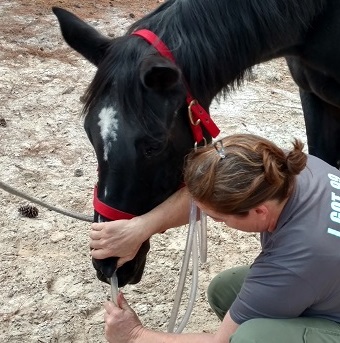
In horses, mineral oil is administered orally or via a nasogastric tube. The oil serves as a lubricant to carry the food along the intestines.
Credit: springhillequine.com
How Does Mineral Oil Help Horses with Colic?
Essentially, mineral oil is the method of relief in the bowel tracts. It softens the food and waste material that is difficult to pass through. Colic is sometimes the result of the intestines being dry and stuck. Mineral oil is there to rescue by softening that part.
Here are a few ways mineral oil works:
- It lubricates the intestines
- It pushes through the stuck food or gas
- It stops blockages from getting worse
- It makes the horse to be able to poop more
It doesn’t work in all colic cases. However, it can be of some assistance in mild colic situations or can prevent further aggravation of colic.
When to Use Mineral Oil for Colic?
Mineral oil is a remedy that should be used only upon a vet’s approval. Giving mineral oil to a horse without vet advice is a practice that is not encouraged. There are different kinds of colic that require surgical intervention and other treatments. Mineral oil works with relieving those caused by dry food or minor blockages.
In the case that your horse manifests severe symptoms, do not hesitate. Make a vet call immediately.
How to Give Mineral Oil to a Horse
It should be very cautious when one is giving mineral oil. Below is a simple list of steps:
- Take a clean syringe or dosing tube
- Measure the required quantity of mineral oil
- Gently hold the horse’s head
- Put the tube or syringe into the horse’s mouth
- Slowly deliver the mineral oil
- Hold the horse’s head up for a short while after the administration
The taste of mineral oil is not very nice. Some horses may refuse it. Try to remain patient and be nice to the horse. Equally important, always adhere to the vet’s instruction as to the dose and the method.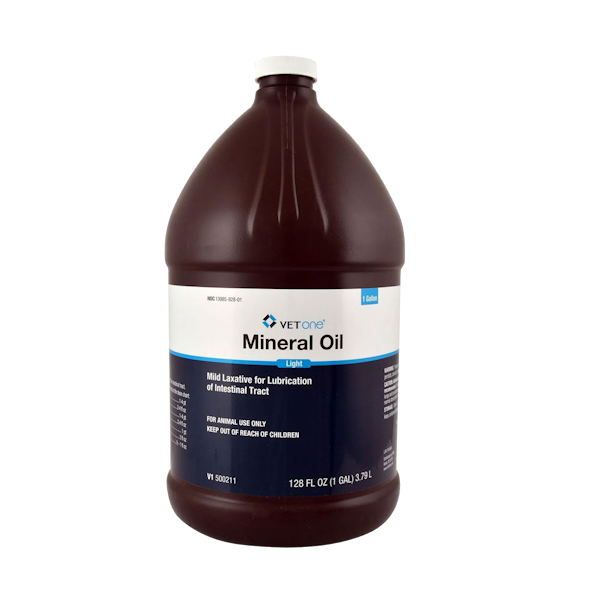
Credit: www.performancevetsupply.com
How Much Mineral Oil Should You Give?
The quantity is determined by the horse’s size and the nature of the colic. Normally, a vet would advise 1 to 2 liters. Do not exceed the vet’s instruction. If there is too much mineral oil, there will be trouble.
Possible Risks of Mineral Oil
Mineral oil is generally a safe product. However, there are some risks associated with it:
Aspiration pneumonia: If it gets to the lungs, mineral oil may cause respiratory problems.
Diarrhea: If there is too much oil, it can result in loose stools.
Blockage: In case the horse has a severe blockage, mineral oil will be unable to help.
Always administer mineral oil under the guidance of a vet. If the horse starts coughing or having breathing difficulties, discontinue giving it oil and contact the vet.
Other Ways to Help Horses with Colic
Mineral oil is just one of the options. There are more ways to help a colicky horse:
- Walking the horse slowly with the aim of helping the free movement of gas in the gut
- Supplying fresh water to the horse as a means of keeping it hydrated
- Observing the horse’s excrement regularly
- Offering the horse only small quantities of hay if it is capable of eating
- Making sure the horse is calm and quiet
Never forget that colic is something that can turn out to be very serious. Rapid and correct action is what will save lives.
Summary: Mineral Oil and Colic in Horses.
| Topic | Information |
|---|---|
| What is Colic? | Abdominal pain in horses from many causes. |
| What is Mineral Oil? | Clear oil used to lubricate intestines. |
| How Mineral Oil Helps | Softens food and eases movement inside intestines. |
| When to Use | Only mild colic and under vet advice. |
| How to Give | By syringe or tube, carefully and slowly. |
| Risks | Aspiration pneumonia, diarrhea, and blockage risks. |
| Other Care | Walking, water, calm environment, and vet visits. |
Final Thoughts
Mineral oil has the potential to be of some help to a horse that suffers from a colic of certain types but it is not a cure for all. Always keep an eye on your horse. Once you see the signs of colic, call your vet. Do not attempt to treat serious colic on your own.
Proper care of the horse, quick action on your side, and vet assistance are the ways to keep your horse healthy.
Frequently Asked Questions
Mineral oil for colic in horses
What Is Mineral Oil Used For In Horse Colic?
Mineral oil is a substance that lubricates the intestines and eases the removal of blockages in horses suffering from colic.
How Does Mineral Oil Relieve Colic In Horses?
It dissolves the impacted matter in the digestive tract, hence, providing an easier way for it to be excreted.
Is Mineral Oil Safe For Treating Horse Colic?
Yes, when it is done properly and under the supervision of a vet, mineral oil is safe for horses.
How Much Mineral Oil Should I Give My Horse For Colic?
There is no fixed dosage and it depends on the situation; generally, 1-2 quarts administered via a stomach tube is normal, however, it is best to consult a vet for advice. Thank reading “mineral oil for colic in horses”
How Much Alfalfa Pellets to Feed a Horse Per Day: Expert Guide