
Why Do Charley Horses Happen In Sleep
Many people wake up in the middle of the night with a sudden, sharp pain in their leg. This painful muscle spasm is often called a charley horse. It can last a few seconds or several minutes, making it hard to fall back asleep. While charley horses are common, especially in adults over 40, the reason they happen during sleep is not always clear. Understanding why these muscle cramps happen can help you prevent them and sleep better. In this article, you’ll learn what causes nighttime charley horses, how they compare to other types of cramps, and what you can do to stop them.
What Is A Charley Horse?
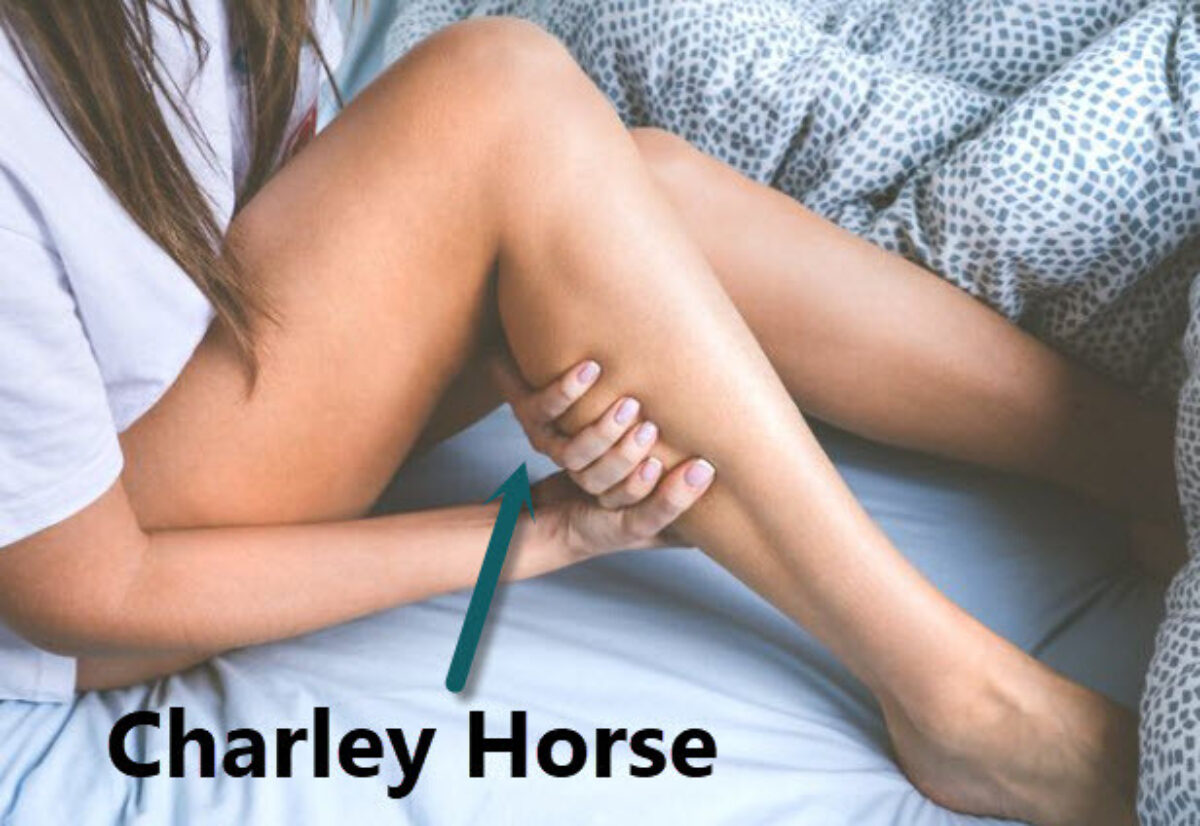
A charley horse is a sudden, involuntary muscle cramp. Most often, it affects the calf muscles or sometimes the thigh or foot. The muscle tightens and becomes hard, causing intense pain. Charley horses can strike any time, but they are especially common during sleep. You might feel the muscle twist, and sometimes you can see it bulge under the skin.
Charley horses are different from other types of muscle pain. They happen fast, without warning. After the cramp, the muscle may feel sore for hours or even days. While the term “charley horse” is used mainly in the US, other countries call it “muscle cramp” or “leg cramp.
”
How Common Are Nighttime Charley Horses?
About one in three adults experience charley horses during sleep at least once per year. Nighttime leg cramps are more frequent in older adults, pregnant women, and people with certain medical conditions. According to a study published in the Journal of Clinical Sleep Medicine, up to 60% of adults over 60 report regular nighttime cramps.
Children and teenagers may experience charley horses too, especially during growth spurts. However, the frequency increases with age, making them a bigger problem for older adults.
What Happens In The Muscle During A Charley Horse?
Muscles contract and relax when you move. During a charley horse, the muscle contracts and stays tight. This is an involuntary contraction, meaning you cannot control it. The muscle fibers shorten and squeeze together, causing pain.
Normally, muscles use minerals like calcium, magnesium, and potassium to contract smoothly. If there is an imbalance or disturbance, the muscle may cramp. This is why dehydration or low mineral levels can trigger charley horses.
Some scientists believe that nerve signals to the muscle become mixed up during sleep, causing the muscle to contract suddenly. The exact mechanism is not fully understood, but it involves both nerves and muscle cells.
Why Do Charley Horses Happen During Sleep?
Charley horses can happen anytime, but they are more common at night. There are several reasons why sleep increases the risk:
- Less Movement: During sleep, you stay in one position for a long time. This reduces blood flow to some muscles and can lead to cramping.
- Muscle Fatigue: If you used your legs a lot during the day, the muscles may be tired and more likely to cramp at night.
- Position of Legs: Sleeping with your legs stretched out or toes pointed can shorten the calf muscle, increasing the risk.
- Lower Body Temperature: Muscles may be more sensitive to cramps when body temperature drops at night.
- Nerve Changes: During deep sleep, nerve signals to muscles change. This can trigger sudden contractions.
Comparison: Nighttime Vs Daytime Charley Horses
Here’s a table showing the differences between charley horses at night and during the day:
| Feature | Nighttime Charley Horse | Daytime Charley Horse |
|---|---|---|
| Common Location | Calf, foot | Calf, thigh, hand |
| Trigger | Sleeping position, low movement | Exercise, dehydration |
| Duration | Usually longer | Usually shorter |
| After-effects | Soreness, sleep disruption | Soreness, mild fatigue |
Nighttime cramps are often more painful and last longer. They can wake you from deep sleep, making it hard to rest.
Main Causes Of Nighttime Charley Horses
Understanding the causes can help prevent charley horses. Here are the main reasons:
1. Dehydration
When you do not drink enough water, your muscles lose essential minerals. Electrolyte imbalance makes it harder for muscles to contract and relax smoothly. Dehydration is a top cause, especially after exercise or in hot weather.
2. Mineral Deficiency
Low levels of potassium, magnesium, or calcium can trigger cramps. These minerals help muscles and nerves communicate. If you lack these nutrients, your muscles may cramp unexpectedly.
3. Poor Circulation
If blood flow to the legs is restricted, muscles do not get enough oxygen and nutrients. This can happen if you sleep with your legs crossed or pressed against something. People with peripheral artery disease or diabetes are more likely to have poor circulation.
4. Muscle Overuse
After intense activity, such as running or standing all day, your muscles may be tired. Fatigue increases the risk of nighttime cramps.
5. Nerve Disorders
Certain nerve conditions, like neuropathy, can cause abnormal muscle contractions. Aging also affects nerves, making cramps more common.
6. Medications
Some medicines increase the risk of charley horses. Examples include diuretics, statins, and blood pressure drugs. These medications can lower mineral levels or affect nerve signals.
7. Pregnancy
Pregnant women often experience charley horses at night. This is due to extra weight, changes in blood flow, and increased need for minerals.
8. Alcohol Use
Alcohol can dehydrate the body and affect how nerves communicate with muscles.
9. Other Health Conditions
Diseases like kidney failure, thyroid disorders, or multiple sclerosis can cause frequent cramps. If you have repeated charley horses, it’s important to check for underlying health issues.
How Sleep Position Affects Charley Horses
The way you sleep can increase the risk of cramps. Sleeping with your toes pointed down (plantar flexion) shortens the calf muscle. This position is common when lying on your back or stomach.
If you curl up in a fetal position, your muscles are less likely to cramp. People who sleep with blankets tightly wrapped around their feet may force their toes downward, increasing the risk.
Most Risky Sleeping Positions
| Position | Risk of Charley Horse | Reason |
|---|---|---|
| Back with toes pointed | High | Shortens calf muscle |
| Stomach with feet extended | High | Forces toes down |
| Fetal position | Low | Relaxed muscles |
| Side with knees bent | Low | Less tension in legs |
Changing your sleep position can help reduce nighttime cramps.
Credit: www.joionline.net
The Role Of Age And Lifestyle
As people age, the risk of charley horses increases. Older adults have less muscle mass, slower circulation, and weaker nerves. They also lose minerals faster and may take medications that trigger cramps.
Lifestyle factors matter too. Athletes, people who stand all day, or those with poor diets are more likely to experience charley horses. Sitting for long periods without moving can also increase risk.
Age And Frequency Of Charley Horses
| Age Group | Frequency | Common Causes |
|---|---|---|
| Children (6-16) | Occasional | Growth spurts |
| Adults (20-40) | Moderate | Exercise, dehydration |
| Adults (40-60) | Frequent | Mineral loss, medications |
| Seniors (60+) | Very frequent | Poor circulation, nerve changes |
How To Stop A Charley Horse During Sleep
When a charley horse strikes, quick action can help:
- Stretch the Muscle: If the cramp is in your calf, gently pull your toes toward your head. This stretches the muscle and relieves the cramp.
- Massage: Rub the cramped muscle to increase blood flow and help it relax.
- Walk Around: If possible, stand up and walk. Movement helps stop the cramp.
- Apply Heat: A warm towel or heating pad can soothe the muscle.
- Drink Water: Hydrating helps restore balance.
These steps can stop the pain quickly. After the cramp, the muscle may feel sore. Gentle stretching and massage can reduce soreness.
Preventing Nighttime Charley Horses
Prevention is the best strategy. Here are practical ways to avoid charley horses:
1. Stay Hydrated
Drink water throughout the day. Avoid too much caffeine or alcohol, as they can dehydrate you.
2. Balance Minerals
Eat foods rich in potassium (bananas, oranges), magnesium (nuts, seeds), and calcium (milk, yogurt). If you have low levels, ask your doctor about supplements.
3. Stretch Before Bed
Gentle stretching of your legs before sleep can reduce cramps. Focus on calf and foot muscles.
4. Change Sleep Position
Avoid sleeping with your toes pointed down. Use a pillow to keep your feet relaxed.
5. Move During The Day
Regular activity improves circulation and muscle health. Avoid sitting or standing too long.
6. Review Medications
If you take medicines that cause cramps, talk to your doctor. Sometimes, changing the dose or switching drugs can help.
7. Wear Loose Bedding
Tight blankets can force your feet into risky positions. Use loose sheets and bedding.
8. Avoid Heavy Exercise Late
Do not exercise intensely right before bed. Muscles need time to recover.
9. Manage Health Conditions
Control diabetes, kidney disease, and other conditions that affect nerves and muscles.
10. Practical Tips For Pregnant Women
Drink enough water, eat balanced meals, and stretch gently before sleep. Pregnancy increases risk, so prevention is key.
Non-obvious Insights About Nighttime Charley Horses
Most people know dehydration and low minerals cause cramps. But there are lesser-known facts:
- Nocturnal Cramps Are Linked to Sleep Quality: Studies show people with frequent charley horses have more sleep interruptions, leading to daytime fatigue. Fixing cramps can improve sleep.
- Charley Horses Can Signal Early Nerve Problems: If you have frequent nighttime cramps, it may be a sign of nerve changes. Early detection can help prevent worse problems.
- Stretching Before Bed Works Better Than During the Day: Evening stretching is more effective because it targets tired muscles just before sleep.
- Certain Shoes Increase Risk: Wearing high heels or tight shoes during the day can shorten calf muscles, making cramps more likely at night.
Credit: www.mlhealth.org
When To See A Doctor
Charley horses are usually harmless, but some cases need medical attention:
- Cramp lasts longer than 10 minutes
- Muscle stays sore for days
- Cramps happen every night
- You have numbness or weakness
- Cramp is in unusual places (arms, hands)
If you notice these signs, talk to your doctor. Blood tests or nerve studies may be needed to find the cause.
How Are Charley Horses Diagnosed?
Doctors diagnose charley horses based on symptoms. They may ask:
- When do cramps happen?
- How often?
- What medications do you take?
- Are you pregnant?
- Do you have other health issues?
Blood tests check mineral levels. Nerve studies may be done if cramps are frequent or severe. Sometimes, imaging is needed to rule out circulation problems.
Treatment Options For Severe Charley Horses
For frequent or severe cramps, several treatments are available:
- Mineral supplements: Potassium or magnesium pills
- Muscle relaxants: Medicines to reduce cramping
- Stretching programs: Physical therapy for muscle health
- Compression stockings: Improve circulation in legs
- Adjusting medications: Changing drugs that cause cramps
Doctors may recommend lifestyle changes and regular stretching. In rare cases, surgery may be needed for nerve or blood flow problems.
Charley Horses Vs Other Types Of Muscle Cramps
Charley horses are one type of muscle cramp. Here’s how they compare:
- Charley horse: Sudden, intense cramp, usually in calf or thigh
- Restless leg syndrome: Uncomfortable urge to move legs, not painful
- Spasms from injury: Related to muscle damage, often longer lasting
- Tetany: Continuous muscle contraction from low calcium, usually hands
Charley horses are unique because they happen fast and often during sleep. They are not the same as restless leg syndrome or tetany.
Real-life Examples
- Tom, age 52: Wakes up several times a week with calf cramps. Drinks little water and takes blood pressure medicine. After increasing water and stretching, cramps reduced.
- Lisa, pregnant: Has nightly leg cramps. Started eating more bananas and stretching before bed. Cramps are less frequent.
- Mark, runner: Gets cramps after long runs. Learned to cool down and hydrate, now rarely has nighttime charley horses.
Data On Nighttime Charley Horses
According to the National Institute of Health:
- 50% of adults over 50 have leg cramps at least once per year
- 20% of pregnant women report frequent charley horses
- 10% of people on diuretics experience regular nighttime cramps
These numbers show how common charley horses are, especially in older adults and pregnant women.
Myths And Facts About Charley Horses
Common Myths
- Only athletes get charley horses: False. Anyone can get them, especially older adults.
- Bananas cure cramps instantly: False. While bananas help, it takes time to restore minerals.
- Stretching during the day is enough: False. Evening stretching is more effective.
Facts
- Charley horses often disrupt sleep.
- Risk increases with age and certain medications.
- Prevention is possible with hydration and stretching.
Practical Steps For Better Sleep
Charley horses can ruin a good night’s sleep. To prevent cramps:
- Drink water all day, not just before bed.
- Eat balanced meals rich in minerals.
- Stretch legs gently before sleep.
- Change sleep position if cramps are frequent.
- Talk to your doctor if cramps persist.

Credit: precisionorthopaedic.com
Frequently Asked Questions
What Causes Charley Horses During Sleep?
Charley horses are caused by muscle fatigue, dehydration, mineral deficiencies, poor circulation, and certain sleeping positions. They are more likely at night because muscles are inactive, and mineral levels may drop during sleep.
How Can I Quickly Stop A Charley Horse At Night?
To stop a charley horse, stretch the affected muscle gently, massage the area, stand up and walk if possible, apply heat, and drink water. These steps relieve pain and help the muscle relax.
Are Nighttime Charley Horses Dangerous?
Most charley horses are harmless. However, frequent or severe cramps can signal health issues like nerve disorders, mineral imbalance, or circulation problems. See a doctor if cramps are persistent or very painful.
What Foods Help Prevent Charley Horses?
Foods rich in potassium (bananas, oranges), magnesium (nuts, seeds), and calcium (milk, yogurt) help prevent cramps. Eating a balanced diet supports muscle health and reduces risk.
Do Medications Cause Nighttime Charley Horses?
Yes, some medicines can trigger charley horses. Diuretics, statins, and blood pressure drugs may lower mineral levels or affect nerve signals. If you notice cramps after starting a new medication, talk to your doctor.
Waking up with a charley horse is painful and disruptive, but understanding the causes and prevention tips can make a big difference. With small changes in your daily routine and sleep habits, you can reduce the risk and enjoy better sleep. For more scientific details, visit the Sleep Foundation.