
Preparing a pasture for horses is much more than fencing a grassy area and letting your animals roam. Good pasture management leads to healthier horses, lower feed costs, and a more sustainable environment. Whether you’re setting up your first horse pasture or improving an existing one, understanding each step can save you time and prevent costly mistakes.
Horses have unique needs, and their grazing habits differ from other livestock. They are selective eaters, sensitive to weeds, and can damage pasture quickly if not managed well. This guide walks you through every stage—from choosing the right location to maintaining lush, nutritious grass year-round.
Along the way, you’ll find practical tables, real-world examples, and expert insights, so you’ll finish this article ready to create a horse pasture that works for you and your animals.
Understanding Horse Pasture Needs
Horses are different from cattle, sheep, or goats in how they graze and what they require. While cattle graze close to the ground and eat a variety of plants, horses nip grass at the base and avoid contaminated spots. This creates challenges, but also opportunities for better management.
Pasture size is one of the first factors to consider. For one adult horse, you’ll need at least 1 to 2 acres of well-managed pasture for full grazing. However, many owners supplement with hay, so smaller pastures can work if they’re carefully maintained.
Horses also need:
- Safe, non-toxic plants: Certain weeds and trees can harm horses.
- Good drainage: Wet, muddy areas can cause hoof diseases and pasture damage.
- Shelter and water: Shade and a clean water source are essentials.
- Strong fencing: Horses can test fences, so safety is key.
A well-prepared pasture improves horse health, reduces feed bills, and cuts down on mud, dust, and weeds. Investing time at the start pays off for years.
Site Selection And Planning
Choosing the right spot for your horse pasture makes everything else easier. Not all land is suitable, so a little planning prevents long-term problems.
Key Factors In Site Selection
- Soil quality: Fertile, well-drained soil grows more nutritious grass.
- Topography: Slight slopes help with drainage, but avoid steep hills that erode.
- Sunlight: Grass needs at least 6 hours of sun daily.
- Water access: Horses drink 5–10 gallons per day, so a reliable supply is crucial.
- Shelter and windbreaks: Trees or buildings offer shade and protection.
Common Mistakes
- Placing pastures on flood-prone land—leads to mud and hoof issues.
- Ignoring nearby toxic plants or trees—risking horse health.
- Overlooking access—trucks and tractors need to reach the pasture for maintenance.
Creating A Pasture Map
Sketch a simple map showing:
- Grazing area
- Water source location
- Shelter or shade spots
- Entry gates and fencing lines
This map helps with planning rotation, fencing, and future expansion.
Soil Testing And Improvement
Healthy grass starts with healthy soil. Horses need grass rich in nutrients, and soil is the foundation.
Why Test Soil?
A soil test reveals:
- PH level (ideal: 6.0 to 7.0 for most grasses)
- Nutrient levels (nitrogen, phosphorus, potassium)
- Organic matter content
Testing is inexpensive and guides fertilizer use so you don’t waste money or harm the environment.
Steps For Soil Testing
- Take samples from several spots, mixing 10–15 cores per pasture.
- Send samples to your local extension service or soil lab.
- Review the report for pH and nutrients.
Improving Soil Quality
If the soil is too acidic, add lime to raise the pH. If nutrients are low, use the recommended fertilizer. Organic matter can be boosted by spreading compost or manure (well-aged to avoid parasites).
Key insight: Many beginners skip soil testing and end up with patchy, weed-filled pastures. Taking this step first prevents years of frustration.
Sample Soil Test Interpretation
Here’s a quick reference for understanding soil test results:
| Soil Property | Ideal Range | Common Correction |
|---|---|---|
| pH | 6.0–7.0 | Lime (if low) |
| Nitrogen (N) | 40–60 lbs/acre | Apply fertilizer |
| Phosphorus (P) | 30–50 lbs/acre | Rock phosphate |
| Potassium (K) | 120–180 lbs/acre | Potash fertilizer |
Choosing The Right Forage
Not all grasses and legumes are suitable for horses. The right mix will depend on your climate, soil, and grazing needs.
Common Forage Options
- Cool-season grasses: Kentucky bluegrass, orchardgrass, tall fescue (use only endophyte-free for broodmares), timothy.
- Warm-season grasses: Bermuda grass, bahiagrass.
- Legumes: White clover, alfalfa (use with caution—rich in protein).
Horses do best with a mix of grasses and a small amount of legumes (less than 30%). Too many legumes can cause digestive issues.
Forage Selection Table
To help you compare, here’s a table of common forages and their characteristics:
| Forage Type | Growth Season | Advantages | Considerations |
|---|---|---|---|
| Kentucky bluegrass | Cool | Palatable, dense sod | Needs good drainage |
| Orchardgrass | Cool | High yield, early growth | Can be invasive |
| Bermuda grass | Warm | Heat tolerant, durable | Low winter growth |
| White clover | Cool | Improves soil, palatable | Use in moderation |
| Alfalfa | Cool | High protein, drought resistant | Rich—limit for horses |
Non-obvious Insight
Beginner mistake: Sowing only one grass type. A diverse pasture is more resilient to drought, pests, and overgrazing.
Tip: Ask your local extension office for a custom seed mix suited to your region.

Credit: extension.psu.edu
Seeding And Establishment
Once you’ve chosen your forage, proper seeding is key for a thick, healthy pasture.
Timing
- Cool-season grasses: Best planted in early spring or late summer.
- Warm-season grasses: Seed after soil warms, usually late spring.
Preparing The Seedbed
- Remove debris, rocks, and old sod.
- Till or lightly disk the soil for a fine, firm seedbed.
- Level and firm the surface—seeds need good soil contact.
- Fertilize and lime according to your soil test.
Seeding Methods
- Broadcast seeding: Spread seed evenly with a broadcast spreader, then lightly roll or drag to cover.
- Drill seeding: A seed drill plants seed at the correct depth for best results.
Most pasture grasses need to be sown 1/4 to 1/2 inch deep. Planting too deep reduces germination.
Seeding Rates
- Kentucky bluegrass: 8–10 lbs/acre
- Orchardgrass: 10–12 lbs/acre
- Bermuda grass: 5–8 lbs/acre
- White clover: 2–4 lbs/acre
Mix seed types for diversity, but don’t exceed the total recommended rate.
Establishment Tips
- Keep horses off new pasture for at least 6–12 months to allow strong root growth.
- Mow weeds before they seed to reduce competition.
- Light irrigation helps seeds germinate in dry weather.
Hidden tip: Many owners let horses graze too soon, damaging young plants. Patience during establishment gives you a thicker, longer-lasting pasture.
Fencing For Horse Safety
Fencing is essential for both horse safety and pasture management. Horses test fences, so strength and visibility matter.
Types Of Horse Fencing
Common options include:
- Wood board: Attractive, safe, but higher maintenance.
- Woven wire: Safe if openings are small; avoid barbed wire.
- Electric tape/rope: Good visibility; use with other types for best results.
- Vinyl or PVC: Low maintenance, but can be costly.
Fence Height And Design
- Minimum height: 4.5 to 5 feet for adult horses.
- Avoid sharp corners or wire ends.
- Gates should be wide enough for equipment (12–16 feet).
Comparing Fence Types
Here’s a quick comparison:
| Fence Type | Cost | Durability | Safety | Visibility |
|---|---|---|---|---|
| Wood board | High | Good | Excellent | High |
| Woven wire | Medium | Excellent | Good | Moderate |
| Electric tape | Low | Moderate | Good | High |
| Vinyl/PVC | High | Excellent | Excellent | High |
Safety Reminders
- Never use barbed wire—serious injuries are common.
- Check fences regularly for loose boards or posts.
- Use gates with horse-proof latches.
Watering And Shade
Horses need constant access to clean water and shelter from extreme weather.
Water Systems
- Automatic waterers: Convenient but must be checked daily.
- Stock tanks: Easy to set up but require regular cleaning.
- Natural streams or ponds: Not recommended—risk of contamination.
Each horse drinks 5–10 gallons of water daily, more in hot weather or during work. Place water sources away from gates to prevent mud.
Providing Shade
Horses need shade to avoid heat stress, especially in summer. Options include:
- Natural trees (make sure they’re non-toxic)
- Run-in sheds or field shelters
- Portable shade structures
Place shelters on high ground, facing away from prevailing winds.
Hidden tip: If you plant new trees for shade, protect them with fencing for at least 5 years to prevent horses from chewing bark.
Weed And Toxic Plant Control
Weeds compete with grass and some are dangerous for horses. Managing weeds starts before planting and continues year-round.
Common Toxic Weeds
- Buttercup
- Nightshade
- Hemlock
- Ragwort
- Bracken fern
- Milkweed
Know what grows in your area—consult a local weed guide.
Weed Control Methods
- Mowing: Prevents weeds from seeding.
- Hand pulling: Effective for small areas or isolated plants.
- Herbicides: Use only products labeled safe for horse pastures.
- Improved grazing management: Healthy grass outcompetes most weeds.
Toxic Tree And Shrub Examples
- Red maple
- Black walnut
- Yew
- Cherry
Remove or fence off these trees if they’re in or near your pasture.
Non-obvious Insight
Many weed problems come from overgrazing. When grass is grazed too short, weeds invade the bare soil. Rotational grazing (explained next) is the best defense.
Pasture Rotation And Management
Rotational grazing is a method where the pasture is divided into sections (paddocks) and horses are moved regularly. This lets grass recover and reduces overgrazing.
How To Set Up Rotation
- Divide pasture into at least three to four paddocks.
- Move horses when grass is grazed down to 3–4 inches.
- Rest each paddock for 4–6 weeks before re-grazing.
Benefits Of Rotation
- Healthier, thicker grass
- Fewer weeds and bare spots
- Less mud and dust
- Lower parasite loads
Example Rotation Schedule
- Paddock 1: Graze 7 days, rest 21 days
- Paddock 2: Graze 7 days, rest 21 days
- Paddock 3: Graze 7 days, rest 21 days
Adjust based on grass growth and weather.
Non-obvious Insight
Many new owners rotate too slowly. Grass needs time to regrow—never graze below 3 inches, or plants lose energy reserves and thin out.
Manure Management
Manure is part of pasture life, but too much causes problems: uneven grazing, parasite buildup, and nutrient overload.
Best Practices
- Remove manure from small paddocks at least once a week.
- In larger pastures, drag a chain harrow to break up droppings—do this during hot, dry weather to kill parasites.
- Compost removed manure before spreading it elsewhere.
Why It Matters
Horses avoid grazing near manure, creating “roughs” (tall, ungrazed areas) and “lawns” (short, overgrazed spots). Good management evens out grazing and improves grass health.
Tip: Never spread fresh manure on active pasture—wait for composting to destroy parasites and weed seeds.
Dealing With Mud And Erosion
Wet, muddy areas are not just unpleasant—they damage hooves and kill grass. Erosion also washes away valuable soil.
Preventing Mud
- Place water troughs and gates on gravel pads.
- Use geotextile fabric plus gravel for high-traffic areas.
- Rotate pastures to keep horses off wet ground.
Erosion Control
- Plant grass on bare spots quickly.
- Avoid overgrazing on slopes.
- Use silt fences or straw wattles in new pastures until grass is established.
Non-obvious tip: If you have a persistent muddy spot, consider installing a French drain—a gravel-filled trench that channels water away.
Regular Pasture Maintenance
Ongoing care keeps your pasture productive and safe.
Key Tasks
- Mow pastures to 4–6 inches to prevent weeds and stimulate new growth.
- Fertilize according to soil test results, usually once or twice per year.
- Reseed thin spots in early spring or fall.
- Remove debris: Fallen branches, trash, or broken fencing.
Monitoring
Walk your pasture weekly to check for:
- New weeds or toxic plants
- Fence damage
- Bare or muddy areas
- Signs of overgrazing
Tip: Keep a pasture log noting fertilizer, lime, or seed applications and grazing dates. This helps you spot patterns and improve management.
Seasonal Considerations
Different seasons require different strategies to keep your pasture healthy.
Spring
- Fertilize and lime as needed.
- Reseed bare spots.
- Start rotational grazing when grass reaches 6–8 inches.
Summer
- Watch for drought stress—rest paddocks if grass stops growing.
- Check water supplies daily.
- Mow weeds before they seed.
Fall
- Fertilize cool-season grasses for root growth.
- Remove fallen leaves (especially from toxic trees).
- Prepare winter shelter and water systems.
Winter
- Keep horses off frozen or muddy pastures to prevent damage.
- Feed hay in a sacrifice area to rest main grazing land.
- Inspect fences after storms.
Budgeting And Cost Considerations
Starting a pasture for horses can be a significant investment, but good planning saves money in the long term.
Main Costs
- Fencing: $2–$10 per foot depending on type.
- Seed and fertilizer: $100–$300 per acre for seed; $50–$150 per acre for fertilizer.
- Water systems: $100–$1,000 depending on type.
- Shelter: $500–$5,000 for run-in sheds.
- Soil testing: $10–$30 per sample.
Cost-saving Tips
- Use local seed mixes—they’re often cheaper and better adapted.
- Rotate grazing to reduce hay needs.
- Share equipment with neighbors for mowing and seeding.
Non-obvious insight: Skimping on fencing usually ends up more expensive when you factor in horse injuries or escapes.
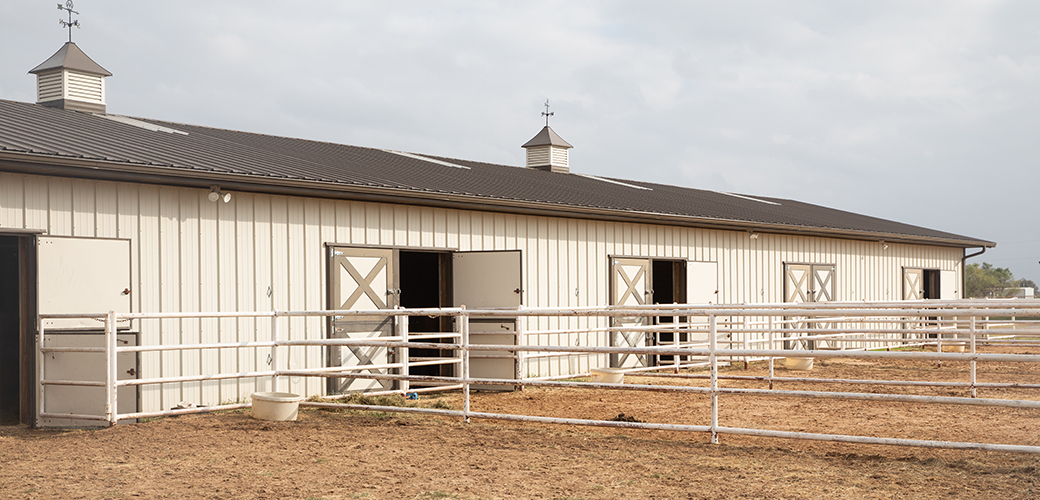
Credit: www.aspca.org
Environmental Best Practices
Good pasture management protects water, soil, and wildlife.
- Fence horses away from streams and wetlands.
- Use vegetative buffers to filter runoff.
- Apply fertilizers and herbicides only as needed, according to soil tests.
- Plant native grasses to support pollinators and birds.
For more on sustainable pasture management, see the USDA Natural Resources Conservation Service.
Frequently Asked Questions
How Big Should A Horse Pasture Be?
A well-managed pasture should provide 1 to 2 acres per horse for full-time grazing. If you supplement with hay or rotate grazing, you can manage with less, but smaller areas require careful management to prevent overgrazing and mud.
What Is The Best Grass For Horse Pastures?
The best grass depends on your region, but Kentucky bluegrass, orchardgrass, and tall fescue (endophyte-free) are excellent for cool climates. Bermuda grass is popular in warm climates. A mix of grasses and a small amount of legumes makes for a more resilient pasture.
How Do I Keep Weeds Out Of My Horse Pasture?
Prevent weeds by maintaining thick, healthy grass through proper fertilization, mowing, and rotational grazing. Remove toxic plants by hand or with targeted herbicides, and avoid overgrazing which creates bare spots where weeds can invade.
How Soon Can Horses Graze A New Pasture?
Horses should stay off new pasture until grass is well established, usually 6–12 months after seeding. Grazing too soon damages roots and slows pasture development.
What Fencing Is Safest For Horses?
Wood board, vinyl, and electric tape are among the safest and most visible fencing options. Avoid barbed wire, as it can cause serious injuries. Fences should be at least 4.5 feet high and checked regularly for damage.
Creating a healthy horse pasture requires planning, effort, and ongoing care. From soil testing to weed control and rotational grazing, every step makes a difference in the well-being of your horses and the sustainability of your land. With patience and attention, you’ll enjoy the rewards of seeing your horses thrive in lush, green fields for years to come.

Credit: www.oregonhorsecouncil.com