
Why Can Horses Run Fast
Horses have amazed humans for thousands of years with their speed. From wild mustangs racing across open plains to thoroughbreds sprinting on racetracks, their ability to run fast shapes our history, sports, and culture. But what exactly makes horses so swift?
The answer goes beyond simple muscle strength or long legs. It combines biology, evolution, and careful breeding. Understanding why horses can run fast not only helps us appreciate their beauty but also reveals secrets about animal movement, endurance, and athleticism.
Horse Anatomy: Built For Speed
Horses are designed to run. Their bodies show many adaptations that help them move quickly. Let’s look at some key physical features:
Long Legs And Flexible Joints
The most obvious trait is their long legs. Horses have longer limbs compared to most animals their size. This means each stride covers more ground. Their joints are very flexible, especially the fetlock joint (just above the hoof), which acts like a spring and absorbs shock with each step. This joint helps horses push off the ground quickly and smoothly.
Large Muscles
Horses have powerful muscles in their hindquarters and shoulders. These muscles give strong bursts of speed and keep them running for longer distances. The muscles are not only big but also contain many fast-twitch fibers, which are specialized for short, explosive movements.
Lightweight Skeleton
Surprisingly, a horse’s bones are lighter than you might expect. This reduces their body weight, making it easier to accelerate. Their legs have fewer bones than a human’s, which means less resistance and more efficient movement.
Streamlined Body Shape
A horse’s body is shaped like a teardrop, which is ideal for reducing wind resistance. Their necks stretch forward, and their heads are small compared to their bodies. This shape helps them cut through the air while running.
Evolution: Why Speed Matters
Wild horses needed speed to survive. Speed was not just an advantage—it was a necessity. Predators like wolves or big cats would chase horses, so only the fastest survived and reproduced.
Natural Selection
Over thousands of years, natural selection favored horses that could outrun danger. These horses passed their genes to their offspring. As a result, today’s horses are much faster than their ancient ancestors.
Herd Behavior
Horses are prey animals. They live in groups called herds. When danger comes, the whole herd runs together. Speed helps them escape quickly and stay safe. The ability to run fast also helps horses find food and water, sometimes traveling long distances in search.
Horse Breeds: Not All Horses Are Equally Fast
Some breeds are much faster than others. Let’s compare a few famous breeds:
| Breed | Average Top Speed (km/h) | Main Use |
|---|---|---|
| Thoroughbred | 65 | Racing |
| Quarter Horse | 88 (short bursts) | Racing, Ranch Work |
| Arabian | 55 | Endurance |
| Clydesdale | 32 | Work, Shows |
Thoroughbreds are famous for speed in long races, while Quarter Horses are the fastest over short distances. Arabians are not the fastest, but they can run for hours without tiring. Clydesdales are big and strong, but not built for speed.
Muscle Structure: Explosive Power
Muscle structure is another reason horses run fast. Horses have a mix of fast-twitch and slow-twitch muscle fibers.
Fast-twitch Vs. Slow-twitch
- Fast-twitch fibers: These are good for short, powerful sprints. They use energy quickly and contract fast. Quarter Horses have more fast-twitch fibers.
- Slow-twitch fibers: These are good for endurance. They use energy slowly and contract for a long time. Arabians have more slow-twitch fibers.
| Breed | Fast-Twitch (%) | Slow-Twitch (%) |
|---|---|---|
| Quarter Horse | 80 | 20 |
| Thoroughbred | 70 | 30 |
| Arabian | 60 | 40 |
This muscle difference explains why some breeds are fast sprinters and others are long-distance runners.
Respiration: Breathing For Speed
Running fast needs a lot of oxygen. Horses have unique respiratory systems.
Large Lungs And Nostrils
Horses have large lungs and wide nostrils. When they run, their nostrils flare open, allowing more air to enter. Their lungs can hold about 55 liters of air (a human’s lungs hold about 6 liters). This helps them get the oxygen needed to fuel their muscles.
Linked Breathing And Stride
A horse’s breathing is linked to its stride. Each time a horse’s front legs hit the ground, their lungs compress and air is pushed out. This synchronized breathing helps them get maximum oxygen with every step.
Hooves: Natural Springs
The hoof is a special part of the horse’s body. It acts like a spring and shock absorber.
Energy Return
When a horse’s hoof hits the ground, it compresses slightly. As the hoof lifts off, it returns energy to the horse. This spring effect saves energy and helps horses run faster without tiring quickly.
Training And Diet: Human Influence
Humans have improved horse speed through careful training and diet.
Training Techniques
- Interval training: Horses run short, fast sprints mixed with slow jogs. This builds both speed and stamina.
- Strength training: Exercises improve muscle strength, especially in the hindquarters.
- Rest and recovery: Horses need time to recover between workouts. Overtraining can lead to injury.
Diet For Speed
A horse’s diet is rich in protein, carbohydrates, and minerals. Racehorses often eat special feeds designed for energy and muscle repair. Electrolytes are added to keep them hydrated and prevent muscle cramps.
Genetics: The Science Behind Fast Horses
Scientists have found certain genes linked to speed in horses. One important gene is the myostatin gene. Horses with a certain version of this gene have bigger muscles and can sprint faster.
Breeding For Speed
People have bred horses for speed for centuries. Breeders choose horses with the best speed genes and mate them. This has created super-fast breeds like the Thoroughbred and Quarter Horse.
Common Misconceptions About Horse Speed
Some people think all horses can run fast, but that’s not true. There are other myths as well:
- Bigger horses are faster: Not always. Some smaller breeds are quicker due to muscle type and body shape.
- Speed is only about muscles: Speed depends on many factors, not just muscle size.
- All breeds can race equally: Each breed has its strengths and weaknesses.
Practical Insights: What Beginners Often Miss
Most people focus on leg length or muscle size, but two overlooked factors are:
- Recovery speed: Fast horses not only run quickly, they recover quickly after exercise. This lets them race again sooner.
- Mental focus: A horse’s attitude and willingness to run can affect speed. Calm, focused horses often perform better under stress.
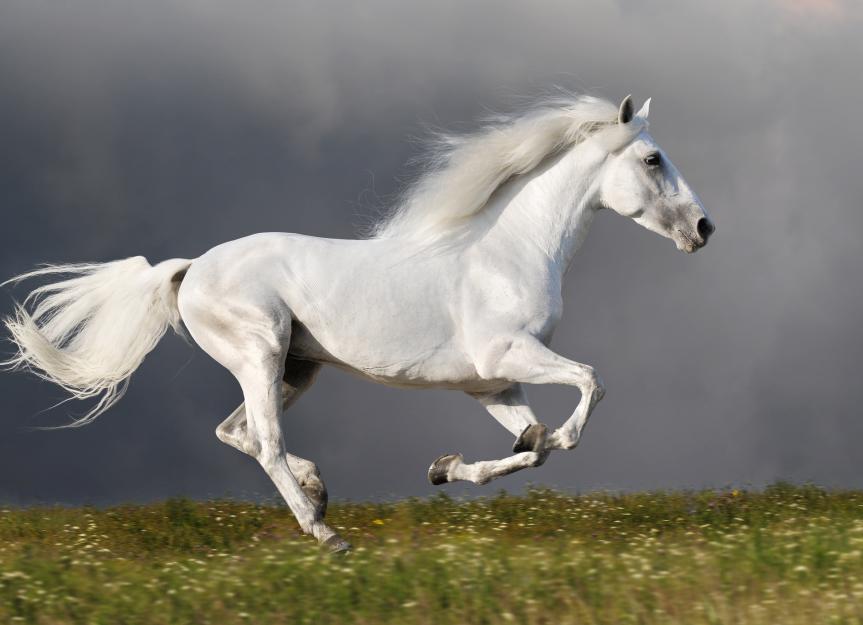
Credit: www.petmd.com
Real-world Examples Of Fast Horses
Some famous racehorses show what is possible:
- Secretariat: Won the 1973 Belmont Stakes in record time, running 2.4 km in just under 2 minutes and 25 seconds.
- Quarter Horses: These horses can reach speeds of 88 km/h in short sprints.
- Arabian horses: While not the fastest sprinters, they can travel over 160 km in endurance races.
Comparing Horses To Other Fast Animals
How Do Horses Compare To Other Fast Animals?
| Animal | Top Speed (km/h) | Distance |
|---|---|---|
| Cheetah | 112 | 200–300 meters |
| Horse (Quarter) | 88 | 400 meters |
| Greyhound | 72 | 350 meters |
| Human (Usain Bolt) | 44 | 100 meters |
Cheetahs are faster for short sprints, but horses can keep high speeds for much longer distances.
The Role Of Jockeys And Equipment
The person riding the horse, called a jockey, and the equipment used also influence speed.
Lightweight Jockeys
A lighter jockey means less weight for the horse to carry, allowing for faster speeds. Jockeys are trained to stay balanced and not interfere with the horse’s movement.
Racing Saddles
Racing saddles are small and lightweight. They help the horse move freely and reduce weight.
The Importance Of Environment
Running surfaces matter. Horses run fastest on smooth tracks made of dirt or turf. Rough terrain slows them down and increases injury risk.
Weather Conditions
Hot weather can tire horses quickly, while cool weather helps them run longer. Rain and mud can make tracks slippery, reducing speed.

Credit: www.youtube.com
Latest Research And Technology
Modern science uses GPS trackers and heart monitors to study horse speed. Data from these devices help trainers improve racing techniques. Genetic testing is also used to select future champions.
For more details about the biology and history of fast horses, you can check Wikipedia.
Frequently Asked Questions
What Is The Fastest Horse Breed?
The Quarter Horse holds the record for fastest sprinting speeds. They can reach up to 88 km/h in short races.
How Long Can A Horse Run At Top Speed?
Horses can run at their top speed for about 400 to 800 meters. After that, they need to slow down or risk exhaustion.
Why Are Some Horses Faster Than Others?
Speed depends on breed, muscle structure, genes, and training. Not all horses are bred or trained for speed.
Can Any Horse Become Fast With Training?
Training improves speed, but genetics and body type set limits. Some horses will never be as fast as others, no matter how much they train.
How Do Injuries Affect A Horse’s Running Speed?
Injuries can lower speed or end a horse’s racing career. Recovery and proper care are important for maintaining speed.
Horses are natural runners, shaped by evolution, careful breeding, and smart training. Their speed is a blend of body design, muscle structure, and breathing power. Not every horse can run fast, but those built for speed are truly impressive. Whether on the racetrack or in the wild, their swift movement captures our imagination and teaches us about the wonders of animal biology.

Credit: www.countryfile.com