
Finding the right horse for you is an exciting but sometimes overwhelming experience. You want a partner who matches your lifestyle, riding style, and goals.
Choosing the perfect horse isn’t just about looks or breed—it’s about connection, trust, and understanding what fits your needs. You’ll discover clear steps and insider tips to help you make a confident choice. By the end, you’ll feel ready and excited to find your ideal horse companion.
Keep reading to unlock the secrets that will make your search easier and more successful.
Assess Your Riding Goals
Before choosing a horse, understand your riding goals clearly. This helps find a horse that fits your needs and skills. Reflect on what you want from riding. Think about the type of riding and your future plans. Clear goals guide your horse selection and training.
Identify Your Riding Style
Think about how you like to ride. Do you prefer trail rides, jumping, or dressage? Each style needs different horse traits. For example, trail riding suits calm, steady horses. Jumping requires agile and brave horses. Knowing your style helps find a horse that matches your riding.
Set Long-term Objectives
Plan what you want to achieve with riding over time. Do you aim to compete, enjoy casual rides, or improve skills? Your goals affect the horse you choose. Some horses fit beginners, others suit advanced riders. Setting clear goals keeps you focused and helps pick the right horse.
Evaluate Your Skill Level
Evaluating your skill level is an important step in choosing the right horse. Your riding experience affects what type of horse suits you best. Knowing your abilities helps avoid safety risks and makes riding more enjoyable.
Beginner Considerations
Beginners need calm and patient horses. These horses respond well to gentle commands. They stay steady even if the rider makes mistakes. Look for horses with a good temperament and slow pace. Avoid horses with high energy or quick reactions. A quiet horse builds rider confidence and trust.
Advanced Rider Needs
Advanced riders want horses that challenge their skills. They may prefer faster or more spirited horses. These horses can perform complex movements and respond quickly. Experienced riders handle sharper turns and faster gaits. Choose a horse that matches your training goals. This keeps riding exciting and rewarding.
Choose The Right Breed
Choosing the right breed is a key step in finding your perfect horse. Each breed has unique traits that suit different riders and activities. Knowing these traits helps you pick a horse that fits your needs and goals. This makes riding safer and more fun. Understanding breeds also helps manage expectations about training, care, and behavior.
Popular Breeds And Traits
Some breeds are well-known for their strength and speed. Quarter Horses are strong and quick, perfect for ranch work and rodeo. Thoroughbreds are fast and tall, often used in racing and jumping. Arabians are smart and hardy, good for endurance rides. Ponies like Shetlands are small and tough, great for kids or beginners. Each breed has a different look, size, and personality. Choosing one means matching these traits to what you want.
Matching Breed To Purpose
Think about why you want a horse. For trail riding, calm breeds like Morgans or Quarter Horses work well. If you want to compete in dressage, breeds like Warmbloods fit best. For children or new riders, ponies or gentle breeds are safer. Some horses are better at pulling or farm work. Matching the breed to your riding style and skill level helps you enjoy your horse more. It also reduces stress for both you and the horse.
Consider Age And Temperament
Choosing the right horse means thinking about age and temperament. These two factors affect how well you and the horse will get along. Age can change a horse’s energy and training needs. Temperament shows how a horse reacts to people and new situations.
Understanding these helps you find a horse that fits your lifestyle and skill level. A good match makes riding safe and fun for both of you.
Young Vs. Mature Horses
Young horses have lots of energy and need training. They can be playful and curious. This means more time and effort from you. Good for people who want to train a horse from the start.
Mature horses are calmer and often trained. They usually know basic commands. This suits beginners or riders who want a steady partner. They may have health issues, so check carefully.
Personality Traits To Look For
Look for a horse that is calm and friendly. A gentle horse is easier to handle. Watch how the horse reacts to new people or sounds. A nervous horse can be hard to manage.
Confidence and patience are good traits. These horses stay calm in busy places. They trust people and follow instructions well. Choose a horse that matches your riding style and personality.
Inspect Health And Soundness
Inspecting a horse’s health and soundness is a key step in choosing the right horse. A healthy horse is more likely to be safe, happy, and a good partner. This check helps avoid future problems and costs.
Spend time examining the horse carefully. Look for signs of good health and strong legs. A sound horse moves freely without pain or limping.
Veterinary Checks
Hire a vet to do a full health exam. The vet will check teeth, eyes, heart, and lungs. They will also look at joints and muscles for injuries or arthritis.
X-rays or ultrasounds may be needed to see inside bones and soft tissues. A vet’s report gives a clear idea of the horse’s true health.
Common Health Concerns
Check for swelling, cuts, or lumps on the body. Watch the horse walk and trot to spot limping or stiffness. Look for signs of lameness.
Dental issues can cause pain and poor eating. Ask about past illnesses like colic or respiratory problems. Learn about vaccinations and deworming history.
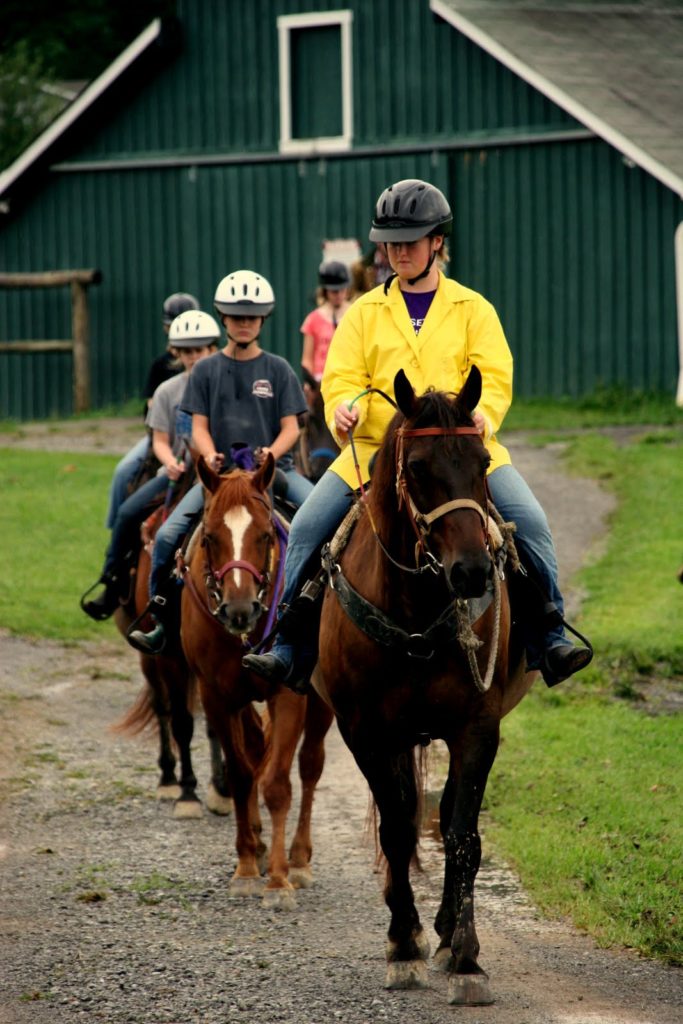
Credit: cha.horse
Test Ride And Observe Behavior
Test riding a horse and watching its behavior are key steps in choosing the right horse. This stage lets you feel the horse’s personality and riding style. You gain a better idea if the horse fits your needs and skill level.
Careful observation during the test ride helps avoid future problems. You notice how the horse reacts to commands and different situations. These insights ensure a safer and more enjoyable experience for both you and the horse.
Assessing Comfort And Control
Start by checking your comfort on the horse. See if the saddle feels right and if you can sit balanced. Pay attention to how the horse moves. Smooth, steady gaits show good training and health.
Try simple commands like walking, stopping, and turning. The horse should respond quickly and calmly. Feeling in control builds your confidence and trust with the horse. If the horse feels too fast or slow, it might not match your riding style.
Behavioral Red Flags
Watch for signs of fear or aggression during the ride. Sudden movements or refusal to obey commands can be warning signs. Look for excessive head tossing, biting, or kicking. These behaviors can cause danger.
Also observe the horse’s reaction to new sights or sounds. Nervousness or panic may indicate poor training. A good horse stays calm and focused in different situations. Avoid horses that show consistent bad behavior during the test ride.
Seek Expert Advice
Finding the right horse involves more than just visiting stables. Experts provide valuable insights that save time and avoid mistakes. Their knowledge helps match your needs with the best horse. Seek advice from those who know horses well. They understand horse behavior, health, and training. This guidance makes the journey easier and safer.
Working With Trainers And Vets
Trainers see many horses and riders. They know which horses fit different skill levels. Trainers can assess a horse’s temperament and training needs. They also spot potential problems early. Vets check the horse’s health thoroughly. They look for soundness, injuries, or illnesses. A vet’s opinion ensures the horse is healthy and fit. Their advice helps avoid costly surprises later.
Consulting Experienced Riders
Experienced riders share practical knowledge from years of riding. They know how horses behave in real situations. Riders can tell if a horse’s style suits your riding goals. They offer tips on handling and care. Their stories help you understand a horse’s personality better. Learning from riders builds confidence in your choice.

Credit: www.ebay.com
Plan For Financial Commitment
Owning a horse is a big responsibility. It needs more than just love and care. Planning your money is very important before buying a horse. Horses need regular care and this costs money. Setting a clear budget helps avoid surprises. Think about how much you can spend on buying and caring for your horse.
Budgeting For Purchase And Care
The first step is deciding how much to spend on the horse. Prices vary a lot depending on breed, age, and training. Don’t forget the cost of equipment like saddle and bridle. Also, count the expenses for daily needs. Food, grooming, and stable fees add up every month.
Regular vet check-ups keep your horse healthy but cost money. Horses also need shoes, which require a farrier every few weeks. These costs are ongoing and should fit your budget. Planning ahead makes horse ownership easier and less stressful.
Unexpected Costs To Anticipate
Horses can have sudden health problems or injuries. Emergency vet visits can be expensive. It helps to have savings for these surprises. Weather can also affect costs. Extra heating or shelter may be needed in winter.
Sometimes, horses need special feed or medication. Training or transportation may add extra costs too. Knowing these possible expenses keeps you ready. Being prepared protects your horse and your wallet.
Prepare For Transition And Training
Bringing a new horse into your life is a big step. It requires patience and care to help your horse adjust smoothly. Preparing for transition and training sets a strong base for a happy partnership. This phase helps your horse feel safe and ready to learn.
Settling In Your New Horse
Give your horse time to get used to the new place. Keep the routine calm and steady. Feed at the same times each day. Let your horse explore the area slowly. Watch for signs of stress or discomfort. Speak softly and move gently around your horse. This builds trust and comfort. Avoid sudden changes in the environment or schedule. A calm start helps your horse feel secure.
Ongoing Training And Development
Training is a continuous process. Start with simple tasks and clear commands. Be patient and consistent in your approach. Reward good behavior with gentle praise or treats. Keep training sessions short but regular. Pay attention to your horse’s responses. Adjust the training to match your horse’s pace. Focus on building a strong bond through trust. Proper training improves safety and enjoyment for both of you.

Credit: www.youtube.com
Frequently Asked Questions
What Factors Should I Consider Before Choosing A Horse?
Consider your riding skill, horse’s temperament, size, age, and intended use. Matching these ensures safety and enjoyment.
How Do I Determine The Right Horse Breed For Me?
Research breeds based on your riding goals, experience, and environment. Each breed suits different activities and skill levels.
Where Can I Find Reliable Horses For Sale?
Check reputable breeders, equestrian centers, and online horse marketplaces. Always inspect and test ride before buying.
What Questions Should I Ask Before Buying A Horse?
Ask about the horse’s health, training, behavior, and history. Knowing these helps avoid surprises and ensures compatibility.
Conclusion
Finding the right horse takes time and patience. Think about your skills and goals first. Visit different horses to see their behavior. Trust your feelings when you meet a horse. Ask questions and learn from experienced riders. A good match makes riding safe and fun.
Keep your horse’s needs in mind always. Enjoy the journey of finding your perfect horse. It will be worth the effort in the end.