
Many horse owners, breeders, and enthusiasts want to know: When do horses stop growing in height? This question matters for many reasons. Growth affects training schedules, health management, tack fitting, and predicting a horse’s future size. But the answer is not simple. Horses grow at different rates. Breed, genetics, nutrition, and environment all play roles. Understanding how and when horses reach their final height helps you make better decisions for their care and development.
This article breaks down the science and real-world experience behind horse growth. You’ll learn what affects a horse’s height, how growth patterns differ by breed, and what signs to watch for as your horse matures. We’ll cover common myths and mistakes, share practical tips, and provide clear comparisons.
Whether you’re raising a foal, buying a young horse, or just curious, you’ll find the answers you need in plain, easy-to-read English.
The Basics Of Horse Growth
Horses, like most mammals, start life small and grow rapidly. Growth happens in two main phases: skeletal growth (bones lengthening and thickening) and muscle/fat development. Height is mainly determined by the length of the legs and spine. Once the growth plates in these bones close, the horse’s height stops increasing.
Most horses are born standing about 40–50% of their adult height. The first year sees the fastest growth. By age two, they have reached much of their final height, but not all. The remaining growth happens more slowly, often unnoticed.
Growth Plates And How They Work
Bones grow from special areas called growth plates (physes). These plates are soft and flexible in young horses. Over time, they harden and close. When a growth plate closes, that part of the bone stops getting longer. In horses, the closure of growth plates happens in stages. Legs close earlier than the spine and hips.
- The cannon bone growth plates close at about 8–12 months.
- The radius and tibia (forearm and lower leg) plates close at 2–3 years.
- The vertebrae (spine) plates may stay open until 5–6 years.
This means horses may keep growing taller, especially in the body, until 4–6 years old.
Breed Differences In Growth Rates
Not all horses grow at the same speed or stop at the same age. Breed is a major factor. Let’s compare how growth patterns vary among popular breeds.
| Breed | Average Final Height (hands) | Age Growth Stops (years) |
|---|---|---|
| Thoroughbred | 15.2–17 | 4–5 |
| Quarter Horse | 14–16 | 3–4 |
| Arabian | 14.1–15.1 | 4–5 |
| Draft Horse | 16–19 | 5–7 |
| Pony (Welsh, Shetland, etc.) | 10–14 | 2–3 |
As you can see, draft horses and larger breeds grow for a longer time. Ponies reach maturity fastest, often by age two or three. Medium-sized breeds like Quarter Horses and Arabians mature around four. Thoroughbreds, bred for speed and size, usually finish growing by five. These numbers are averages. Individual horses may vary.
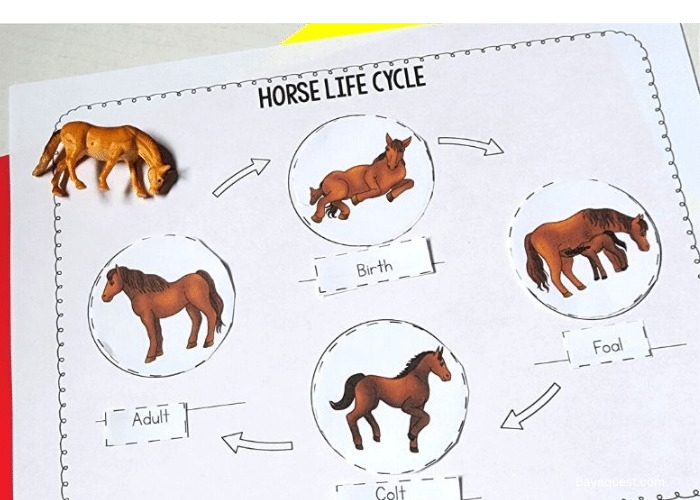
Credit: www.bayequest.com
Factors Influencing When Horses Stop Growing
Height growth is not only about age and breed. Other factors play important roles. Here are the main influences:
- Genetics: Parents’ size and growth patterns are strong predictors.
- Nutrition: Balanced diet is vital. Undernutrition slows growth. Overfeeding can cause health issues.
- Health: Illness or injury may affect growth.
- Exercise: Proper movement supports bone and muscle development.
- Gender: Stallions and geldings often grow longer than mares.
Let’s look at some of these in more detail.
Genetics
A horse’s potential height is set by its DNA. If both parents are tall, the foal will likely grow taller. But genetics only set the upper limit. Environment and care decide if the horse reaches that limit.
Nutrition
Foals and young horses need protein, vitamins, minerals, and energy. The most important nutrients for growth are:
- Protein: Builds muscle and tissue.
- Calcium and phosphorus: For bone strength.
- Vitamin D: Helps absorb calcium.
Poor nutrition during growth can cause stunted height or weak bones. Too much energy (grain, sugars) can lead to rapid growth, which may stress the joints and cause problems like developmental orthopedic disease (DOD). Balance is key.
Health And Exercise
Regular movement helps bones grow strong. Horses kept in stalls with little exercise may have slower bone development. Health issues, especially infections or joint problems, can pause or slow growth.
Gender Differences
Male horses (stallions and geldings) often grow for a longer period than females (mares). Mares usually stop growing a bit earlier. The difference is usually small, but noticeable in some breeds.
Growth Timeline: Year-by-year Development
It helps to see how horses grow each year. Here’s a typical growth timeline for an average-sized horse:
| Age | Approx. % Final Height | Development Highlights |
|---|---|---|
| Birth | 40–50% | Foal stands, drinks milk |
| 6 months | 60–70% | Weaning, starts solid food |
| 1 year | 75–80% | Rapid leg growth |
| 2 years | 85–90% | Most leg bones finished |
| 3 years | 90–95% | Body fills out, muscle develops |
| 4–5 years | 98–100% | Final height reached, back/hips mature |
Growth slows after the first two years. Most horses will reach close to their final height by three, but their bodies keep changing. The chest widens, hips broaden, and muscles fill out. The spine and hips may grow until five or six.

Credit: equineink.com
Signs Your Horse Has Finished Growing
How can you tell if your horse has stopped growing in height? There are several signs to look for:
- Stable height measurements: No increase for 6–12 months.
- Mature body shape: Chest, hips, and back look full.
- Closed growth plates: Confirmed by X-ray (if needed).
- Age: Most horses over five are done growing.
Some owners use a measuring stick or tape regularly. If your horse’s height at the withers doesn’t change for a year, it’s likely finished.
Measuring Horse Height: The Right Way
Horse height is measured in hands. One hand equals four inches (10.16 cm). The measurement is taken from the ground to the highest point of the withers (the ridge between the shoulder blades).
Steps to measure:
- Stand your horse on level ground.
- Use a horse measuring stick or tape.
- Place the stick or tape at the withers.
- Record the height in hands and inches.
Example: If a horse measures 64 inches at the withers, divide by 4. Result: 16 hands.
Tips:
- Measure at the same time of day.
- Keep the horse relaxed and standing straight.
- Young horses may shift posture; repeat measurements for accuracy.
Common Myths About Horse Growth
Many people believe things about horse growth that aren’t true. Let’s clear up a few:
- All horses stop growing at 2 years old.
- False. Most horses keep growing until at least 4, often longer.
- Height is fixed at birth.
- False. Foals grow rapidly in the first year.
- Ponies grow slower than horses.
- False. Ponies mature faster.
- Nutrition can make a horse taller than its genetics allow.
- False. Nutrition helps reach genetic potential, but can’t exceed it.
Risks Of Early Training And Overfeeding
Some owners rush training or push for faster growth, hoping to get a taller, stronger horse sooner. This can backfire.
Early Training
Training young horses before their bones are mature may cause injuries. Jumping, heavy riding, or intense work before age three increases the risk of joint problems. Wait until growth plates close.
Overfeeding
Feeding too much grain or high-calorie diets can cause rapid growth. This stresses the bones and joints, leading to issues like DOD. Stick to balanced feed, plenty of hay, and avoid excessive grain.
Practical Tips For Managing Growing Horses
Raising a healthy horse takes planning. Here are practical tips for supporting your horse’s growth:
- Feed balanced meals: Use quality hay, suitable grain, and mineral supplements.
- Allow exercise: Turnout in pastures helps bones and muscles develop.
- Monitor weight: Keep growth steady, not too fast or slow.
- Check height monthly: Early signs of poor growth can be fixed.
- Work with your vet: Regular checks and advice are important.
When Do Ponies Stop Growing?
Ponies are smaller than horses, but their growth pattern is different. Most ponies reach their final height between two and three years old. Some miniature breeds finish even earlier. Ponies tend to mature faster because their bones close sooner.
Key points:
- Ponies reach adult height by age two or three.
- Growth plates close earlier than in horses.
- Nutrition and care matter just as much.
Comparing Growth Patterns: Horse Vs Pony
Let’s see how ponies differ from horses in growth:
| Type | Age at Final Height | Height Range (hands) |
|---|---|---|
| Pony | 2–3 years | 10–14 |
| Horse (average) | 4–6 years | 14–19 |
Ponies mature sooner, so training and care can start earlier. But don’t rush. Let their bones finish growing before intense work.
How Environment Affects Growth
A horse’s surroundings play a big role in its development. Here’s how:
- Space: Horses need room to move, run, and play. This builds strong bones.
- Climate: Extreme cold or heat can slow growth. Shelter helps.
- Social interaction: Horses in herds grow better. Stress can stunt growth.
If you raise a horse in a small stall or poor climate, growth may be slower and final height lower.
How To Estimate Adult Height In Foals
Owners often ask: “How tall will my foal be?” Estimating final height is tricky but possible.
Methods
- Parent height prediction: Average the height of sire and dam.
- Foal measurement formula: At six months, measure the leg length from knee to hoof. Multiply by four. This gives a rough estimate in inches.
- Growth charts: Some breeds have charts based on age and height.
These methods are not exact. Genetics, care, and health can change the outcome.
Late Bloomers: Horses That Grow After Age Five
Most horses finish growing by five. But some, especially large breeds or stallions, may keep growing until six or seven. This is called “late blooming. ” It is rare, but possible.
Signs of late growth:
- Height increases after age five.
- Body shape changes, hips broaden.
- Growth plates stay open longer.
Late bloomers need special care. Avoid heavy training until growth is finished. Watch for signs of joint stress.
Growth Disorders And How To Spot Them
Some horses have growth problems. These can be caused by genetics, diet, illness, or injury.
Common Disorders
- Developmental orthopedic disease (DOD): Bones, joints, or cartilage grow abnormally.
- Stunted growth: Horse is much shorter than expected.
- Overgrowth: Rare, but some horses grow too fast.
Signs to watch for:
- Limping, swelling in joints.
- Uneven body shape.
- Slow or rapid growth rates.
If you see these, talk to your vet. Early action can prevent serious problems.
The Role Of Veterinary Checks In Growth Management
Regular veterinary checks are key for growing horses. Vets can spot signs of growth problems, recommend diet changes, and help guide training.
What vets check:
- Bone health (X-rays, physical exam)
- Joint function
- Nutrition status
- Parasite control
Annual checks help keep your horse on track for healthy growth.

Credit: www.springlaneranch.com
The Impact Of Growth On Training And Performance
A horse’s growth stage affects training. Here’s what you need to know:
- Young horses: Gentle handling, basic skills, no heavy work.
- Three-year-olds: Light riding, groundwork. Avoid jumping or fast galloping.
- Four-five-year-olds: Most ready for full training.
- Older horses: Focus on fitness, skill, and performance.
Training too early can cause injuries. Waiting for growth to finish protects your horse.
Comparing Horse Growth To Other Animals
Horses grow slower than some pets, faster than others. Here’s a quick comparison:
| Animal | Age at Final Height |
|---|---|
| Dog (large breeds) | 1.5–2 years |
| Cat | 1 year |
| Horse | 4–6 years |
| Cow | 2–3 years |
Horses need patience and careful management during their longer growth period.
Real-world Examples: Growth In Different Breeds
Let’s look at two real cases:
Case 1: A Thoroughbred colt grew rapidly in his first year, reaching 85% of his sire’s height. He slowed in year two, and finished growing by age five. His owner delayed jumping training until after his fifth birthday. The result: a strong, healthy horse.
Case 2: A Welsh pony filly reached her full height by age two. She started light training at three and was fully mature by four. Early maturity allowed safe, early training.
These cases show how breed and careful management affect growth.
Non-obvious Insights Most Owners Miss
Many owners think height is fixed early or that fast growth is always good. But:
- Growth plates in the spine and hips close later than in legs. This means the horse’s back and hip height may increase even after the legs have stopped growing.
- Muscle and fat development may change the horse’s appearance, making it look taller or shorter, even when height stays the same. A mature, muscled horse often appears taller and stronger.
Understanding these details helps avoid mistakes in training, feeding, and buying.
Summary: Key Points About When Horses Stop Growing
- Most horses stop growing in height between 4–6 years old.
- Breed, genetics, nutrition, and care all affect growth.
- Ponies finish sooner, often by 2–3 years.
- Growth plates in legs close first, spine and hips last.
- Late bloomers may grow until 7 years.
- Balanced diet, exercise, and vet checks are vital.
- Training should match the horse’s growth stage.
Frequently Asked Questions
When Do Most Horses Stop Growing In Height?
Most horses reach their final height between 4 and 6 years old. Smaller breeds and ponies mature faster, sometimes by age two or three. Large breeds, like draft horses, may keep growing until seven.
Can Nutrition Affect How Tall My Horse Will Be?
Nutrition helps your horse reach its genetic potential. A balanced diet with proper protein, minerals, and vitamins is important. However, no amount of feeding can make a horse taller than its genes allow.
How Can I Tell If My Horse Has Finished Growing?
Stable height measurements over several months, mature body shape, and age (usually over five) are signs your horse has stopped growing. X-rays can confirm closed growth plates if needed.
Is It Safe To Start Heavy Training Before A Horse Stops Growing?
No. Heavy training before bones are mature can cause injuries. Wait until your horse is at least four or five, or when your vet confirms growth plates are closed.
Do Male Horses Grow Taller Than Females?
Often, yes. Stallions and geldings may grow for a longer period and reach slightly taller heights than mares. The difference is usually small, but noticeable in some breeds.
For more scientific detail on horse growth and bone development, see Wikipedia’s horse page.
Understanding when horses stop growing in height lets you plan better care, training, and management. Each horse is unique, so watch for signs, work with your vet, and enjoy watching your horse mature into its full size.