
Many people have heard the rumor: horses are used to make glue. This idea often sparks curiosity and concern, especially among animal lovers. The image of majestic horses ending up in glue factories can be unsettling. But is there truth behind this belief? Or is it just an outdated myth? The answer is more complex than a simple yes or no. To really understand, we need to look at history, science, and the modern glue industry.
This article explores whether horses can be used to make glue, how this process works, what’s changed over time, and what alternatives exist today. We will also discuss ethical issues, the chemistry behind glue, and common misconceptions. By the end, you’ll have a clear, fact-based understanding of this controversial topic.
What Does It Mean To “use Horses To Make Glue”?
Let’s start with the basics. The phrase “horses are used to make glue” refers to the practice of turning certain parts of a horse’s body, mainly the hooves, bones, and hides, into adhesive products. These animal parts contain high amounts of collagen, a protein that becomes sticky when processed. For centuries, glue made from animal collagen was common for woodworking, bookbinding, and other crafts.
Many people picture healthy horses being sent directly from pastures to glue factories. In reality, the situation is different. Historically, animals used for glue were often those that had died naturally or were no longer useful for work, such as old, sick, or injured horses.
The main reason horses were used is not unique to their species—many livestock animals, including cows and pigs, can also provide the same raw materials for glue.
The Science: Why Horses (and Other Animals) Can Be Used To Make Glue
Collagen: The Key Ingredient
Collagen is a protein found in connective tissues, bones, tendons, and skin. When boiled in water, collagen turns into gelatin, which has strong adhesive properties. Animal glue is simply gelatin that is purified and concentrated. Horse hooves, bones, and hides are especially rich in collagen, making them suitable for glue production.
The main steps to create glue from animal parts are:
- Collection: Gather hooves, bones, or hides.
- Cleaning and chopping: Remove dirt and cut into small pieces.
- Boiling: Simmer the pieces in water to extract collagen.
- Filtering: Remove solids from the sticky solution.
- Evaporation and concentration: Thicken the solution to create glue.
This process works for many animals, not just horses. In fact, cows and pigs are used more often today because their parts are more available from the meat industry.
Why Not Just Use Plants Or Chemicals?
Modern chemistry has created many synthetic glues that do not need animal products. These glues are often cheaper, stronger, and more consistent in quality. However, animal glue still has some special uses, such as in restoring antique furniture, musical instruments, and traditional woodworking. This is because animal glues can be reversed (dissolved in water and heat), which is helpful for repairs.
Historical Context: Horses And Glue Factories
18th And 19th Century Practices
For much of history, animal glue was the main adhesive available. In the 1700s and 1800s, glue factories operated near cities, using bones and hides from slaughterhouses. Horses, being large and commonly used for transport and farming, provided a steady supply of material when they died or were put down.
A famous example is the Elmer’s Glue brand in the United States. Many people think the cow mascot means glue is still made from animals, but this is not the case today. The mascot is only a nod to the history of glue making.
The Shift To Synthetic Glues
After World War II, the chemical industry expanded, and synthetic adhesives (such as polyvinyl acetate or PVA) became standard. These glues are made from petroleum products and do not use animals. Today, most glue found in schools, offices, and homes is synthetic.
Let’s compare traditional animal glue to modern synthetic glue:
| Type | Source Material | Main Uses | Reversibility | Common Today? |
|---|---|---|---|---|
| Animal Glue | Hides, bones, hooves (horses, cows, pigs) | Woodworking, bookbinding, art restoration | Yes (water and heat) | Rare, special uses |
| Synthetic Glue | Petrochemicals, plastics | General purpose, crafts, construction | No | Very common |
Myths And Misunderstandings
Many people believe that horses are still a major source of glue today. This is not true in most countries. The myth may come from:
- Old cartoons or jokes about sending “old horses to the glue factory”
- The history of animal glue making
- Confusion about the ingredients in household glues
Why The Myth Endures
A few factors keep the story alive:
- Animal glue is still made for specialized markets, though usually from cows or pigs.
- Horse slaughter is controversial and often in the news, so rumors spread easily.
- Glue brands with animal mascots (like Elmer’s) add to confusion.
The Reality In Modern Factories
Today, almost all commercial glue is vegan-friendly and made from synthetic materials. Animal glue is a niche product for professionals in restoration or musical instrument repair. Even then, cows and pigs are used far more than horses.
How Is Animal Glue Made? The Process Explained
If animal glue is still produced, what does the process look like? Here’s a closer look at how animal-derived adhesives are created:
- Sourcing Materials
- Factories collect bones, hooves, and hides from slaughterhouses.
- These by-products are often from cattle and pigs due to availability.
- Cleaning and Preparation
- Raw materials are washed and trimmed.
- Bones are sometimes degreased to remove fat.
- Boiling and Extraction
- The cleaned parts are boiled in water under controlled conditions.
- Collagen breaks down and dissolves in water, creating a thick, sticky liquid.
- Filtering and Thickening
- The liquid is filtered to remove solid pieces.
- It is then concentrated by evaporation.
- Drying and Packaging
- The glue may be dried into sheets, granules, or powder.
- Sometimes, preservatives are added for shelf life.
- Distribution
- Most animal glue today is sold to specialty markets, not general consumers.
This process does not require the animal to be killed just for glue; instead, it uses leftover materials from the meat industry.
Are Horses Still Used To Make Glue Today?
In most developed countries, horses are rarely used for glue production today. There are a few reasons:
- Fewer horses are slaughtered compared to cows and pigs.
- Synthetic glues are cheaper and more efficient.
- The public is more sensitive about animal welfare, especially for horses.
However, in some regions, if a horse dies and the body is processed, its parts can be used for glue, just as with other livestock. This is rare and typically not the main purpose for slaughter.
Global Differences
Horse slaughter is banned or highly restricted in many countries, including the United States. However, some countries still process horse meat and by-products. In these cases, some glue may come from horse parts, but this is a tiny fraction of the market.
Here’s a comparison of animal glue production by region:
| Region | Common Animal Sources | Horse Use | Main Glue Type Used |
|---|---|---|---|
| United States | Cows, pigs | Rare, mostly banned | Synthetic |
| Europe | Cows, pigs, some horses | Possible, but rare | Synthetic, with niche animal glue |
| Asia | Cows, pigs, fish | Possible in some regions | Synthetic and animal |
Ethical Issues And Animal Welfare
Many people feel uncomfortable with the idea of using horses, or any animals, for glue. This concern is understandable. Here are some ethical aspects to consider:
Is Glue Production Cruel To Horses?
Animal glue production does not require horses to be killed specifically for glue. Most glue made from animals uses leftover materials from the meat industry. In countries where horse slaughter is illegal, this is not an issue.
Environmental Impact
Synthetic glues, while animal-free, are made from petroleum and can have their own environmental effects, such as contributing to plastic pollution. Animal glue is biodegradable and less toxic, but its production depends on the meat industry.
The Modern Trend
Many glue companies now advertise cruelty-free or vegan products, responding to consumer demand. If you want to avoid animal products, look for glues labeled as PVA, cyanoacrylate, or epoxy—these are all synthetic.
Animal Glue Vs. Synthetic Glue: Pros And Cons
To better understand why animal glue is still used in certain cases, let’s compare the two types:
| Feature | Animal Glue | Synthetic Glue |
|---|---|---|
| Adhesion Strength | Good for wood, varies by batch | Very strong, consistent |
| Water Resistance | Poor, dissolves in water | Often waterproof |
| Repairability | Easy to fix, reversible with heat/water | Usually permanent, hard to reverse |
| Cost | Higher, specialty item | Low, mass-produced |
| Eco-Impact | Biodegradable, uses waste | Non-biodegradable, uses oil |
| Animal Welfare | Uses animal by-products | Animal-free options available |
Animal Glue In Modern Times: Where Is It Still Used?
Despite advances in technology, animal glue remains in use for certain crafts and restorations. Some examples:
- Musical Instrument Repair
- Violins, cellos, and pianos are often made with animal glue because it allows parts to be separated and repaired without damage.
- Bookbinding
- Traditional bookbinders use animal glue for its flexibility and reversibility.
- Fine Art Restoration
- Museums and conservators prefer animal glue for authentic repairs of old artwork and frames.
- Woodworking
- High-end furniture makers sometimes use animal glue for antique reproductions.
- Specialty Crafts
- Some crafts, such as making Japanese “Nihon shikki” lacquerware or Chinese ink sticks, still use animal glue.
If you are not involved in these fields, you are unlikely to encounter animal glue in daily life.
Alternatives To Animal Glue: Modern Options
Concerned about animal welfare? You have many choices. Here are common animal-free adhesives:
- Polyvinyl Acetate (PVA) Glue: White glue, wood glue, school glue.
- Cyanoacrylate: “Super glue,” strong and fast-setting.
- Epoxy: Two-part adhesive, very strong, used in construction.
- Urethane Adhesives: Waterproof, flexible.
- Hot Melt Glue: Thermoplastic, used in glue guns.
These glues are made from petrochemicals and do not use animal parts. Most are safe, strong, and widely available.
What Happens To Horses After Death?
If a horse dies naturally or is euthanized, what happens to its body? Options include:
- Burial: Many owners choose to bury their horse.
- Cremation: Another respectful option, but expensive.
- Rendering: The body is processed to recover usable materials—fat, protein, and bones. Some of these materials may be used in animal feed, fertilizer, or rarely, glue.
- Landfill Disposal: In some areas, horse bodies are taken to landfills.
Rendering is the only process that might result in horse parts being used for glue, but this is rare and not the main use of rendered material.
Is Glue Ever Labeled As “animal-based”?
Most glues do not list all ingredients on the packaging. However, specialty animal glues are usually labeled as such because buyers need to know for restoration or conservation work. If you see hide glue, bone glue, or gelatin glue, it may be animal-derived.
Mainstream glues (school glue, wood glue, super glue) are synthetic and safe for vegans.
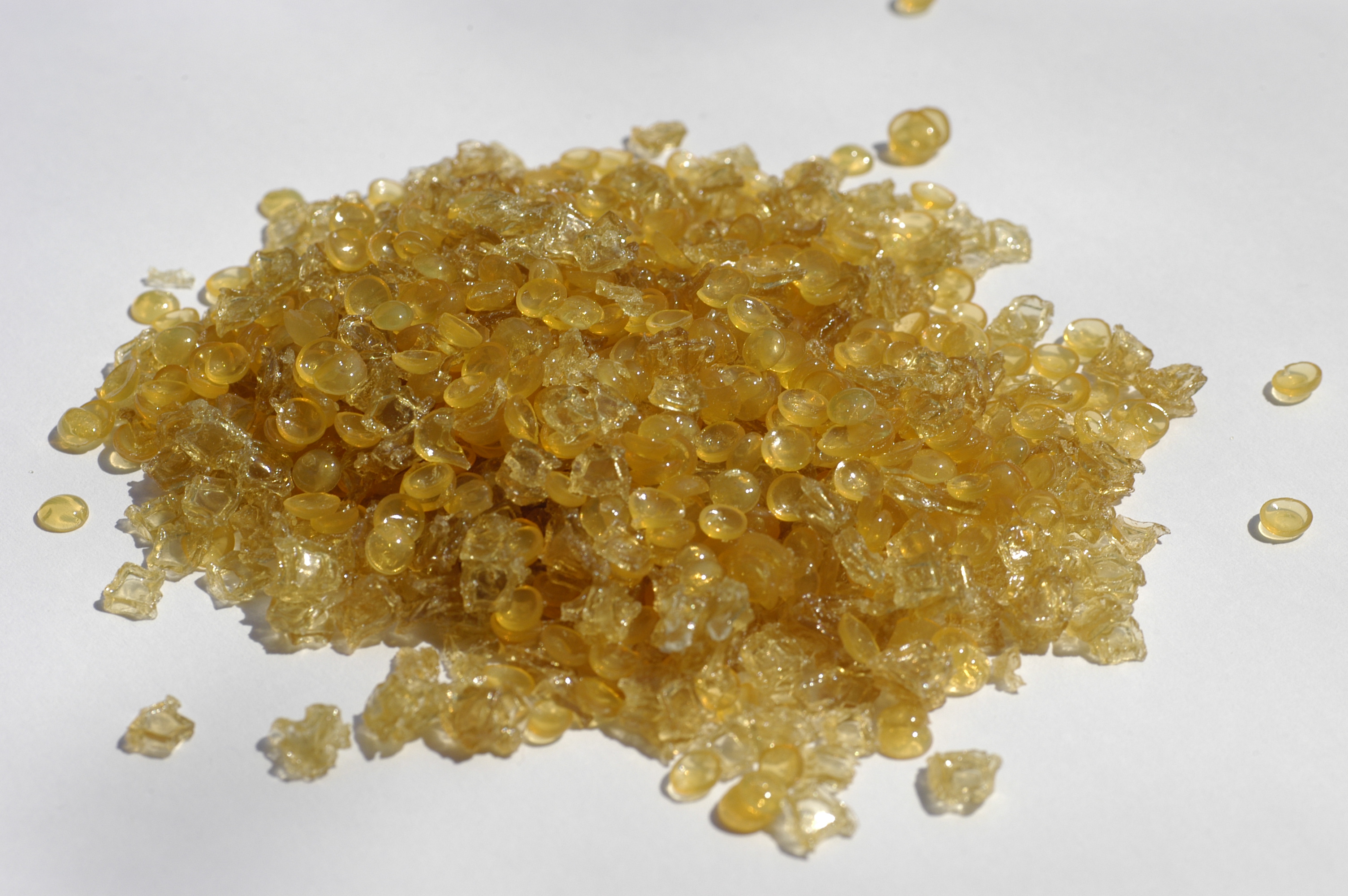
Credit: en.wikipedia.org
Animal Glue In Other Cultures
Animal glue has a long history in many cultures:
- Asia: Fish glue and gelatin have been used for art, lacquerware, and calligraphy.
- Europe: Hide and bone glue were key for furniture and bookbinding.
- Middle East and Africa: Animal glue has been used in mosaics, woodworking, and even musical instruments.
Today, many of these traditional methods are replaced by modern adhesives, but some artisans continue old practices for authenticity.
Non-obvious Insights Most People Miss
Here are two facts that surprise many beginners:
- The “horse glue” myth is mostly cultural, not technical. The idea that horses are the main source for glue is much more common in stories, cartoons, and jokes than in real industrial practice. Cows and pigs have always been the primary sources because of their higher numbers and meat industry by-products.
- Animal glue has unique chemical properties that modern glues cannot always match. For example, animal glue’s reversibility is essential for museum-quality restorations. Synthetic glues are permanent, which means mistakes or future repairs can ruin valuable objects.
:max_bytes(150000):strip_icc()/hero-abcc039fcd3f48a89c83efb1c4ce7d63.jpg)
Credit: www.treehugger.com
Environmental And Health Considerations
Synthetic glues are not perfect. Many contain chemicals that release volatile organic compounds (VOCs), which can cause air pollution and health problems if inhaled in large amounts. Animal glue does not have these risks, but it does depend on animal agriculture, which has its own environmental footprint.
Biodegradability is also a point to consider. Animal glue breaks down naturally and does not leave microplastics, while synthetic glues can persist in landfills for many years.
Famous Brands And Their Ingredients
People often ask about popular glue brands:
- Elmer’s Glue: 100% synthetic, no animal products.
- Gorilla Glue: Polyurethane-based, synthetic.
- Titebond: Offers both synthetic and animal hide glue options.
If you need to be sure, check the manufacturer’s website or product labels.
For more about glue chemistry and history, see the Animal glue Wikipedia page.
The Future Of Glue: Innovation And Sustainability
The glue industry is evolving. New research focuses on:
- Bio-based adhesives: Made from plants, such as soy protein or starch, offering a middle ground between synthetic and animal-based glues.
- Recyclable and compostable glues: Designed for easy removal and recycling of materials.
- Medical glues: Some surgical adhesives still use animal-derived gelatin, but alternatives are growing.
Sustainability is a key trend. As consumers ask for greener products, companies are investing in better, safer adhesives.
Final Thoughts: Should You Worry About Horses In Glue?
For most people, the answer is no. Modern glue does not use horses. Animal glue is a small, specialized market, and cows or pigs are the main sources. If you are concerned about animal welfare, choose synthetic or bio-based glues, which are widely available.
The old myth about horses and glue has some truth in history, but not in modern practice. Today, you can use glue with confidence, knowing that almost all products are animal-free.

Credit: www.youtube.com
Frequently Asked Questions
Do Companies Still Use Horses To Make Glue?
No, horses are almost never used to make glue today. Most animal glue comes from cows or pigs, and almost all commercial glue is synthetic. Horses were used more in the past, but not anymore.
Is Elmer’s Glue Made From Horses Or Cows?
No, Elmer’s Glue is completely synthetic. It does not use any animal parts. The cow mascot is just a reference to the history of glue making, not the ingredients.
Are Animal Glues Still Used For Anything Today?
Yes, but only for specialty uses like musical instrument repair, art restoration, and traditional woodworking. These glues are mostly made from cows or pigs, not horses.
How Can I Tell If A Glue Is Vegan Or Animal-free?
Look for labels such as PVA, cyanoacrylate, or epoxy. These are synthetic glues and do not use animal products. Specialty animal glues are usually clearly labeled as “hide glue” or “bone glue.”
What Glue Should I Use If I Am Concerned About Animal Welfare?
Choose synthetic glues (like white glue, super glue, or epoxy) or new bio-based adhesives made from plants. These are widely available and do not use animal ingredients.
If you want to understand how glue is made, or want the safest and most ethical choice, always check the product label or manufacturer’s website. Modern adhesives offer plenty of options for everyone’s needs and values.