
Have you ever wondered how horses first came to roam the vast lands of North America? Horses Introduced to North America, Imagine a time when these majestic animals were completely unknown here, and then picture the dramatic changes their arrival brought to the people and landscapes.
Understanding how horses were introduced to North America can change the way you see history, nature, and even your connection to these incredible creatures. Keep reading to discover the fascinating story that will surprise you and deepen your appreciation for horses in this part of the world.
Early Arrival Of Horses
Horses have a long history in North America. They did not always live here. Their story starts many thousands of years ago. Understanding their early arrival helps us see how horses shaped the land and cultures.
Prehistoric Migration
Horses first came to North America during the Ice Age. They crossed from Asia over a land bridge called Beringia. This land bridge connected Siberia and Alaska. The horses moved south, spreading across the continent. They adapted to different climates and environments. These early horses looked different from today’s breeds.
Extinction And Absence
About 10,000 years ago, horses disappeared from North America. Scientists believe climate change and human hunting caused this. No horses lived here for thousands of years after that. Native people had no horses to ride or use. This absence changed when Europeans brought horses back in the 1500s.
Credit: awionline.org
Spanish Reintroduction
Horses once disappeared from North America thousands of years ago. The Spanish reintroduced them in the late 15th and early 16th centuries. This event changed life for many Native American tribes. Horses helped with travel, hunting, and trade. They became a vital part of many cultures. The Spanish brought horses on their colonial expeditions. These animals then spread across the continent over time.
Colonial Expeditions
Spanish explorers arrived on North American shores with horses. These animals were essential for exploring new lands. Horses helped carry supplies and people over long distances. The Spanish used them in battles and to control territory. Horses also made it easier to hunt wild animals. Early expeditions often depended on horses for survival. The animals quickly adapted to the new environment. They thrived on the open plains and grasslands.
Spread Across The Continent
Horses escaped or were traded to Native American tribes. Tribes learned to ride and breed horses. This skill transformed their way of life dramatically. Horses allowed faster travel and better hunting success. Tribes could follow buffalo herds across large areas. The animals also helped in wars and trade between tribes. Over decades, horses spread from the Southwest to the Great Plains. They became a symbol of power and freedom for many people.
Impact On Indigenous Cultures
The introduction of horses to North America changed many Indigenous cultures deeply. Horses became part of daily life and influenced traditions and survival. They shaped how people moved, hunted, and fought. The arrival of horses brought new ways to live and work across the land.
These animals helped Indigenous groups travel farther and faster. They also changed hunting methods and made warfare different. Horses created new opportunities but also challenges. Their impact is still seen in many cultures today.
Changes In Mobility
Horses allowed Indigenous people to travel long distances quickly. They could explore new lands and connect with other groups. Moving goods and supplies became easier and faster. Horses reduced travel time and made life more flexible. Many tribes moved from farming to nomadic lifestyles. This shift changed how communities lived and worked together.
Hunting And Warfare
Hunting large animals like bison became easier on horseback. Hunters could chase herds and catch prey more efficiently. Horses also changed the way tribes fought battles. Warriors used horses to move quickly and strike hard. This gave them advantages over enemies without horses. Battles became faster and more strategic. The horse became a symbol of power and skill in war.
Ecological Effects
The introduction of horses to North America changed many natural systems. These animals affected land, plants, and animals in several ways. Understanding their ecological effects helps us see their role beyond just being animals for travel and work.
Horses influenced the way land was used and how native species lived. Their presence created new challenges and changes in ecosystems that still matter today.
Grazing And Land Use
Horses eat a lot of grass and plants. This grazing changes the types of plants in an area. Some plants grow less because horses eat them too much. Others may spread more because horses avoid them.
Grazing by horses can cause soil to become loose or compacted. This affects water flow and plant growth. Over time, the land may look very different from before horses arrived.
Horses also create paths as they move. These trails change how animals and water move across the land. This impacts the shape and health of fields and forests.
Interactions With Native Species
Horses compete with native animals for food and space. Deer, elk, and bison may have less grass to eat because horses take some. This can make life harder for native species.
Some predators started to hunt horses. This added a new food source for animals like wolves and mountain lions. It changed the balance of predators and prey.
Horses also helped spread seeds of many plants. Their movement helped plants grow in new places. This changed which plants grew where, affecting many animals.
Modern Horse Populations
Modern horse populations in North America show a rich mix of wild and domesticated horses. These horses reflect a long history of survival, adaptation, and human care. Understanding these groups helps us appreciate their role today.
Wild Mustangs
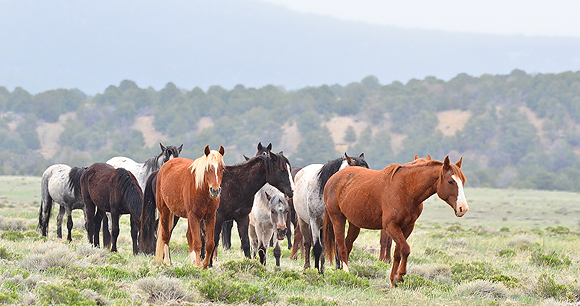
Wild mustangs roam many parts of the western United States. They are free-roaming horses descended from horses brought by Spanish explorers. These horses survive without human help, living on grass, water, and natural shelter. Mustangs are strong and hardy, adapted to harsh conditions. They symbolize freedom and the wild spirit of North America. Their numbers are managed to balance nature and human interests.
Domesticated Breeds
Domesticated horses in North America come in many breeds. Each breed has traits suited for work, sport, or companionship. Popular breeds include Quarter Horses, Thoroughbreds, and Arabians. Farmers, riders, and trainers use these horses for ranch work, racing, and leisure. Domesticated horses rely on humans for food, care, and shelter. They show a close bond between people and animals that has lasted centuries.

Credit: www.youtube.com

Credit: www.pbs.org
Frequently Asked Questions
Horses Introduced to North America
When Were Horses First Introduced To North America?
Horses were first introduced to North America by Spanish explorers in the late 15th and early 16th centuries. This reintroduction transformed Indigenous cultures and ecosystems significantly. Before this, horses had been extinct on the continent for thousands of years.
Which Explorers Brought Horses To North America?
Spanish explorers, including Hernán Cortés and Francisco Vásquez de Coronado, brought horses during their expeditions in the early 1500s. Their arrival helped with transportation, hunting, and warfare, influencing Native American societies and European colonization efforts.
How Did Horses Impact Native American Cultures?
Horses revolutionized Native American life by improving mobility, hunting efficiency, and trade. Tribes like the Plains Indians became skilled horse riders, which enhanced their social and economic status. Horses also altered warfare strategies among tribes.
Why Did Horses Become Extinct In North America Initially?
Horses became extinct in North America about 10,000 years ago due to climate change and overhunting by early humans. The species survived only in Eurasia until the Spanish reintroduced them centuries later.
Conclusion
Horses changed life in North America in many ways. They helped people travel faster and carry heavy loads. Native Americans used horses for hunting and farming. Horses also affected the land and other animals. Today, horses are part of culture and history.
Understanding their arrival helps us know more about the past. It shows how animals and people can shape each other. The story of horses in North America is full of change and growth. A simple animal made a big difference here. Thanks Reading “Horses Introduced to North America”
Creatures in the Deepest Part of the Ocean: Mysterious Life Unveiled