
Feeding horses is a topic that sparks many questions, especially for those new to horse care. One question often asked is: Is it safe to feed horses carrots? Carrots are popular treats for horses, and many owners use them for training, bonding, or simply as a snack. But are carrots always a good choice? What are the risks, benefits, and best practices? If you want clear answers and practical advice, you’re in the right place.
This article will help you understand everything about feeding horses carrots. We’ll look at the nutritional facts, safety concerns, and expert recommendations. You’ll also find real examples, common mistakes, and tips that most beginners miss. By the end, you’ll know how to use carrots safely, avoid dangers, and make the best choices for your horse’s health.
The Popularity Of Carrots As Horse Treats
Carrots are everywhere in barns and stables. They’re easy to find, affordable, and horses love their sweet taste and crunchy texture. Many horse owners use carrots for rewards during training, to encourage trust, or simply to show affection. Unlike processed horse treats, carrots are natural and don’t contain artificial flavors or chemicals.
But popularity doesn’t always mean safety. Some foods can be dangerous for horses, even if they seem harmless. Before offering carrots, it’s important to understand the facts behind their use.
Nutritional Profile Of Carrots
Carrots are mostly water, but they have several nutrients that can benefit horses.
| Component | Per 100g | Horse Benefit |
|---|---|---|
| Water | 88g | Hydration |
| Carbohydrates | 9g | Energy |
| Sugar | 4.7g | Sweet taste |
| Fiber | 2.8g | Digestive health |
| Vitamin A | 835μg | Vision, immunity |
| Potassium | 320mg | Muscle function |
| Calcium | 33mg | Bone strength |
Carrots are rich in vitamin A, which supports vision and immune function. They also contain fiber, helping digestion, and a moderate amount of sugar. For most healthy horses, these nutrients are positive, but they can cause problems if fed in excess.
Are Carrots Safe For All Horses?
The short answer is: Carrots are safe for most horses when given in moderation. But safety depends on the horse’s health, diet, and how the carrots are fed.
Healthy Adult Horses
For healthy adult horses, carrots are generally safe. They’re a low-calorie treat compared to grains or processed snacks. Most horses can enjoy 1–2 medium carrots daily without risk. Carrots can be used for training, enrichment, or simply for fun.
Horses With Special Health Needs
Some horses have health conditions that make carrots risky:
- Insulin resistance or metabolic syndrome: Horses with these problems cannot handle sugar well. Even the natural sugar in carrots can trigger symptoms or worsen their condition.
- Laminitis-prone horses: Laminitis is a painful hoof disease often linked to high sugar intake. For laminitic horses, carrot treats should be avoided or strictly limited.
- Obese horses: Extra calories from carrots can add up. For overweight horses, even small treats may delay weight loss.
Young Foals And Senior Horses
Carrots can be safe for young and old horses, but special care is needed. Foals and seniors may have sensitive teeth or difficulty chewing. Cut carrots into small, soft pieces to reduce choking risk.
Risks Of Feeding Horses Carrots
Carrots are natural, but they’re not risk-free. Here are the most important dangers to watch:
Choking Hazard
Choking is the biggest risk when feeding carrots. Horses chew quickly and may swallow large chunks. Choking can cause panic, breathing problems, or even death.
To prevent choking:
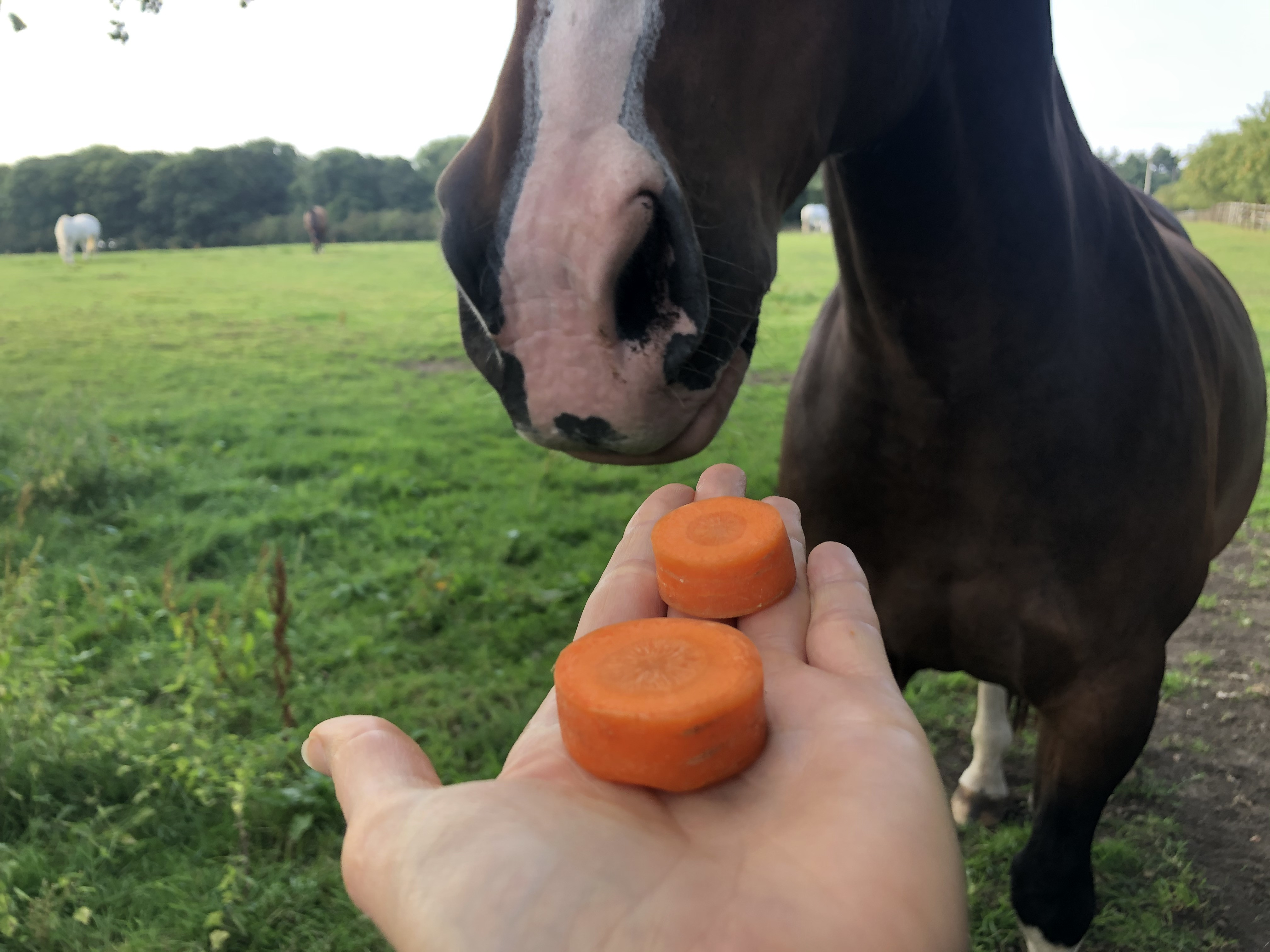
- Always cut carrots into small strips or slices.
- Avoid giving whole carrots, especially to horses with dental issues.
- Watch your horse while feeding treats.
Sugar And Calorie Content
Carrots contain natural sugars. For most horses, this is safe, but for some, even small amounts can cause trouble. Overfeeding can lead to weight gain or worsen metabolic conditions.
Many owners forget that treats add calories. If you feed carrots daily, adjust your horse’s regular feed to avoid overfeeding.
Allergies And Sensitivities
Rarely, horses may show allergy-like symptoms after eating carrots. Signs can include skin rashes, itching, or stomach upset. If your horse reacts poorly, stop feeding carrots and consult a vet.
Pesticides And Chemicals
Store-bought carrots may have pesticide residues. Wash carrots thoroughly or buy organic when possible. Never feed moldy or spoiled carrots—these can cause digestive problems or toxicity.
How Much Carrot Is Safe?
Knowing the right amount is key. Too much of anything—even a healthy treat—can cause problems.
Recommended Quantity
Most experts suggest:
- Healthy horses: Up to 2 medium carrots (about 100–150g) per day.
- Laminitic, insulin-resistant, or obese horses: No carrots, or only tiny amounts (less than 25g) if approved by a vet.
Practical Example
Imagine a horse weighs 500kg (about 1,100 lbs). If you feed 2 medium carrots daily, that’s about 10g of sugar. This is a small fraction of a horse’s daily diet, but for sensitive horses, even this amount can matter.
Avoiding Overfeeding
If you want to use carrots for training, cut them into thin slices or sticks. This way, your horse gets the fun of eating many pieces but receives less total sugar.
Comparing Carrots To Other Horse Treats
Carrots are just one option. How do they compare to apples, commercial treats, or hay cubes?
| Treat | Sugar (per 100g) | Fiber | Common Risks |
|---|---|---|---|
| Carrots | 4.7g | 2.8g | Choking, sugar |
| Apples | 10g | 2.4g | Choking, sugar |
| Commercial treats | 10–20g | 1–2g | Additives, sugar |
| Hay cubes | 1g | 6g | Choking |
Carrots have less sugar than apples or most commercial treats. They’re also higher in fiber than apples, but lower than hay cubes. This makes carrots a moderate choice—safer than many sweets, but not as diet-friendly as hay-based treats.

Credit: stablemanagement.com
Best Practices For Feeding Carrots
To keep your horse safe and healthy, follow these best practices:
Prepare Carrots Properly
- Wash carrots to remove dirt and chemicals.
- Cut carrots into long, thin strips or small cubes.
- Avoid feeding whole carrots to prevent choking.
Monitor Your Horse
Watch your horse’s reaction. Some horses gulp treats too quickly or have trouble chewing. If you notice coughing, drooling, or difficulty swallowing, stop feeding carrots and call your vet.
Adjust For Diet And Health
If your horse is on a special diet, ask your vet before adding carrots. For horses with metabolic problems, even small treats can be risky.
Use Carrots As Training Tools
Carrots are great for positive reinforcement. Slice them thinly and reward your horse during training. This keeps treat sizes small and prevents overfeeding.
Store Carrots Safely
Keep carrots in a cool, dry place. Spoiled carrots can cause digestive upset. If you see mold or softness, throw them away.
Non-obvious Insights: What Most Beginners Miss
Even experienced horse owners can miss a few key facts about feeding carrots:
- Carrot tops are safe in moderation. The green leafy part of the carrot is not toxic, but it’s less palatable. Horses may eat them, but the taste is bitter. Don’t feed large amounts—tops are high in oxalates, which can reduce calcium absorption.
- Carrot treats can affect medication timing. If your horse is on oral medication, treats can change how drugs are absorbed. Ask your vet if treats are okay with certain medicines.
- Carrots can mask dental problems. Horses with sore teeth may avoid hard foods. If your horse suddenly refuses carrots, it may signal a dental issue.
- Carrot treats can train unwanted behavior. Horses may start begging or nipping for treats if carrots are given too often. Use treats wisely to avoid bad habits.

Credit: www.wikihow.com
Scientific Studies And Expert Opinions
Research supports the safe use of carrots for most horses. A 2018 study by the University of Kentucky found that carrots, when given in small amounts, do not increase the risk of laminitis in healthy horses. However, horses with metabolic syndrome must avoid treats high in sugar, including carrots.
Veterinary nutritionists recommend using carrots as occasional rewards, not daily staples. They advise owners to monitor total sugar intake—especially for horses prone to metabolic disease.
The American Association of Equine Practitioners (AAEP) states that treats like carrots are safe in moderation but should never replace balanced feed.
Real-life Examples
Many horse owners share stories about using carrots:
- Training and Bonding: Sarah, a trainer in Colorado, uses thin carrot strips during groundwork. She finds that horses focus better and learn commands quickly when carrots are used as positive reinforcement.
- Dental Care: Mike, a stable manager, noticed his mare avoided carrots. After a dental check, he found sharp molars causing pain. Removing the sharp points allowed his horse to enjoy carrots again.
- Managing Laminitis: Anna’s pony developed laminitis. Her vet advised stopping all treats, including carrots. Anna switched to hay cubes and saw improvement in her pony’s health.
Mistakes To Avoid
Many beginners make simple mistakes that can lead to trouble:
- Feeding whole carrots: Increases choking risk.
- Ignoring health issues: Giving carrots to horses with metabolic problems can worsen their condition.
- Overfeeding: Daily treats add up. Too many carrots can cause obesity.
- Using carrots as a substitute for meals: Carrots do not supply all nutrients a horse needs.
Always think of carrots as a treat—not a main food source.
Alternatives To Carrots
If carrots aren’t safe for your horse, consider other options:
- Hay cubes: Low sugar, high fiber.
- Celery sticks: Low calorie, crunchy, but less tasty.
- Peppermint leaves: Natural and safe in small amounts.
- Commercial low-sugar treats: Designed for horses with special needs.
Ask your vet for recommendations based on your horse’s health.
Credit: www.ridingsequinevets.co.uk
Understanding Horse Digestion And Treats
Horses have sensitive digestive systems. Their stomachs are small, and their intestines are long. Sudden changes in diet can cause upset or colic.
Treats like carrots should be offered slowly, especially if your horse isn’t used to them. Introduce new foods gradually to avoid digestive problems.
How To Introduce Carrots Safely
If your horse has never eaten carrots, start with small pieces. Watch for signs of allergy or digestive upset. If all goes well, slowly increase the amount—but never exceed safe limits.
Carrots As Enrichment
Carrots can be part of enrichment activities:
- Hide carrot pieces in hay to encourage foraging.
- Use carrot slices in treat balls for mental stimulation.
- Offer carrot sticks for chewing, but always supervise.
Enrichment helps reduce boredom and keeps horses happy.
Special Care For Older Horses
Older horses may have dental problems or trouble chewing. Soften carrot slices by steaming or boiling for a few minutes. This makes them easier to eat and reduces choking risk.
Carrots And Horse Behavior
Carrots can change horse behavior. Used wisely, they build trust and reward good manners. Used too often, they encourage begging or nipping. Set clear boundaries and use treats for positive reinforcement only.
Summary Table: Safe Carrot Feeding Practices
Here’s a quick summary of safe carrot feeding:
| Practice | Benefit | Risk Avoided |
|---|---|---|
| Cut carrots into strips | Reduces choking | Choking |
| Wash before feeding | Removes chemicals | Pesticide exposure |
| Limit to 1–2 daily | Controls sugar | Obesity, laminitis |
| Monitor health | Detects allergies | Digestive upset |
| Use as reward | Training aid | Behavior problems |
Expert Guidance For Different Types Of Horses
Not all horses are the same. Here’s advice for different types:
Performance Horses
Carrots can be useful rewards, but keep amounts small. High-energy horses need balanced nutrition—don’t let treats interfere with their diet.
Companion Horses
Treats are great for bonding. Use carrots occasionally, but don’t let your horse expect them daily.
Horses With Special Diets
If your horse has a medical condition, always ask your vet before feeding carrots. Some horses must avoid all sweet treats.
Common Questions From Horse Owners
Many owners want to know:
- Are baby carrots safer? Baby carrots are the same as regular carrots, just smaller. They can still cause choking if not cut properly.
- Can horses eat carrot tops? Yes, but only in small amounts. The leafy part is safe, but not very tasty.
- What if my horse refuses carrots? Some horses don’t like carrots. Try other treats, but never force a horse to eat something it dislikes.
When To Avoid Carrots Completely
Some situations require strict avoidance:
- Horses with diagnosed metabolic syndrome or laminitis.
- Horses recovering from colic or digestive upset.
- Horses with severe dental problems.
In these cases, alternatives are better.
Final Thoughts: Making Smart Choices
Carrots are a popular, healthy treat for most horses. Used wisely, they’re safe, affordable, and loved by horses everywhere. But every horse is different. Know your horse’s health needs, prepare carrots safely, and use them in moderation. With good practices, carrots can be a great addition to your horse’s life.
If you’re unsure about your horse’s diet, talk to your vet or read more from trusted sources like the American Association of Equine Practitioners.
Frequently Asked Questions
Can Horses Eat Carrots Every Day?
Yes, most healthy horses can eat carrots daily, but limit to 1–2 medium carrots. For horses with health issues like laminitis or insulin resistance, avoid carrots or ask your vet.
Are Whole Carrots Dangerous For Horses?
Whole carrots can cause choking, especially in horses that chew quickly or have dental problems. Always cut carrots into small strips or cubes before feeding.
Is It Safe To Feed Baby Carrots?
Baby carrots are not safer than regular carrots. They’re smaller but still pose a choking risk. Cut baby carrots into thin slices for safety.
Can Horses Eat Carrot Tops?
Carrot tops are safe in small amounts. Most horses don’t like the taste. Don’t feed large quantities, as tops are high in oxalates.
What Are Signs Of Carrot Allergy In Horses?
Carrot allergy is rare. Signs include skin rash, itching, or stomach upset. If you notice these symptoms, stop feeding carrots and contact your vet.
Feeding carrots to horses is simple, but needs careful attention. Stay informed, use common sense, and enjoy the bond carrots can bring between you and your horse.
1 thought on “Is It Safe to Feed Horses Carrots? What Every Owner Should Know”