
There is something magical about riding a horse across Iceland’s wild landscapes. You feel the wind, see the endless views, and connect with a breed that has been shaped by centuries of living in harsh northern conditions. Whether you are an experienced rider or a total beginner, Iceland offers some of the world’s most unique places to ride horses.
But where exactly are the best spots? And what should you know before planning your adventure?
This guide dives deep into the best places to ride horses in Iceland, with practical details, safety tips, and insights that most travelers miss. You’ll learn about the landscapes, the unique Icelandic horse, and the riding experiences that make this country a dream destination for horse lovers.
Why Iceland Is Unique For Horse Riding
Iceland’s horse culture is like nowhere else. The Icelandic horse is a special breed, famous for its five gaits (including the smooth “tölt”). These horses are small, strong, and friendly. Because Iceland bans the import of other horse breeds, the Icelandic horse has stayed pure for over 1,000 years.
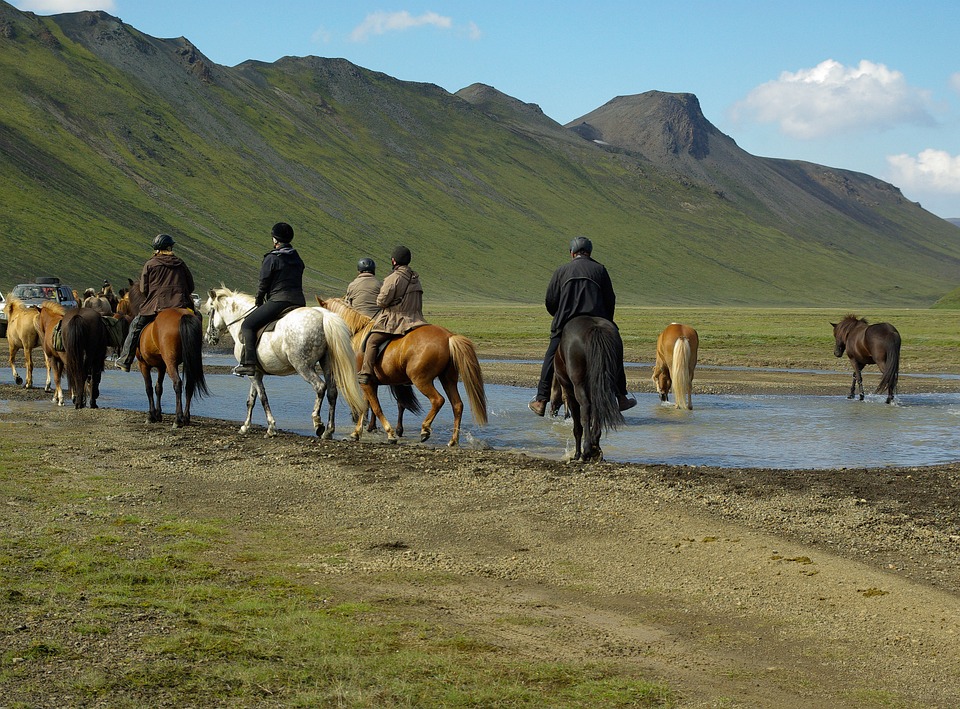
Iceland’s scenery is also diverse. You can ride over black sand beaches, through lava fields, into green valleys, or along the edges of waterfalls. The landscape changes quickly, and every ride feels different.
Here are two facts that surprise most beginners:
- Horse riding is possible year-round thanks to the hardy Icelandic horse and local guides who offer winter tours.
- You do not need to be an expert. Most tours are designed for riders of all levels, and the horses are patient and gentle.
Key Things To Know Before Riding In Iceland
Before you book a tour or plan your own ride, keep these points in mind:
- No foreign horses allowed: Iceland strictly bans the import of horses and used riding gear (to protect their horses from disease). If you ride in Iceland, you must use local horses and equipment.
- Weather changes fast: Even in summer, weather can shift from sunny to rainy or windy in minutes. Dress in layers and bring waterproof gear.
- Tours fit all skill levels: Most operators ask about your experience and match you with a suitable horse. Beginners are welcome.
- Safety is a priority: Guides are trained and the horses are calm. Still, always listen to instructions and wear a helmet.
Credit: www.kukucampers.is
The 7 Best Places To Ride Horses In Iceland
Let’s explore the top locations for horse riding. Each offers something different—scenery, adventure, history, and the chance to connect with Iceland’s nature.
1. South Coast (vík And Skógar)
The South Coast is famous for its black sand beaches, glaciers, and waterfalls. Riding a horse here lets you see sights like Reynisfjara Beach, the cliffs of Dyrhólaey, and the impressive Skógafoss waterfall.
Most riding tours start near the town of Vík. You can choose short rides along the beach or longer treks through green valleys and volcanic fields.
- Best for: Dramatic scenery, beach riding, beginners and experienced riders
- Popular providers: Vík Horse Adventure, Skálakot Manor
- Unique experience: Tölt along black sand, view sea stacks
2. Golden Circle (þingvellir, Geysir, Gullfoss)
The Golden Circle is Iceland’s most popular sightseeing route. It includes Þingvellir National Park (a UNESCO site), the geysers at Geysir, and the powerful Gullfoss waterfall.
Horse riding tours here often travel through ancient lava fields, grassy meadows, and the open plains. Some routes follow historic trails used for centuries.
- Best for: History, easy access from Reykjavík, family-friendly rides
- Popular providers: Eldhestar, Laxnes Horse Farm
- Unique experience: Ride near tectonic plates, see geysers from horseback
3. West Iceland (snæfellsnes Peninsula)
The Snæfellsnes Peninsula is sometimes called “Iceland in Miniature” because it has so many types of landscapes: lava fields, glaciers, beaches, cliffs, and volcanoes.
Riding tours here offer peaceful rides with views of the Snæfellsjökull Glacier, and often pass through small fishing villages. The peninsula is less crowded, so rides feel remote and wild.
- Best for: Variety, solitude, panoramic views
- Popular providers: Lýsuhóll Farm, Stóri-Kambur
- Unique experience: Ride toward glacier, spot seals
4. North Iceland (akureyri, Húsavík, Lake Mývatn)
North Iceland is known for its scenic valleys, volcanic landscapes, and vibrant horse culture. The area around Akureyri (the “Capital of the North”) is home to many horse farms.
You can ride along rivers, through birch forests, and even explore the strange lava formations near Lake Mývatn. In summer, the region has nearly 24 hours of daylight.
- Best for: Summer midnight rides, bird watching, geothermal scenery
- Popular providers: Polar Hestar, Hestasport
- Unique experience: Ride near hot springs, see midnight sun
5. East Iceland (egilsstaðir, Seyðisfjörður)
East Iceland is less visited, but offers quiet rides through green valleys, highland plateaus, and along fjords. The area is home to wild reindeer and a rich folklore.
Riding tours often pass waterfalls, old turf houses, and mountain views. The Hallormsstaður Forest is Iceland’s largest, and you can ride through its trails.
- Best for: Peaceful nature, forest riding, small groups
- Popular providers: Skorrahestar, Stóra-Sandfell
- Unique experience: Ride in Iceland’s biggest forest, spot reindeer
6. Westfjords (ísafjörður, Hrafnseyri)
The Westfjords are remote and dramatic, with steep cliffs, deep fjords, and almost no crowds. Horse riding here is more challenging, often on rough trails and steep slopes.
Tours usually run in summer, and often visit historic sites like Hrafnseyri (birthplace of Jón Sigurðsson, Iceland’s independence leader). The Westfjords are great for experienced riders seeking adventure.
- Best for: Remote wilderness, advanced riders, long treks
- Popular providers: Westfjords Adventures, Hesteyri
- Unique experience: Ride along fjord cliffs, see puffins
7. Reykjavík Area (mosfellsbær, Hafnarfjörður)
You don’t need to travel far to ride horses in Iceland. Several horse farms are close to Reykjavík, making them perfect for a quick ride or a family day out.
These farms offer short tours, lessons, and even “tölt” clinics. You can ride through meadows, along rivers, or near volcanic hills.
- Best for: Convenience, families, first-time riders
- Popular providers: Laxnes Horse Farm, Íshestar
- Unique experience: Learn tölt, ride with city views
Comparing The Top Regions For Horse Riding
To help you choose, here’s a comparison of the main regions for horse riding in Iceland:
| Region | Landscape | Best for | Tour Lengths | Skill Level |
|---|---|---|---|---|
| South Coast | Beaches, waterfalls, valleys | Dramatic scenery | 1-6 hours | All |
| Golden Circle | Lava fields, geysers | History, easy access | 1-5 hours | All |
| Snæfellsnes Peninsula | Glacier, coastline | Variety, solitude | 1-4 hours | All |
| North Iceland | Valleys, lava, rivers | Midnight sun, nature | 1-8 hours | All |
| East Iceland | Forests, fjords | Peaceful rides | 1-4 hours | All |
| Westfjords | Cliffs, fjords | Adventure, wilderness | 2-10 hours | Intermediate/Expert |
| Reykjavík Area | Meadows, hills | Convenience | 1-3 hours | All |
What Makes Icelandic Horse Riding Special?
The Icelandic horse is at the heart of every ride. Here are some reasons why riding them is so different:
- Five gaits: Unlike most breeds, Icelandic horses can “tölt,” a smooth four-beat gait that feels comfortable even for beginners.
- Pure breed: No other breeds are allowed in Iceland. This keeps the horses healthy and unique.
- Adapted for harsh weather: Icelandic horses are tough, used to cold and wind. You can ride them in almost any conditions.
- Friendly and calm: They are gentle, making them safe for children and new riders.
Most first-time riders notice the smoothness of the tölt and the confidence these horses inspire.
Choosing The Right Tour For You
There are hundreds of riding tours in Iceland. How do you pick the best one? Here’s what matters most:
1. Location
Choose a region that fits your travel plans. South Coast and Golden Circle are close to Reykjavík. North and East Iceland offer quieter rides.
2. Length
Tours range from 1-hour rides to multi-day treks. Short rides are good for beginners or families. Longer rides may cover more scenery and let you learn about the horse.
3. Group Size
Small groups mean more personal attention and a quieter experience. Larger groups are often cheaper but can feel less intimate.
4. Skill Level
Most tours fit all levels, but some (especially in Westfjords) require experience. Always check before booking.
5. Special Experiences
Some tours offer unique extras:
- Tölt clinics: Learn the special gait with expert trainers.
- Midnight sun rides: In summer, ride under the golden light at midnight.
- Winter rides: See snowy landscapes and sometimes northern lights.
Here’s a quick comparison of tour features:
| Tour Type | Duration | Includes | Suitable for |
|---|---|---|---|
| Short Ride | 1-2 hours | Guide, helmet, basic gear | Beginners, families |
| Half-Day | 3-5 hours | Snacks, guide, stops | All levels |
| Full-Day | 6-8 hours | Lunch, guide, scenery | Experienced riders |
| Multi-Day Trek | 2-7 days | Accommodation, meals | Intermediate/Expert |
| Tölt Clinic | 1-3 hours | Trainer, special instruction | All levels |
| Winter Ride | 1-4 hours | Guide, winter gear | All levels |
Practical Tips For Riding In Iceland
Even with gentle horses and expert guides, Iceland’s nature and weather require a bit of planning. Here are some tips that most beginners overlook:
- Dress in layers: The weather can change fast. Wear a base layer, a warm sweater, and a waterproof jacket.
- Wear sturdy shoes: Riding boots or hiking shoes work well. Avoid sneakers—your feet may get cold or wet.
- Bring gloves and a hat: Even in summer, mornings can be chilly.
- Use sunscreen: The wind and sun can burn your skin, especially on open plains.
- Don’t bring used riding gear: Iceland bans used riding equipment from abroad.
- Book early in summer: The main season (June-August) fills up quickly.
- Check skill requirements: Some tours are only for experienced riders.
- Listen to your guide: Icelandic horses have their own signals and habits. Guides will explain them.
- Keep your phone dry: If you want to take photos, use a waterproof case.
- Respect the horse: The Icelandic horse is proud and intelligent. Don’t treat it like a pet.
The Best Time Of Year To Ride
Horse riding is possible in all seasons, but each offers something different:
- Summer (June-August): Most daylight, warmest weather, busiest season, midnight sun rides possible.
- Spring/Fall (April-May, September-October): Fewer tourists, cooler weather, good for shorter rides.
- Winter (November-March): Snowy landscapes, northern lights, fewer tours (but magical atmosphere).
Most visitors choose summer for the best weather and range of tours. However, winter rides can be unforgettable, especially if you see the aurora borealis.
Unique Horse Riding Experiences In Iceland
Some experiences are truly special and only possible in Iceland:
Midnight Sun Rides
In June and July, the sun barely sets. You can ride late at night with golden light and silence. North Iceland is best for this.
Riding Near Volcanoes
Tours in the Golden Circle or Snæfellsnes offer rides through volcanic fields. You see lava, craters, and sometimes steam vents.
Beach Rides
The South Coast lets you tölt along black sand beaches with ocean views. Few places in the world offer this.
Multi-day Treks
Experienced riders can join 2-7 day treks, staying at farms or camps. You cross rivers, climb hills, and see parts of Iceland most tourists never reach.
Winter Snow Rides
Riding through snow is magical. The horses are strong and calm, and you may see northern lights. Bring warm clothes!
Safety And Health Considerations
Iceland is safe, but the landscape is wild. Guides are trained, and horses are steady, but you should still be careful:
- Always wear a helmet
- Follow guide instructions
- Avoid risky behavior (don’t run horses unless told)
- Inform your guide about allergies or injuries
- Stay hydrated—the air is dry
If you have health issues, check with your doctor before booking a ride. Most tours are gentle, but some long treks can be tiring.
The Icelandic Horse: History And Culture
The Icelandic horse is more than just a riding animal. It is part of Iceland’s culture and history.
- Brought by Vikings: The breed arrived with settlers over 1,000 years ago.
- No imports allowed: To protect the breed, Iceland bans all foreign horses and even used riding gear.
- Featured in sagas: Horses appear in old stories and are respected in Icelandic culture.
- Annual horse festivals: Every summer, Iceland holds horse competitions and shows, such as the Landsmót.
If you’re interested in learning more, visit a horse farm or museum. Many tours include stories about the horse’s history.
How Much Does Horse Riding In Iceland Cost?
Prices vary by region, tour length, and season. Here’s a rough guide:
- Short rides (1-2 hours): $50–$90 per person
- Half-day tours (3-5 hours): $100–$170 per person
- Full-day tours (6-8 hours): $180–$300 per person
- Multi-day treks: $700–$2,000 per person (includes lodging and meals)
- Tölt clinics: $60–$120 per person
Winter rides are often cheaper, but weather can limit options. Always check what’s included (gear, snacks, transport).
Booking Your Horse Riding Adventure
Most tours can be booked online. Here are some tips:
- Book in advance for summer and popular regions
- Read reviews to check safety and quality
- Confirm skill requirements
- Ask about weather cancellation policies
Some farms allow walk-in bookings, especially near Reykjavík. For longer treks or special experiences, reserve early.
Real-life Example: Riding On The South Coast
To see what a ride is like, let’s follow a typical tour near Vík:
- Arrival: You meet the guide at the farm, get a helmet and gear, and learn about the horses.
- Introduction: The guide explains how to sit, steer, and tölt.
- Start: You ride through green meadows, see sheep and birds, and head toward the beach.
- On the beach: The horse tölt along black sand, waves crash nearby, and you see cliffs and sea stacks.
- Return: After 1-2 hours, you return to the farm, say goodbye, and maybe enjoy coffee or cake.
Most riders say this is one of their best memories in Iceland.
Mistakes To Avoid When Riding In Iceland
Even experienced riders can make mistakes. Here are some common ones:
- Underestimating the weather: Always bring waterproof gear.
- Not listening to guides: Icelandic horses have their own cues.
- Booking last-minute in summer: Tours fill fast.
- Bringing used gear: It’s forbidden.
- Choosing the wrong tour: Make sure it matches your skill level.
Environmental Impact And Responsible Riding
Iceland’s nature is fragile. Always follow your guide and stick to trails. Avoid disturbing wildlife or leaving trash.
Some farms use eco-friendly practices and support local conservation. Ask about their efforts when booking.

Credit: mriceland.is
Where To Learn More
If you want to read more about Icelandic horses, their history, and riding culture, the official Iceland tourism site has detailed guides. Visit Visit Iceland for more.
Frequently Asked Questions
Is Horse Riding In Iceland Suitable For Beginners?
Yes. Most tours are designed for all skill levels. Guides match you with a gentle horse and teach basic riding techniques. The Icelandic horse is calm and friendly, making it easy for beginners.
What Should I Wear For Horse Riding In Iceland?
Dress in layers: a base layer, warm sweater, and waterproof jacket. Wear sturdy shoes (boots or hiking shoes), gloves, and a hat. Avoid bringing used riding gear from abroad—it’s not allowed.
Can Children Ride Icelandic Horses?
Absolutely. Most farms welcome children, sometimes as young as six. Horses are small and safe. Always check with the tour provider for age restrictions.
Are There Any Health Restrictions For Horse Riding?
Most tours are gentle, but those with back, knee, or balance issues should check with their doctor. Multi-day treks are more demanding. Inform your guide of any health concerns.
Do I Need Previous Riding Experience?
No. Many tours are beginner-friendly. Experienced riders can join advanced treks or clinics. Guides provide training and support for all levels.
Horse riding in Iceland is more than an activity—it’s a way to see the country’s beauty, connect with its history, and create lasting memories. Whether you ride along a black sand beach, under the midnight sun, or through snowy forests, you’ll experience Iceland in a way few other travelers do.

Credit: www.bookhorseridingholidays.com