
Horse racing is one of the oldest sports in the world. With a history that stretches back thousands of years, it has captured the imagination of people from all walks of life. From elegant events in royal courts to lively country tracks, this sport has grown into a global industry with deep roots in many cultures.
But why is horse racing important? Some may see it as just another form of entertainment or gambling, but the truth goes much deeper. Horse racing shapes economies, preserves traditions, drives innovation, and even helps communities. Understanding its importance requires looking at its many roles in society, business, culture, and beyond.
Economic Impact Of Horse Racing
Horse racing is a major industry worldwide. It generates billions of dollars each year, offering direct and indirect jobs to millions. In the United States alone, horse racing supports over 450,000 full-time jobs and creates an annual economic impact of more than $36 billion.
These numbers are not just limited to the racetracks.
The industry supports:
- Breeders: Farms where horses are bred and raised
- Trainers and jockeys: Responsible for preparing horses for races
- Stable staff: Care for the horses daily
- Vets and farriers: Provide medical and hoof care
- Food and equipment suppliers
- Tourism and hospitality: Hotels, restaurants, and local businesses benefit from racing events
Internationally, the economic effect is even larger. Countries like the United Kingdom, Japan, Australia, and France have thriving horse racing industries that contribute significantly to their economies. For example, the United Kingdom’s racing industry is worth about £4. 1 billion per year and supports 17,400 full-time jobs.
What many beginners often miss is the multiplier effect. Money spent at the racetrack doesn’t just stay there; it flows into local communities. Farmers who grow feed for horses, tailors who make jockey silks, and transport companies all benefit. This wide-reaching impact makes horse racing a pillar for many rural and urban economies.
Cultural And Historical Significance
Few sports have the rich traditions and long history of horse racing. Its roots go back to at least 4500 BC, where early races took place on the Central Asian steppes. Over time, civilizations such as Ancient Greece, Rome, Egypt, and China all adopted forms of horse racing. In Britain, the sport was formalized in the 17th century, becoming known as the “Sport of Kings.”
Horse racing is closely tied to national identity in many countries:
- The Kentucky Derby in the US is called “The Most Exciting Two Minutes in Sports.”
- The Melbourne Cup in Australia is so important that it’s a public holiday in some states.
- In Japan, the Japan Cup draws international attention and huge crowds every year.
Events like these are woven into the social fabric. They mark important moments in the calendar and bring together people of all ages and backgrounds. The traditions – from the playing of the bugle to the wearing of fancy hats – help keep cultural heritage alive.
A unique insight is that horse racing often reflects social change. For example, the integration of women jockeys, the growing involvement of minority trainers, and the expansion of global racing markets all mirror wider shifts in society.
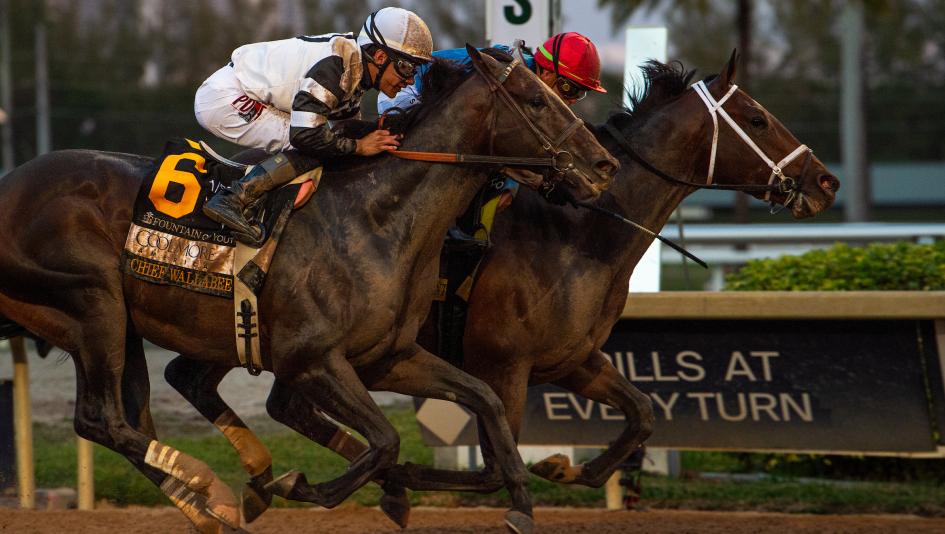
Credit: www.americasbestracing.net
Breeding And Animal Welfare
A key reason horse racing matters is its role in advancing equine genetics and care. Breeding racehorses is both an art and a science. Only the best horses are chosen as sires and dams, leading to continuous improvement in speed, stamina, and temperament.
This careful breeding has led to the development of famous breeds like the Thoroughbred, Standardbred, and Arabian. These horses are not just fast—they are genetically superior in terms of agility, heart size, and even intelligence. Racing pushes breeders to keep improving these traits.
Racing has also driven advances in veterinary science. New treatments for injuries, nutrition programs, and disease prevention methods often start in the racing world before spreading to other equestrian fields. For example, advances in diagnostic imaging for horses, like MRI and CT scans, were first adopted to help valuable racehorses recover from injuries.
Animal welfare is a complex topic in horse racing. There are strict rules to protect horses’ health and safety. Many countries have strong regulations for medication, track conditions, and aftercare. The best racing organizations invest in retraining and rehoming retired horses.
While problems do exist, the industry has made real progress in recent years. For example, in the UK, 86% of racehorses go into a second career after racing, such as showjumping or therapy work.
Technological Innovation
Horse racing is not stuck in the past. In fact, it has often been at the cutting edge of technology. From the invention of the photo finish camera in the 1940s to the use of digital timing systems today, technology has made races fairer and more exciting.
Here are some key innovations:
- Photo finish systems: Allow races to be decided accurately, even by a nose.
- High-speed cameras: Help stewards review incidents and ensure fair play.
- Wearable sensors: Monitor horse health and performance in real time.
- Track surfaces: Synthetic tracks reduce injuries and provide consistent conditions.
- Online betting platforms: Bring horse racing to a global audience.
One non-obvious benefit is that these innovations often spread to other sports and industries. For example, photo finish technology is now used in athletics, swimming, and cycling.
Technology has also improved safety for both horses and jockeys. For instance, new helmet designs and safety rails on tracks reduce the risk of serious injuries.

Credit: ontarioracing.com
Social And Community Value
Horse racing is more than just a sport; it is a social event that brings people together. At big races, crowds gather to cheer, celebrate, and socialize. Local race meetings in small towns often serve as important community gatherings.
Racing events raise large amounts for charity. Many tracks hold special days to support health causes, education, or disaster relief. The connection between racing and charity is long-standing, with events like the Grand National raising millions over decades.
Horse racing is also a gateway for young people to develop life skills. Many start by working with horses, learning responsibility, teamwork, and discipline. Riding programs, stable internships, and youth clubs give young people a way into the industry. For some, this is their first step into a rewarding career.
A subtle but important aspect is the role of racing in rural life. In many regions, the local racetrack is a major employer and social hub. Without racing, some small towns would lose a key part of their identity and economy.
Entertainment And Spectacle
The thrill of watching horses race at full speed is hard to match. Horse racing offers a unique blend of skill, chance, and excitement. The sight of powerful animals thundering down the stretch, jockeys urging them on, and crowds shouting in unison makes for a dramatic experience.
Horse racing also appeals to those who enjoy strategy and competition. Fans study form guides, track conditions, and jockey tactics. Betting adds another layer of excitement, though it is not essential to enjoying the sport.
Some of the world’s biggest racing events are watched by millions on TV and online. The Dubai World Cup, for example, offers a prize purse of $12 million, drawing the best horses, trainers, and fans from around the globe.
What many people overlook is the role of pageantry in racing. From opening ceremonies to fashion shows, music, and parades, racing events are more than just sport—they are celebrations of culture and style.
Tourism And Global Reach
Horse racing is a magnet for tourism. Major events attract visitors from all over the world, filling hotels and restaurants and boosting local businesses.
Here is a comparison of three famous races and their impact on tourism:
| Race | Country | Annual Attendance | Tourism Revenue |
|---|---|---|---|
| Kentucky Derby | USA | ~150,000 | Over $400 million |
| Melbourne Cup | Australia | ~100,000 | Over $200 million |
| Royal Ascot | UK | ~300,000 | Over £100 million |
These numbers show how racing events can transform a city or region for a few days. The visitors come not only for the races, but also for the festivals, concerts, and local sights that go with them.
International racing has grown rapidly in the last 20 years. Horses, trainers, and jockeys now travel between continents for major races. This globalization has made the sport more competitive and diverse. It also means that fans from anywhere can follow their favorite horses or teams, no matter where they are racing.
Education And Research
Horse racing plays an important role in education and research. Many universities and colleges offer programs in equine science, veterinary medicine, and racehorse management.
These programs cover areas like:
- Genetics and breeding
- Equine nutrition and health
- Training techniques
- Racecourse management
- Business and marketing
Research driven by racing often leads to breakthroughs that help all horses—not just athletes. Studies on biomechanics, injury recovery, and disease control can improve the lives of working, show, and pleasure horses.
Here is a quick look at how racing drives research:
| Field | Racing Impact | Broader Benefit |
|---|---|---|
| Veterinary Medicine | Better injury treatment | Improved care for all horses |
| Genetics | Advanced breeding science | Healthier horse breeds |
| Equipment Design | Safer gear for jockeys | Helmet innovations for other sports |
A non-obvious insight is that racing research sometimes helps human medicine. For example, studies on horse heart health have informed treatments for human athletes.
Horse Racing And Media
Media coverage has made horse racing one of the most visible sports in the world. Races are broadcast live on television and streamed online to millions. Major newspapers and websites provide analysis, interviews, and behind-the-scenes stories.
The media’s role is not just to entertain. It also helps spread information about responsible betting, animal welfare, and racing rules. Documentaries and books about famous races or horses inspire new fans and keep history alive.
Social media has given a voice to jockeys, trainers, and even horses (through their owners). Fans can follow their favorites, join debates, and share predictions. This has made racing more accessible and interactive than ever before.
Regulation And Fairness
Horse racing is a heavily regulated sport. Each country has its own governing bodies that set rules for competition, safety, and betting. These rules are designed to ensure a level playing field and protect both horses and humans.
Some key points about regulation:
- Drug testing is routine and strict. Horses found with banned substances are disqualified.
- Jockey safety is a top priority, with rules on weight, equipment, and conduct.
- Animal welfare standards cover everything from housing to transport and retirement.
- Betting regulation protects fans from fraud and ensures fair payouts.
Here is a quick comparison of regulatory bodies:
| Country | Main Regulator | Key Focus |
|---|---|---|
| USA | The Jockey Club | Breeding, safety, rules |
| UK | British Horseracing Authority | Welfare, integrity, licensing |
| Japan | Japan Racing Association | Racing, betting, welfare |
Regulation is not always perfect, but it is essential for the sport’s reputation and future. Fans and industry leaders are calling for even stricter rules to keep racing safe and fair.

Credit: www.americasbestracing.net
Philanthropy And Social Responsibility
Many people overlook the positive role of horse racing in philanthropy. The industry donates millions each year to support health, education, and animal welfare. Charities like the Permanently Disabled Jockeys Fund and retraining organizations for retired horses make a huge difference.
Racing also supports local causes. Race days often double as fundraisers for hospitals, schools, or disaster relief. This culture of giving back helps racing maintain strong ties with communities.
A unique insight is that many racehorse owners and breeders are deeply involved in charity work. Some set up foundations or sponsor events to support research, youth programs, or equine therapy for people with disabilities.
Environmental Stewardship
Horse racing has a special connection to the land. Many racetracks are built in green spaces, and breeding farms maintain large areas of pasture. This can have positive effects on the environment, such as:
- Preserving open land and wildlife habitats
- Supporting sustainable agriculture for horse feed
- Promoting responsible water use
Some tracks are even leading the way in eco-friendly practices. For example, they recycle water, use solar energy, and plant trees to offset their carbon footprint.
What’s often missed is that horse racing can help protect rural landscapes from overdevelopment. Breeding farms and training centers keep land in use for agriculture and recreation, rather than being converted to factories or housing.
Challenges And Controversies
No industry is without problems, and horse racing faces real challenges. These include:
- Animal welfare concerns: Some critics worry about injuries and the fate of retired horses.
- Illegal betting and match-fixing: Regulation helps, but illegal activity is a risk.
- Drug use: Some trainers have tried to cheat with banned substances.
- Public image: Incidents of cruelty or corruption harm trust in the sport.
The industry has responded with reforms, stricter rules, and greater transparency. For example, there are now databases to track every horse from birth to retirement, and independent inspections of training facilities.
It’s important to remember that most people in horse racing love their animals and want the sport to be safe and fair. Progress takes time, but the drive for improvement is strong.
The Future Of Horse Racing
Looking ahead, horse racing faces both risks and opportunities. Changing attitudes about animal welfare, advances in technology, and shifts in entertainment habits will all shape its future.
Some trends to watch:
- Growth of virtual racing and esports
- New betting technologies, like blockchain
- Expansion into new markets, especially in Asia and the Middle East
- Stronger focus on transparency and welfare
The most likely outcome is that horse racing will continue to evolve. It will keep its traditions but also embrace change, making the sport safer, fairer, and more exciting for everyone.
For more on the global history and influence of horse racing, see Wikipedia: Horse Racing.
Frequently Asked Questions
What Is The Main Purpose Of Horse Racing?
The main purpose is competition and entertainment. Horse racing tests the speed, stamina, and skill of horses and jockeys. It also serves as a major economic and social event in many countries.
How Does Horse Racing Help The Economy?
Horse racing creates jobs, supports businesses, and attracts tourism. The money spent on breeding, training, betting, and events flows into local and national economies.
Is Horse Racing Cruel To The Animals?
There are risks, but strict rules and modern veterinary care protect the horses. Most racing organizations work hard to ensure animal welfare and find second careers for retired racehorses.
Why Is Betting Important In Horse Racing?
Betting adds excitement and funds the sport. Wagering revenue supports prize money, facilities, and jobs. However, responsible gambling is always encouraged.
How Has Technology Changed Horse Racing?
Technology has made racing safer, fairer, and more global. Innovations like photo finish cameras, wearable sensors, and online betting platforms have improved every part of the sport.
Horse racing is important for many reasons—economic, cultural, social, and scientific. It brings people together, drives innovation, and supports communities. While it faces challenges, its value to society remains strong. For those willing to look beyond the surface, horse racing is much more than a day at the track—it is a living tradition that continues to shape our world.