
Horses have been a part of human life for thousands of years. From wild plains to cozy stables, these strong and graceful animals can be found in many places. People use horses for work, sport, therapy, and simple enjoyment. But where exactly can you find horses today?
The answer is more interesting and varied than most people think.
If you want to see, ride, or even own a horse, knowing where to look is important. Horses live in places designed for their needs, but some still roam free in nature. You might find them in the countryside, at busy racetracks, or in quiet therapy centers.
Whether you are a curious traveler, a future owner, or just a horse fan, understanding where horses live helps you connect with them better.
This article explores all the main places you can find horses, from wild spaces to city surprises. It covers working horses, sport horses, and even those you can meet online. You will learn about their natural homes, the best places to see them up close, and even the challenges they face in different environments.
If you want a full answer to “Where can you find horses? ”—you are in the right place.
Horses In The Wild
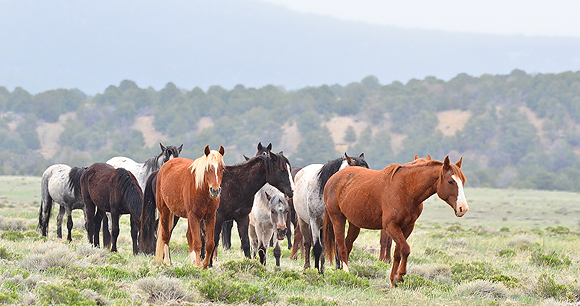
Most people imagine horses as farm animals, but many still live free in nature. Wild horses are not as common as before, but they exist in special areas around the world.
Wild Horse Populations
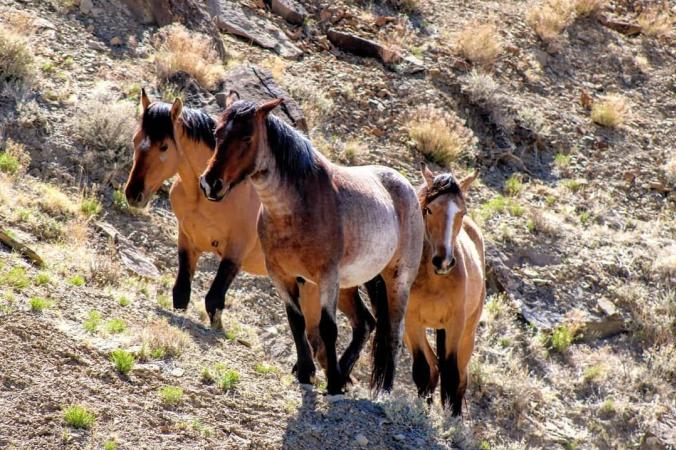
Wild horses are found in places where people let them roam. One famous group is the Mustangs in the United States. These horses live on public lands in western states like Nevada and Wyoming. Australia has the Brumbies, which run wild in the Outback. In Mongolia, the Przewalski’s horse is the last true wild horse left in the world.
These wild herds adapt to different landscapes: dry deserts, grassy plains, and even forests. They travel in groups, called bands, and eat what nature provides. Wild horses are protected in some countries, but in others, their numbers are controlled to protect the land.
National Parks And Preserves
Some wild horses live in areas set aside for them. For example, the Assateague Island National Seashore in the United States is home to famous wild ponies. In Europe, you can find the Konik horse in Polish and Dutch nature reserves.
National parks and protected lands give wild horses space to live without fences. Visitors can often see these horses from a distance. However, the rules are strict: you cannot feed or touch them, to keep them healthy and wild.
What Makes Wild Horses Special
It is important to understand that wild horses are not just “escaped” farm animals. Many have lived free for hundreds of years. They are adapted to survive on their own, and their behavior is different from horses raised by people.
Seeing wild horses is a unique experience, but it is also rare. Most horses you meet will be domesticated.
Horses On Farms And Ranches
The most common place to find horses is on farms and ranches. Here, horses are part of daily work or raised for pleasure riding.
Horses For Work
Many farms use horses for jobs like herding cattle, pulling carts, or moving equipment. In the past, horses did almost all heavy work on farms. Today, tractors replaced many of these tasks, but in some parts of the world, horses are still the main workers.
Ranches in the United States, Canada, and South America often use horses for cattle herding. “Cowboys” or “gauchos” ride horses to move cows across large areas. These horses are trained to be quick, smart, and calm under pressure.
Horses For Riding And Breeding
Many farms keep horses for riding, lessons, or breeding. Some breed special types for racing, jumping, or showing. Farms may have large open fields, cozy barns, and riding rings. Many small horse owners keep just one or two horses for family fun.
Farm horses are usually well cared for, with regular food, clean water, and shelter. They are often social animals, living with other horses or animals. If you want to ride or learn about horses, a local farm is a good place to start.
Horse Rescue Farms
Not all farms breed or sell horses. Some rescue horses from bad situations. Horse rescues take in animals that are sick, old, or unwanted. They give them medical care and a safe place to live. Many rescues also offer adoption, so people can give a horse a new home.
Horses At Equestrian Centers And Riding Schools
If you want to ride or learn about horses, an equestrian center or riding school is the place to go. These are centers for horse activities and education.
Types Of Equestrian Centers
Some centers focus on teaching beginners how to ride. Others offer advanced lessons in jumping, dressage, or western riding. Many have indoor arenas, outdoor tracks, and training equipment. There are also pony clubs for children, where kids learn horse care and riding.
Professional Training Facilities
Top athletes and trainers use special centers to prepare for competition. These centers have high-quality horses, expert staff, and even swimming pools for horse exercise. Some centers are famous, like the Spanish Riding School in Vienna, known for its white Lipizzaner stallions.
Community Riding Schools
In cities and suburbs, you may find small riding schools open to the public. These schools often have lesson horses, which are gentle and trained to work with all skill levels. They offer group or private lessons, pony rides, and sometimes summer camps.
Riding schools are also popular for therapy programs, helping people with disabilities gain confidence and strength.
Horses At Racecourses And Racetracks
Horse racing is one of the oldest sports in the world. Racecourses and racetracks are places where fast, athletic horses compete for prizes.
Types Of Racecourses
There are flat tracks for Thoroughbred racing, like the famous Kentucky Derby in the United States or Royal Ascot in the United Kingdom. There are also dirt and grass tracks, depending on the region. In France and Australia, grass tracks are common.
Harness racing uses a different breed, the Standardbred, which pulls a small cart called a sulky. These races are held at special tracks.
What You See At A Racetrack
Racecourses have stables for the horses, training areas, and big grandstands for people to watch. On race day, horses are groomed, saddled, and led out by handlers. Jockeys ride the horses at high speed, sometimes reaching over 60 km/h (37 mph).
Major racetracks draw large crowds and offer tours on non-race days. You can see horses up close in the paddock area before the race.
Behind-the-scenes
Many racehorses live at the track or in nearby training barns. Trainers, grooms, and veterinarians work with them daily. Some horses only race a few times each year but train almost every day.
Owning a racehorse can be expensive, but many people join syndicates to share the cost and excitement.
Credit: awionline.org
Horses In Zoos And Animal Parks
Not all zoos have horses, but some do, especially if they focus on native or rare breeds.
Rare And Native Breeds
Some zoos keep endangered horses, like the Przewalski’s horse, which nearly went extinct. Others show native breeds, such as the Exmoor pony in the UK or the Sorraia in Portugal. These horses help teach visitors about conservation and the history of horses in each country.
Petting Zoos
Smaller zoos or children’s farms often have ponies for petting and short rides. These ponies are usually calm and used to people. Petting zoos are a good place for young children to meet horses for the first time in a safe setting.
How Zoos Care For Horses
Zoos must meet strict rules for animal welfare. Horses in zoos get good food, vet care, and places to run. They may also take part in education programs or shows.
Horses In Therapy And Assistance Programs
Horses are not only for work and sport—they also help people heal. Equine therapy uses horses to support physical and mental health.
Types Of Equine Therapy
- Hippotherapy: Physical therapists use riding to help people with disabilities improve balance and strength.
- Equine-assisted psychotherapy: Mental health workers use horse activities to help people with stress, trauma, or anxiety.
- Therapeutic riding: Riding instructors and volunteers help children and adults build confidence through riding.
Therapy horses are chosen for their calm nature. They work with trained staff and often help people who cannot benefit from other therapies.
Where To Find Therapy Horses
Therapy programs are found at special centers, hospitals, and some riding schools. Many are non-profit organizations and rely on donations and volunteers. Waiting lists can be long, as these programs are very popular.
Why Horses Help
Horses sense human emotions and respond gently. Many people say horses understand them better than people do. For those who struggle with talking, working with a horse can be powerful.
Horses In Police And Military Service
Horses are still important for police and soldiers in many countries. Mounted police and cavalry units use horses for crowd control, patrol, and even ceremonies.
Mounted Police
Police on horseback are common in big cities, such as London, New York, or Paris. Horses help police move quickly through crowds, see over people, and stay visible. They are used at parades, protests, and sports events.
Mounted police horses are trained to stay calm around loud noises, traffic, and large groups. They work closely with their human partners.
Military Horses
Few armies use horses in battle today, but some still have ceremonial units. In the UK, the Household Cavalry uses beautiful black horses for state events. In India, the 61st Cavalry is one of the last horse-mounted regiments.
Some countries use horses for patrols in rough country, where vehicles cannot go. These horses carry supplies, search for people, and help in emergencies.
Horses In Festivals, Shows, And Tourism
Horses are part of many cultural events and tourist attractions.
Festivals And Parades
In Spain, the Feria de Abril in Seville features horses in colorful costumes. In the United States, the Rose Parade has horse teams and riders every year. Horses also appear in local fairs, rodeos, and medieval festivals.
Horse Shows
Horse shows are competitions with jumping, dressage, and other skills. Some, like the Dublin Horse Show or the Royal Windsor Horse Show, attract top horses and riders from around the world.
Shows also display rare breeds, driving events (horses pulling carriages), and even trick riding.
Horse Tourism
Tourists can ride horses on the beach, through forests, or in the mountains. Countries like Iceland and Argentina offer special riding tours to see wild places. In Egypt, visitors can ride horses near the pyramids.
Tourist stables provide horses and guides for all skill levels. Some offer overnight trips or “dude ranch” stays.
Horses In Private Homes And Small Holdings
Not all horses live on big farms or centers. Many people keep one or two horses at home.
Backyard Horses
In rural and suburban areas, families may have a small barn and field for their horses. These “backyard horses” are often pets, used for trail riding or family fun. Owners must provide good care: food, shelter, and vet visits.
Small Holdings
Some people keep horses on small pieces of land, called “small holdings” or “hobby farms. ” These horses may live with sheep, goats, or chickens. Managing a small herd teaches responsibility and animal care.
Zoning And Rules
Keeping a horse at home is not possible everywhere. Local rules may limit the number of animals or require special fencing. New owners should check local laws before bringing a horse home.
Horses In Historical Sites And Museums
History lovers can find horses in special places, too.
Living History Museums
Some museums use horses to show how people lived in the past. For example, Colonial Williamsburg in the United States has carriage horses and farm horses. In Europe, open-air museums show old ways of farming with horses.
Visitors can see horses plowing fields, pulling wagons, or even taking part in historical reenactments.
Castles And Palaces
Many old castles and palaces have horse stables open to visitors. For example, the Royal Mews in London displays royal carriages and horses. In Austria, the Spanish Riding School is a living museum of horse training.
Educational Programs
Museums often run horse care workshops or riding lessons. These programs teach children about horse history and animal welfare.

Credit: www.usatoday.com
Horses In Media And Online
Not all horses are found in real life. Many people meet horses through movies, books, or the internet.
Horses In Films And Tv
Movies like War Horse or Spirit: Stallion of the Cimarron show horses as heroes. TV shows often feature ranches or wild horses. These stories shape how people think about horses and inspire many to learn more.
Online Horse Communities
Many websites offer videos, live streams, or virtual tours of horse farms. Horse lovers share photos, stories, and training tips online. Some famous horses have their own social media accounts.
Horse Adoption Online
Rescue groups use the internet to find homes for horses in need. You can see photos, read stories, and even apply to adopt a horse from another state or country.
Horses In Unusual Places
Sometimes you find horses where you least expect them.
Urban Stables
A few big cities have riding stables in parks. For example, Central Park in New York offers horse-drawn carriage rides. In London, the Metropolitan Police keep horses near the city center.
Beaches And Resorts
Some resorts offer horse rides on the sand or in the water. These rides are popular in places like the Caribbean, Portugal, and Thailand.
Mountain And Desert Trails
Horseback riding is often the best way to explore remote places. In Morocco, you can ride Barb horses in the Sahara Desert. In the Rocky Mountains, outfitters lead horse pack trips for days at a time.
Science And Research Centers
A few research stations study horse behavior, health, or breeding. These centers may not be open to the public, but they are important for the future of horses.
Comparing Common Places To Find Horses
Here is a comparison of some of the most popular places to find horses, focusing on visitor experience, horse interaction, and learning opportunities.
| Location | Visitor Access | Horse Interaction | Learning Opportunities |
|---|---|---|---|
| Wild Reserves | Open, but limited by rules | Look only, no contact | High (guided tours, signs) |
| Equestrian Centers | Open to public, lessons | High (riding, grooming) | Very high (lessons, clinics) |
| Racecourses | Open on race days | Limited (viewing paddock) | Medium (tours, guides) |
| Zoos | Open to all | Low to medium (petting zoos) | High (displays, talks) |
| Private Homes | Private, by invitation | High (if you know owner) | Low to medium |
Factors That Affect Where Horses Live
Not every horse can live anywhere. There are important factors that decide where you can find horses.
Climate
Horses can live in many climates, but they need shelter from extreme heat or cold. In desert areas, horses need water and shade. In cold countries, warm barns are important.
Land And Space
Horses need space to move. A single horse should have at least 1–2 acres of land. Overcrowding leads to health problems. Some city stables use daily turnout in shared fields to meet this need.
Food And Water
Horses eat a lot—about 1. 5–2% of their body weight in hay or grass each day. Access to clean water is critical. In places with poor grass, people must buy extra feed.
Local Laws
Cities and towns often have rules about keeping horses. There may be limits on the number of horses, manure management, or fencing. Breaking these rules can lead to fines or losing the right to keep horses.
Cost
Caring for a horse is expensive. Costs include food, shelter, vet care, and equipment. In some places, boarding a horse (paying someone else to care for it) is more common than keeping one at home.
| Cost Factor | Average Monthly Cost (USD) | Notes |
|---|---|---|
| Boarding | $300–$800 | Depends on location and services |
| Feed | $100–$300 | Hay, grain, supplements |
| Vet/Farrier | $50–$150 | Shoes, vaccines, checkups |
| Equipment | $20–$50 | Repairs, new gear |
Social Needs
Horses are herd animals. Keeping a single horse alone can lead to sadness or stress. Many owners keep two or more horses, or pair a horse with other animals like goats or donkeys.
Credit: www.visitgrandjunction.com
Challenges And Trends In Finding Horses
As cities grow and land prices rise, finding horses near you may get harder. Wild horse populations face threats from loss of land and competition with farm animals. Many people now learn about horses online or through short-term tourist experiences instead of owning a horse.
However, there is a new interest in animal therapy and eco-tourism. More people want to see horses in nature or work with them to improve their well-being. Some cities are making space for horses in parks or community centers.
If you want to find horses, think about your goals. Do you want to see them, ride them, or just learn more? There are options for every interest and budget.
For a deeper look at wild horse conservation, see the Wikipedia wild horse article.
Frequently Asked Questions
Where Are Wild Horses Found Today?
Wild horses are mostly found in the western United States, Australia, and Mongolia. The best-known are the Mustangs in the US, Brumbies in Australia, and Przewalski’s horses in Mongolia. Some live in protected parks or reserves.
Can I See Horses In The City?
Yes, some big cities have riding stables in parks, mounted police, or horse-drawn carriages. Look for community riding centers, especially in places like New York or London.
How Much Space Does A Horse Need?
A single horse should have at least 1–2 acres of pasture for grazing and exercise. More space is better, especially for multiple horses. Horses also need a shelter or barn for bad weather.
Are There Places To Adopt A Horse?
Yes, many rescue centers and adoption groups help people adopt horses. You can find these organizations online. They often require a home check and adoption fee.
What Is The Difference Between A Wild Horse And A Feral Horse?
A wild horse has never been domesticated, like the Przewalski’s horse. A feral horse is descended from domestic horses that escaped or were released, like Mustangs or Brumbies.
Horses can be found in many places, from wild lands to city streets. Each place offers a different way to enjoy these amazing animals. Whether you dream of watching wild herds, riding in the mountains, or caring for a horse at home, there is a place for you.
The world of horses is bigger and richer than most people imagine—start exploring and discover where horses can be found near you.