
What is the Difference between Horse Chestnut And Sweet Chestnut, Have you ever come across chestnuts and wondered if all of them are the same? When it comes to horse chestnut and sweet chestnut, the differences might surprise you.
Knowing which one you’re dealing with can be important for your health, cooking, or even gardening. You’ll discover clear and simple facts that will help you easily tell these two apart. By the end, you’ll feel confident spotting the difference and understanding why it matters.
Keep reading to unlock the secrets behind horse chestnut and sweet chestnut!
Horse Chestnut Characteristics
The horse chestnut tree is a popular sight in many parks and streets. It stands out with its unique look and strong presence. Understanding its characteristics helps to tell it apart from the sweet chestnut. Below are key features of the horse chestnut tree.
Appearance And Size
The horse chestnut tree grows tall, reaching up to 40 feet or more. It has a broad, rounded crown that provides good shade. Its bark is thick and gray-brown with deep ridges as the tree ages. The trunk is sturdy and straight, supporting its large size well.
Leaves And Flowers
Leaves of the horse chestnut are large and palmate, meaning they spread out like fingers from one point. Each leaf usually has five to seven leaflets. In spring, the tree produces showy white flowers with red or yellow spots. These flowers grow in upright clusters called conical panicles.
Fruit And Seeds
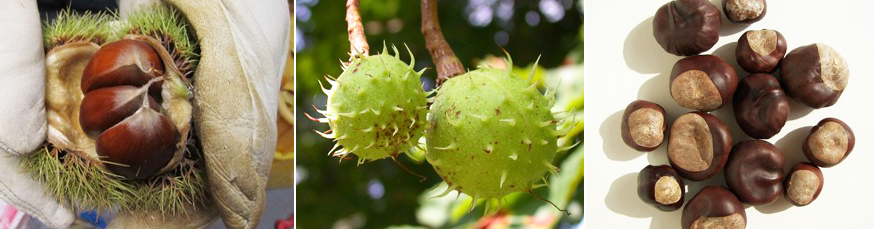
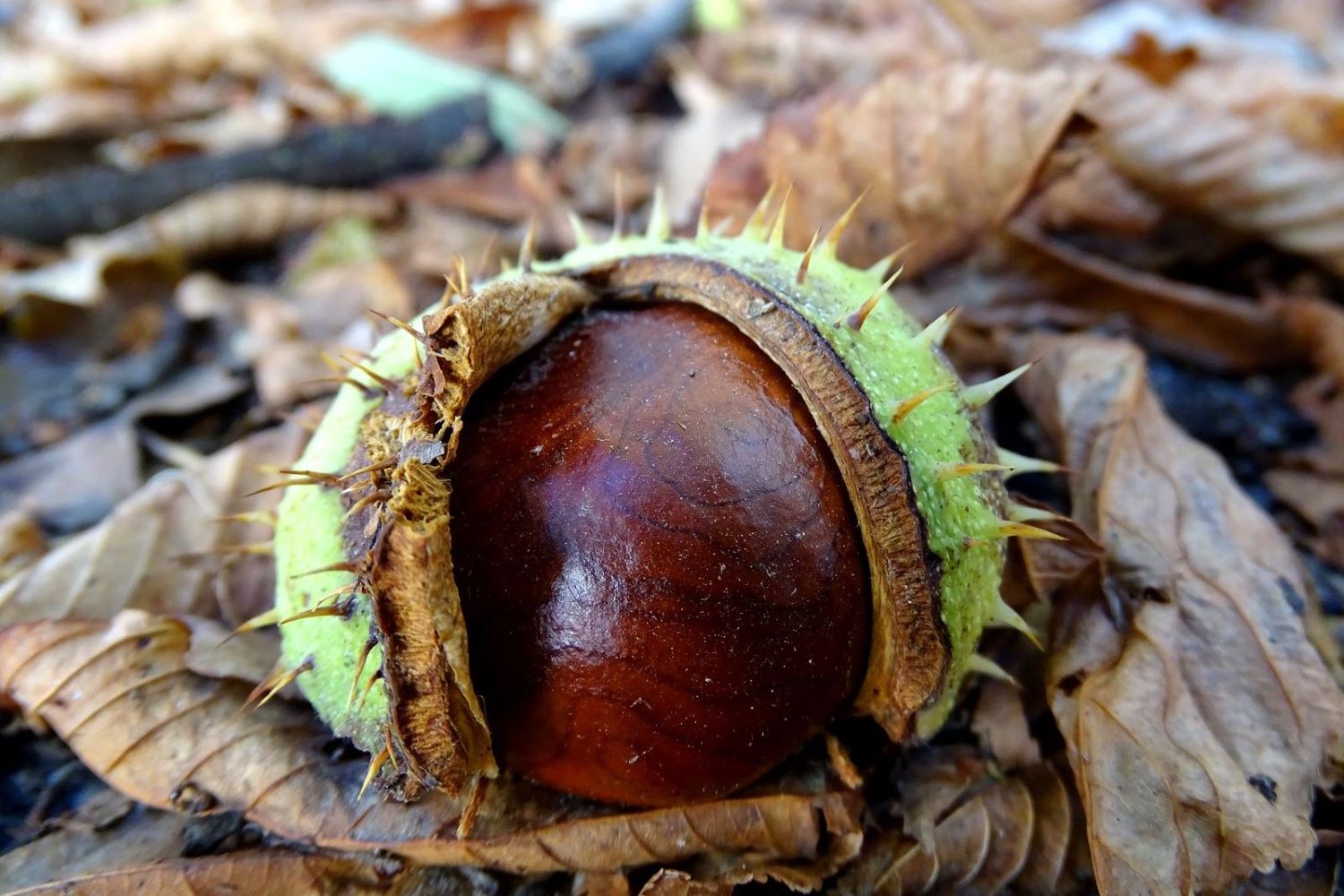
The fruit is a spiky green capsule that turns brown when ripe. Inside, it holds one or two shiny brown seeds, often called conkers. These seeds are smooth and round but are not edible. The spiky husk protects the seeds until they fall to the ground in autumn.
Natural Habitat
Horse chestnuts grow well in temperate climates. They prefer moist, well-drained soil and full sun. These trees are native to parts of Southeast Europe but have spread widely. They thrive in parks, gardens, and along streets where they get plenty of space.
Credit: www.canr.msu.edu
Sweet Chestnut Features
The sweet chestnut tree is known for its strong wood and tasty nuts. It stands out with its unique features. These features help tell it apart from other chestnut types. Understanding these details makes it easier to identify the sweet chestnut.
Its beauty and usefulness make it popular in many regions. Let’s explore what makes the sweet chestnut special.
Tree And Leaf Description
The sweet chestnut tree grows tall, often reaching 30 meters. Its bark is dark brown and deeply ridged. Leaves are long and narrow, with pointed edges. They have sharp teeth all around. Leaves grow in a pattern called alternate. This means they do not grow directly across from each other on the branch.
Flowering Patterns
Sweet chestnut flowers bloom in late spring. They grow in long, upright clusters called catkins. Male and female flowers appear on the same tree. Male flowers are yellowish and hang down. Female flowers are smaller and found near the base of the catkins.
Nut Appearance
The nuts of the sweet chestnut are large and round. They have a shiny, brown shell. The shell is smooth with a flat side. Each nut is enclosed in a spiky, green husk. The spikes protect the nut until it falls to the ground.
Growth Regions
Sweet chestnut trees grow mainly in Europe and Asia. They prefer warm, sunny areas with good soil. These trees do well on hills and mountains. They are common in countries like Spain, Italy, and Turkey. Sweet chestnuts also grow in parts of the United States.
Differences In Nuts
The nuts of horse chestnut and sweet chestnut trees differ a lot. These differences affect how we use and enjoy them. Understanding these traits helps in identifying and choosing the right chestnut type.
Edibility And Taste
Horse chestnut nuts are not edible. They contain toxins that can cause illness. Sweet chestnut nuts are safe to eat. They have a sweet, nutty flavor. People often roast or cook sweet chestnuts.
Nut Shape And Texture
Horse chestnut nuts are round and glossy. They have a smooth, hard shell. Sweet chestnut nuts are more oval. Their shells have a rougher texture with fine hairs. Inside, sweet chestnuts have a softer, creamy texture.
Harvesting Methods
Horse chestnuts usually fall from the tree in spiky green cases. These cases open to release the nuts. People often gather them from the ground. Sweet chestnuts grow inside thick, spiky burs. These burs open when ripe, dropping the nuts. Harvesting sweet chestnuts requires care to avoid the sharp burs.
Health And Uses
Horse chestnut and sweet chestnut differ greatly in health benefits and uses. Each tree offers unique advantages and applications. Understanding these helps you use them wisely.
Medicinal Benefits
Horse chestnut is famous for its health properties. It contains a compound called aescin. This helps reduce swelling and improves blood flow. People use horse chestnut extract to treat varicose veins and hemorrhoids. Sweet chestnut, on the other hand, has fewer medicinal uses. Its leaves and bark have mild antiseptic effects. But it is not as widely used in medicine as horse chestnut.
Culinary Applications
Sweet chestnut produces edible nuts. These nuts are sweet and nutty in flavor. People roast, boil, or bake them as snacks. Sweet chestnuts also add taste to soups and desserts. Horse chestnut nuts are toxic and not safe to eat. They contain chemicals harmful to humans. Avoid using horse chestnut nuts in cooking or food.
Wood And Other Uses
Sweet chestnut wood is strong and durable. It is popular for furniture, fencing, and construction. The wood resists decay and lasts long outdoors. Horse chestnut wood is softer and less durable. It is mainly used for carving and small wooden items. Both trees provide shade and improve the environment in parks and gardens.
Safety And Toxicity
Understanding the safety and toxicity of horse chestnut and sweet chestnut is vital. Both trees produce nuts that look similar but differ greatly in their effects on health. Knowing the risks and safe uses can prevent harm and promote well-being.
Toxic Compounds In Horse Chestnut
Horse chestnut contains a chemical called aesculin. This compound is toxic to humans if eaten raw. It can cause nausea, vomiting, and stomach pain. The seeds, leaves, and bark all have this toxin. Only processed horse chestnut extracts are safe for use. These extracts are used in medicine to treat vein problems.
Safe Consumption Of Sweet Chestnut
Sweet chestnut nuts are safe to eat. They have no harmful toxins like horse chestnut. People roast or boil them before eating. These nuts are a good source of vitamins and minerals. Sweet chestnuts can be enjoyed as a snack or used in cooking. They are safe for children and adults alike.
Precautions To Take
Never eat raw horse chestnut seeds or parts. Always check the type of chestnut before use. Use only processed horse chestnut supplements as directed. Store chestnuts away from children and pets. If unsure about a chestnut, avoid eating it. Seek medical help if poisoning symptoms appear.
Credit: www.reddit.com
Identification Tips
Identifying horse chestnut and sweet chestnut trees can be simple with the right tips. These trees look similar but have clear differences. Knowing what to check helps you tell them apart quickly. Focus on their leaves, bark, and fruit capsules for easy recognition.
Leaf Patterns
Horse chestnut leaves are large and palm-shaped. Each leaf has 5 to 7 leaflets spreading from one point. The edges of the leaflets are smooth with small teeth. Sweet chestnut leaves are long and narrow. They have sharp, pointed teeth all along the edges. The leaves grow in a simple, straight line on the stem.
Bark Texture
Horse chestnut bark is rough and gray-brown. It often has scaly patches that peel away. The bark looks cracked but not deeply furrowed. Sweet chestnut bark is dark brown and deeply furrowed. The grooves run up and down the trunk. It feels rough and rugged to touch.
Fruit Capsules
Horse chestnut fruits are round and spiky. The spines are thick and blunt. Inside, the shiny brown seed is called a conker. Sweet chestnut fruits are covered in a dense, sharp spiny husk. The husk splits open when ripe. Inside are edible nuts with a flat side.
Credit: plantura.garden
Frequently Asked Questions
What is the Difference between Horse Chestnut And Sweet Chestnut
What Is The Main Difference Between Horse Chestnut And Sweet Chestnut?
Horse chestnut produces toxic seeds, while sweet chestnut seeds are edible. Their tree leaves and flowers also differ in shape and size.
Are Horse Chestnut Seeds Safe To Eat?
No, horse chestnut seeds contain toxins and are not safe for consumption. Sweet chestnut seeds, however, are edible and commonly roasted.
How Can I Identify Horse Chestnut Vs Sweet Chestnut Trees?
Horse chestnut trees have palmate leaves with 5-7 leaflets. Sweet chestnut leaves are long, serrated, and narrow. Their flowers and seed pods differ too.
Do Horse Chestnut And Sweet Chestnut Have Different Uses?
Yes, sweet chestnuts are eaten and used in cooking. Horse chestnuts are mainly used medicinally and for ornamental purposes, not for eating.
Conclusion
Horse chestnut and sweet chestnut look similar but have clear differences. Horse chestnut is not edible and can be toxic. Sweet chestnut is safe to eat and often used in cooking. Both trees have unique leaves and fruit shapes. Knowing these differences helps you identify them easily.
This knowledge keeps you safe and informed outdoors. Remember, not all chestnuts are the same. Choose wisely when foraging or buying chestnuts. Understanding nature starts with small details like these. Simple facts make a big difference. What is the Difference between Horse Chestnut And Sweet Chestnut.
Horses Aren’T Cheap My Child: Unveiling True Costs