
When horses eat acorns, they often suffer from severe digestive distress and potential kidney failure caused by high concentrations of tannins. What happens depends on the volume consumed and the individual animal’s sensitivity to the plant toxins. Most horses avoid them, but some develop a taste for the bitter nuts, which leads to life-threatening toxicity if left unmonitored in pastures.
Recognizing acorn toxicity in horses
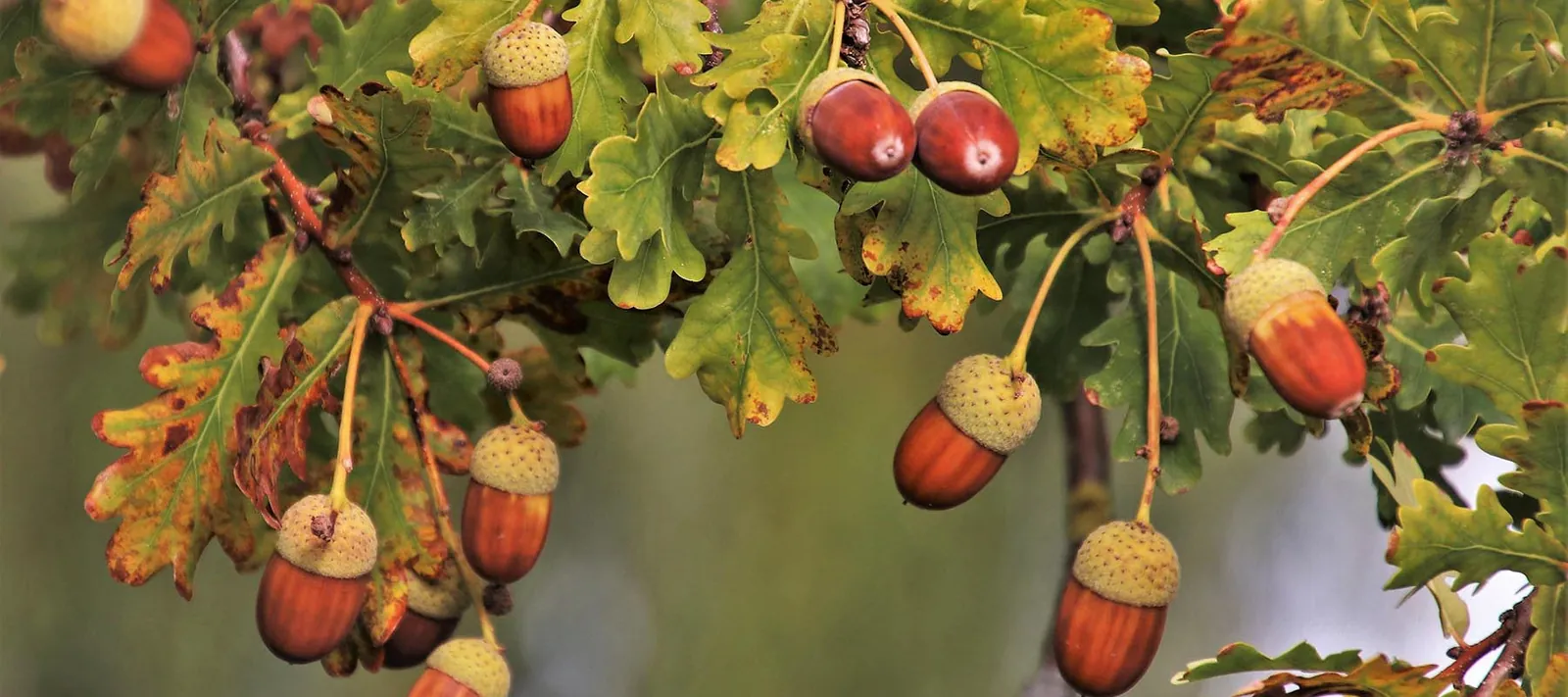
Horses that consume a large quantity of acorns may exhibit immediate signs of illness, while smaller amounts can cause cumulative damage to internal organs. Owners should watch for these specific indicators of poisoning:
- Colic symptoms, such as pawing, rolling, or looking at the flanks.
- Severe constipation or dark, hard manure indicating dehydration.
- Loss of appetite and a noticeable drop in water consumption.
- Lethargy and an inability to stand or move normally.
- Frequent urination or blood in the urine, signaling kidney strain.
- Yellowing of the gums or eyes due to liver damage.
Monitor your horse closely for these changes, as the onset of symptoms often occurs several days after ingestion. Because the tannins in acorns cause systemic damage, you may notice a sudden decline in condition even if the horse initially seemed unaffected. If you suspect consumption, check for the presence of acorn fragments in the manure or near the grazing area.
Why acorns are dangerous to horses
Tannins, which are naturally occurring polyphenols found in oak trees, are the primary cause of poisoning when horses eat acorns. These compounds act as astringents, binding to proteins in the horse’s digestive tract and interfering with normal nutrient absorption. When a horse consumes large amounts, these tannins overwhelm the animal’s natural detoxification pathways, leading to widespread cellular damage.
The damage primarily affects the gastrointestinal lining and the renal system. Once the tannins are absorbed into the bloodstream, they cause direct toxicity to the kidneys, leading to renal tubular necrosis. This prevents the kidneys from filtering waste products effectively, causing a buildup of toxins that can result in fatal kidney failure.
The University of Kentucky College of Agriculture explains that the risk remains present throughout the season, but the highest danger occurs when horses graze in overstocked pastures where grass is scarce.
If the horse is healthy and has plenty of forage, it will usually ignore the acorns on the ground. However, if the pasture is barren, a horse may eat them out of hunger or boredom. A common mistake is assuming that a horse will know better than to eat toxic plants. If you see your horse grazing on fallen oak leaves or nuts, you must remove them from the area immediately to prevent a toxic dose.
Factors that change the risk level
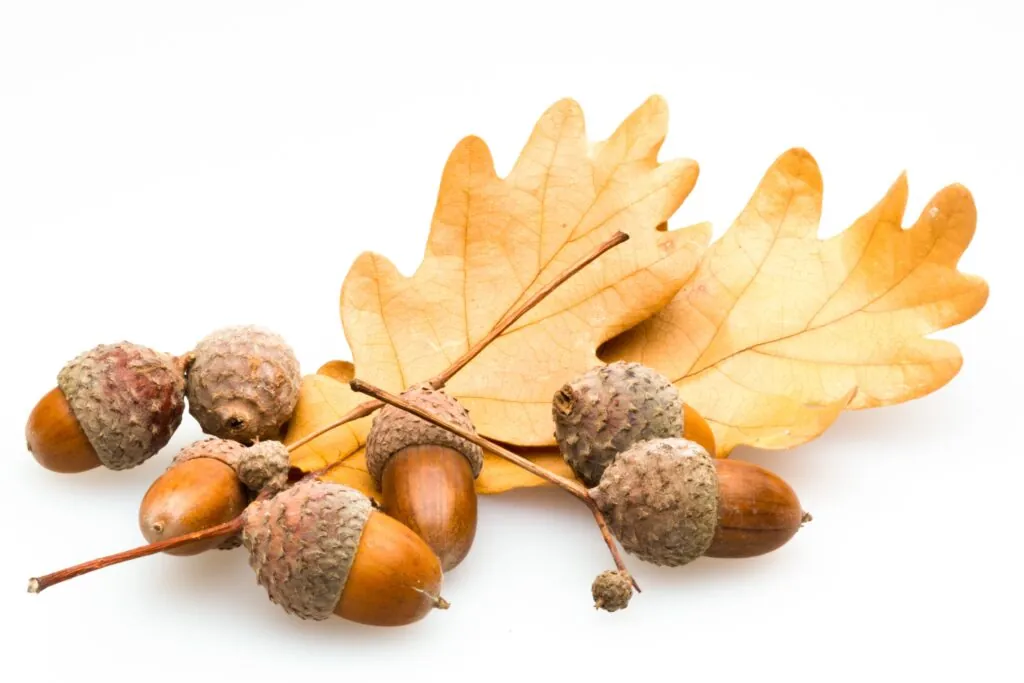
The danger level varies based on the specific environment and the horse’s current health status. Use this table to understand when you should be most concerned about potential exposure.
| Situation | What changes | What to do instead |
|---|---|---|
| Overgrazed pasture | Less grass available | Provide supplemental hay |
| Young, curious horses | Lack of experience | Fence off oak trees |
| Heavy autumn winds | More nuts on ground | Clear the paddock daily |
| Pre-existing kidney issues | Lower toxic threshold | Move to non-oak fields |
| High acorn yield year | Increased temptation | Monitor grazing time daily |
A horse’s digestive health plays a critical role in how it processes tannins. If a horse is already suffering from gastric ulcers or poor gut motility, it may absorb these toxins more efficiently than a healthy horse.
Furthermore, the concentration of tannins fluctuates significantly depending on the oak species. Red oaks often contain higher levels of gallotannins compared to white oaks. If your pasture features a mix of species, you can’t assume all fallen nuts carry the same risk. Always observe which trees your horses gravitate toward during the peak of the autumn season.
Managing horses near oak trees
Preventing access to trees is the only reliable way to keep your animals safe during the autumn months. Follow these steps to secure your property and protect your herd from accidental poisoning:
-
Inspect all paddocks for oak trees and identify the areas where acorns accumulate during the fall. Focus on slopes or dips where wind and gravity naturally funnel the nuts into grazing zones.
-
Install temporary electric fencing to restrict access to the base of oak trees during peak drop times. A single strand of poly-wire placed well outside the drip line of the canopy is usually sufficient to deter curious horses.
-
Clear the ground of fallen acorns and leaves daily if fencing isn’t possible in your specific setup. Use a leaf blower or a wide-tine rake to move debris into piles well away from the fence line.
-
Provide high-quality hay or forage to ensure the horses aren’t hungry. Boredom and hunger drive horses to experiment with new tastes, significantly increasing the urge to forage for nuts.
-
Check the horse’s manure daily for signs of constipation or unusual debris during the autumn season.
-
Consult your veterinarian if you suspect a horse has eaten a significant amount, even if they appear normal.
-
Maintain a clean water source, as dehydration makes the effects of tannin toxicity much worse for the horse.
Mistakes that happen when horses eat acorns
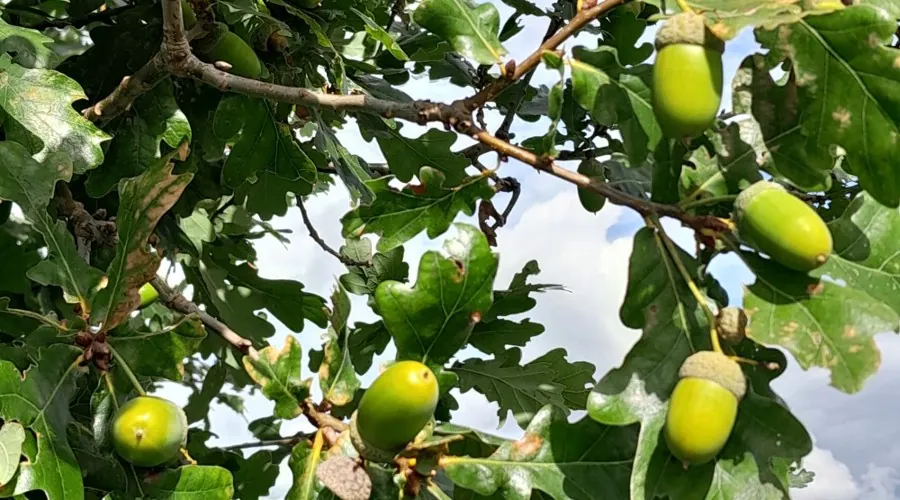
Failing to provide enough hay forces horses to forage on the forest floor, where they inevitably consume fallen acorns. When pasture grass thins, hungry horses lose their natural selectivity and view nuts as a convenient snack.
Ignoring the accumulation of leaves and nuts in high-traffic areas creates a concentrated hazard. Horses often graze these bare patches down to the dirt, inadvertently ingesting large quantities of tannins along with the soil.
Assuming older horses have learned to avoid the nuts is a dangerous gamble. Even experienced horses will eat acorns when they’re starving or bored.
Waiting for visible symptoms before calling a vet delays life-saving care. By the time a horse shows signs of distress, the internal damage is often already advanced.
Frequently asked questions
Can a horse die from eating a few acorns?
A few acorns rarely cause death in an adult horse, but the risk is cumulative and depends on the horse’s size and health. Most horses can tolerate a small amount, but even a handful can be dangerous for a pony or a horse with existing kidney issues. Always prioritize removing all access to prevent any intake.
How long does it take for symptoms to appear?
Symptoms typically show up within 24 to 48 hours after the horse consumes a toxic dose. Some horses might show mild colic signs within a few hours, while kidney-related issues like dark urine may take longer to become visible. If you know your horse ate acorns, contact a veterinarian immediately rather than waiting for symptoms.
Is it safe to let horses graze under oak trees?
It isn’t safe to let horses graze under oak trees during the autumn when acorns and leaves are falling. The risk of toxicity is too high when the nuts are accessible on the ground. If you must use those fields, you should fence off the tree line entirely until the season passes.
What should I do if my horse ate a lot of acorns?
You must call your veterinarian immediately to discuss supportive care and monitoring for your horse. Don’t wait for symptoms to develop, as early intervention can help prevent the toxins from causing permanent kidney damage. The vet may suggest activated charcoal or fluid therapy to help the horse process the toxins safely.
How do I know if my horse is suffering from toxicity?
You’ll notice signs like colic, loss of appetite, and changes in urination habits, such as blood in the urine. These are early warning signs that the digestive and renal systems are struggling. If you observe these behaviors, take the horse’s temperature and call your local equine clinic to report the potential poisoning.
Does the type of oak tree matter?
All species of oak trees contain tannins in their acorns and leaves, so they all pose a risk to horses. While some oak varieties have higher tannin concentrations than others, you should treat all oak trees as a potential hazard. Avoid trying to identify specific species and instead focus on keeping the animals away from all fallen oak materials.
Conclusion
If you suspect your horse has nibbled on these nuts, don’t wait for symptoms to appear. Contact your veterinarian immediately to discuss the best course of action. It’s always better to be safe, so check your fences and clear any oak debris from your paddocks to keep your companion healthy and happy.