
Making pebbles the best horse is achievable by following a consistent routine of balanced nutrition, professional hoof care, and daily positive reinforcement training.
Essential supplies for equine care

You need specific items to maintain the health and temperament of your horse. If you lack these, the training process will be slower or potentially unsafe for both you and your animal.
| Item | How much | Why it’s needed | A substitute |
|---|---|---|---|
| High-quality hay | 1.5-2% of body weight | Provides essential daily energy | Grazing on safe pasture |
| Grooming kit | 1 full set | Removes dirt and debris | none — don’t swap this |
| Well-fitted saddle | 1 per horse | Ensures comfort while riding | none — don’t swap this |
| Hoof pick | 1 tool | Clears dangerous rocks/debris | Blunt metal hook |
| Reward treats | 5-10 pieces daily | Used for positive reinforcement | Small carrot slices |
| Training halter | 1 durable piece | Keeps control during ground work | Rope lead |
Preparation before training sessions
Check the riding area for loose fence boards or debris that could cause injury to your horse. Even small stones or stray wire can cause a horse to favor a limb, leading to uneven gait patterns that persist long after the training session ends.
Ensure the horse has access to clean, fresh water at all times to prevent dehydration, as noted in the nutrient requirements guidelines published by the National Research Council. A hydrated horse maintains better focus and muscle elasticity during physical exertion.
Brush the coat thoroughly to remove any grit that might rub against the saddle and cause skin sores. Pay close attention to the area where the cinch rests, as trapped dirt under pressure quickly turns into painful girth galls.
Confirm the cinch is tight enough to prevent the saddle from slipping, but loose enough to allow full lung expansion. If you’re new to handling large animals, consult a certified riding instructor; attempting advanced maneuvers without professional guidance risks serious injury or legal liability.
Daily steps to make Pebbles the best horse
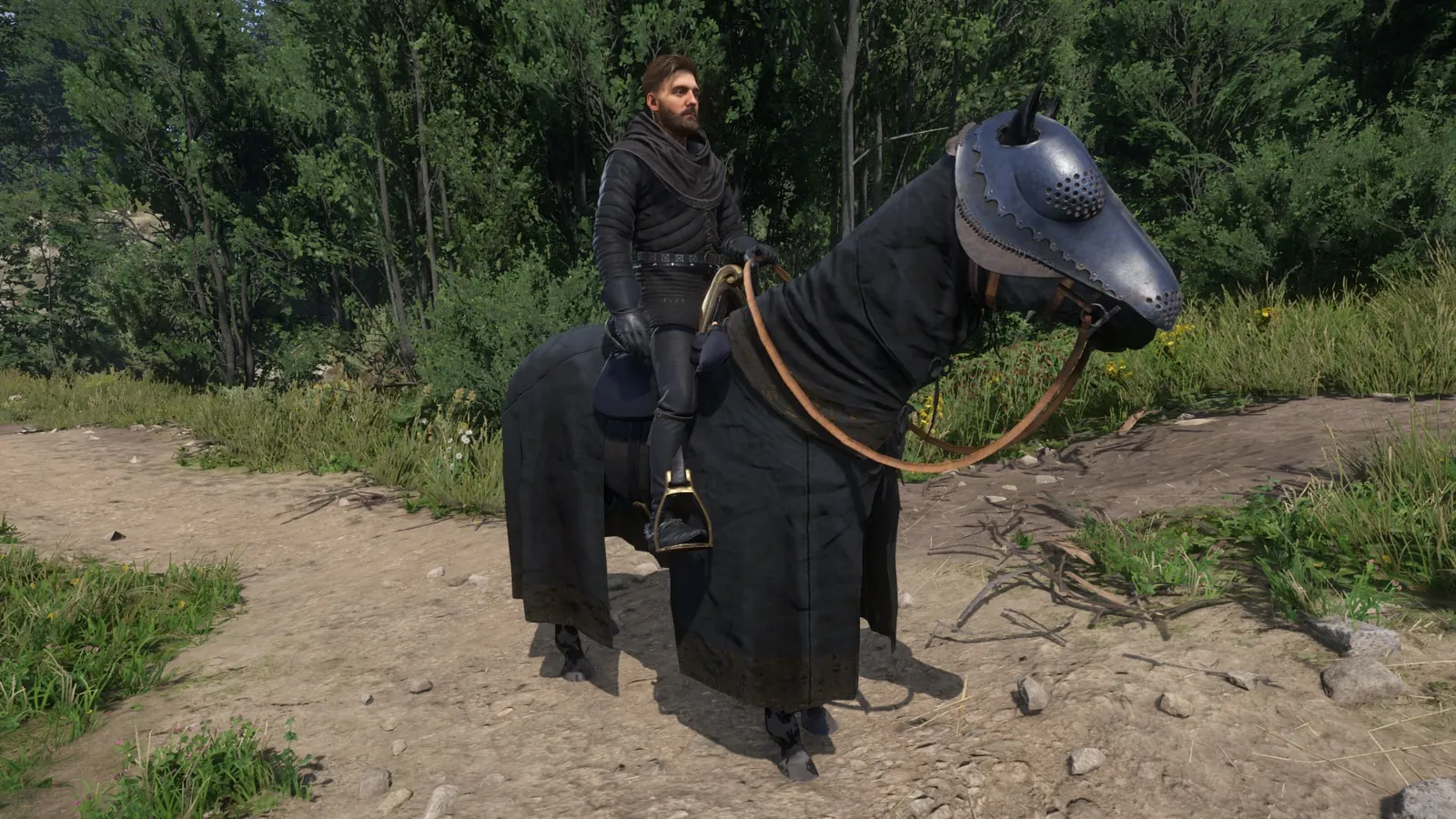
- Begin by leading your horse at a walk for 10 minutes to warm up the muscles and joints.
- Perform ground work exercises, such as lunging, for 15 minutes to establish your leadership and focus.
- Check the horse’s hooves for stones or signs of thrush, cleaning them thoroughly with your hoof pick.
- Mount the horse slowly in a quiet, distraction-free environment to ensure the animal remains calm and receptive.
- Practice transitions between walk, trot, and halt for 20 minutes to improve responsiveness to your leg aids.
- Reward every correct response immediately with a gentle pat or a small treat to reinforce the behavior.
- Cool the horse down by walking for 10 minutes until the breathing rate returns to its normal resting level.
- Groom the horse again after the session to check for any heat or swelling in the legs.
Signs of progress and success
You’ll know your training is working when the horse responds to light pressure from your leg or rein cues without hesitation. A successful session ends with a relaxed horse that stands quietly and maintains a steady, rhythmic gait during movement. If the horse pins its ears back, swishes its tail repeatedly, or tries to evade your commands, it indicates that you should stop and return to simpler ground work.
Look for the “soft eye” as a primary indicator of progress. When Pebbles softens her expression and lowers her head slightly, she is mentally processing your requests rather than merely reacting to them. This physical release confirms that she feels secure in her role and understands the task at hand.
A horse that’s truly becoming the best version of itself will show a calm demeanor and a willingness to engage with you. If you notice signs of lameness, such as head bobbing or uneven strides, stop riding immediately and contact a licensed veterinarian. Don’t force a horse through physical discomfort, as this creates long-term behavioral problems that are difficult to fix.
Troubleshooting common behavioral issues
| What happened | Why | What to do |
|---|---|---|
| Horse ignores cues | Lack of focus | Return to basic ground work |
| Excessive biting | Boredom or pain | Consult an equine dentist |
| Refusing to move | Fear or confusion | Ask for help from trainer |
| Stumbling often | Hoof imbalance | Schedule professional farrier visit |
| Bucking under saddle | Poor saddle fit | Check saddle tree width |
When Pebbles ignores your cues, she is likely checking out of the conversation. Revisit the ground work exercises to re-establish your leadership and gain her full attention before mounting.
If biting persists even after dental checks, consider if your grooming routine is too repetitive. Introduce varied sensory stimulation or different turnout patterns to alleviate boredom.
Should Pebbles refuse to move, look for subtle physical cues like pinned ears or a tucked tail. These often signal underlying anxiety rather than simple stubbornness. If she stumbles, watch her gait on both soft and hard surfaces. An uneven strike pattern often points to a shoeing issue that a farrier can correct.
Finally, check the saddle tree width by placing it on her back without a pad. If the gullet pinches her withers, no amount of training will stop the bucking.
Establishing a training schedule
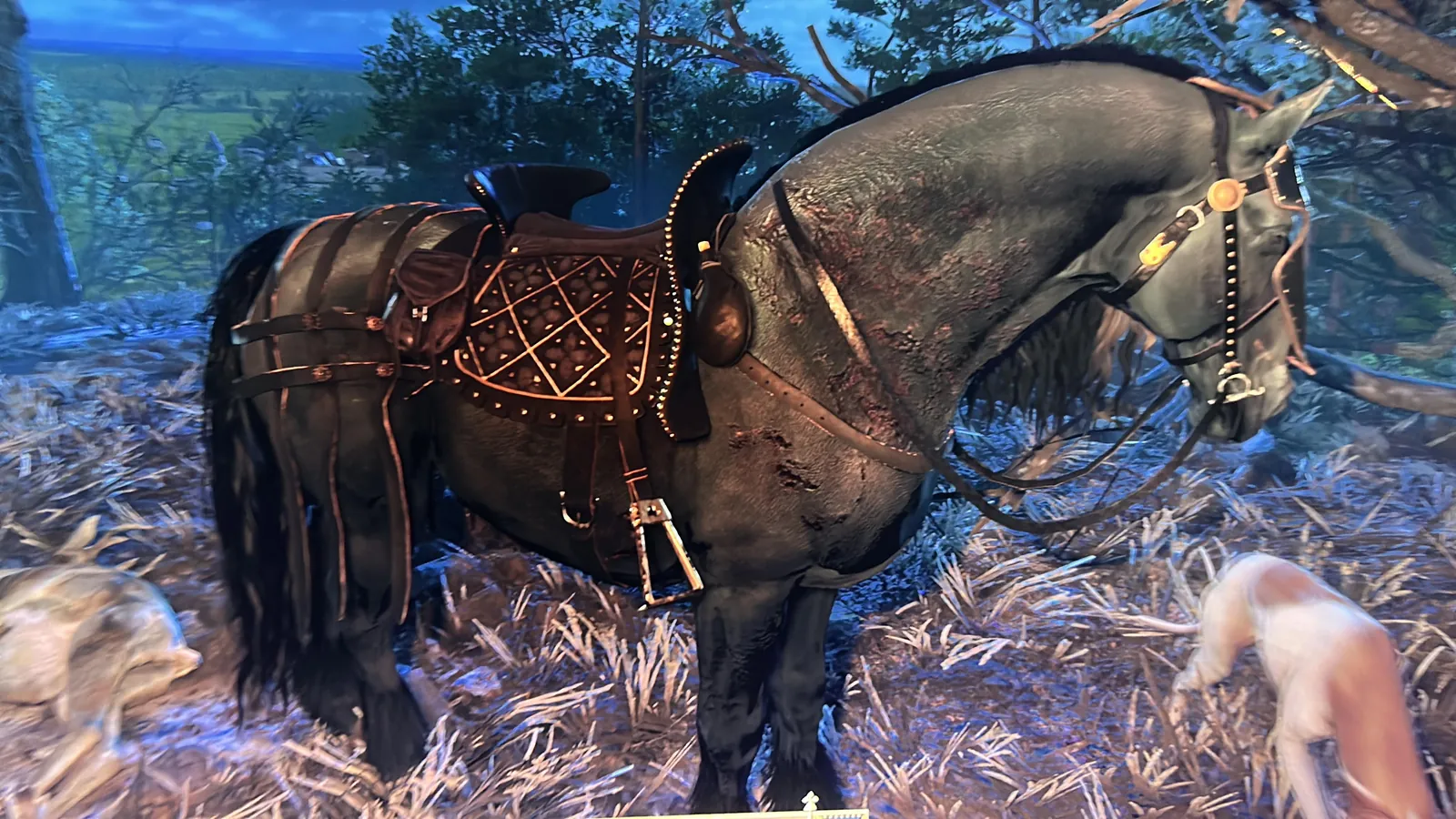
Consistency is the most important factor in how you make progress with your horse. You should aim for at least four to five sessions per week to maintain muscle tone and behavioral habits.
The exact frequency depends on the horse’s age and current fitness level. Young horses or those coming back from a break require shorter, more frequent sessions to avoid fatigue.
Always adjust your intensity based on the weather conditions, as extreme heat or cold limits how much work a horse can safely handle in a single day.
When building this schedule, prioritize variety over repetition. If Pebbles shows signs of mental burnout, swap a strenuous arena workout for a light walk or ground work. This keeps her engaged rather than resistant. By tracking your sessions in a log, you can identify patterns in her performance and adjust the workload before she hits a plateau.
Frequently asked questions
How long does it take for a horse to learn new commands?
A horse typically learns a new command in 3 to 5 consistent training sessions. This assumes you use the same voice cue and physical aid every time to avoid confusing the animal.
Is it safe to ride a horse alone?
It’s generally safe to ride alone only if you’re an experienced rider and someone knows your location. Always carry a mobile phone and ensure your horse is well-trained before heading out on trails.
Why does my horse stop suddenly during a ride?
A horse stops suddenly because it has encountered a new object or sound that triggers a flight response. Stay calm, keep your eyes up, and gently encourage the horse to move forward toward the object to investigate.
Does the horse need shoes to perform well?
A horse needs shoes only if the terrain is rocky or if the hoof wall is wearing down faster than it grows. Check with your local farrier to determine if your horse requires steel or aluminum protection for its specific workload.
How much water should a horse drink per day?
A horse should drink between 8 and 15 gallons of water per day, depending on the air temperature, body weight, and activity level. Always provide clean water to ensure the animal stays hydrated during training.
What happens if I skip training for a week?
The horse may lose some of its conditioning and become more reactive or “fresh” during the next session. You should start the next workout with extra ground work to help the horse regain focus before you mount.
Conclusion
Building this bond takes patience, but you’ll soon see the results in your horse’s confident stride. Spend some extra time grooming Pebbles this weekend to strengthen your connection even further. You’re doing a great job, and she’s lucky to have such a dedicated partner looking out for her well-being every single day.