
Preparing a pasture for horses involves soil testing, weed control, and strategic fencing to create a safe grazing area.
Gear needed to prepare horse pasture
| Item | How much | Why it’s needed | A substitute |
|---|---|---|---|
| Soil test kit | 1 per field | Checks nutrient levels | None — don’t swap |
| Lime or fertilizer | 1-2 tons/acre | Corrects soil pH | None — don’t swap |
| Mower or slasher | 1 unit | Controls weed growth | Manual scythe |
| Electric fencing | 500-1000 feet | Rotates grazing zones | Wooden rail fence |
| Grass seed | 20-50 lbs/acre | Repairs bare patches | None — don’t swap |
A soil test kit acts as your diagnostic tool. Without it, you’re guessing at the chemical needs of your dirt, which often leads to wasted money on fertilizer that the grass can’t absorb.
When choosing a mower, prioritize a deck width that matches your tractor’s horsepower. A slasher that’s too wide will struggle in thick, overgrown patches, leaving an uneven finish that encourages weeds to return quickly.
For fencing, keep a spare spool of poly-wire on hand. If a horse bumps the line, you can repair the circuit in minutes rather than leaving a section of the pasture unprotected.
Finally, match your grass seed to the specific climate of your region. Using a generic blend often leads to poor germination in extreme heat or cold. Always check the label for drought-resistant varieties if your area experiences dry summers. These seeds establish deeper roots, ensuring your pasture survives heavy hoof traffic throughout the active grazing season.
Steps to prepare your land
- Collect soil samples from five different spots across the field at 6 inches deep to get a representative average of your soil health.
- Send these samples to your local university agricultural extension office to receive a professional report on needed pH adjustments and mineral additions.
- Apply lime or fertilizer based strictly on the lab results provided in your report to ensure the grass grows dense and healthy.
- Mow the existing vegetation to a height of 4 inches to discourage weed seed production and encourage desirable grass species to spread.
- Identify and remove toxic plants immediately, as the USDA plants database provides specific guides for identifying poisonous species in your local region.
- Install cross-fencing to create at least two separate paddocks, which allows you to rotate horses and prevent overgrazing of the same area.
- Overseed any bare spots with horse-safe forage grasses, such as orchardgrass or timothy, using a broadcast spreader at the recommended rate for your climate.
- Water the newly seeded areas daily for 14 days until the grass reaches a height of 3 inches, keeping traffic off the field entirely.
- Inspect the perimeter fence for loose wires or broken posts to ensure the enclosure remains secure against potential escapes or predator entry.
Signs your field is ready
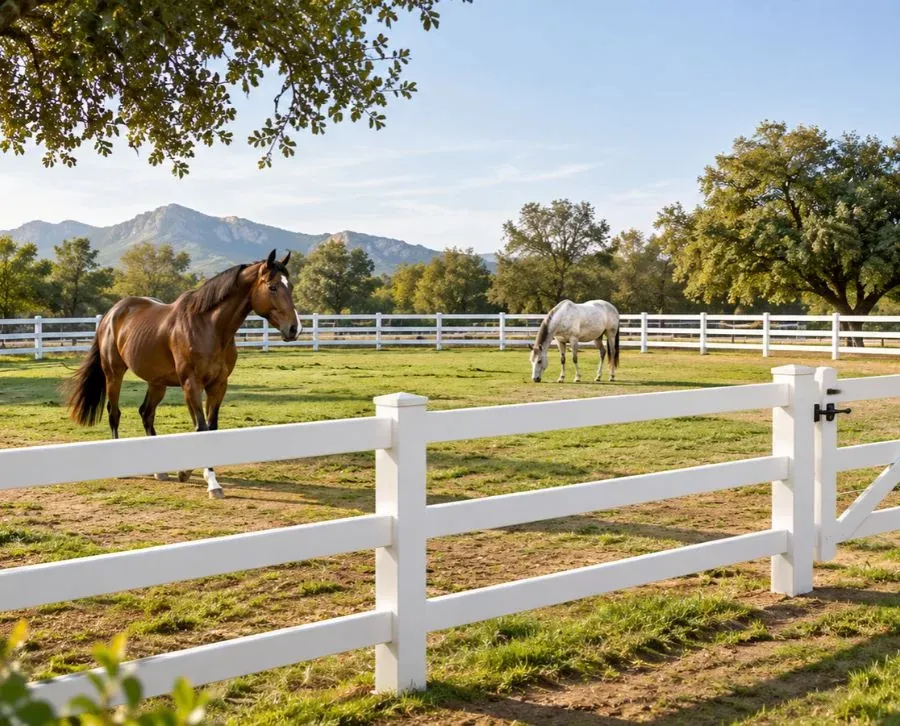
A healthy pasture shows a dense, uniform carpet of green grass that reaches at least 6 to 8 inches in height. If you see patches of bare dirt larger than 12 inches across, the field isn’t ready for constant grazing and needs more time to recover. You should also check for the absence of dangerous weeds like ragwort or nightshade, which can be fatal if consumed.
If the ground feels spongy or soft after rain, keep the horses off to prevent deep hoof damage to the root systems. A successful pasture also has a consistent color and a lack of tall, woody stalks that horses typically ignore. If the grass is patchy, consider resting that section for another 30 days before letting horses back inside.
Troubleshooting common pasture issues
| What happened | Why | What to do |
|---|---|---|
| Grass is yellow | Low nitrogen levels | Apply balanced fertilizer |
| Muddy patches | Overgrazing | Rest the area |
| Too many weeds | Low grass density | Mow and overseed |
| Horses escaping | Broken fence wire | Tighten or replace |
| Soil is acidic | Natural mineral loss | Add agricultural lime |
Yellow grass often signals that your soil has been depleted of nutrients by heavy grazing cycles. If nitrogen levels remain low, the grass can’t recover its vigor, leaving the pasture vulnerable to opportunistic weeds.
Muddy patches are a clear warning that the turf has been trampled beyond its capacity to regenerate. When horses churn the soil, they destroy the root systems that hold the ground together. You must move them to a dry lot immediately to allow the vegetation a full growing season to recover.
If weeds persist despite regular mowing, your grass density is likely too thin to compete. Overseeding with a hardy, region-specific forage mix creates a thick canopy that naturally shades out unwanted growth. Always test your soil before adding lime, as incorrect pH adjustments can lock out other vital nutrients.
How often to maintain your fields
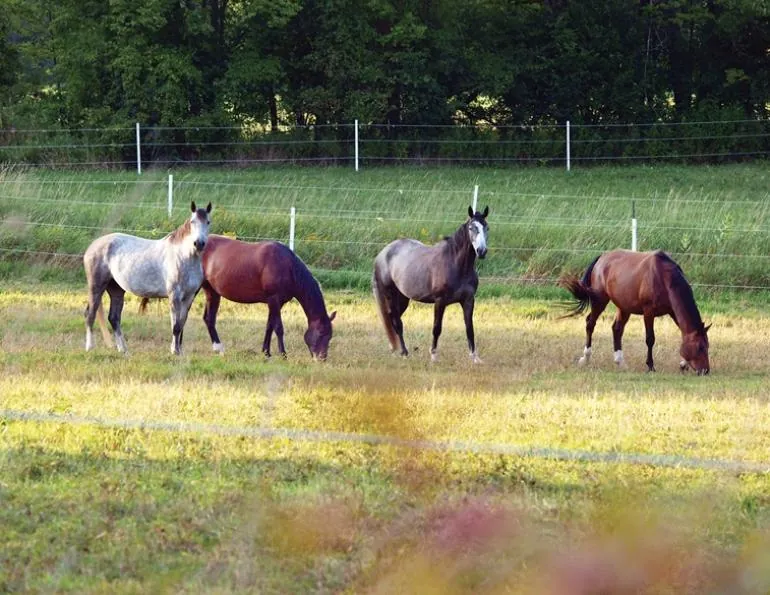
You should perform basic pasture maintenance at least twice a year, once in the early spring and once in the late fall. The exact frequency depends on your local stocking density, which is the number of horses per acre, and the annual rainfall in your region.
If you have more than two horses per acre, you’ll need to rotate paddocks every 10 to 14 days to prevent damage. This frequent movement allows grazed sections time to recover, ensuring the root systems remain healthy enough to support regrowth.
In areas with high rainfall, you must mow more frequently to keep grass from becoming too stemmy. Seed heads often emerge when grass grows unchecked, which significantly lowers the nutritional value for your horses.
Always monitor the grass height daily to ensure it never drops below 3 inches. If the forage gets shorter, the horses will begin pulling plants up by the roots, permanently thinning your stand.
Frequently asked questions
How long does it take for new grass to grow?
New grass typically takes 21 to 30 days to germinate and establish roots, assuming consistent moisture and temperatures above 50 degrees Fahrenheit. You must keep horses off the field during this time to prevent them from pulling up the tender new seedlings.
Is it safe to use chemical weed killers?
It’s safe only if you follow the specific waiting period listed on the product label, which usually ranges from 14 to 30 days before grazing is allowed. Always check the label for “grazing restrictions” to ensure no toxic residues remain on the forage.
Why do my horses keep overgrazing one spot?
Horses naturally prefer the youngest, most tender shoots of grass, so they will repeatedly return to the same patch until it’s eaten down to the dirt. You can prevent this by using temporary electric fencing to force them into a new, rested section of the pasture.
How many horses can one acre support?
One acre can support one horse for a short period, but for long-term health, a general rule is two to three acres per horse to prevent complete pasture degradation. This assumes the land is managed with regular rotation and fertilization to maintain high-quality forage.
What happens if I skip soil testing?
Skipping soil testing often leads to wasting money on the wrong fertilizer or lime, which can result in poor grass growth and increased weed competition. You should always use your local university extension lab to get a precise recommendation for your specific soil chemistry.
Does the type of grass matter?
The type of grass matters significantly because some species, like tall fescue, can cause reproductive issues in pregnant mares during certain times of the year. You should consult a local forage expert to select grass varieties that are safe and productive for your specific climate.
How do I stop mud in the winter?
You can stop mud by creating a sacrifice area with a thick base of crushed stone or wood chips where horses stay during the wettest months. This protects your main grazing pastures from being churned into deep mud, which kills the grass roots and destroys the field for the following spring.
Conclusion
Once your field is ready, take a quiet walk along the perimeter to double-check every latch and post. It’s worth the extra effort to ensure your horses stay secure. You’ll feel much better knowing they’re safe, so go ahead and open the gate for their first day of grazing.