What Does Rain Rot Look Like on a Horse, Rain rot is an issue with the skin of a horse. It is a condition that occurs when the skin is kept in wet for a long time. This wetness becomes a means for the growth of microorganisms. The microorganisms are what cause the rain rot. It is very important to understand how rain rot is because that way, you can provide a solution to your horse without delay.Rain rot is an issue with the skin of a horse. It is a condition that occurs
What Is Rain Rot?
Rain rot is an infection of the skin. It is also known as “rain scald” or “dermatophilosis.” This condition is caused by a bacterium called Dermatophilus congolensis. This bacterium thrives in wet and dirty areas of a horse‘s skin. When a horse is kept wet for several hours, rain rot is likely to occur.
Rain rot can be found on any part of the horse’s body. However, it is mostly on the back, neck, and rump. These parts of the body are the ones that get wet the most when it rains or when horses lie on the wet ground.
How Does Rain Rot Look?
Rain rot has very obvious symptoms. One can easily see and feel these symptoms. Here is what you should check for:
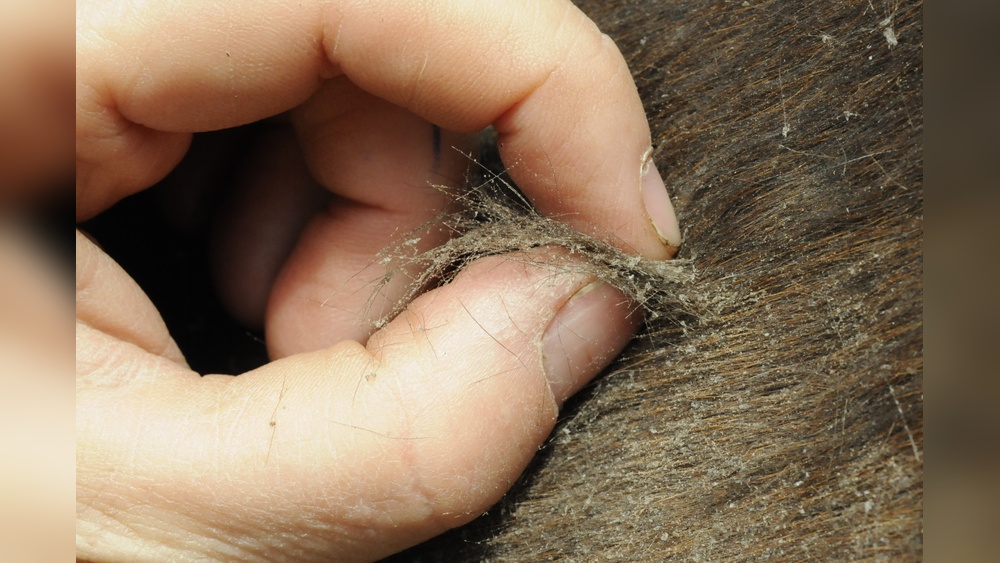
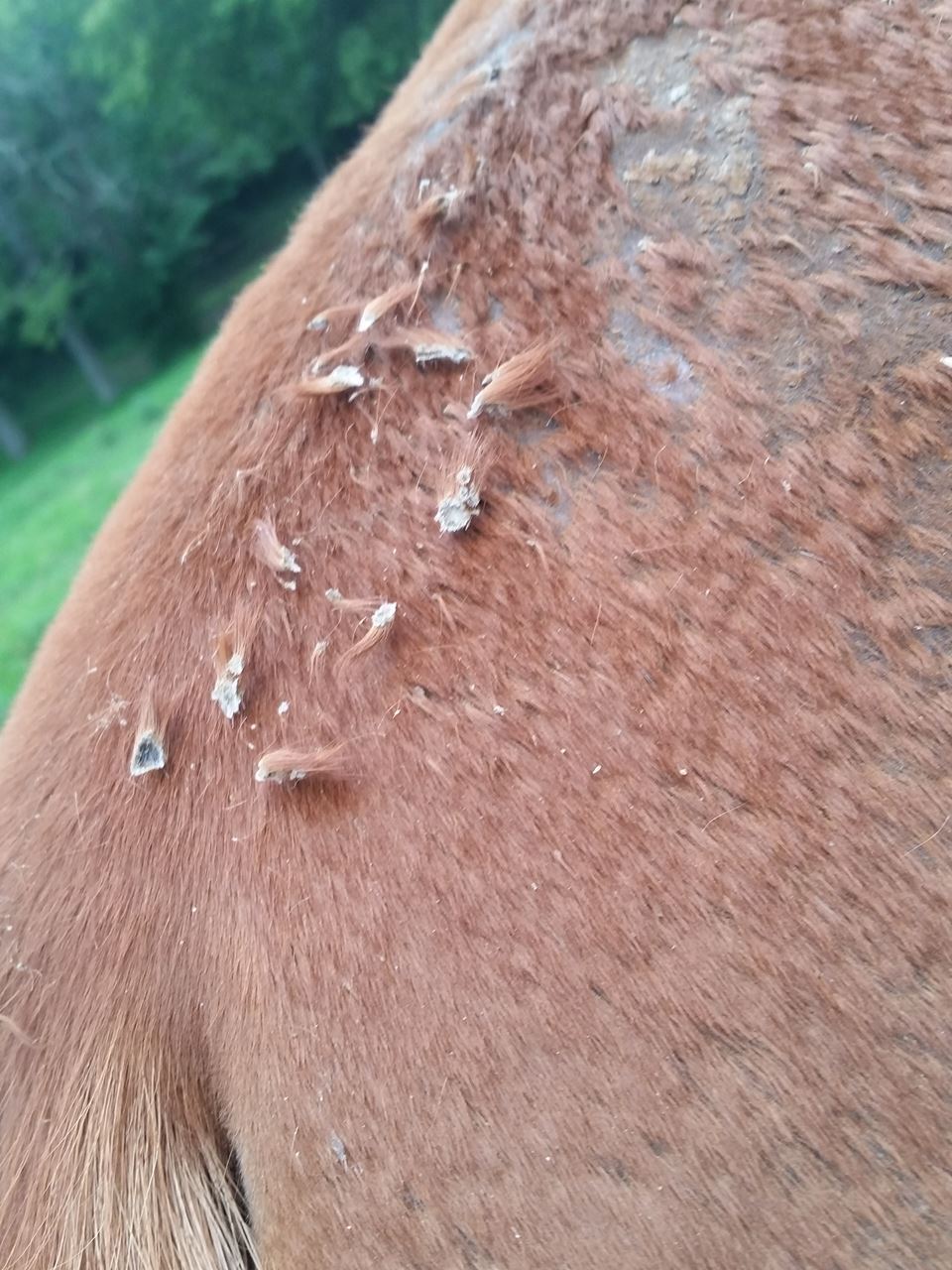
- Scabs and Crusts: The earliest and most common sign is the presence of scabs. These scabs are hardened, crusty areas of the skin, which may be of yellow, brown or gray color. Sometimes the scabs may adhere to the horse’s hair.
- Hair Loss: Usually, where the scabs are, there is the loss of hair. You may spot some areas of hair loss under the scabs. The skin in those places may be red or irritated.
- Wet or Damp Skin: The skin will be wet or damp if it is infected with rain rot but the scabs have not yet formed.
- Raised Bumps: Sometimes there are small bumps which are hidden under the scabs. The bumps may be itchy or painful to the horse.
- Foul Smell: In a situation where the infection is serious, the rot area may emit a bad smell.
Close Look at Rain Rot on a Horse’s Body
Rain rot may look different depending on its severity. Here are some stages::
| Stage | What You See | How Skin Feels |
|---|---|---|
| Early | Damp skin, small bumps, light redness | Soft, wet, itchy |
| Middle | Scabs form, hair loss starts, red skin | Hard scabs, sore spots, itchy |
| Advanced | Large scabs, thick crusts, bald patches | Dry, cracked skin, painful |
Common Areas Where Rain Rot Shows Up
Rain rot is a condition that is limited to certain body parts of a horse. These places are usually wet or dirty. Keep an eye on these parts:
- Back and Rump: The horse’s back and rump are the parts that get wet from rain. This is where rain rot usually starts.
- Neck and Shoulders: These areas can get wet when horses lie down or roll themselves.
- Head and Face: At times, rain rot may be found on the horse’s face.
- Legs: If the legs are kept in a wet condition, there is a possibility that rain rot will be formed there too.
How to Know It Is Rain Rot, Not Something Else
At times, skin issues may look like rain rot but they are different. Following are the differences:
- Rain Rot: Is characterized by the presence of scabs in which hair is entangled. The skin is initially wet or damp.
- Ringworm: Has circular, hairless areas but no scabs with hair attached.
- Scratches or Mud Fever: Occurs on legs with swelling and sores but there are no crusty scabs similar to those of rain rot.
In case you are still confused, a vet would be the right person to make a diagnosis.
.
Why Does Rain Rot Happen?
Rain rot occurs when the skin is kept in wet for a long time. Here are some of the reasons:
- Rain or wet weather that lasts for several days
- A horse rolling in wet grass or mud
- Poor grooming resulting in dirt remaining on the skin
- Skin damage caused by insect bites or scratches
- A weakened immune system in a horse
How to Help a Horse With Rain Rot
Once you notice rain rot, do not hesitate to take action. Here are simple steps to get your horse out of trouble:
- Keep the Horse Dry: Make your horse a place in a dry area. If necessary, a clean, dry blanket can be used to cover the horse.
- Removing Scabs Gently: This can be done by using warm water and a soft cloth. It should be done carefully so as not to injure the skin.
- Washing the Skin: The use of a horse-specific antibacterial shampoo is recommended. This will help the killing of the bacteria causing the infection.
- Coat Brushing: After the wash, the horse should be brushed properly to remove the loose hair and dirt.
- Make Sure the Horse’s Bedding Is Clean: Dirty bedding may cause rain rot to your horse and it will get worse.
- Contact a Vet: If the rain rot is severe or does not get better, a vet’s assistance should be sought.
How to Prevent Rain Rot
It is always better to prevent a disease than to cure it. Here are some ways by which rain rot can be prevented:
- During rainy weather, you should keep your horse dry.
- By grooming your horse daily, you will be able to keep the skin clean.
- Using a waterproof blanket is a good idea if your horse is out in the open.
- Good feeding is the best way to keep your horse in perfect health.
- Checking your horse’s skin regularly will help you to detect the first signs of the problem.
- Making sure that the stables and paddocks are clean and dry is also very important.
Why Knowing Rain Rot Matters
Being able to recognize rain rot allows you to provide quick assistance to your horse. If left for a long time, rain rot can be very harmful to the horse. It can cause the horse’s skin to become painful and sore. The horse is likely to lose hair, and the skin will itch. In some cases, the horse may become ill due to rain rot. The point is that early intervention means the shortest period of pain and recovery..

Credit: extension.psu.edu
Summary
Rain rot is mostly seen by looking at the scabby crusts on the skin that is or has been wet. Hair may also fall out from the areas with scabs. The most common sites of rain rot are the back, neck, and rump. The onset of this disease is when the skin is kept in wet for a long time. What you can do is keep your horse safe from the wet and make sure it is clean. The use of a special shampoo along with a soft brush is the way to go for cleaning the skin.
Always keep an eye on your horse’s skin. That is the best way to stop rain rot from progressing. If you are in doubt, a vet will be able to help you out. Proper care of the horse’s skin will make the skin healthy and the horse happy. Now, with the knowledge about the appearance of rain rot, you will be able to notice it and help your horse without delay. Healthy skin is a sign of a healthy horse.
Frequently Asked Questions
What Does Rain Rot Look Like on a Horse
What Are The First Signs Of Rain Rot On A Horse?
Rain rot begins with the appearance of small, scabby bumps and loss of hair on a horse’s skin.
How Does Rain Rot Affect A Horse’s Coat Appearance?
The coat looks patchy, dull, and has crusty, scaly spots where hair falls out.
Can Rain Rot Cause Itching Or Discomfort In Horses?
Yes, horses often scratch and rub due to itching caused by rain rot sores.
Where On The Horse Does Rain Rot Usually Appear?
Typical areas are the back, neck, and rump where moisture accumulates.
Thanks for Reading “What Does Rain Rot Look Like on a Horse”
Caring for a Horse With One Eye: Essential Tips
1 thought on “What Does Rain Rot Look Like on a Horse: Clear Signs & Solutions”