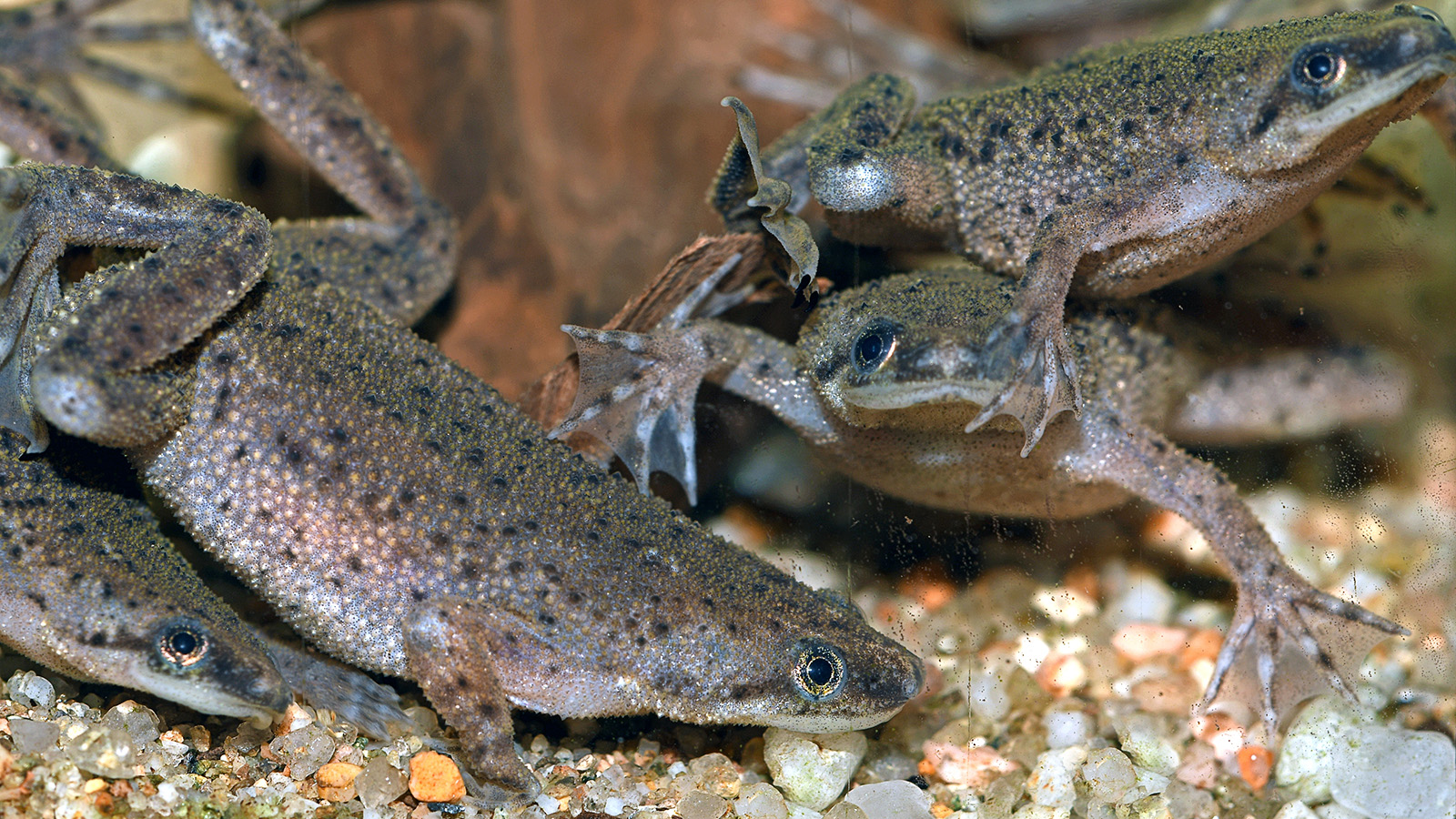
Have you ever wondered how some frogs manage to stay underwater for so long without coming up for air? The underwater frog is a fascinating creature that defies what you might think about amphibians.
Understanding how it lives beneath the surface can change the way you see nature’s amazing adaptations. If you want to discover the secrets behind the underwater frog’s unique abilities, keep reading you’ll be surprised by what you learn.
Credit: www.coastgemusa.com
Unique Traits Of Underwater Frogs
Underwater frogs have special traits that help them live in water. These traits make them different from land frogs. They swim, hide, and breathe in ways that fit their watery world. Their bodies are shaped to move smoothly underwater. Their skin helps them blend in and breathe. Let’s explore these unique traits closely.
Physical Features For Aquatic Life
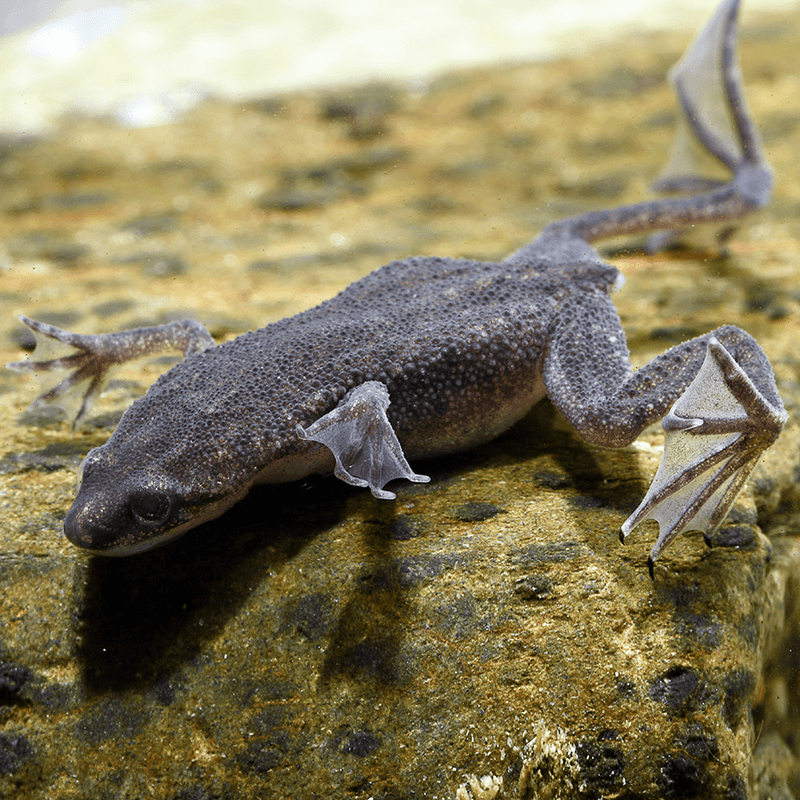
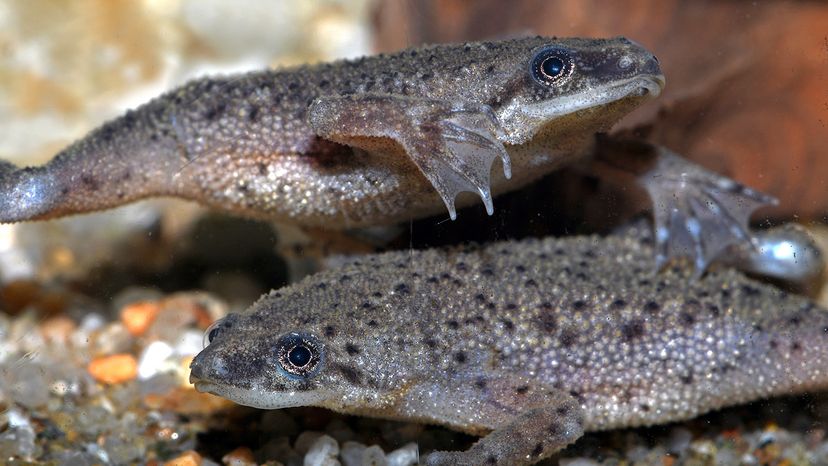
Underwater frogs have strong, webbed feet. These feet act like paddles for fast swimming. Their bodies are flat and streamlined. This shape helps them glide through water easily. Their eyes sit on top of their heads. This position lets them see above water without surfacing. Strong hind legs give them powerful jumps and quick escapes.
Skin Adaptations And Camouflage
The skin of underwater frogs is smooth and slippery. It helps reduce water resistance while swimming. Their skin color often matches the water environment. This coloring acts as camouflage. It hides them from predators and prey. Some have spots or patches that break up their outline. Their skin also stays moist to help with breathing.
Respiration Methods Beneath Water
Underwater frogs can breathe through their skin. This method is called cutaneous respiration. Their skin must stay wet for oxygen to pass through. They also use their lungs to breathe air. Some frogs can hold their breath for a long time. They absorb oxygen directly from water when underwater. This ability allows them to stay submerged longer.
Credit: animals.howstuffworks.com
Behavioral Adaptations
The underwater frog has unique behaviors that help it live well in water. These behaviors allow it to dive, swim, hunt, and talk under the water. Each action is a smart way to survive and thrive in its watery home.
Diving And Swimming Techniques
Underwater frogs dive by holding their breath tightly. They use strong back legs to push through water fast. Their webbed feet work like paddles, giving them good speed. They can stay underwater for several minutes without surfacing. This skill helps them hide from danger and catch food.
Hunting Strategies Underwater
These frogs hunt by staying very still. They wait for small fish or insects to come close. Then, they strike quickly with their long tongues. Their eyes watch carefully for any movement nearby. This patience and speed make them good hunters in water.
Communication In Aquatic Environments
Underwater frogs use sounds and body moves to talk. They croak to attract mates or warn others. Some make bubbles or water ripples to send signals. These ways help them stay connected even underwater. Communication is key for their safety and social life.
Surprising Facts About Underwater Frogs
Underwater frogs have some surprising traits that many people do not know about. These amphibians live in water and have unique features that help them survive and thrive. Their ways of living, breeding, and their role in nature are quite interesting. Let’s explore some facts about these amazing creatures.
Longevity And Survival Tactics
Some underwater frogs can live for more than 10 years. They use clever ways to avoid danger. Their skin can absorb oxygen directly from water, helping them stay underwater longer. They also hide under rocks or plants to escape predators. This helps them survive in tough environments.
Reproductive Habits In Water
Underwater frogs lay eggs in water, not on land. They often choose calm ponds or slow streams for safety. The eggs float or stick to underwater plants. Tadpoles hatch and live fully underwater before they become frogs. This life cycle keeps them safe and helps their young grow strong.
Role In Ecosystems
These frogs are important for their ecosystems. They eat insects, helping control pest numbers. Their tadpoles clean water by eating algae. They serve as food for fish, birds, and other animals. Without underwater frogs, many water habitats would struggle to stay healthy.
Comparisons With Other Frog Species
The underwater frog stands out among many frog species. Its unique lifestyle and traits offer a chance to compare it with others. Such comparisons help us understand how diverse and adaptable frogs can be. This section dives into key differences and similarities.
Differences In Habitat Preferences
Most frogs live near water but spend time on land too. The underwater frog prefers deep, cold waters. It stays submerged longer than most frogs. Others often hop on land or sit on plants. This frog rarely leaves its aquatic home.
Variations In Adaptation Levels
Adaptations vary widely among frog species. The underwater frog has special skin that absorbs oxygen from water. Many frogs breathe air through lungs and skin. This species can stay underwater for hours without surfacing. Such adaptation helps it avoid predators and hunt efficiently.
Evolutionary Insights
Frogs evolved to fit many environments. The underwater frog shows a unique evolutionary path. It developed traits for underwater survival only found in a few species. Studying this frog helps scientists learn about evolution and survival tactics in water. It reveals nature’s ability to create diverse life forms.
Conservation Challenges
Underwater frogs face serious conservation challenges that threaten their survival. These unique amphibians depend on clean water and safe habitats. Changes in their environment put them at risk.
Efforts to save these frogs must address several key problems. Pollution, habitat loss, and climate change all impact their populations. Understanding these threats helps guide protection actions.
Threats From Pollution And Habitat Loss
Pollution harms underwater frogs by contaminating their water. Chemicals from farms and factories poison their homes. This weakens their health and reduces their numbers.
Habitat loss destroys the places where underwater frogs live. Wetlands and ponds are drained for building or farming. Without these areas, frogs cannot survive or reproduce.
Impact Of Climate Change
Climate change changes water temperatures and rainfall patterns. These shifts disrupt frog breeding and food supply. Warmer waters may cause diseases to spread faster among frogs.
Extreme weather events like floods or droughts also destroy frog habitats. Underwater frogs struggle to adapt to these rapid changes. Their survival becomes uncertain as conditions worsen.
Efforts To Protect Underwater Frogs
Conservation groups work to clean and restore frog habitats. They remove pollutants and replant native plants near water bodies. Protected areas help maintain safe environments for frogs.
Scientists study underwater frogs to learn more about their needs. This research guides better conservation plans and policies. Public awareness campaigns encourage people to protect frog habitats.

Credit: www.youtube.com
Frequently Asked Questions
What Adaptations Help Underwater Frogs Survive?
Underwater frogs have webbed feet and strong legs for swimming. Their skin absorbs oxygen directly from water, allowing longer dives.
How Do Underwater Frogs Breathe Underwater?
They use cutaneous respiration, absorbing oxygen through their skin. This allows them to stay submerged for extended periods without surfacing.
Where Do Underwater Frogs Typically Live?
They inhabit freshwater ponds, lakes, and slow-moving streams. These environments provide shelter, food, and breeding grounds suitable for underwater life.
What Do Underwater Frogs Eat?
Underwater frogs feed on aquatic insects, small fish, and larvae. Their diet varies based on availability in their freshwater habitats.
Conclusion
The underwater frog shows nature’s amazing ways to adapt. It lives and breathes under water like no other frog. This creature teaches us about survival and change. Watching it helps us appreciate life beneath the surface. Its unique skills inspire curiosity and respect for wildlife.
The underwater frog remains a fascinating subject for study and wonder. It reminds us how much there is to explore in our world. Simple yet remarkable, it captures the beauty of life underwater.
Poison Dart Frog in the Tropical Rainforest: Stunning Colors & Secrets