
Strangles is a disease that horse owners fear. It can spread quickly, cause serious illness, and even lead to long-term problems for horses. If you own or care for horses, understanding how strangles spreads is essential. Knowing how horses get strangles can help you protect your animals and control outbreaks.
This article gives you a complete guide to strangles in horses. You’ll learn what strangles is, how it infects horses, what makes it so contagious, and the key steps for prevention. We’ll break down the science behind the disease in simple English.
You’ll also find practical advice, real-life examples, and expert tips you won’t see in basic guides.
What Is Strangles In Horses?
Strangles is an infectious disease caused by the bacteria Streptococcus equi. It mainly affects horses, ponies, and donkeys. The disease gets its name because infected horses can develop severe swelling in their throat, making it hard to breathe—almost as if they are being strangled.
Symptoms usually include:
- Fever
- Swollen lymph nodes, especially around the head and neck
- Nasal discharge (thick yellow pus)
- Difficulty swallowing
- Coughing
- Loss of appetite
The disease can range from mild to severe. While most horses recover, some can develop complications like bastard strangles (when infection spreads to other body parts) or chronic carriers (horses that silently spread the disease).
Strangles is not new. It was first reported hundreds of years ago. Today, it remains one of the most common infectious diseases in horses worldwide.
How Horses Get Strangles: The Main Transmission Routes
To understand how horses get strangles, you need to know how the bacteria moves from one horse to another. There are several ways strangles spreads.
Direct Contact
The most common way horses get strangles is through direct contact. When an infected horse sneezes, coughs, or has pus draining from the nose or abscesses, the bacteria are released into the environment. If another horse touches the infected horse, especially around the nose, mouth, or eyes, the bacteria can enter their body.
For example, if two horses share a stall and one is sick, the healthy horse can easily pick up the bacteria just by sniffing, licking, or rubbing against the sick one.
Indirect Contact (fomites)
Strangles can also spread by indirect contact. This happens when the bacteria attach to objects (called fomites) and another horse touches them. Common fomites include:
- Water buckets
- Feed troughs
- Grooming tools
- Halters, lead ropes
- Stalls, gates
Imagine a sick horse drinking from a water bucket. The bacteria can survive in the water for hours or even days. If a healthy horse drinks from the same bucket, it can get infected.
Aerosol Transmission
Although less common, strangles bacteria can travel in aerosol droplets. When a horse coughs or sneezes, tiny droplets fly into the air. If another horse inhales these droplets, it can become infected.
Aerosol spread is more likely in crowded barns or during outbreaks when many horses are sick.
Human And Equipment Carriers
Humans can act as carriers, too. If you handle a sick horse, the bacteria can stick to your hands, clothes, boots, or tools. If you then touch a healthy horse, you might pass on the infection.
This is why hygiene is so important in barns. Simple mistakes, like using the same brush or not washing hands, can lead to outbreaks.
Environmental Survival
Strangles bacteria can survive in the environment for a while. Studies show Streptococcus equi can live:
- Up to 3 days in water buckets
- 1–2 days on wood or metal surfaces
- Longer in moist, shaded areas
If horses graze or roll in contaminated areas, they can pick up the bacteria.
Risk Factors For Strangles Outbreaks
Some situations make it easier for strangles to spread. Here are the main risk factors:
- Crowded conditions: Horses kept in close quarters, like boarding stables or showgrounds, are more likely to catch strangles.
- Frequent horse movement: Bringing new horses into a barn increases risk. New arrivals can carry the bacteria without showing signs.
- Poor hygiene: Dirty water buckets, shared equipment, and lack of cleaning make it easier for strangles to spread.
- Stress: Horses under stress (travel, competition, illness) have weaker immune systems. They are more likely to get sick.
- Young horses: Horses under 5 years old are most susceptible, but all ages can be affected.
- Carrier horses: Some horses recover from strangles but keep the bacteria in their body. They can silently infect others for months or years.
Non-obvious insight: Many outbreaks start with a single carrier horse. This horse looks healthy but sheds bacteria in the environment, leading to new cases.
The Strangles Infection Process: Step By Step
Understanding how strangles infects a horse can help you see why it spreads so quickly.
Step 1: Exposure
A horse comes into contact with Streptococcus equi. This can happen from another horse, a contaminated object, or the environment.
Step 2: Entry
The bacteria enter the horse’s body, usually through the mouth or nose. Sometimes, they get in through tiny cuts in the skin.
Step 3: Attachment
The bacteria attach to cells in the horse’s upper respiratory tract, especially the pharynx and tonsils.
Step 4: Multiplication
Once attached, the bacteria multiply rapidly. The horse’s immune system tries to fight back, causing fever and inflammation.
Step 5: Abscess Formation
The body’s response traps the bacteria in lymph nodes, creating abscesses filled with pus. These abscesses swell and eventually burst, releasing more bacteria.
Step 6: Shedding
As abscesses burst, bacteria are released into the environment. The horse can now infect others.
Non-obvious insight: Horses start shedding bacteria before showing symptoms. This means a horse can look healthy but already be spreading strangles.
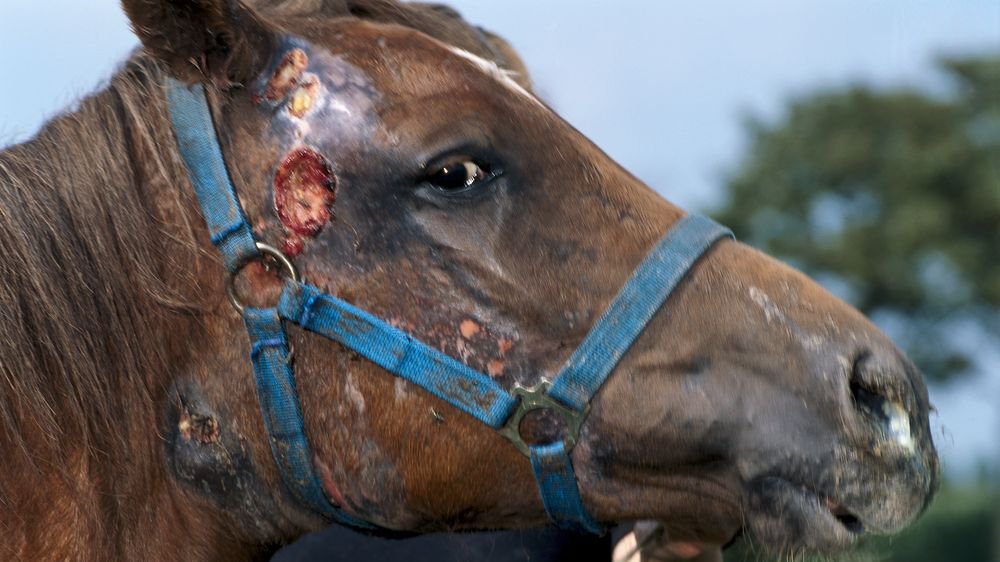
Credit: www.horsevet.co.uk
Comparing Strangles With Other Horse Diseases
It’s easy to confuse strangles with other respiratory diseases. Here’s a simple table comparing strangles to two common diseases.
| Disease | Main Cause | Key Symptoms | Contagious? | Typical Age Affected |
|---|---|---|---|---|
| Strangles | Streptococcus equi | Swollen lymph nodes, fever, pus | Yes | Young horses, all ages |
| Equine Influenza | Influenza virus | Cough, fever, runny nose | Yes | Young horses |
| Equine Herpesvirus | Herpesvirus | Fever, nasal discharge, abortion | Yes | All ages |
Strangles stands out for its swollen lymph nodes and thick yellow pus.
How Long Can Strangles Bacteria Survive Outside The Horse?
One reason strangles spreads so easily is that the bacteria survive outside the horse for a while. Here’s a comparison table showing survival times:
| Surface/Environment | Survival Time | Conditions |
|---|---|---|
| Water bucket | Up to 3 days | Cool, shaded, moist |
| Wood stall wall | 1–2 days | Moist, shaded |
| Metal gate | 1 day | Dry, exposed |
| Soil/pasture | Several days | Wet, shaded |
| Hands/clothing | Hours | Depends on cleaning |
Practical tip: Always clean and disinfect equipment after contact with sick horses.
Strangles Carriers: The Silent Spreaders
Some horses become carriers after recovering from strangles. These horses don’t look sick, but bacteria hide in their guttural pouches (air-filled spaces in the head). Carriers can shed bacteria for months or years.
Carrier horses are dangerous because:
- They can start new outbreaks without warning
- They are hard to identify without special tests
- They may shed bacteria especially during stress
Many outbreaks trace back to carrier horses brought into a new barn.
How To Identify Carrier Horses
Standard tests include:
- Endoscopy (looking inside the guttural pouch)
- PCR test (detects bacteria DNA)
- Culture test (grows bacteria from samples)
Testing is essential before bringing new horses into your barn, especially if they have a history of strangles.
Common Mistakes That Lead To Strangles Outbreaks
Even experienced horse owners make mistakes that allow strangles to spread. Here are some of the most common:
- Not quarantining new horses: Skipping quarantine is the fastest way to bring strangles into a barn.
- Sharing equipment: Using the same brushes, buckets, or tack for multiple horses spreads bacteria.
- Ignoring mild symptoms: Early signs like slight fever or runny nose are often missed.
- Poor hygiene: Not washing hands, boots, or clothes after handling sick horses.
- Crowding horses: Overcrowded stables make it easy for bacteria to jump from horse to horse.
- Not testing for carriers: Many outbreaks start with carrier horses that look healthy.
Expert tip: Always quarantine new horses for at least 2 weeks and test for strangles if possible.

Credit: thehorse.com
Prevention: How To Stop Strangles From Spreading
Preventing strangles is possible with careful steps. Here’s what works:
Quarantine New Arrivals
When you bring in new horses, keep them separate from the rest for at least 14–21 days. Monitor for symptoms. Test for strangles if possible.
Clean And Disinfect
After contact with sick horses, clean and disinfect:
- Water buckets
- Feed troughs
- Grooming tools
- Stalls
Use proper disinfectants. Soap and water are not enough.
Avoid Sharing Equipment
Each horse should have its own:
- Buckets
- Brushes
- Tack
If sharing is necessary, disinfect items between uses.
Monitor Horses
Watch for signs of strangles:
- Fever
- Swollen lymph nodes
- Nasal discharge
Isolate sick horses immediately.
Vaccination
Vaccines are available but not 100% effective. They can help reduce severity and spread, especially in high-risk barns.
Educate Staff And Owners
Train everyone who handles horses about strangles and hygiene. Simple mistakes can lead to outbreaks.
Test For Carriers
Before moving horses between barns, test for carrier status using PCR or endoscopy.
Real-life Example: Strangles Outbreak In A Riding School
Let’s look at a real example. In 2018, a riding school in England had a strangles outbreak. Over 40 horses were kept in close quarters. One horse developed a mild fever and swollen glands. The staff did not quarantine the horse or test for strangles.
Within two weeks:
- 15 horses showed symptoms
- 10 horses developed severe abscesses
- The riding school had to close for 3 months
- All equipment and stalls required deep cleaning
The outbreak started from a carrier horse brought in from another farm. The riding school learned to always quarantine and test new arrivals.
Non-obvious insight: Outbreaks can force barns to close for months, costing thousands of dollars and harming horse health.
Strangles In Wild Vs. Domestic Horses
Strangles affects both wild and domestic horses, but the risks are different.
| Type of Horse | Risk Factors | Outbreak Control | Carrier Detection |
|---|---|---|---|
| Domestic horses | Crowding, sharing equipment, new arrivals | Quarantine, cleaning, vaccination | Possible with tests |
| Wild horses | Natural contact, grazing, water sources | Hard to control | Not possible |
In wild herds, strangles can spread naturally but outbreaks are less severe due to lower density.
Practical Tips For Horse Owners
If you own or care for horses, here are some practical tips:
- Quarantine: Always separate new horses for at least 2 weeks.
- Don’t share: Keep buckets, brushes, and tack separate.
- Clean regularly: Disinfect stalls, equipment, and common areas.
- Watch symptoms: Fever, swollen glands, and pus mean possible strangles.
- Test carriers: Before moving horses, ask for carrier tests.
- Vaccinate: In high-risk barns, consider vaccination.
Scientific Research: Why Strangles Remains A Threat
Research shows strangles is still one of the top diseases in horses worldwide. Studies estimate:
- Up to 30% of horses in affected barns become carriers
- Strangles outbreaks can last months
- Carrier horses can shed bacteria for over a year
According to the British Equine Veterinary Association, strangles is reported in almost every country. The bacteria evolve, making control difficult.
For more scientific details, see the Wikipedia page on Strangles.
Frequently Asked Questions
What Is The Main Cause Of Strangles In Horses?
Strangles is caused by the bacterium Streptococcus equi. This bacteria infects the upper respiratory tract and lymph nodes, leading to swelling, pus, and fever.
How Can I Prevent My Horse From Getting Strangles?
Prevent strangles by quarantining new arrivals, avoiding shared equipment, cleaning regularly, monitoring for symptoms, and testing for carrier horses. Vaccination can help in high-risk situations.
Can Humans Catch Strangles From Horses?
Humans cannot get strangles. However, people can carry the bacteria on their hands, clothes, or boots and pass it to other horses. Good hygiene is important.
How Long Does A Horse Shed Strangles Bacteria?
Horses can shed Streptococcus equi for several weeks after infection. Carrier horses may shed bacteria for months or years, even if they look healthy.
Is There A Treatment For Strangles?
Most horses recover with supportive care—rest, fluids, and soft feed. Severe cases may need antibiotics or surgery. Always ask a vet before treating strangles.
Strangles is a serious disease, but you can protect your horses with knowledge and good habits. By understanding how horses get strangles and following prevention steps, you can keep your stable safe. If you suspect strangles, act quickly—your horse’s health and the well-being of your whole barn depend on it.

Credit: www.msd-animal-health-hub.co.uk