
Every horse owner fears the word colic. It can turn a peaceful day at the stable into an emergency. Yet many people wonder, how do horses actually get colic? Understanding the causes, risk factors, and prevention methods is not just helpful—it’s necessary for anyone who spends time around these gentle animals. Colic can range from mild discomfort to life-threatening situations. Horses cannot vomit, so digestive problems become serious quickly. This article will guide you through all the ways horses get colic, what signs to watch for, and how you can keep your horse safe.
What Is Colic In Horses?
Colic is not a single disease. Instead, it is a broad term for abdominal pain in horses. The pain can come from the stomach, intestines, or other parts of the digestive tract. Sometimes, colic is mild and passes quickly. Other times, it can be deadly within hours. The causes are many, but all require attention.
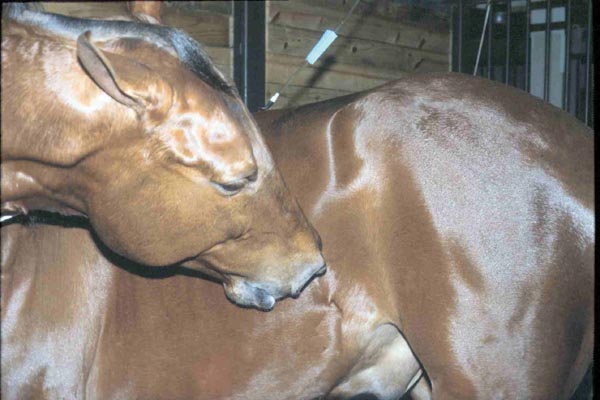
Key signs of colic include:
- Pawing at the ground
- Looking at the flank
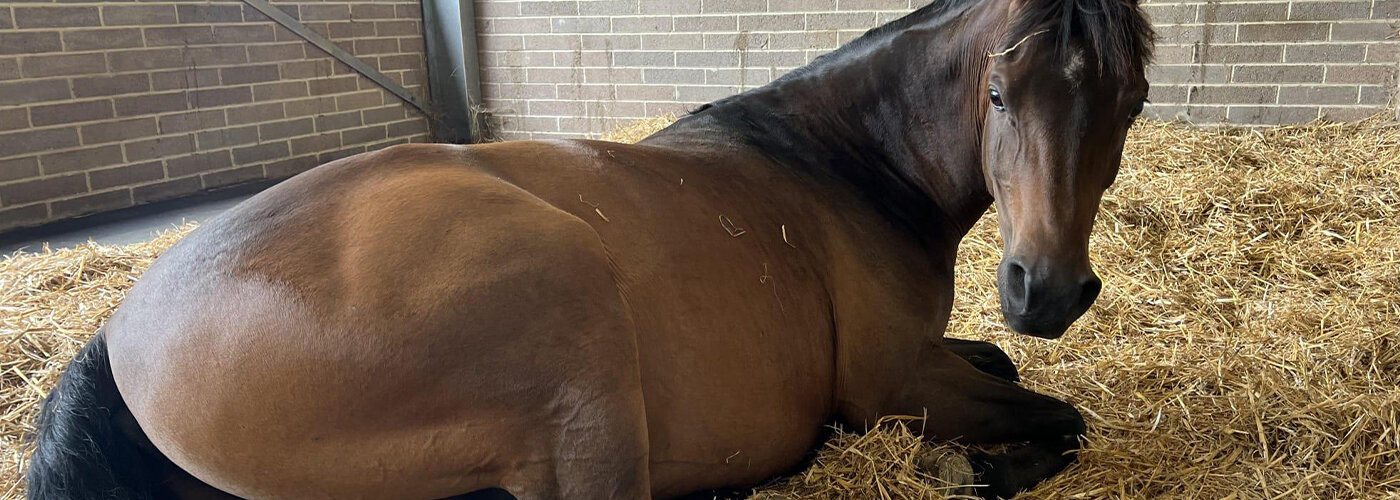
- Rolling or lying down more than normal
- No interest in food or water
- Sweating without exercise
- High heart rate
Because horses are prey animals, they often hide pain until it gets worse. Quick action is essential.
Main Causes Of Colic In Horses
Horses can get colic for many reasons, but some are much more common than others. Let’s look at the main causes.
1. Sudden Diet Changes
The horse’s digestive system is sensitive. Sudden feed changes are a leading cause of colic. For example, switching from hay to grain or introducing new pasture quickly can upset gut bacteria. These bacteria help digest food. If they change too fast, gas and toxins can build up, leading to pain.
2. Poor-quality Feed
Moldy or dusty hay, old grain, or feed contaminated with foreign objects (like twine or plastic) can all cause colic. Horses are more sensitive than many animals. Eating poor-quality feed can block or irritate the gut.
3. Inadequate Water Intake
Dehydration is a major risk factor. Horses need constant access to clean water. If a horse drinks less because of cold weather, dirty buckets, or stress, the risk of impaction colic (where food gets stuck) rises.
4. Sand Ingestion
In some regions, horses eat off sandy soil or graze short grass. Over time, sand can build up in the intestines, causing irritation or blockage. This is called sand colic. It is more common in dry, sandy areas.
5. Parasite Infestation
Worms, especially strongyles, can damage the gut wall or block blood flow. Regular deworming is critical. Horses with high worm loads are much more likely to colic, especially young or old horses.
6. Lack Of Exercise
Horses evolved to move and graze all day. Stabled horses or those with little turnout are at higher risk. Movement helps digestion, and standing still can slow the gut, leading to impaction or gas colic.
7. Dental Problems
Horses with sharp teeth or missing teeth may not chew properly. Large food pieces can block the intestines. Regular dental care prevents many cases of colic, especially in older horses.
8. Stress And Travel
Stress from transportation, shows, or changes in environment can affect gut motility. Horses may eat less, drink less, or become dehydrated. These changes can trigger colic, even in healthy horses.
9. Ulcers And Gastric Issues
Stomach ulcers are common, especially in performance horses. Pain from ulcers can cause colic symptoms, even if the gut is not blocked. Stress, irregular feeding, and high-grain diets increase ulcer risk.
10. Twisted Gut Or Displacement
Sometimes, a section of intestine moves to an abnormal position or twists. This is called volvulus or displacement. It is life-threatening and usually needs surgery. Causes are not always clear, but large meals, sudden exercise, or previous colic can be triggers.
Types Of Colic In Horses
Not all colic is the same. Knowing the type helps with treatment.
| Type of Colic | Description | Severity |
|---|---|---|
| Gas Colic | Excess gas stretches the gut | Usually mild |
| Impaction Colic | Food or sand blocks the intestine | Mild to severe |
| Spasmodic Colic | Sudden intestinal cramps | Often mild |
| Displacement/Torsion | Intestine moves or twists | Severe, emergency |
| Enteritis/Colitis | Inflammation of the gut wall | Varies |
How Horses Get Colic: The Science Explained
Horses are naturally at risk for colic because of their unique digestive anatomy. The stomach is small, and the large colon is long and folded. This design helps them digest grass but also makes blockages and twists more likely.
Key facts:
- Horses cannot vomit. Pressure or gas has no escape.
- The large colon can hold over 20 gallons of material, and it has sharp bends.
- Sudden food changes or dehydration can slow gut movement, causing blockages.
- Stress changes gut motility by affecting nerve signals.
For example, a horse suddenly switched from pasture to grain may produce more gas than usual. If the horse is also stressed (say, from a competition), the gut may slow down, making things worse.

Credit: www.smartpakequine.com
Risk Factors: Why Some Horses Get Colic More Than Others
It’s not just bad luck. Some horses are more likely to get colic due to certain risk factors.
Age
Older horses often have dental issues or reduced gut motility. Foals can get colic from parasites or milk problems.
Breed
Some studies suggest that Thoroughbreds and other hot-blooded breeds may be more sensitive to digestive upset. However, all breeds can get colic.
Feeding Practices
Horses fed large, infrequent meals have a higher risk. Horses on pasture with constant forage have fewer problems.
Management And Environment
Horses that are stabled most of the day, have limited water, or are under frequent stress are at much higher risk.
Real-life Example: How A Horse Gets Colic
Imagine “Star,” a 12-year-old gelding. Star is used to grazing all day. One winter, his owner switches him to hay and grain quickly. The water bucket freezes overnight, so Star drinks less. By the third day, Star is restless and starts rolling. The vet finds an impaction colic—partly because of the food change, partly from dehydration. With fluids and care, Star recovers, but his owner learns to change feed slowly and check water daily.
How To Prevent Colic In Horses
Prevention is much better than treatment. Here are proven ways to reduce the risk.
- Change feed gradually: Take 7-14 days to switch hay or grain.
- Provide clean water: Check buckets twice a day, and use heated buckets in winter.
- Feed good-quality forage: Avoid moldy, dusty, or spoiled feed.
- Deworm regularly: Work with your vet to design a parasite program.
- Encourage movement: Turnout is best, but hand-walking helps too.
- Maintain dental health: Have a vet check teeth at least once a year.
- Minimize stress: Give horses time to adjust to changes.
- Feed small, frequent meals: This matches their natural eating pattern.
- Monitor sand intake: Feed off mats or in feeders, not directly on sand.
- Watch for early signs: Quick action saves lives.
Common Mistakes Horse Owners Make
Many cases of colic could have been prevented. Here are mistakes to avoid:
- Ignoring small changes in appetite or behavior
- Making feed changes too quickly
- Skipping water checks in cold weather
- Not scheduling dental or deworming visits
- Overusing grain for “extra energy”
- Not calling a vet soon enough
Credit: extension.umn.edu
Treatment: What Happens When A Horse Gets Colic
Colic is always serious. If you suspect it, call your veterinarian right away.
Treatment may include:
- Walking the horse to prevent rolling
- Withholding food but not water
- Pain relief (as prescribed by a vet)
- Fluids to rehydrate
- Stomach tubing to relieve gas
- Surgery for severe cases (like twisted gut)
Early intervention is the key. Horses can go from mild to severe very fast.
Data: Colic Incidence And Outcomes
Here’s how common colic is and what happens in most cases:
| Statistic | Value |
|---|---|
| Annual risk of colic per horse | 4–10% |
| Cases needing surgery | Less than 10% |
| Survival after surgery | 60–80% |
| Colic as cause of death (all horses) | Leading non-infectious cause |
Myths And Lesser-known Facts
Many horse owners hear myths about colic. Here’s the truth:
- Horses do not always roll violently with colic. Some just stand quietly and look uncomfortable.
- Not all colic is from “bad hay.” Even horses on lush pasture can get colic.
- Giving mineral oil without a vet’s advice can be dangerous.
- A horse can colic even with perfect care—risk is never zero.
Non-obvious insight: Horses with a previous colic episode are at higher risk of future colic. Keeping a detailed health record helps spot patterns early.
Another insight: Horses that bolt their food (eat too fast) are more likely to get impactions. Using slow feeders or spreading out meals can help.
When To Call The Vet
If your horse shows any of these, call the vet:
- Repeated rolling or thrashing
- No manure for 12+ hours
- High heart rate (over 60 beats per minute)
- No improvement after 1–2 hours
- Severe pain (not relieved by walking)
Never wait and see if things get better on their own. Horses can deteriorate quickly.
Credit: www.worldhorsewelfare.org
Colic Recovery And Aftercare
After an episode, the horse may need special care:
- Slowly reintroduce feed
- Monitor for signs of pain or infection
- Keep detailed records for your vet
- Watch for recurrence
Some horses need ongoing changes in diet or routine to prevent future problems.
Frequently Asked Questions
What Is The Most Common Cause Of Colic In Horses?
The most frequent cause is sudden changes in diet or feeding practices. Switching hay or grain too fast upsets the gut, leading to gas or impaction colic.
Can Colic Be Prevented Completely?
No, but you can greatly reduce the risk by providing clean water, high-quality forage, gradual feed changes, and regular veterinary care. Colic can still occur even with perfect care.
How Do I Tell If My Horse Has Colic?
Watch for signs like pawing, rolling, looking at the flank, no appetite, or sweating without exercise. Even subtle changes can be important.
Is Colic Contagious Between Horses?
No, colic is not contagious. However, poor management (like dirty water or bad feed) can affect more than one horse in a barn.
Where Can I Learn More About Colic In Horses?
A reliable source for further reading is the Wikipedia page on equine colic.
Caring for horses means staying alert and informed. Colic is a challenge, but with knowledge and quick action, most horses recover well. Always work closely with your veterinarian and never hesitate if you see something unusual. Your horse’s life may depend on it.