
Horses are incredible animals, not just for their strength and speed but for the ways their bodies manage the basics of life. One of the most important things for a horse is water. Understanding how horses drink water goes beyond simply watching them at a trough.
Their drinking habits, water needs, and the problems that can arise if they do not drink enough are all key to their health and happiness. If you care for horses or just want to know more about these amazing animals, learning about their relationship with water is essential.
The Basics: How Horses Drink Water
When you see a horse drinking, it might look simple, but their method is unique. Unlike dogs and cats that lap up water with their tongues, horses use their lips and teeth in a special way. They lower their head to the water, often opening their lips slightly.
Their tongue dips under the surface, creating a suction force. This action draws water into their mouths, which they then swallow. It’s a smooth movement, repeated until they have had enough.
One thing many people do not realize is that horses drink in bursts. They may take 5 to 10 swallows, lift their heads to swallow and breathe, and then go back for more. This pattern helps prevent choking and allows them to monitor their surroundings for safety—a behavior that comes from their instincts as prey animals in the wild.
How Much Water Do Horses Need?
Every horse is different, but there are some reliable averages. An adult horse weighing about 500 kg (1,100 lbs) will usually drink 20 to 40 liters (5 to 10 gallons) of water a day. However, this amount can change depending on several factors:
- Workload: Horses that exercise or work hard need more water to replace what they lose through sweat.
- Weather: Hot and humid days make horses sweat more, increasing their need for water.
- Diet: Horses eating dry hay will need more water than those eating fresh grass, which has more moisture.
- Size and age: Larger horses or growing foals usually drink more.
To give you a clearer picture, here is a comparison of daily water needs for different types of horses:
| Type of Horse | Average Water Intake (Liters/Day) | Notes |
|---|---|---|
| Idle Adult Horse | 20-25 | Cool weather, pasture access |
| Working Horse | 30-45 | Heavy exercise, warm climate |
| Lactating Mare | 40-60 | Needs more for milk production |
| Foal (Young Horse) | 5-12 | Depends on age/feeding |
Why Water Is So Important For Horses
Water is not just for thirst. It is vital for nearly every function in a horse’s body. Here are some key reasons:
- Digestion: Water helps break down food and move it through the gut. Without enough, horses can develop colic, a dangerous stomach problem.
- Cooling: Horses sweat to cool down, and sweating uses a lot of water.
- Joint and tissue health: Water keeps the tissues and joints moist, preventing injuries and stiffness.
- Transport of nutrients: Water carries vitamins, minerals, and other nutrients where they are needed.
A horse can survive for weeks without food but only a few days without water. Dehydration can happen fast, especially in hot weather or during exercise.
Where Do Horses Drink?
Horses can drink from many sources:
- Buckets or troughs: Most common in stables or paddocks
- Streams or ponds: Often used by horses living outside
- Automatic waterers: Devices that refill themselves, popular in modern stables
Each water source has benefits and risks. For example, streams may look clean but could have bacteria. Buckets are easy to monitor but can get dirty quickly. Automatic waterers are convenient but sometimes break or freeze in winter.
How Horses Find Water In The Wild
Wild horses must find water on their own. They use their sense of smell and memory to locate water holes, even in dry places. If water is scarce, a wild horse will travel long distances. Some herds in deserts walk up to 30 km (18 miles) a day to find water.
Wild horses also get water from plants, especially in the morning when dew is on the grass. This helps them survive in areas where open water is not always available.
Signs A Horse Needs Water
Sometimes, a horse will not drink enough, and it is not always easy to spot. Here are signs a horse may be dehydrated:
- Sunken eyes: The eyes look deeper in the sockets.
- Dry gums: The inside of the mouth feels sticky or dry instead of moist.
- Skin pinch test: Pinch the skin on the neck—if it does not spring back quickly, the horse may be dehydrated.
- Lethargy: The horse seems tired or slow.
- Reduced appetite: Not interested in food.
- Dark urine: Urine is more yellow than usual.
It is important to check water intake daily, especially during hot weather or if the horse is sick.
Common Problems With Horses Drinking Water
Even with plenty of water available, problems can happen. Some horses are picky. Others may avoid drinking if the water is too cold, dirty, or tastes strange. Here are some common issues:
Dirty Water
If water is not clean, horses may refuse to drink. Buckets and troughs can collect dirt, hay, leaves, or even bird droppings. It is important to clean them regularly—at least once a day. Also, green slime (algae) can grow in warm weather, which some horses find disgusting.
Cold Water In Winter
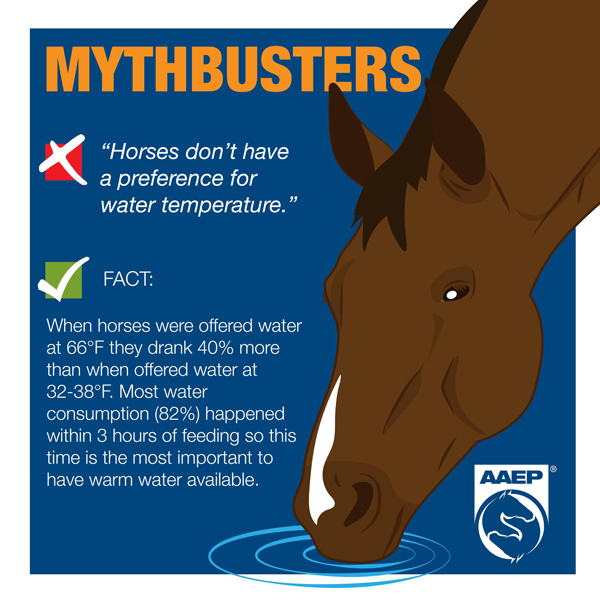
Some horses do not like very cold water. In winter, water can freeze or become icy cold, making horses drink less. This can lead to dehydration and colic. Using heated buckets or waterers can help.
Water Location
Horses may not drink enough if the water is far from where they eat. If a horse has to walk a long distance to drink, it may not go often enough. Placing water close to feeding areas encourages more drinking.
Taste And Smell
Horses have sensitive noses and tongues. If water smells of chemicals (like chlorine) or metal (from old pipes), they may not drink it. Sometimes, a change in water—such as when traveling to a show—can cause a horse to stop drinking.
Bringing water from home or using flavor additives can help in these situations.
Health Issues
Dental pain, mouth injuries, or illness can stop a horse from drinking. If a horse suddenly refuses water, a vet should check for health problems.
How To Encourage Horses To Drink More
Getting horses to drink enough water can sometimes be a challenge. Here are practical ways to help:
- Always provide clean, fresh water: Change water at least once a day and scrub buckets weekly.
- Use large, easy-to-find containers: Wide buckets or troughs are easier for horses to use than narrow ones.
- Add salt to the diet: Salt encourages thirst. Most horses need a salt block or loose salt available.
- Soak hay or feed: Wetting hay or adding water to grain can help add moisture, especially for horses that do not drink much.
- Offer warm water in winter: Slightly warm water (10-20°C or 50-68°F) is more appealing than icy water.
- Bring water from home when traveling: Some horses refuse strange-tasting water. Bringing your own can prevent problems.
- Try flavoring water: Apple juice, peppermint, or electrolyte powders can make water more tempting, but use only safe products and check with a vet.
Many people overlook the power of salt. Horses naturally crave salt, which makes them thirsty and encourages drinking. If you live in a humid area or your horse sweats heavily, adding electrolytes (special salts) may be needed.
Credit: www.equinechronicle.com
Water Quality: What’s Safe For Horses?
Just because water looks clear does not mean it is safe. Horses are sensitive to some contaminants. Here are things to watch for:
- Algae: Blue-green algae can be toxic and sometimes grows in ponds or troughs during hot weather.
- Bacteria and parasites: Dirty water can carry germs that cause diarrhea or other illnesses.
- Chemical runoff: Water near farms or roads may have pesticides, oil, or fertilizer.
- High minerals: Some well water contains a lot of iron or sulfur, which can taste bad or cause health issues.
A basic rule: If you would not drink the water, your horse should not either.
Here’s a comparison of water quality factors:
| Factor | Safe Level | Risks if High |
|---|---|---|
| Bacteria (E. coli) | 0/100 mL | Diarrhea, illness |
| Nitrates | <10 mg/L | Poor oxygen, health problems |
| Iron | <0.3 mg/L | Bad taste, stains, reduced intake |
| Algae | None visible | Toxins, refusal to drink |
Testing water once or twice a year is a smart idea, especially if you use well water or have noticed changes in taste or smell.
How Drinking Habits Change With Seasons
Horse drinking patterns change throughout the year. In summer, they may double their normal intake, especially if working or sweating. In winter, the risk is that they drink too little. Horses may avoid icy water, and snow does not replace liquid water needs.
In spring and autumn, as temperatures change, horses may naturally adjust their intake. Fresh grass in spring provides more water, so some horses drink less from troughs.

Credit: thehorse.com
Special Cases: Foals, Old Horses, And Sick Horses
Some horses have special water needs. Young foals, for example, get most of their water from their mother’s milk at first, but they start to drink water from a few weeks old. Old horses may have dental issues that make drinking or chewing hay harder, so soaked feeds and easy-access buckets are important.
Sick horses may need extra encouragement to drink. If a horse is colicking (has a stomach ache), the vet may give fluids by tube or drip to prevent dehydration. Horses with fever or diarrhea also need close watching.
Water And Horse Travel
Travel can disrupt a horse’s drinking routine. Stress, new places, and different water flavors can all reduce intake. Dehydration is a common problem at horse shows or during transport.
Here are tips for encouraging drinking when traveling:
- Offer water from home in familiar buckets.
- Bring flavored water if your horse likes a certain taste.
- Stop often on long trips to let your horse drink and rest.
- Watch for signs of dehydration, especially after travel.
Some horses are more sensitive to travel than others, so it helps to know your horse’s habits and prepare ahead.
Automatic Waterers Vs. Buckets: Which Is Better?
Many barns now use automatic waterers, but traditional buckets and troughs are still common. Which is better? Both have pros and cons.
| Type | Advantages | Disadvantages |
|---|---|---|
| Automatic Waterer | Convenient, always full, less labor | Hard to monitor intake, can freeze, may break |
| Bucket/Trough | Easy to measure intake, portable, simple | Needs daily cleaning, can tip over or get dirty |
For horses with health risks (like those prone to colic), many owners prefer buckets so they can see how much the horse drinks. In large groups or busy stables, automatic waterers save a lot of work, but regular checks are still essential.
How To Monitor Your Horse’s Water Intake
Knowing how much your horse drinks is important, especially if you suspect a problem. Here are practical methods:
- Measure bucket refills: Fill the bucket to a marked level and check how much is left after 24 hours.
- Count drinks: Notice how often your horse visits the water.
- Check for wet bedding: In stalls, wetter bedding suggests good water intake.
If you see a sudden drop in water use, it is a warning sign. Check for illness, bad-tasting water, or other changes.

Credit: www.vitaflex.com
Non-obvious Insights About Horses And Drinking Water
Many horse owners focus only on the main water source, but horses also get moisture from grass, feed, and even licking dew or snow. In summer, horses on lush pasture may drink less from troughs because grass contains up to 80% water.
Another thing beginners often miss is the role of herd behavior. If one horse refuses to drink (maybe due to illness or bad water), others may follow its example. This is why it is important to monitor all horses individually, not just the group.
The Role Of Water In Preventing Colic
Colic is one of the most feared horse illnesses. One major cause is poor water intake, especially in winter. When horses do not drink enough, the digestive system slows down, and blockages can form. Soaking hay, encouraging drinking, and making sure water is not too cold are all smart ways to prevent this dangerous condition.
How Wild Horses Adapt To Water Scarcity
Wild horses teach us a lot about adaptation. In dry climates, they adjust by:
- Eating plants with higher moisture at certain times of the day.
- Digging for water in riverbeds using their hooves.
- Traveling in the early morning or evening to avoid heat and reduce water loss.
This ability to adapt is one reason horses have survived in many harsh environments.
Fun Facts About Horses And Water
- Horses can drink water surprisingly fast. A thirsty horse can swallow up to 10 liters (2.6 gallons) in just a few minutes.
- Some horses splash or play in water, especially foals. This is not always a sign of thirst but can be part of normal behavior.
- Unlike some animals, horses do not sweat much through their mouths. They lose water through sweat and breathing instead.
Frequently Asked Questions
How Long Can A Horse Go Without Water?
A healthy horse may survive 3 to 6 days without water, but serious health problems can start after just 1 or 2 days of dehydration. Always provide water at all times.
Can Horses Drink Too Much Water?
It is rare but possible, especially after hard work or if a horse is very hot. Sudden, large intakes can sometimes cause problems like water intoxication, but this is uncommon. Most horses self-regulate their drinking.
Should I Add Electrolytes To My Horse’s Water?
Electrolytes can help horses that sweat heavily or work hard, but always offer plain water as well. Too many electrolytes without enough plain water can make a horse sick. Ask your vet for advice before adding supplements.
Why Won’t My Horse Drink Away From Home?
Many horses refuse new water because of unfamiliar smells or tastes. Bringing water from home, using familiar buckets, or adding a safe flavor (like apple juice) can help encourage drinking during travel.
What Should I Do If My Horse Is Not Drinking?
First, check the water for cleanliness, temperature, and taste. Look for signs of illness such as fever, colic, or dental pain. Encourage drinking with soaked feeds or flavorings. If your horse still refuses water, call your veterinarian right away.
Caring for horses means understanding their needs, and water is at the heart of their health. Whether you keep one horse or a whole herd, paying attention to how they drink, the quality of their water, and their daily habits can prevent many problems. By taking water seriously, you protect your horse’s well-being and give them the best chance to thrive. For more detailed information about equine hydration, you can visit the Wikipedia guide to horse care.