
Steering a horse is both an art and a science. From ancient times to modern equestrian sports, people have developed many ways to communicate with these powerful animals. If you have ever watched a horse and rider move together as one, you may wonder how such control is possible. The answer is a mix of body signals, careful practice, and understanding the horse’s mind. This guide will explain how people steer horses, from basic techniques to advanced skills. You’ll learn not only the “how,” but also the “why”—and discover some insights that even experienced riders sometimes miss.
How Horses Understand Human Signals
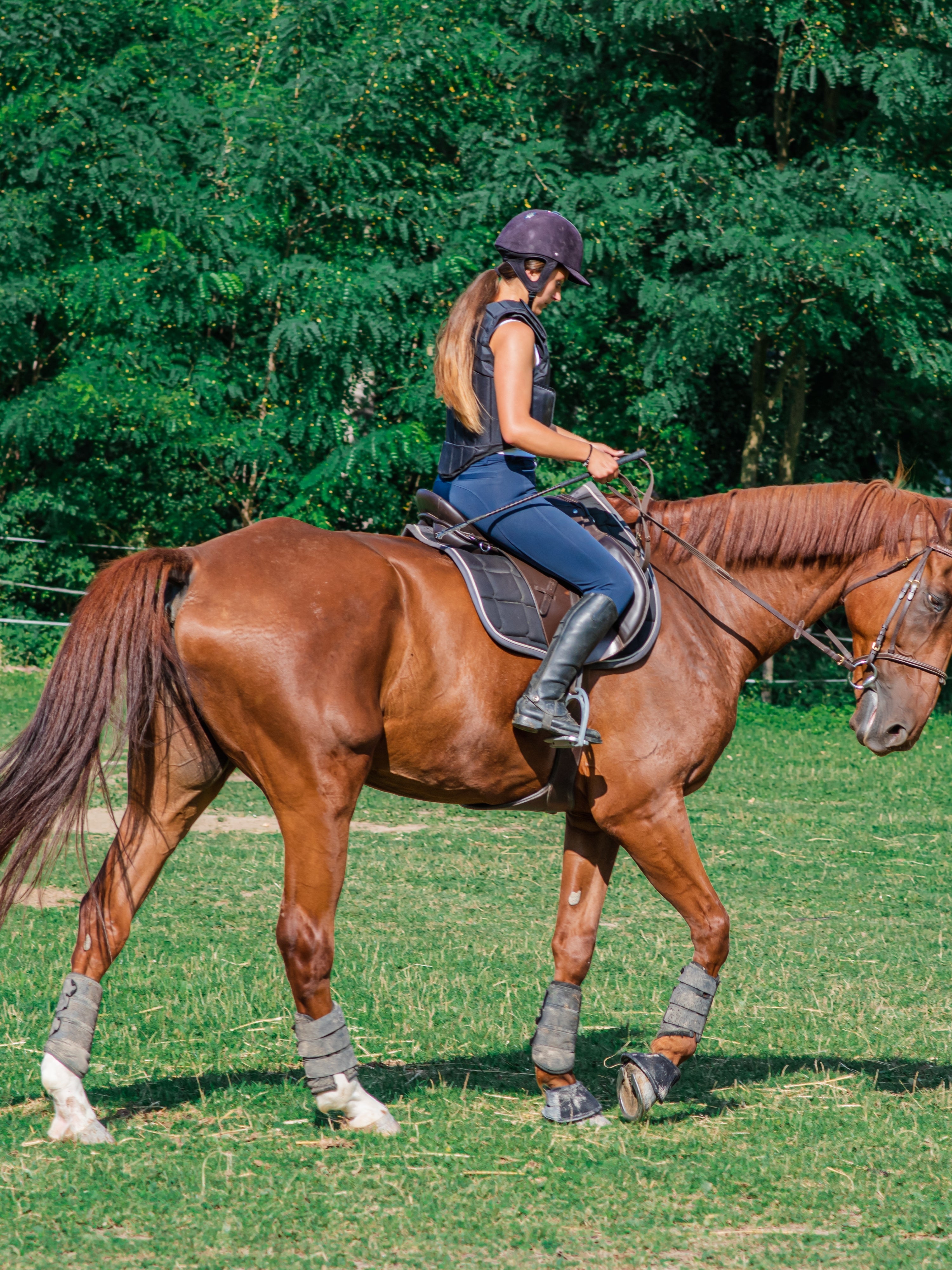
Horses are prey animals, so they are always alert to their environment. They notice small changes in pressure, movement, and tone. Riders use this awareness to guide the horse. The main tools are the reins, legs, seat, and voice. Each tool can give simple or complex instructions. Unlike cars or bicycles, horses are living partners. This means steering is about communicating, not just controlling.
Horses also have a strong sense of body language. For example, they can feel when a rider shifts their weight or tenses their muscles. Horses respond best to clear, gentle signals. If the rider is tense, the horse may become nervous. If the rider is relaxed but focused, the horse is more likely to follow instructions. This is why skilled riders spend years improving their “feel” for the horse.
The Basic Tools For Steering
Understanding the tools for steering is the first step. Each tool works alone and together with others. Here’s a closer look at the main aids:
1. The Reins
Reins are straps attached to the horse’s bit or headgear. Riders hold the reins and use them to give signals. Pulling or releasing the reins can tell the horse to turn, stop, or slow down.
There are two main types of rein aids:
- Direct rein: Pulling one rein gently to the side, asking the horse to turn its head that way.
- Indirect rein: Moving a rein across the neck without pulling, which helps shift the horse’s shoulders.
2. The Rider’s Legs
The legs are used to guide and encourage the horse. Squeezing with the right or left leg can ask the horse to move sideways or keep moving forward during a turn.
3. The Seat
The seat means the position and movement of the rider’s hips and pelvis. Shifting weight can signal the horse to turn, stop, or change speed. A balanced seat helps the rider stay with the horse’s motion.
4. The Voice
Some riders use voice commands like “walk,” “trot,” or “whoa.” Horses can learn to respond to these words, especially when combined with other aids.
5. The Horse’s Training
A horse’s level of training affects how well it responds to steering. Young or “green” horses need clear, simple signals. Experienced horses can respond to lighter aids and more subtle cues.
Step-by-step: How To Steer A Horse
Steering a horse is not just about pulling the reins. It is a coordinated process. Here are the main steps:
- Look where you want to go. Horses notice where your head and shoulders are pointing.
- Prepare your body. Shift your weight slightly in the direction of the turn. This helps signal your intention.
- Give the rein aid. Use the inside rein to ask for the turn. For example, to turn left, gently pull the left rein toward you.
- Support with your outside rein. Keep gentle contact with the outside rein (right rein if turning left). This helps keep the horse’s neck straight and balanced.
- Use your legs. Press with your inside leg at the girth to encourage the horse to step forward and around the turn. The outside leg supports and prevents the horse’s hindquarters from swinging out.
- Follow with your seat. Turn your hips slightly in the direction you want to go, staying balanced.
- Release pressure. As the horse turns, soften your aids. Praise or relax your hands and legs when the horse responds.
Many beginners focus only on the reins, but most steering comes from body and leg cues. Reins are just one part of the system.
Types Of Steering Across Riding Styles
Different riding styles use slightly different methods for steering. The main types are English riding and Western riding. While both aim for smooth communication, the details vary.
English Riding
In English riding, riders use “direct reining.” Each rein gives a clear signal. The seat and legs are used together with the reins. English riders usually keep both hands on the reins. This style is common in dressage, show jumping, and eventing.
Western Riding
In Western riding, “neck reining” is often used. The rider holds both reins in one hand and lays the rein against the horse’s neck. The horse learns to turn away from the pressure. This style is common in ranch work and Western competitions.
One-handed Vs. Two-handed Steering
- Two-handed steering: More control, often used with young or green horses, or in English disciplines.
- One-handed steering: Used with trained horses, mostly in Western riding or when working with cattle.
Here is a simple comparison:
| Style | Hand Position | Common Uses | Steering Method |
|---|---|---|---|
| English | Two hands | Dressage, Jumping | Direct reining |
| Western | One hand | Ranch work, Reining | Neck reining |
Common Mistakes When Steering Horses
Many new riders make errors that can confuse or upset the horse. Here are some common issues and how to avoid them:
- Overusing the reins. Pulling too hard can make the horse resistant or numb to signals. Use gentle pressure and combine with leg and seat aids.
- Leaning too much. Shifting your upper body too far can unbalance the horse. Keep your shoulders level and stay centered.
- Unclear signals. Giving mixed cues (for example, pulling left rein but pressing with right leg) confuses the horse. Make your aids clear and consistent.
- Not looking ahead. Horses feel your focus and body direction. Always look where you want to go.
- Ignoring the horse’s response. If the horse does not respond, check your signals or look for pain/discomfort before repeating the cue.
Advanced Steering Techniques
Experienced riders use subtle and advanced methods to guide their horses. Here are some examples:
1. Half-halt
A half-halt is a brief, gentle squeeze of the reins and legs. It asks the horse to focus, slow slightly, or rebalance. This is important when preparing for a turn or change of pace.
2. Lateral Work
Lateral work means moving the horse sideways. This includes leg-yields, shoulder-in, and haunches-in. Riders use more complex leg and seat aids to guide the horse’s whole body.
3. Counter-bending
In some sports, riders ask the horse to bend its neck in the opposite direction of the turn. This teaches balance and flexibility.
4. Riding Without Reins
Highly trained horses can be steered with just the seat and legs, even without touching the reins. This is seen in some advanced dressage and liberty work.
5. Riding In Groups
In group situations (like trail rides or shows), steering must be even more precise. Horses may want to follow each other or avoid close contact. Skilled riders use subtle cues to keep control without disturbing others.
Training The Horse To Respond
Steering a horse well depends on both the rider and the horse. Horses do not automatically know the meaning of rein or leg pressure. They must be trained, step by step. Here’s how training usually works:
- Introduce simple signals. Start with direct rein and leg cues. Reward the horse for any correct response.
- Repeat and reward. Consistency is key. Horses learn best with short, clear lessons and positive reinforcement.
- Increase difficulty. As the horse improves, ask for more precise turns or lighter responses.
- Practice in different settings. Horses may listen well in an arena but become distracted outside. Practice steering in many places.
A non-obvious insight: Some horses are left- or right-handed, just like people. They may turn better one way. Good training works on both sides to build balance.
How Equipment Affects Steering
The equipment you use can make a big difference. Here are the main types:
Bridles And Bits
Most horses wear a bridle with a bit in their mouth. The bit helps transfer rein pressure to the horse’s mouth. There are hundreds of bit designs, from gentle snaffles to strong curb bits. The wrong bit can cause pain or confusion.
Bitless Options
Some riders use bitless bridles, which control the horse with pressure on the nose or cheeks. This can be a good choice for horses with sensitive mouths.
Saddles
The saddle helps the rider stay balanced and comfortable. English and Western saddles have different shapes, affecting how the rider gives signals. An ill-fitting saddle can cause pain, making the horse less responsive.
Reins
Reins can be made of leather, rope, or synthetic material. Their length and thickness affect how signals are delivered.
Here’s a simple table comparing common bridle types:
| Bridle Type | Control Method | Common Use | Best For |
|---|---|---|---|
| Snaffle bridle | Mouth pressure | English riding | All levels |
| Curb bridle | Leverage on chin/poll | Western, advanced English | Trained horses |
| Bitless bridle | Nose pressure | Trail, sensitive horses | Horses with mouth issues |
Credit: wildjolie.com
How Horses Think: The Importance Of Timing And Feel
Steering is not just about technique—it’s about timing and feel. Horses learn by “release of pressure.” This means the best way to reward a horse is to stop applying the aid as soon as it responds. For example, if you ask for a turn and the horse follows, relax the rein and leg pressure right away. This tells the horse, “Yes, that’s correct.”
Another insight: Horses have a very short attention span. Long, boring lessons are less effective. Short, clear sessions build trust and understanding.
Differences Between Riding A Bike And Steering A Horse
Many people compare steering a horse to riding a bicycle. While there are similarities, there are key differences:
- A bike does what you tell it, every time. A horse has its own mind and may react to fear, excitement, or distraction.
- Balance: On a bike, you balance the machine. On a horse, you must balance yourself, but the horse also balances you.
- Communication: Bikes need only physical control. Horses need clear, calm communication.
This is why patience and practice are so important.

Credit: www.thoroughbreddailynews.com
Steering For Different Activities
Steering a horse changes depending on the activity. Here are a few examples:
Trail Riding
On trails, horses face uneven ground, obstacles, and other animals. Riders use light rein and seat aids to guide the horse around trees or rocks. It’s important to stay relaxed, as horses can sense tension.
Show Jumping
In jumping, quick, accurate steering is critical. Riders use short reins, a strong seat, and clear leg aids to guide the horse between fences. Anticipating the next turn is key.
Dressage
Dressage is about precision and subtlety. Riders use the smallest possible aids. The horse should seem to move “by itself,” responding to invisible signals.
Working With Cattle
In Western sports or ranch work, horses must turn quickly and follow fast-moving cattle. Neck reining and quick weight shifts are used. Horses are trained to “read” the cow as well as the rider.
Therapeutic Riding
For therapy, horses must be calm and responsive. Steering is gentle and often uses voice cues. The horse’s comfort is the top priority.
Here’s a brief comparison of steering needs by activity:
| Activity | Steering Style | Key Skill | Horse Requirement |
|---|---|---|---|
| Trail riding | Light aids | Calm control | Steady, safe |
| Show jumping | Quick, precise | Fast turns | Responsive, athletic |
| Dressage | Subtle, balanced | Precision | Highly trained |
| Cattle work | Neck reining | Speed, agility | Quick-thinking |
Rider Fitness And Steering
A rider’s fitness and flexibility play a bigger role in steering than many realize. Strong core muscles help keep balance and give precise signals. Riders who are stiff or tired often send confusing cues. Regular stretching and core exercises can improve your ability to steer smoothly.

Credit: www.wikihow.com
Safety Tips When Steering Horses
Steering a horse is safe when done correctly, but mistakes can lead to accidents. Here are some tips:
- Always wear a helmet. Head injuries are serious and common.
- Check your equipment before riding. Make sure the saddle, bridle, and reins fit well and are in good shape.
- Start slow. Practice steering in a safe, enclosed area before riding outside.
- Listen to your horse. If the horse resists or acts up, check for pain or fear before correcting.
- Never use force. Gentle, clear aids are safest and most effective.
The Role Of The Instructor
Learning to steer a horse is much easier with a good instructor. A skilled teacher can spot mistakes, explain subtle body changes, and help you build confidence. Lessons usually start with basic steering and gradually add more advanced skills. Even experienced riders benefit from occasional lessons to keep their skills sharp.
What Beginners Often Miss
Many beginners focus only on what their hands are doing. They may forget that steering is a full-body activity. The best riders look relaxed, but they are always adjusting their seat, legs, and balance. Another common oversight: not giving the horse time to understand. Horses need a moment to process new cues, especially when learning.
One more tip: Horses notice everything. Small changes in your posture or mood affect them. Staying calm and positive helps both you and your horse steer better.
Real-world Example: Steering A Nervous Horse
Imagine you are riding a horse that is scared of a plastic bag on the trail. If you pull hard on the reins, the horse may panic more. Instead, try this:
- Look ahead, not at the bag.
- Sit deep and relaxed in the saddle.
- Use your inside leg to gently guide the horse around the bag.
- Keep the outside rein steady to prevent the horse from turning away too sharply.
- Reward the horse with a soft voice or gentle touch when it passes the obstacle.
This approach uses all the steering aids and builds the horse’s trust in you.
Learning From Mistakes
Even the best riders make mistakes. The key is to learn and improve. If your horse does not turn as you ask, review your aids. Maybe your hands were too strong, or your balance was off. Ask for feedback from a trainer or film yourself to watch later.
Improvement comes from practice and reflection.
For more about horse behavior and training, check resources like the Wikipedia entry on horse training.
Frequently Asked Questions
How Do I Teach A Horse To Turn If It Does Not Understand?
Start with simple, direct rein and leg aids. Reward any movement in the right direction. Be patient and repeat often. If the horse is confused, make sure your signals are clear and check for pain or discomfort.
Is It Possible To Steer A Horse Without Using The Reins?
Yes, advanced riders can steer using only their seat and legs. Horses trained in dressage or liberty work can respond to body cues alone. This takes practice and a well-trained horse.
What Should I Do If My Horse Resists Turning?
First, check for physical problems like sore mouth, back pain, or poor saddle fit. If the horse is healthy, review your signals. Use gentle, consistent aids and reward small improvements.
Which Is Better For Beginners: English Or Western Steering?
Both styles can be good for beginners. English riding often teaches more direct rein use, while Western riding uses neck reining. The best choice depends on your goals and available instruction.
Can Children Learn To Steer Horses Safely?
Yes, with proper instruction and a calm horse, children can learn to steer safely. They should always be supervised and wear safety gear like helmets.
Steering a horse is about partnership, not domination. Whether you ride for fun, sport, or work, understanding how to guide your horse builds confidence and trust. With practice, patience, and the right training, you and your horse can move together smoothly and safely.
1 thought on “How Do People Steer Horses: Essential Techniques Explained”