
Riding a horse might look easy from the outside, but once you try it, you realize it’s a skill that mixes balance, timing, and understanding. People ride horses for many reasons: sport, work, travel, or pure enjoyment. This article explores how people actually ride horses, from preparing the animal to mastering the basics and advanced skills. If you’re new to horseback riding, you’ll discover practical advice and real-world examples that make the process clear and less intimidating.
Getting Ready To Ride
Before you sit on a horse, some important steps ensure both you and the horse are safe and comfortable. Riders start by grooming the horse, checking its health, and preparing the right gear.
Grooming And Safety Checks
Most riders brush the horse to remove dirt and check for injuries. Clean hooves prevent problems during riding. Beginners often skip checking the saddle area for sores, but it’s essential for the horse’s comfort.
Tack And Equipment
Tack refers to all the equipment used for riding, like the saddle, bridle, and reins. Saddles come in different types, such as English and Western, and each affects the riding style. The bridle lets the rider communicate with the horse, while the reins help guide direction.
| Equipment | Main Purpose | Common Types |
|---|---|---|
| Saddle | Supports rider, distributes weight | English, Western, Racing |
| Bridle | Communication with horse | Snaffle, Curb, Bitless |
| Reins | Steering and control | Split, Closed, Rubber |
Beginner Mistake: Wrong Size Tack
Using tack that doesn’t fit is a common beginner mistake. Saddles too small or bridles too tight can cause discomfort or injury.
Mounting The Horse
Getting on a horse is more than just climbing up. Riders need to use the correct technique to avoid startling the horse or hurting themselves.
Steps To Mount
- Lead the horse to a flat, open area.
- Check the girth (the strap under the horse’s belly) to ensure it’s tight.
- Stand beside the horse’s left shoulder.
- Place your left foot in the stirrup, hold the reins, and push up gently.
- Swing your right leg over and sit softly in the saddle.
Many beginners rush this step, which can make the horse nervous. Experienced riders wait until the horse stands still before mounting.
Credit: www.griswoldcare.com
Basic Riding Techniques
Once you’re on the horse, learning to control your body and communicate with the animal is key. Horse riding is not just about sitting; it’s about moving together.
Balance And Posture
Good posture means sitting upright, keeping shoulders relaxed, and looking ahead. Your feet should rest comfortably in the stirrups. The most common mistake? Leaning too far forward or backward, which makes you unstable.
Using Reins And Legs
Riders use reins to steer, but legs play a big role too. Squeezing gently with both legs tells the horse to move forward. Pulling the reins softly turns or stops the horse.
| Action | How to Signal | Result |
|---|---|---|
| Move Forward | Squeeze with legs | Horse walks/trots |
| Turn Left/Right | Pull reins left/right | Horse turns |
| Stop | Pull reins back | Horse stops |
Non-obvious Insight: Seat Communication
Advanced riders use their seat (hips and thighs) to give subtle signals. Shifting weight can guide the horse without even touching the reins.
Types Of Horse Riding
People ride horses in many ways. Each type has different skills, goals, and traditions.
English Riding
This style is popular in Europe and for sports like show jumping or dressage. The saddle is small and light. Riders sit upright and use precise movements.
Western Riding
Common in the USA and Canada, Western riding uses a larger saddle with a horn. It’s designed for comfort during long hours, often for ranch work. The reins are often held loosely.
Trail Riding
Trail riding is about exploring nature. Riders use sturdy horses and comfortable saddles. The focus is on safety and endurance, not speed.
Racing
Horse racing uses lightweight saddles and special gear. Riders (called jockeys) crouch low to reduce wind resistance. Racing demands quick reactions and strong legs.
Advanced Riding Skills
As riders gain experience, they learn more complex skills that help them control the horse and perform special tasks.
Posting The Trot
In English riding, posting means rising and sitting in rhythm with the horse’s trot. This reduces bouncing and keeps the rider comfortable. Timing is crucial; beginners often struggle with finding the right rhythm.
Cantering And Galloping
Canter is a smooth, three-beat gait, faster than a trot. Gallop is the fastest and used in racing. Riders must stay balanced and keep their weight off the horse’s back to avoid discomfort.
Jumping
Jumping requires confidence and quick reactions. Riders must approach the obstacle straight, lean forward, and give the horse freedom to stretch. Many beginners forget to keep their heels down, which can cause a fall.
Riding For Work And Sport
Horses have been used for work and sport for centuries.
Work
Farmers and ranchers use horses for herding cattle, carrying goods, and patrolling land. The rider needs to be alert and able to control the horse in tough conditions.
Sport
Sports like show jumping, dressage, and rodeo require special training. Each sport has its own rules, techniques, and gear. For example, dressage riders use subtle signals to make the horse perform precise movements.
Riding For Therapy And Recreation
Horse riding is not just about sport or work. Many people use it for therapy and relaxation.
Therapeutic Riding
Therapeutic riding helps people with disabilities improve balance, strength, and confidence. The horse’s movement stimulates muscles and joints, making it a unique form of physical therapy.
Recreational Riding
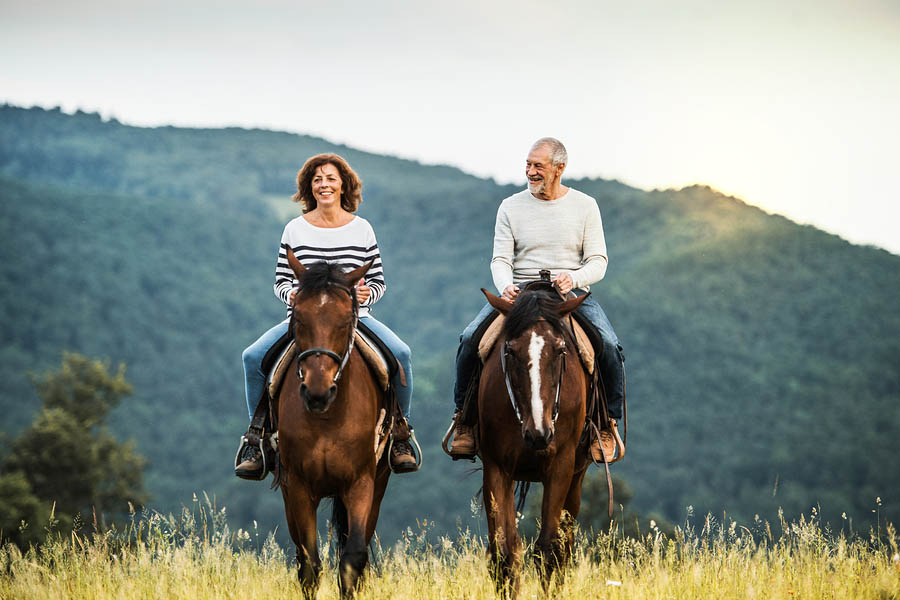
Recreational riding is about enjoying time with horses. It can be a peaceful trail ride or a fun lesson at a stable. Many families choose horseback riding for outdoor fun and bonding.
Common Mistakes And How To Avoid Them
Riding a horse can be tricky. Here are some mistakes beginners often make and how to fix them.
- Gripping too tightly: Causes discomfort for the horse. Relax your legs and hands.
- Leaning forward or backward: Makes you unstable. Keep your back straight.
- Ignoring horse signals: Horses communicate through movement and sound. Pay attention.
- Skipping warm-up: Both horse and rider need to warm up to avoid injury.
- Using too much force: Gentle signals work better than strong pulls or kicks.
Comparing Riding Styles
Different riding styles suit different goals. Here’s a quick comparison:
| Style | Main Focus | Best For | Common Gear |
|---|---|---|---|
| English | Precision, control | Sports, competitions | English saddle, snaffle bridle |
| Western | Comfort, endurance | Ranch work, long rides | Western saddle, split reins |
| Racing | Speed | Competitive races | Racing saddle, special helmet |
| Trail | Safety, exploration | Outdoor leisure | Sturdy saddle, safety gear |
Safety Tips For Riders
Safety is a top priority in horse riding. Here are some proven tips:
- Wear a helmet every time you ride.
- Use boots with a small heel to prevent slipping.
- Check all tack and gear before mounting.
- Ride with others, especially on trails.
- Learn basic emergency dismount techniques.
- Never rush; horses sense anxiety.
An important safety insight: Horses can react to sudden noises. Stay calm and speak softly, especially when approaching from behind.
How Horses Respond To Riders
Understanding how horses respond is key to good riding. Horses notice small changes in weight, touch, and voice. They are sensitive animals, so even tiny movements can signal what you want.
Voice Commands
Some riders use voice commands like “walk,” “trot,” or “whoa. ” Horses learn these commands with repetition. It’s important to use the same tone and words each time.
Body Language
Your body language matters more than you think. Horses see where you look, how you sit, and how you move your arms. Consistent signals build trust between horse and rider.
Becoming A Skilled Rider
Building skill takes time, patience, and practice. Good riders study their horse’s behavior and adjust their technique. Taking lessons from a certified instructor helps avoid bad habits.
Practice And Patience
Learning to ride well means practicing often, but not too much at once. Horses need rest and variety, just like people. It’s better to ride for 30 minutes a few times a week than for hours all at once.
Real-world Example
For instance, riders who compete in dressage train their horses and themselves for years. They practice the same movements hundreds of times, focusing on small improvements each day. Consistency is what builds skill and confidence.

Credit: www.bookhorseridingholidays.com
The Role Of Horse Temperament
Not all horses are the same. Some are calm and gentle, others are energetic or stubborn. Matching the right horse to the rider is important, especially for beginners.
A common insight: Beginners should start with older, experienced horses. Younger horses are often more unpredictable.
Frequently Asked Questions
What Is The Safest Way To Mount A Horse?
The safest way is to mount from the horse’s left side, check the saddle and girth, use a mounting block if possible, and move slowly to avoid startling the horse.
How Do You Steer A Horse?
Steering is done by gently pulling the reins in the direction you want to go, combined with leg signals. Your body and eyes also help guide the horse.
What Should I Wear When Riding A Horse?
Wear a helmet, boots with heels, comfortable pants (like jodhpurs), and gloves. Avoid loose clothing or sandals.
How Long Does It Take To Learn Basic Horse Riding?
Most people learn the basics in 6-10 lessons, but real skill develops with regular practice over months.
Is Horse Riding Good Exercise?
Yes, horse riding improves balance, strengthens muscles, and boosts cardio. It also helps mental health by reducing stress.
Horse riding is a unique experience that mixes physical skill, mental focus, and a connection with another living creature. Whether you ride for sport, work, therapy, or fun, the basics remain the same: respect the horse, practice good technique, and stay safe. As you gain confidence, you’ll discover how rewarding it is to ride well. If you want to explore more about horse riding, visit Wikipedia for a deeper look at its history and styles.

Credit: en.wikipedia.org