Horse racing is exciting, fast-moving, and full of possibilities. Every day, thousands of people try to pick winners, hoping their choices will cross the finish line first. But winning is not just about luck. Making good picks needs smart thinking, understanding the horses, and knowing the racing scene. If you want to improve your chances today, you need more than just a hunch. You need solid horse tips for today’s racing—and that’s exactly what this guide will give you.
Whether you’re a casual fan, a beginner punter, or someone who wants to move beyond guessing, this article will show you how to analyze today’s races with confidence. We’ll cover how to read the race card, spot form patterns, check jockey and trainer stats, handle the weather, and much more.
You’ll find real examples, common mistakes to avoid, and expert insights that most newcomers miss. By the end, you’ll be ready to make sharper selections and enjoy the races more—today and every race day ahead.
Understanding Today’s Race Card
The race card is your roadmap for today’s racing. It lists all the races, runners, and key facts you need for making smart decisions. But many beginners look at a race card and feel lost. Let’s break down the main parts and how to use them.
- Horse Name: Obvious but important. Some horses have similar names—double-check you’re looking at the right one.
- Number and Draw: The horse’s number and starting gate position (draw) can matter, especially in big fields or on tight tracks.
- Jockey and Trainer: These tell you who is riding and who trains the horse. Top jockeys and trainers often win more.
- Form Figures: These are the numbers showing past race finishes (like 1-4-2). Lower is better, but look for patterns.
- Weight: This is how much weight the horse carries, which can affect speed.
- Odds: Shows how much the betting market expects the horse to win.
Pro Tip:
Don’t just focus on the favorite. Sometimes value lies with horses whose odds are longer but have hidden strengths.
Analyzing Horse Form And Performance
Form means how well a horse has run in the past. This is the backbone of smart betting. Here’s how to read and use it:
- Recent Results: Look at the last three to five runs. Is the horse improving, steady, or declining?
- Distance and Class: Did those runs happen at today’s distance and in similar class races? Horses often perform better at their favorite trip.
- Surface: Was it turf, dirt, or synthetic? Horses have preferences.
- Beaten Margin: How far was the horse behind the winner? A close second or third can be better than it looks.
Hidden Insight:
A horse finishing 5th in a very strong race may be more impressive than a win in a weak field. Look beyond the finishing position.
Assessing Jockey And Trainer Influence
The people behind the horse matter—a lot. Top trainers and jockeys can turn an average horse into a winner.
Jockeys
- Experience: Seasoned jockeys know how to manage a race.
- Course Record: Some jockeys excel at certain tracks.
- Winning Partnerships: When a jockey and horse have won together before, it’s a good sign.
Trainers
- Strike Rate: The percentage of winners from all runners. Anything above 15% is strong.
- Hot or Cold: Trainers often have streaks. A trainer in form is a positive.
- Distance Specialists: Some trainers focus on sprints, others on staying races.
Here’s a quick comparison of two trainers today:
| Trainer | Last 14 Days (Wins/Runs) | Win % | Best Distance |
|---|---|---|---|
| J. Murphy | 6/30 | 20% | 7-8 furlongs |
| S. Williams | 2/22 | 9% | 5-6 furlongs |
Importance Of Track And Weather Conditions
Track conditions (also called the “going”) and weather are often underestimated. Rain, dry spells, and temperature can change race results.
- Soft or Heavy Going: Some horses love wet ground, others hate it. Check past runs on similar surfaces.
- Firm or Fast Going: Speedy horses usually do better when the ground is hard.
- Wind and Rain: Strong winds can make front-runners tire faster.
Always adjust your picks if the weather changes close to race time. Look for horses proven on today’s going.
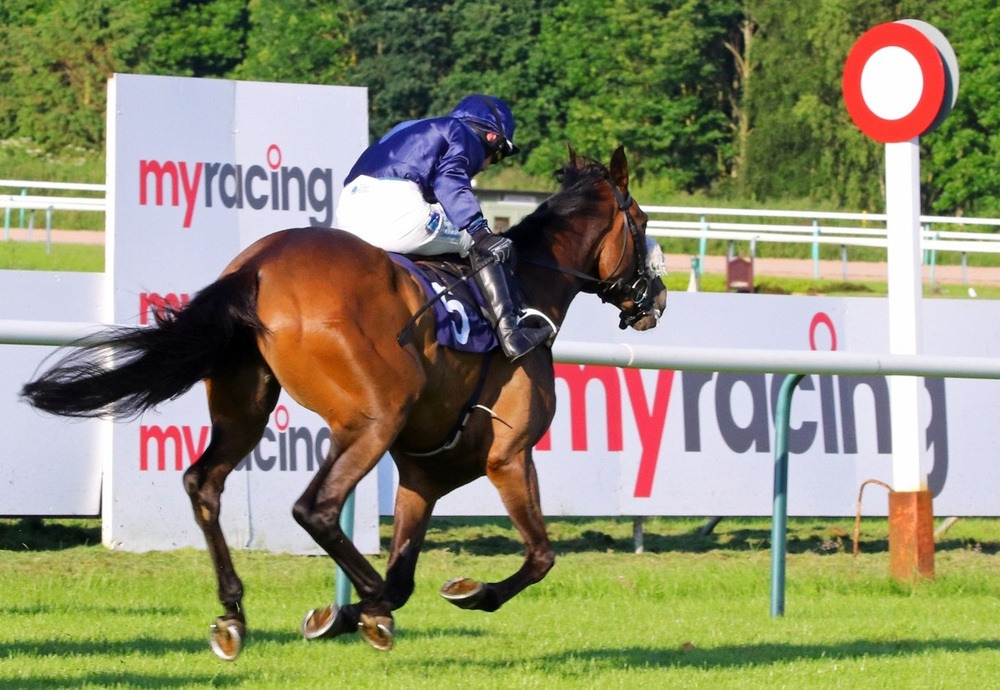
Credit: myracing.com
Decoding The Odds: Value And Market Movements
Odds are not just about possible winnings—they tell you what the crowd expects. But the favorite doesn’t always win. Here’s how to use odds smartly:
- Short Odds (Favorites): Win more often, but pay less.
- Long Odds (Outsiders): Win less, but pay more.
- Value: Sometimes, a horse’s chance of winning is better than the odds suggest. That’s value.
Market Movements
Watch for late changes. If a horse’s odds shorten quickly, someone might know something. But don’t follow every move—sometimes, it’s just hype.
Race Pace And Running Styles
Every race has a rhythm, and every horse has a style. Knowing these helps you pick winners.
- Front-Runner: Likes to lead from the start. Good if there’s little competition for the lead.
- Stalker: Sits just behind the leaders, ready to pounce.
- Closer: Comes from behind, needs a fast early pace.
Example: If all the fast horses are front-runners, they might tire each other out. A closer could win.

Credit: play.google.com
Evaluating Draw Bias And Field Size
The draw is the starting gate position. On some tracks, inside or outside stalls have an advantage. Field size also matters.
- Small Fields (Under 8): Less traffic, favorites do better.
- Big Fields (12 or more): More surprises, traffic problems, longer odds sometimes win.
- Draw Bias: Research today’s track. For example, at Chester (UK), low numbers have a big edge on short races.
Fitness And Recent Training Reports
A horse might have great past form, but is it fit today? Fitness is key.
- Recent Runs: Horses off a long break may need the race.
- Workouts: Some tracks publish morning workout times. Fast work can signal readiness.
- Trainer Comments: Listen to interviews or read reports for hints about fitness.
Not every horse gives its best every run. A fit, ready horse is more likely to win.

Credit: www.racingpost.com
How To Use Tipsters And Expert Picks
Many websites and newspapers offer tipsters—experts who study the races for you. They can help, but don’t follow blindly.
- Compare Tips: If many tipsters agree on one horse, that’s a strong sign.
- Check Reasoning: Good tipsters explain why, not just “pick number 3.”
- Track Record: Follow tipsters with a proven history of success.
Tipsters can save you time, but trust your own study too.
Key Mistakes To Avoid When Choosing Today’s Horses
Even smart punters make mistakes. Here are the biggest to avoid:
- Betting Only on Favorites: Sometimes favorites win, but often they lose. Look for value instead.
- Ignoring Conditions: A horse that won on firm ground may struggle on mud.
- Chasing Losses: Don’t bet bigger to win back what you lost. Stick to your plan.
- Over-Betting: Set a budget and don’t go over.
- Not Checking Late Changes: Horses can be scratched, jockeys swapped, or weather turns ugly.
Strategies For Different Types Of Races
Not all races are the same. Here’s how to adjust your picks:
Maiden Races
These are for horses that have never won. Look for:
- Horses with good trainers and improving form.
- Young horses making their second or third start.
Handicaps
Horses carry different weights to make the race fair. Look for:
- Horses well-handicapped (dropping in weight).
- Consistent performers just beaten in recent runs.
Sprints (5-6 Furlongs)
Speed is everything. Favor:
- Front-runners with a good draw.
- Horses with proven speed at the distance.
Staying Races (14+ Furlongs)
Stamina matters. Favor:
- Horses proven at the trip.
- Good finishers with staying bloodlines.
Using Data And Stats For Smarter Picks
Numbers can help you see what the eye misses. Focus on:
- Win Percentage: Horses that win often are always dangerous.
- Place Percentage: Good for each-way bets (finishing 2nd or 3rd).
- Speed Figures: Some sites publish a rating for how fast a horse ran.
Here’s a sample stats table for today’s main race:
| Horse | Last 3 Runs | Win % | Speed Figure |
|---|---|---|---|
| Lightning Bolt | 2-1-4 | 30% | 98 |
| Stormy Day | 5-3-2 | 18% | 95 |
| Quick Shadow | 1-5-3 | 25% | 100 |
Money Management: Bankroll And Bet Types
How you bet matters as much as who you bet on.
Bankroll Management
- Set aside an amount you can afford to lose.
- Don’t chase losses by increasing stakes.
- Use a staking plan (like betting 2% of your bankroll per race).
Bet Types
- Win: Horse must finish first.
- Place/Each-way: Pays out if horse finishes top 2 or 3 (depending on field).
- Forecast/Exacta: Pick the first two in order.
- Trifecta: Pick the first three in order (hard, but big pay).
Small bets on big odds can pay well, but don’t expect to win every time.
In-play And Live Betting Tips
Some sites offer in-play betting—betting after the race starts.
- Watch for horses moving well but not yet in front.
- Odds change quickly—act fast, but don’t rush.
- Beware late-race traffic or horses stuck behind others.
Live betting is exciting but riskier. Only bet what you can afford to lose.
How To Read The Parade Ring And Paddock
Before the race, horses parade in the paddock. Watching them can reveal clues.
- Look for Calm, Focused Horses: A relaxed but alert horse often runs well.
- Sweating or Nervous? : Too much sweat or nervous energy is a bad sign.
- Condition: Muscles should look tight, not flabby.
Not every winner looks perfect, but bad signs can be a warning.
Technology And Modern Tools For Today’s Racing
Modern racing fans have more tools than ever.
- Apps and Websites: Offer live stats, form, and tips.
- Race Replays: Watch past races to see how a horse ran.
- Social Media: Trainers and jockeys sometimes share news or hints.
One useful resource is the Racing Post, which provides expert analysis, stats, and up-to-date news.
The Role Of Luck Vs. Skill In Horse Racing
No matter how much you study, luck always plays a part. But skill helps you win more often.
- Skill: Reading form, checking stats, spotting value.
- Luck: Bad starts, traffic, or a horse having an off day.
Don’t get discouraged by bad results. Over time, good habits pay off.
Psychological Tips For Race Day Success
Your mindset matters as much as your picks.
- Stay Calm: Don’t let wins or losses affect your next bet.
- Stick to Your Plan: Don’t change strategy mid-day.
- Enjoy the Process: Racing is fun, and no one wins every time.
Beyond Today: Building Long-term Racing Knowledge
Every race is a lesson. Keep notes on your bets:
- Why did you pick a horse?
- What worked? What didn’t?
- Over time, you’ll spot patterns and improve.
Great punters are always learning.
Frequently Asked Questions
How Do I Pick The Best Horse In Today’s Races?
Look at recent form, check if the horse likes today’s distance and ground, and see if the jockey and trainer have a good record. Don’t just pick the favorite—find horses with strong reasons to win.
Are Tips From Newspapers Or Websites Reliable?
Some expert tips are good, especially if the tipster explains their reasons and has a history of success. But always do your own study too. Compare tips with your own analysis for best results.
How Much Should I Bet On Each Race?
Never bet more than you can afford to lose. Many smart punters use a staking plan, like betting 2-5% of their total bankroll on each race. This helps protect you from big losses.
What Does “going” Mean In Horse Racing?
The going is the track condition (like firm, good, soft, or heavy). Horses run better on their preferred going. Check past races to see which horses like today’s conditions.
Can I Win Money Betting On Horse Racing Every Day?
It’s possible to win, but not every day. Even experts lose sometimes. The key is to look for value, manage your money, and learn from each race. Over time, smart habits can lead to profit.
Horse racing is a challenge, but also a joy. With the right knowledge and discipline, you can turn today’s racing into a more rewarding experience. Take the tips from this guide to the track, and you’ll be ready for any surprises the day brings.
Good luck!