
Are you thinking about adding a unique and fascinating pet to your home? Best frog to have as a pet, Frogs can be a great choice they’re colorful, interesting, and surprisingly easy to care for.
But with so many types out there, how do you know which frog is the best one for you? Whether you’re new to pet frogs or looking to switch things up, this guide will help you find the perfect frog that fits your lifestyle and space.
Keep reading to discover which frog could become your next amazing pet companion!
Top Pet Frog Species
Choosing the right frog as a pet can be a fun and rewarding experience. Different frog species have unique needs and personalities. Some frogs are easy to care for, while others need more attention. This guide covers the top pet frog speciesthat are popular and suitable for beginners and experienced keepers. These frogs vary in size, color, and habitat requirements, making it easier to find one that fits your lifestyle.
African Dwarf Frog
The African Dwarf Frogis a small, fully aquatic frog. It stays underwater most of the time but comes up for air. These frogs are peaceful and good for community tanks with small fish.
- Size:About 2.5 inches long
- Tank:Minimum 5 gallons with clean, warm water
- Diet:Eats small worms, bloodworms, and commercial frog food
They prefer a calm environment with places to hide. African Dwarf Frogs are social and like to live in groups of at least three. Their skin is delicate, so avoid rough handling. These frogs are active and fun to watch as they swim gracefully. They are also low-maintenance, making them a great choice for beginners.
Pacman Frog
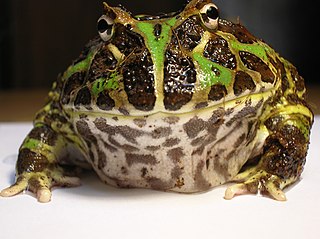
The Pacman Frogis known for its large mouth and round body. It is a land-dwelling frog that rarely swims. This species is famous for its appetite and unique appearance.
| Feature | Details |
|---|---|
| Size | 4 to 7 inches long |
| Habitat | Terrestrial with moist substrate |
| Diet | Insects, small rodents, and other frogs |
Pacman Frogs like to burrow and stay hidden most of the day. They are mostly active at night. Their strong jaws let them eat a wide range of food. These frogs need a warm, humid tank with a soft substrate. They can be aggressive, so keep only one per tank. Pacman Frogs can live up to 10 years with proper care.
White’s Tree Frog
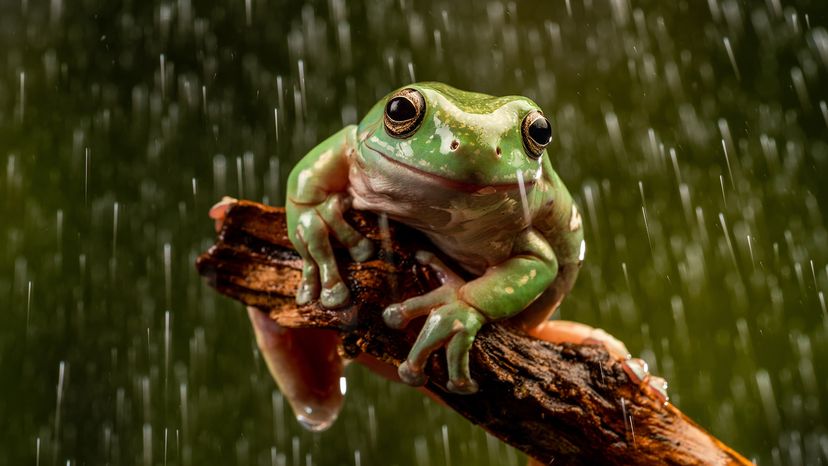
White’s Tree Frog, also called the Dumpy Tree Frog, is a friendly and calm species. It is easy to handle and has a smooth, chubby body with bright green color. This frog enjoys climbing and resting on branches.
- Size:3 to 4.5 inches long
- Enclosure:Vertical tank with branches and plants
- Temperature:75-85°F with moderate humidity
White’s Tree Frogs adapt well to captivity. They eat crickets, worms, and small insects. Their skin secretes a mild toxin, so wash hands after handling. These frogs can live over 10 years and are a favorite for pet owners seeking a calm pet. They make soft croaking sounds, adding charm to their personality.
Fire-bellied Toad
The Fire-Bellied Toadis known for its bright orange or red belly and green or black back. It is a semi-aquatic species that spends time in water and on land. These toads are active and have a unique appearance that stands out.
- Size:1.5 to 2.5 inches long
- Habitat:Half water and half land tank setup
- Diet:Small insects, worms, and frozen bloodworms
Fire-Bellied Toads are social and like to live in groups. They produce a low, trilling sound that many owners enjoy. Their bright belly warns predators they might be toxic, so handle gently and wash hands after. These toads thrive in cool, clean water with places to hide. They are hardy and good for beginners who want an active pet.
Green Tree Frog
The Green Tree Frogis one of the most popular pet frogs. It has a bright green color and smooth skin. These frogs are excellent climbers and enjoy leafy environments. They are active mostly at night.
| Characteristic | Details |
|---|---|
| Size | 2 to 2.5 inches long |
| Enclosure | Vertical tank with plants and climbing branches |
| Diet | Crickets, flies, and small insects |
Green Tree Frogs need a humid environment with a water dish and places to climb. They are quiet and peaceful pets. These frogs can live 5 to 7 years in captivity. Their gentle nature and bright color make them a favorite for children and adults alike.
Credit: animals.howstuffworks.com
Habitat Needs
Choosing the best frog as a pet means understanding its habitat needs. Frogs require a safe and comfortable environment to stay healthy and happy. Their habitat must mimic natural conditions, including space, temperature, humidity, and water. Proper care starts with setting up the right home. This section explains the key habitat needs to keep pet frogs thriving.
Tank Size And Setup
The tank size depends on the frog species. Small frogs like Dart Frogs need less space, while larger frogs like Pacman Frogs require more room.
- Small frogs:A 5-10 gallon tank is enough.
- Medium frogs:Use a 10-20 gallon tank.
- Large frogs:Tanks of 20 gallons or more work best.
Setup should include hiding spots and plants for comfort and security. Use non-toxic plants and natural decorations to mimic the wild. A mix of land and water areas suits semi-aquatic frogs.
| Frog Type | Tank Size | Setup Tips |
|---|---|---|
| Dart Frogs | 5-10 gallons | Include live plants, moss, and hiding spots |
| Tree Frogs | 10-20 gallons | Vertical space with branches and plants |
| Pacman Frogs | 20+ gallons | Substrate for burrowing and shallow water dish |
Use a secure lid to prevent escapes. Keep the tank clean and avoid overcrowding. Proper space and setup reduce stress and promote natural behaviors.
Temperature And Humidity
Frogs are cold-blooded, so their body temperature depends on the environment. Maintaining correct temperature and humidity is vital. Different species have different needs.
Most tropical frogs need warm temperatures between 75°F and 85°F (24°C to 29°C). Nighttime can be slightly cooler, around 65°F to 70°F (18°C to 21°C). Use a thermometer to monitor.
- Heating options:Heat pads, heat lamps, or ceramic heaters.
- Cooling:Avoid overheating; use fans or move tank to cooler spots.
Humidity levels usually range from 50% to 80%. Higher humidity suits rainforest species. Use a hygrometer to check levels daily.
- Mist the tank 1-3 times daily.
- Use a water dish to boost humidity.
- Live plants help keep moisture.
Low humidity can cause skin problems and dehydration. High humidity without ventilation may lead to mold and bacteria.
Water Requirements
Water is crucial for frogs. They absorb water through their skin and may need water for swimming or soaking. Water quality and availability affect their health.
Use dechlorinated or filtered water only. Tap water often has chemicals harmful to frogs.
- Fill the water dish with fresh, clean water daily.
- Change water regularly to prevent bacteria growth.
- Some frogs need a small pond area or shallow pool in the tank.
Water temperature should match the tank environment, around 75°F (24°C). Cold water shocks frogs. Avoid deep water for species that do not swim well.
Check for signs of water contamination, such as cloudiness or smell. Use water conditioners if needed to remove harmful chemicals.
Proper water care helps frogs stay hydrated, shed skin, and digest food well.
Diet And Feeding
Choosing the best frog to have as a pet means understanding its diet and feeding needs well. Frogs have different food preferences depending on their species, size, and age. Proper diet ensures your pet frog stays healthy and active. Feeding your frog the right food in the right amount is key to its long life. This section explains the types of food, how often to feed, and the importance of supplements and vitamins for pet frogs.
Types Of Food
Frogs are mostly insectivores, but their diet can vary by species. Common pet frogs eat live insects, which offer good nutrition and encourage natural hunting behavior. Here are some typical foods for pet frogs:
- Crickets:Easy to find and a favorite for many frog species.
- Mealworms:Good for larger frogs but should be fed in moderation.
- Fruit flies:Ideal for small or young frogs.
- Waxworms:High in fat; feed occasionally as treats.
- Small fish or pinky mice:Suitable for large carnivorous frogs.
Some frogs also eat fruits, vegetables, or commercial frog food. However, insects remain the best staple diet. Always choose live food to keep your frog interested and active.
| Food Type | Best For | Feeding Notes |
|---|---|---|
| Crickets | Most frog species | Gut-load before feeding for extra nutrition |
| Mealworms | Larger frogs | Feed sparingly to avoid obesity |
| Fruit flies | Small or young frogs | Easy to digest and size-appropriate |
| Waxworms | Occasional treats | High fat; limit quantity |
Feeding Frequency
Frog feeding frequency depends on age, size, and species. Younger frogs need more frequent meals. Adult frogs eat less often but consume larger portions. Overfeeding causes obesity, while underfeeding leads to malnutrition. Follow these general guidelines:
- Froglets (young frogs):Feed daily or every other day.
- Juvenile frogs:Feed every 2-3 days.
- Adult frogs:Feed 2-3 times a week.
Observe your frog’s behavior and body condition. A healthy frog is alert and has a rounded body. Avoid leaving uneaten food in the tank, as it may cause water pollution. Remove leftover insects within a few hours.
| Frog Stage | Feeding Frequency | Portion Size |
|---|---|---|
| Froglets | Daily or every other day | Small insects, multiple per feeding |
| Juveniles | Every 2-3 days | Medium-sized insects, fewer per feeding |
| Adults | 2-3 times per week | Larger insects, 3-5 per feeding |
Supplements And Vitamins
Supplements keep pet frogs healthy and prevent nutritional deficiencies. Most live insects lack some essential nutrients. Adding supplements ensures a balanced diet. Common supplements include calcium powder and vitamin mixes. Dust insects with these powders before feeding.
Calcium is vital for strong bones and muscle function. Vitamin D3 helps frogs absorb calcium properly. Multivitamins provide other minerals and vitamins needed in small amounts. Use supplements according to package directions to avoid overdosing.
- Calcium powder:Use at every feeding or every other feeding.
- Vitamin D3:Use less frequently to avoid toxicity.
- Multivitamin powder:Use once a week or as recommended.
Gut-loading feeder insects with nutritious food also boosts supplement effectiveness. Provide fresh, clean water for your frog to drink and soak. Proper diet, feeding routine, and supplements create a strong foundation for your pet frog’s health.
Credit: blogs.thatpetplace.com
Behavior And Temperament
Choosing the best frog to have as a petmeans understanding its behavior and temperament. Frogs differ in activity, how they react to people, and how well they get along with other animals. Knowing these traits helps create a happy home for your pet frog. Behavior and temperament show how active a frog is, how it handles being touched, and if it can live near other pets safely.
Activity Levels
Frogs have different activity levels based on their species and environment. Some frogs are active during the day, while others are mostly active at night. For example, the White’s Tree Frog is usually calm and moves slowly, while the Poison Dart Frog is very lively and curious.
- Diurnal frogs:Active in daylight, easier to observe.
- Nocturnal frogs:Active at night, may hide during the day.
- Crepuscular frogs:Active at dawn and dusk.
Activity levels affect how much space and stimulation the frog needs. Active frogs enjoy climbing and jumping, so they need larger tanks with plants and branches. Less active frogs prefer smaller, cozy spaces.
| Frog Species | Activity Level | Best Environment |
|---|---|---|
| White’s Tree Frog | Low to moderate | Moderate space, hiding spots |
| Poison Dart Frog | High | Spacious, with many plants |
| American Green Tree Frog | Moderate | Medium space, climbing areas |
Understanding activity levels helps in setting up the right environment and keeping the frog healthy.
Handling Tips
Handling frogs requires care and knowledge. Frogs have sensitive skin that absorbs oils and chemicals. Touching them too much or with dirty hands can harm them. Many frogs do not like being handled often and get stressed easily.
- Wash handswith water before handling.
- Keep hands wetto protect the frog’s skin.
- Handle gentlyand avoid squeezing.
- Limit handling timeto reduce stress.
- Observe the frog’s reaction;stop if it seems stressed.
Some frogs tolerate handling better than others. For example, White’s Tree Frogs are usually calm and accept gentle handling. On the other hand, Poison Dart Frogs are tiny and fragile, so they should rarely be handled.
Use tools like soft nets or gloves when needed. Avoid using soaps or lotions before handling. Always return the frog to its habitat carefully.
Compatibility With Other Pets
Frogs generally prefer to live alone or with their own kind. Many species are territorial and may fight if housed together. They also can be stressed by the presence of larger or more active pets.
- Do not keep frogswith aggressive or large animals.
- Avoid housing different frog speciestogether unless researched.
- Fish and frogscan sometimes share a tank, but watch for predation risks.
- Small insects or snailsmay be safe tank mates.
Here is a quick guide on compatibility:
| Pet Type | Compatibility | Notes |
|---|---|---|
| Other Frogs (Same Species) | Generally good | Provide enough space to avoid fights |
| Other Frogs (Different Species) | Risky | May cause stress or aggression |
| Fish | Possible | Choose peaceful, small fish |
| Small Invertebrates | Usually safe | Good for natural environment |
| Large or Aggressive Pets | Not compatible | Can harm or stress frogs |
Careful planning keeps frogs safe and comfortable in their living space.
Health And Lifespan
Choosing the best frog to have as a pet means understanding its health needs and lifespan. Healthy frogs live longer and stay active, making your pet experience enjoyable. Different species face unique health challenges. Knowing these problems helps you care for your frog better. Lifespan varies by species and care quality. This section explains common health issues, how to prevent them, and what lifespan to expect from popular pet frogs.
Common Health Issues
Frogs can get sick from poor habitat, diet, or infections. Here are some frequent health problems:
- Skin infections:Caused by bacteria or fungi, leading to redness and sores.
- Parasites:Internal or external parasites cause weight loss and lethargy.
- Metabolic bone disease:Weak bones due to lack of calcium or vitamin D3.
- Respiratory infections:Symptoms include wheezing, mucus, and difficulty breathing.
- Stress:Overhandling or poor environment can weaken the immune system.
Here is a quick summary:
| Health Issue | Signs | Cause |
|---|---|---|
| Skin infections | Redness, sores, slime | Bacteria, fungi, dirty tank |
| Parasites | Weight loss, lethargy | Contaminated food or water |
| Metabolic bone disease | Soft bones, weakness | Calcium or vitamin D3 deficiency |
| Respiratory infections | Wheezing, mucus | Cold, damp conditions |
Watch your frog for these signs. Early care helps prevent serious illness.
Preventative Care
Good care lowers health risks for pet frogs. Setting up the right environment is key. Follow these tips:
- Clean habitat:Change water regularly, remove waste daily.
- Proper temperature:Keep the tank at species-specific temperatures.
- Humidity control:Maintain ideal humidity to support skin health.
- Balanced diet:Feed live insects and supplements like calcium powder.
- Minimal stress:Avoid loud noises and too much handling.
- Regular health checks:Look for skin changes or unusual behavior.
Here is a simple care checklist:
- Clean water weekly
- Feed 3-5 times weekly
- Maintain 70-80% humidity
- Keep temperature between 70°F and 80°F
- Provide hiding spots
Preventative care keeps your frog happy and healthy. It also extends their life.
Expected Lifespan
Pet frogs live different lengths of time depending on species and care quality. Here are common pet frogs and their usual lifespans:
| Frog Species | Average Lifespan | Notes |
|---|---|---|
| American Green Tree Frog | 5 to 7 years | Needs humid environment |
| Pacman Frog | 6 to 10 years | Burrows and eats large prey |
| White’s Tree Frog | 10 to 15 years | Very hardy and easy to care for |
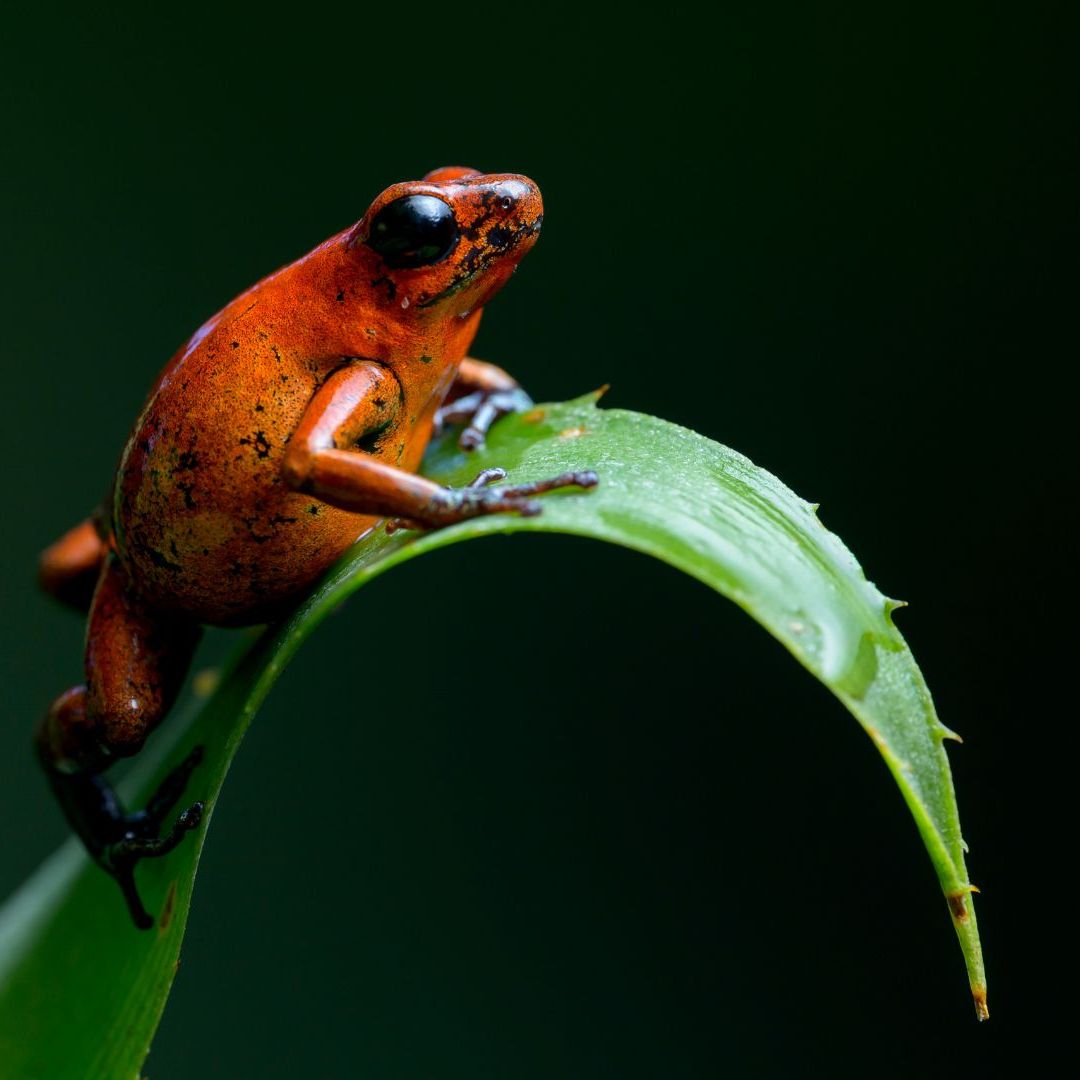
| Poison Dart Frog | 4 to 8 years | Requires precise humidity and diet |
Good care can add yearsto your frog’s life. Regular feeding, clean habitat, and low stress matter most.
Credit: www.petsradar.com
Choosing The Right Frog
Choosing the right frog as a pet makes a big difference in your experience. Frogs come in many types, sizes, and care needs. Picking one that fits your lifestyle keeps both you and the frog happy. Think about your time, space, and how much care you can give. Some frogs are easy to care for, while others need special attention. This guide helps you find a pet frog that suits you well.
Beginner-friendly Options
Some frogs are perfect for beginners because they are easy to care for and hardy. These frogs adapt well to home environments and do not need complex setups. Here are a few popular beginner-friendly frogs:
- Pacman Frog:Large, slow-moving, and mostly inactive, making it easy to handle.
- White’s Tree Frog:Calm, friendly, and can live in a simple terrarium.
- American Green Tree Frog:Small, active, and does well in smaller tanks.
These frogs need basic food like crickets or worms and simple water care. Their temperaments are gentle, so they are good for kids and new pet owners. Avoid frogs that require special humidity or temperature controls at first. Here is a quick comparison:
| Frog | Size | Activity Level | Care Difficulty |
|---|---|---|---|
| Pacman Frog | 4-7 inches | Low | Easy |
| White’s Tree Frog | 3-4 inches | Medium | Easy |
| American Green Tree Frog | 1.5-2.5 inches | High | Easy |
Space And Maintenance Considerations
Frogs need proper space and clean habitats to stay healthy. The size of the tank depends on the frog species and how active it is. Small frogs need smaller tanks, while bigger frogs need more room. Plan your space carefully before buying a frog.
- Tank Size:At least 10 gallons for small frogs, 20+ gallons for larger types.
- Humidity:Most frogs need high humidity, so a tank with a lid helps.
- Temperature:Maintain a stable temperature suitable for your frog’s species.
Maintenance includes cleaning the tank regularly and changing water often. Use safe water without chemicals. Some frogs need land areas and water areas inside their tank. Others live mostly on land. Here is a basic care checklist:
- Daily feeding with live insects.
- Weekly tank cleaning and water change.
- Check temperature and humidity daily.
- Provide hiding spots for security.
Keeping a frog healthy means being consistent. Small errors can cause stress or illness. Space and care needs should fit your daily routine.
Where To Buy Or Adopt
Finding a healthy frog is important. Buy or adopt from trusted places. Avoid wild frogs, as they can carry diseases and harm local wildlife. Pet stores, breeders, and rescue groups offer frogs suitable for pets.
Here are tips for buying or adopting a frog:
- Research sellers:Check reviews and ask about the frog’s health and origin.
- Visit in person:See the frog and its living conditions before buying.
- Ask questions:Inquire about care needs and feeding habits.
- Consider adoption:Some rescues have frogs needing new homes.
Buying from breeders ensures you get frogs bred in captivity. This reduces risk of disease and supports ethical pet keeping. Rescue groups help frogs that were abandoned or need care. Both options support healthy pet ownership.
Frequently Asked Questions
What Is The Easiest Frog To Keep As A Pet?
The Pacman frog is one of the easiest pet frogs. It requires minimal care, a simple diet, and thrives in captivity. Its calm nature makes it ideal for beginners and children interested in amphibians.
Which Frog Species Is Best For Beginners?
The White’s tree frog is excellent for beginners. It adapts well to captivity, is hardy, and requires moderate humidity. Its docile temperament and striking appearance make it a popular choice for new pet owners.
How Long Do Pet Frogs Usually Live?
Pet frogs typically live between 5 to 15 years. Lifespan varies by species and care quality. Proper diet, habitat, and hygiene can extend a frog’s life significantly.
What Habitat Do Pet Frogs Need?
Pet frogs need a habitat that mimics their natural environment. This includes appropriate temperature, humidity, and hiding spots. A secure terrarium with clean water and substrate is essential for their health.
Conclusion
Choosing the best frog as a pet depends on your needs and space. Some frogs need simple care, while others need more attention. Think about size, diet, and habitat before buying. Frogs can be fun and quiet pets for many homes.
They teach responsibility and bring nature indoors. Keep their environment clean and safe for a happy pet. Enjoy the unique charm each frog offers every day. Your right choice will make pet care easier and more fun.
Which of These Characteristics is Not Found in the Amphibians: Surprising Facts Revealed