
Have you ever wondered if you’re really supposed to pick up horse poop? It might seem like a simple question, but the answer affects your horse’s health, your property, and even your community.
If you’re unsure about when, why, or how to handle this messy task, you’re not alone. Keep reading to discover what you need to know to keep your horse happy and your surroundings clean—without wasting time or effort. This guide will clear up the confusion and help you make smart choices every time.
Why Picking Up Matters
Picking up horse poop is not just about keeping places clean. It has real effects on the environment, health, and the community. Understanding why it matters helps everyone make better choices.
Environmental Impact
Horse manure left on the ground can harm the soil and water. Rain washes it into streams and rivers. This causes pollution and affects fish and plants. Cleaning up stops harmful chemicals from spreading. It keeps the land healthy and green.
Health Concerns
Horse poop can carry germs that cause diseases. People and pets can get sick by touching it or being near it. Picking up waste lowers the risk of infections. It helps protect children who play outside too.
Community Etiquette
Leaving horse poop in public areas is disrespectful. It makes places dirty and unpleasant for others. Picking up shows you care about your neighbors. It keeps parks, trails, and paths safe and nice for everyone.

Credit: thehorse.com
When To Pick Up
Knowing when to pick up horse poop is important for stable cleanliness and pasture health. Proper timing helps reduce flies and keeps the area safe. It also prevents nutrient buildup in soil. Understanding the best times to clean can make your chores easier and more effective.
Timing After Horse Rides
Pick up poop soon after rides, ideally within a few hours. Fresh manure is easier to collect and less smelly. Waiting too long lets flies gather and spreads germs. Cleaning quickly keeps the riding area safe and pleasant.
Weather Considerations
Check the weather before cleaning. Avoid picking up manure during heavy rain. Wet poop is harder to remove and makes a mess. Dry days are best for cleaning. Sunlight helps dry manure and reduces bacteria. Windy days can spread dust, so be careful.
How To Pick Up Properly
Picking up horse poop properly helps keep the area clean and safe. It also prevents the spread of parasites and keeps your horse healthy. Doing it right takes the right tools and safe disposal methods.
Tools And Equipment
Use a sturdy plastic or metal scoop to pick up the manure. A rake can help gather droppings in larger areas. Carry a durable bucket or a trash bag to hold the waste. Gloves protect your hands from germs. Wear boots to avoid slipping or stepping on sharp objects.
Safe Disposal Methods
Place the collected manure in a compost bin if available. Composting turns waste into useful fertilizer. If composting is not an option, use sealed trash bags. Dispose of bags in designated manure bins or trash containers. Avoid leaving manure near water sources or public paths. This helps prevent contamination and keeps the environment clean.

Credit: www.gardenersworld.com
Legal Requirements
Legal rules about horse poop vary by place. Owners must know these rules to avoid trouble. Some areas have clear laws about cleaning up after horses. These laws help keep the environment clean and safe for everyone.
Local Regulations
Many towns have rules about horse manure. Some require owners to pick it up right away. Others allow it to stay for a short time. These rules can be found on town websites or local offices. Always check the rules before riding or parking a horse.
Fines And Penalties
Failing to follow horse poop laws can lead to fines. Some fines are small, but others can be costly. Repeat offenders may face higher penalties or legal action. Paying fines is cheaper than cleaning up a big mess later. Respecting these laws keeps neighborhoods clean and friendly.
Alternatives To Picking Up
Handling horse manure can be a challenge. Picking up every pile is not always possible or needed. There are other ways to manage horse poop that keep your stable clean and safe. These methods also help reduce waste and can benefit the environment.
Composting Options
Composting horse manure turns waste into useful fertilizer. It reduces odor and kills harmful bacteria. You can compost manure with bedding like straw or wood shavings. Keep the pile moist and turn it often to speed up the process. Finished compost enriches soil and helps plants grow well.
Manure Management Systems
Manure management systems organize how you store and use horse poop. These systems may include special bins or pits to hold manure. Some farms use machines to collect and move manure easily. Others spread manure thinly on fields as natural fertilizer. These systems keep manure from piling up and causing problems.
Tips For Horse Owners
Taking care of horse poop is part of good horse ownership. It helps keep the environment clean and the horses healthy. Below are some easy tips for horse owners to manage manure effectively.
Maintaining Clean Pastures
Regularly remove manure from pastures. This prevents parasite buildup and reduces flies. Spread manure in compost areas to recycle nutrients safely. Keep the pasture dry to avoid mud and bacteria growth. Clean pastures help horses stay healthy and comfortable.
Encouraging Responsible Riding
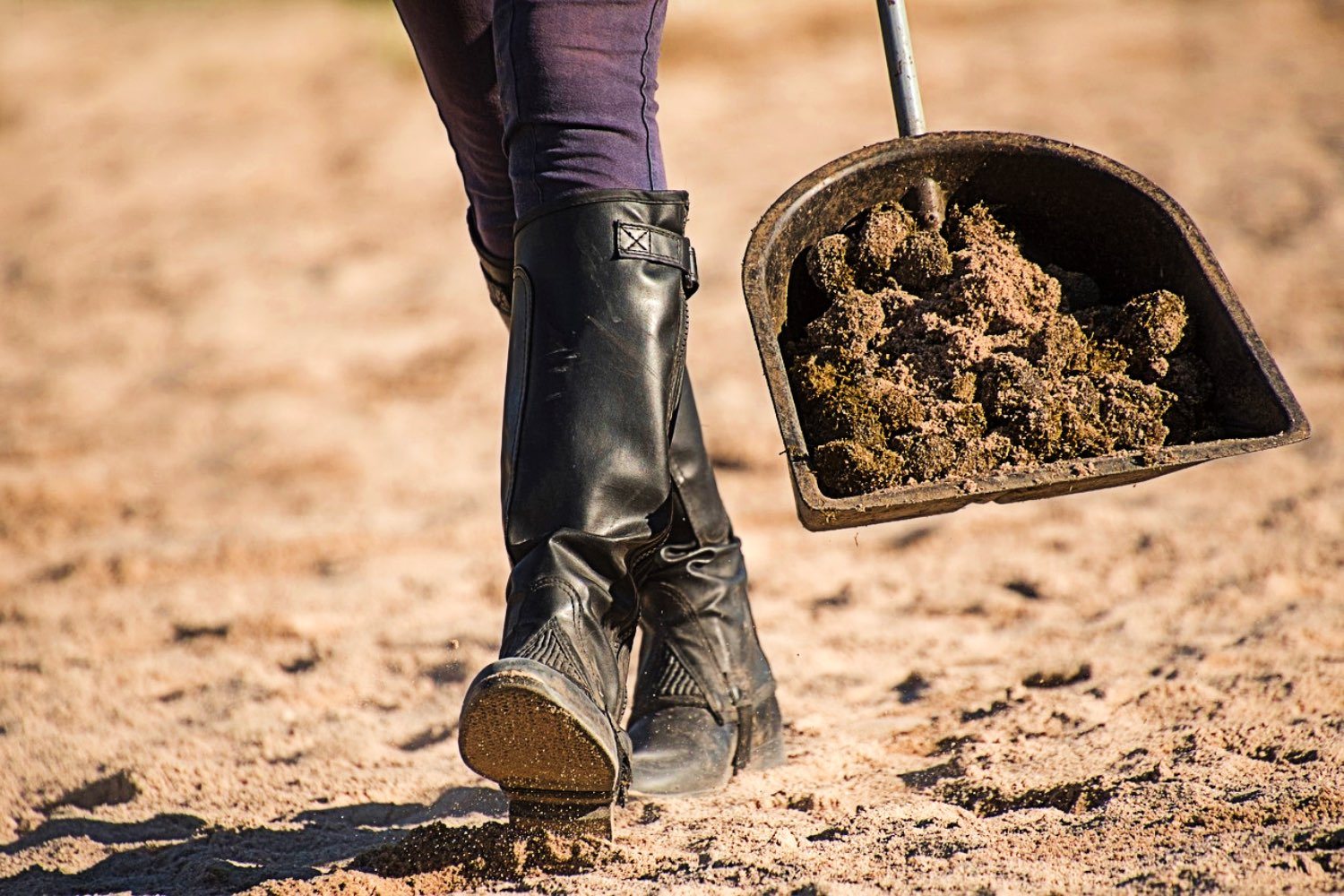
Teach riders to avoid riding through manure piles. This reduces spreading parasites and dirt. Use designated riding paths to protect pasture grass. Encourage riders to clean up after their horses during events. Responsible riding keeps the area clean and safe for everyone.
Credit: www.malgretoutmedia.com
Frequently Asked Questions
Should Horse Owners Always Pick Up Horse Poop?
Yes, horse owners should regularly pick up horse poop. It helps maintain cleanliness, prevents parasite spread, and reduces flies. Picking up manure also protects pasture quality and promotes a healthier environment for horses and humans.
What Are The Benefits Of Removing Horse Manure?
Removing horse manure controls odors, limits fly breeding, and improves pasture health. It reduces parasite infestations and keeps the stable cleaner. Regular cleanup supports better horse health and creates a more pleasant environment around the barn.
Is It Necessary To Pick Up Horse Poop In Pastures?
Yes, picking up manure in pastures is important. It prevents parasite buildup, improves grass growth, and reduces fly populations. Frequent removal helps maintain a healthy grazing area and protects horses from illnesses linked to manure exposure.
How Often Should Horse Poop Be Cleaned Up?
Horse manure should be cleaned up daily or at least several times a week. Frequent cleaning minimizes parasite risks, fly infestations, and odor problems. Regular maintenance ensures a healthier environment for horses and stable workers.
Conclusion
Picking up horse poop keeps your stable clean and safe. It helps prevent flies and bad smells. Cleaning daily protects your horse’s health too. Many places require it by rule. It shows you care for your animals. Small effort, big benefits.
Don’t let waste pile up. Your horse and neighbors will thank you. Simple task, important habit. Keep the area tidy and healthy.