
Have you ever wondered if horses can actually protect their owners? Will Horses Protect Their Owners, These majestic animals are known for their strength and loyalty, but can they step up when danger is near?
If you’re curious about how horses respond to threats and whether they’ll stand by your side in tough moments, this article is for you. Keep reading to discover surprising facts about your horse’s natural instincts and how your bond might influence their protective behavior.
You might just see your horse in a whole new light.
Instincts Behind Protection
Horses have strong instincts that help them stay safe. These instincts also guide how they react to danger. Understanding these instincts helps us see if horses protect their owners. Protection comes from natural defense and deep bonds.
Horses live in groups and rely on each other. Their survival depends on quick reactions and awareness. These traits shape how they act around humans.
Horses’ Natural Defense Mechanisms
Horses use speed and strength to escape threats. They have sharp senses that warn them of danger. Their first choice is to run, not fight. When trapped, they may kick or bite to protect themselves. These actions can also protect those near them.
Bonding And Loyalty Factors
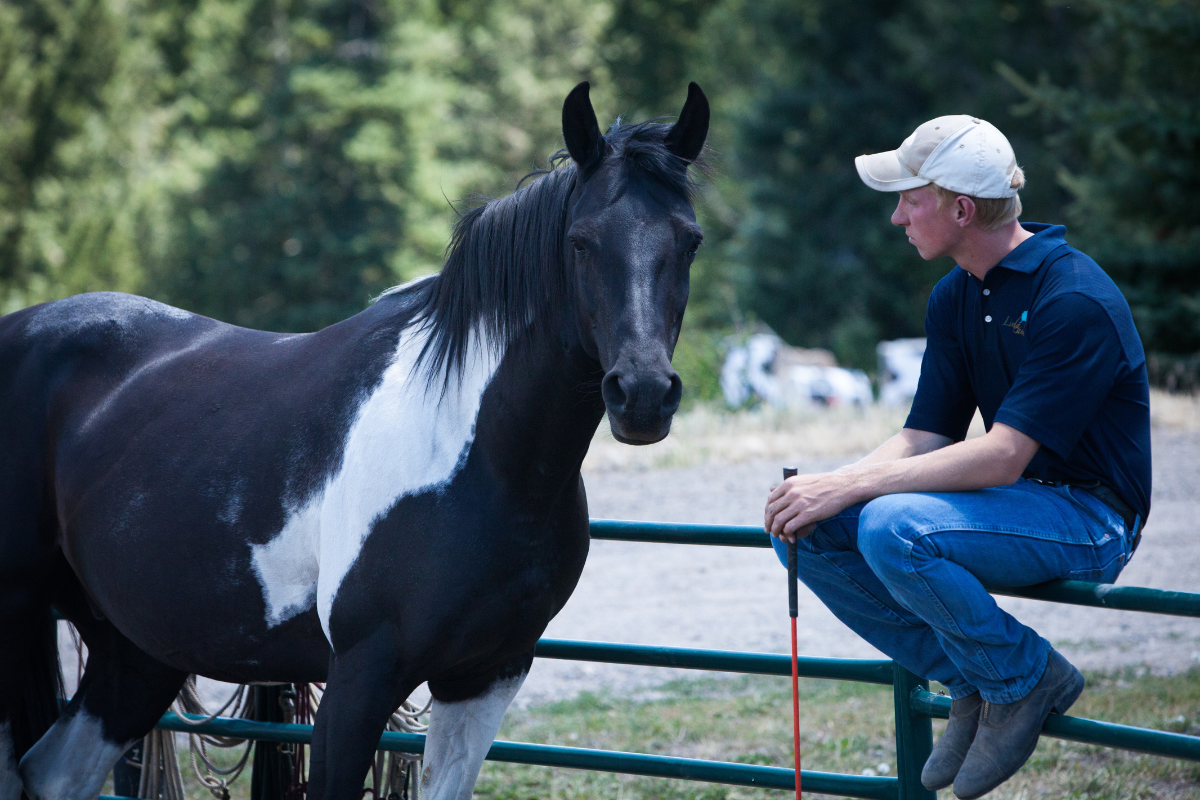
Horses form strong connections with trusted humans. They recognize familiar voices and touch. This bond creates loyalty and trust. A loyal horse may stay close and alert to protect its owner. Protection grows from care and respect between horse and human.
Credit: equusfoundation.org
Signs Of Protective Behavior
Horses can show signs when they want to protect their owners. These signs are often clear and easy to notice. Understanding these signs helps you know when a horse feels protective. Horses use their bodies and behavior to express their feelings. Knowing what to watch for can keep you safe and build trust with your horse.
Body Language To Watch For
Horses use body language to signal protection. They may stand close to their owner. Their ears often point forward or turn quickly to sounds. A horse might lower its head slightly. This shows alertness and readiness to act. Watch for pawing the ground or snorting. These signs mean the horse is uneasy. A stiff tail or raised neck also shows alertness. Horses may position themselves between their owner and a threat.
Situations Triggering Protection
Horses protect in certain situations. They often react to strangers nearby. Sudden loud noises can trigger their alertness. Horses may act protective if they see danger close. They can sense fear or stress in their owner. Some horses protect during feeding or in the stable. Protective behavior may increase if the owner is hurt. These animals are very aware of their surroundings. They respond quickly to anything unusual or strange.
Differences Among Breeds
Horses show different behaviors depending on their breed. Some breeds are calm and gentle. Others are more alert and protective. These natural traits affect how horses react to danger. Knowing breed differences helps owners understand how horses protect them.
Temperament Variations
Each horse breed has a unique temperament. Draft horses tend to be calm and steady. They are less likely to react aggressively. Arabian horses are more spirited and alert. They notice unusual sounds or movements quickly. Quarter Horses often balance calmness with alertness. Their natural instincts help them sense threats. Temperament plays a big role in protection behavior.
Training Impact On Protection
Training shapes how horses respond to danger. A well-trained horse learns to stay close and watch its owner. Training can teach horses to be brave, not fearful. Protective behavior increases with consistent training. Horses trained for ranch work often guard their space. Without training, even protective breeds may run away. Training builds trust and confidence between horse and owner.
Examples From Real Life
Horses have long been companions to humans, not just for work or sport. They sometimes act to protect their owners. Real-life examples show horses can sense danger and react bravely. These stories help us understand the strong bond between horses and people. They also prove horses can be protectors.
Below are some true accounts and expert insights. They reveal how horses defend their owners in different situations. These examples highlight the loyalty and awareness horses possess.
Stories Of Horses Defending Owners
One horse stood between its owner and a wild dog. The dog tried to attack, but the horse scared it away. The owner was safe thanks to the horse’s quick action. Another story tells of a horse alerting its rider to a hidden snake. The horse’s sudden stop saved the rider from a bite. These stories show horses react fast to threats. They protect not just by fighting but by warning too.
Expert Observations And Cases
Animal behavior experts say horses have a strong fight-or-flight instinct. Some horses choose to stay and defend rather than run. Experts note horses can sense fear and danger in humans. This helps them decide when to protect. Researchers also report cases where horses helped calm anxious owners. Their presence alone can feel safe and comforting. Such observations prove horses can be both guards and friends.
Training Horses For Protection
Training horses for protection involves teaching them to guard their owners and property. Horses are naturally alert animals. They notice unusual sounds and movements quickly. With proper training, they can learn to act protectively.
This training builds trust between horse and owner. It also helps the horse understand when to stay calm and when to react. Protective training is not about making horses aggressive. It focuses on controlled and safe behavior.
Techniques To Encourage Protective Behavior
Start by building a strong bond with the horse. Spend time daily to create trust and respect. Use clear commands and consistent routines. Teach the horse to recognize your presence as safe and important.
Introduce new sounds or objects slowly. Let the horse observe and get used to them. Reward calm responses with treats or praise. Use gentle corrections when the horse shows fear or overreacts.
Practice scenarios where the horse learns to stay alert. For example, walk together near fences or gates. Teach the horse to stand between you and potential threats. Reinforce this behavior regularly to make it natural.
Risks And Considerations
Not all horses have the right temperament for protection. Some may become nervous or aggressive. This can lead to unsafe situations for both horse and owner.
Training must avoid encouraging fear or aggression. Overreactive horses can harm themselves or others. Always monitor the horse’s behavior closely during training.
Seek advice from experienced trainers or professionals. They can guide proper techniques and safety measures. Remember, a calm and confident horse protects best.
Credit: www.arizonahighways.com
Comparing Horses To Other Animals
Horses and other animals show different ways of protecting people. Each animal has unique habits and skills that help them guard their owners. Understanding these differences helps us see how horses stand out among common pets and working animals.
Animals like dogs are famous for guarding homes. Horses, though less known for this, also have special ways to protect. Comparing these animals sheds light on their natural behavior and loyalty.
Protection Tendencies In Dogs Vs. Horses
Dogs often act as active protectors. They bark loudly at threats. Dogs stay close to their owners and defend them aggressively. Their strong bond with humans makes them alert and brave.
Horses protect differently. They rely on size and speed to scare off danger. Horses may not bark or growl but use body language. They sense fear and can warn their owners by moving away or showing signs of distress.
Dogs are more aggressive in defense. Horses use caution and flight instincts. This makes horses less likely to fight but still protective in their own way.
Unique Qualities Of Equine Guardianship
Horses have sharp senses and a calm nature. They notice changes in the environment quickly. Horses often form strong bonds with their owners through trust and care.
They can sense danger before humans do. Their reactions help owners stay alert. Horses also protect by being gentle and steady, calming anxious owners.
Unlike many animals, horses protect through presence and awareness. Their size alone can deter threats. Their loyalty shows in quiet, watchful ways.
Credit: shopus.parelli.com
Frequently Asked Questions
Will Horses Protect Their Owners
Do Horses Recognize And Protect Their Owners?
Yes, horses can recognize their owners and show protective behavior. They form strong bonds and may act defensively if they sense danger.
How Do Horses Show Protection To Their Owners?
Horses protect by standing between their owner and threats. They may also alert owners with vocalizations or body language when danger approaches.
Can Horses Sense Danger Before Their Owners?
Horses have keen senses and can detect threats early. Their heightened awareness often helps protect owners by warning or reacting first.
Are All Horse Breeds Protective Of Owners?
Most breeds can show protective instincts, but temperament varies. Individual personality and training influence how protective a horse may be.
Conclusion
Horses show strong bonds with their owners. They can sense danger and react quickly. Many horses act protectively in tense moments. Their size and strength make them good guardians. Trust and training improve this protective behavior. Every horse has a unique personality and response.
Owners should understand their horse’s limits and signals. Building a deep connection helps horses feel secure. This bond often leads to natural protection. Horses may not guard like dogs but offer calm defense. Caring for a horse means earning its loyalty.
Trust grows over time and shared experiences. Protection from horses is real, yet gentle. Thanks read “Will Horses Protect Their Owners”
Is It Worth Investing In Horses