
If you want a lively, natural way to keep pests away and add charm to your garden, attracting frogs and toads to your garden is a smart move. These quiet helpers feast on bugs that can harm your plants, making your garden healthier without chemicals.
Imagine stepping outside to hear gentle croaks and seeing these fascinating creatures hopping around bringing life and balance to your green space. You’ll discover simple, effective steps to welcome frogs and toads into your garden and keep them happy all year round.
Ready to create a thriving habitat that benefits both you and nature? Let’s dive in.
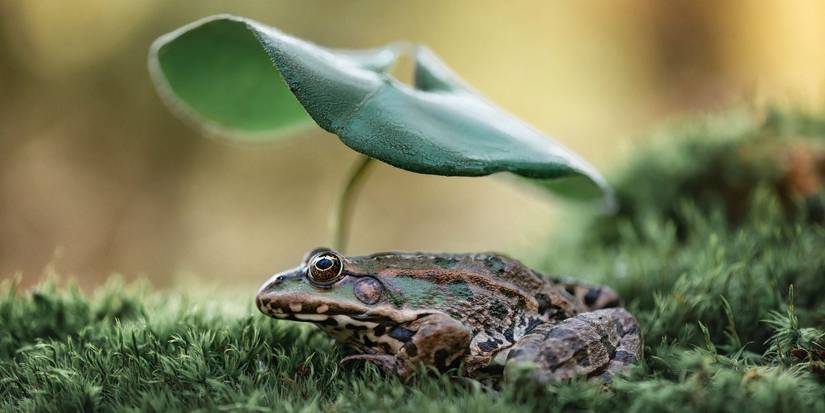
Credit: www.backyardboss.net
Benefits Of Frogs And Toads
Frogs and toads bring many benefits to gardens. They act as natural pest controllers. Their presence helps keep harmful insects in check. This reduces the need for chemical pesticides. Healthy gardens often have frogs and toads hopping around.
These amphibians support the garden’s ecosystem. They help maintain balance in nature. Frogs and toads also indicate a healthy environment. Their presence shows good water and air quality.
Natural Pest Control
Frogs and toads eat a variety of insects. They consume mosquitoes, flies, and beetles. This keeps pest populations low. It protects plants from damage. Less pests mean healthier flowers and vegetables.
Encouraging Biodiversity
Frogs and toads attract other wildlife. Birds and small mammals visit to hunt them. This creates a lively garden ecosystem. More wildlife makes the garden more vibrant. Biodiversity helps the garden stay strong.
Environmental Health Indicators
Frogs and toads are sensitive to pollution. Their presence shows clean water and soil. They warn of environmental problems early. Healthy gardens support these amphibians well. Protecting them helps protect the garden too.
Ideal Garden Habitat
Creating the ideal garden habitat helps attract frogs and toads naturally. These amphibians need safe places with food, water, and shelter. Your garden can become a small oasis where they thrive. A healthy habitat supports their life cycle and keeps pests away.
Water Sources
Frogs and toads need water for drinking and breeding. A small pond or water dish works well. Keep the water clean and shallow. Avoid strong water currents or chemicals. Water helps tadpoles grow and keeps amphibians close to your garden.
Shelter Spots
Frogs and toads hide from predators in cool, damp places. Rocks, logs, and leaf piles make perfect shelters. Create small hiding spots near the water. Avoid removing natural debris. These shelters protect amphibians during hot or dry weather.
Plant Choices
Plants provide shade, food, and hiding places. Choose native plants that attract insects. Tall grasses and low shrubs work well. Water plants near ponds keep the soil moist. Healthy plants support the entire garden ecosystem and invite frogs and toads to stay.
Creating A Frog-friendly Environment
Creating a frog-friendly environment helps attract frogs and toads to your garden. These amphibians need safe spaces to live and breed. You can make your garden welcoming by providing the right conditions. Small changes can make a big difference for these helpful creatures.
Avoiding Chemicals
Frogs and toads are sensitive to chemicals. Pesticides and herbicides can harm them or kill their food. Use natural methods to control pests. Avoid fertilizers with harsh chemicals. Keep your garden chemical-free to protect these amphibians.
Providing Food Sources
Frogs and toads eat insects like flies, mosquitoes, and beetles. Growing plants that attract these insects helps feed them. Leave some leaf litter and logs for insects to hide. A variety of plants supports a healthy insect population. This makes your garden a natural food source.
Maintaining Moisture
Amphibians need water to stay healthy. Keep a shallow pond or water dish in your garden. Moist soil and damp areas attract frogs and toads. Mulch around plants to keep the soil moist longer. Avoid letting water stand for too long to prevent mosquitoes.
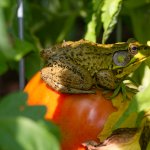
Credit: www.bobvila.com
Attracting Frogs And Toads Naturally
Attracting frogs and toads naturally helps keep your garden healthy. These amphibians eat many pests, reducing the need for chemicals. Creating an inviting space means offering food, water, and shelter. Simple steps can make your garden a friendly habitat for frogs and toads.
Using Native Plants
Native plants provide food and shelter for frogs and toads. They attract insects that amphibians eat. These plants also offer safe places to hide from predators. Choose plants that grow well in your area. They need less care and support local wildlife better.
Building Ponds And Pools
Frogs and toads need water to survive and breed. A small pond or pool attracts them easily. Keep water clean and free from chemicals. Add shallow areas for easy access. Include plants around the edges for shade and hiding spots.
Setting Up Hiding Places
Frogs and toads need safe places to rest and hide. Use logs, rocks, or leaf piles in your garden. These spots protect them from sun and predators. Make sure hiding places stay moist and cool. Creating these shelters encourages frogs and toads to stay longer.
Common Mistakes To Avoid
Attracting frogs and toads to your garden can bring many benefits. These amphibians help control pests and add life to your outdoor space. Avoiding common mistakes can make your efforts successful. Many gardeners unintentionally create barriers for these helpful creatures. Knowing what to avoid keeps your garden friendly and welcoming.
Not Providing Enough Water Sources
Frogs and toads need water for drinking and breeding. Small ponds, shallow dishes, or damp areas help them survive. Without water, they will avoid your garden. Make sure water sources are clean and safe.
Using Chemicals And Pesticides
Spraying chemicals harms frogs and toads. These substances poison their skin and food supply. Choose natural pest control methods to protect these animals. Chemicals drive them away and reduce garden health.
Ignoring Shelter Needs
Frogs and toads need places to hide from predators and weather. Rocks, logs, and dense plants offer safe shelters. Leaving your garden bare makes them feel unsafe. Create cozy spots to invite them in.
Over-mowing The Lawn
Cutting grass too short removes hiding spots and moisture. Tall grass helps amphibians hide and stay cool. Avoid mowing often or very short. Let parts of the lawn grow naturally.
Seasonal Care Tips
Seasonal care is key to keep frogs and toads happy in your garden. Each season brings different needs for these amphibians. Adjust your garden care to match their natural habits and the weather changes.
Spring: Prepare Water And Shelter
Spring is the breeding time for frogs and toads. Create shallow water spots for laying eggs. Keep water fresh and clean to prevent harmful algae. Add plants around water for shade and hiding places. Clear old leaves and debris to make space for new growth.
Summer: Maintain Moisture And Shade
Frogs and toads need moisture during hot months. Water garden areas regularly to keep soil damp. Provide shaded spots with plants or garden structures. Avoid using chemicals that can harm amphibians. Check water sources often to ensure they do not dry out.
Fall: Prepare For Cooling Weather
Frogs and toads start to slow down as temperatures drop. Leave leaf piles and logs for shelter from cold winds. Reduce watering but keep soil slightly moist. Remove any garden debris that might trap moisture and cause mold. Watch for signs of hibernation and avoid disturbing them.
Winter: Provide Safe Hibernation Spots
Most frogs and toads hibernate in winter. Create safe, undisturbed areas with thick leaf piles or deep mulch. Avoid disturbing soil or garden beds during cold months. Do not clean water features; frozen water helps them survive. Keep pets and foot traffic away from hibernation spots.

Credit: www.reddit.com
Frequently Asked Questions
How Do I Attract Frogs And Toads To My Garden?
Create a moist, shady habitat with a small pond or water source. Add native plants and provide hiding spots like logs or rocks. Avoid pesticides to keep the environment safe and inviting for frogs and toads.
What Plants Attract Frogs And Toads Naturally?
Ferns, water lilies, and native grasses attract frogs and toads. These plants offer shelter, moisture, and food sources like insects. Including a variety of native plants helps create a balanced and welcoming habitat.
Why Are Frogs And Toads Beneficial In Gardens?
Frogs and toads control garden pests by eating insects and slugs. They reduce the need for chemical pesticides. Their presence indicates a healthy, balanced ecosystem in your garden.
Can Frogs And Toads Live Without A Water Source?
Frogs need water for breeding, while toads can survive drier areas. Providing a small pond or damp area encourages both to thrive. Water is essential for their lifecycle and hydration.
Conclusion
Frogs and toads bring life to any garden space. They eat bugs that harm plants. Creating a safe, wet area invites them to stay. Keep your garden natural and free from chemicals. Small changes can make a big difference. Enjoy the sounds and sights of these helpful visitors.
Your garden will feel peaceful and full of life. Try these tips and watch your garden thrive.
Green And Black Poison Dart Frog Habitat: Ultimate Survival Secrets