
Looking for a unique and low-maintenance pet? A frog might be the perfect choice for you.Best frog to have as a pet.
But with so many types of frogs out there, how do you pick the best one for your home? You want a pet that is not only fascinating but also easy to care for and fits your lifestyle. You’ll discover the top frogs that make great pets, along with tips to help you choose the right one.
Ready to find your new amphibian friend? Keep reading—you won’t want to miss these expert recommendations.
Choosing A Pet Frog
Choosing a pet frog takes some thought. Frogs need special care to stay healthy. Picking the right frog helps you enjoy your pet more. Each type has different needs. Learning about these needs is important before you bring a frog home.
Think about your space, time, and how much care you can give. Some frogs need more attention than others. Your choice should match your lifestyle and home setup. Let’s explore what to consider when choosing a pet frog.
Factors To Consider
Size of the frog matters. Small frogs need less space. Big frogs need large tanks. Temperament is key. Some frogs are shy, others are active. Choose one you find interesting and easy to handle. Lifespan is also important. Some frogs live many years. Make sure you can care for a long-term pet.
Habitat Requirements
Frogs need a clean, safe habitat. Some frogs live in water most of the time. Others need land with moist areas. Temperature must be right. Too cold or hot can harm them. Humidity is also crucial. Many frogs need high humidity to stay healthy. Use a tank with a secure lid. Add plants and hiding spots for comfort.
Diet And Feeding
Frogs eat live food. Common choices are crickets, worms, and small insects. Size of food should match the frog’s mouth. Feed young frogs more often than adults. Avoid overfeeding to prevent health problems. Provide fresh water for drinking and swimming. Learn about the specific diet of your frog species.
Credit: www.petsradar.com
Top Friendly Frog Species
Choosing a friendly frog species makes pet care easier and more fun. Friendly frogs are calm and adapt well to home environments. They interact gently and often show interesting behaviors. These traits make them great for beginners and kids.
African Dwarf Frog
African Dwarf Frogs are small and fully aquatic. They like to swim and explore their tank. These frogs rarely jump out, so tanks stay safe. They are social and enjoy company of their own kind. Feeding is simple with frozen or live food.
White’s Tree Frog
White’s Tree Frogs are known for their calm nature. They have smooth skin and a chubby appearance. These frogs like to climb and rest on branches. They tolerate handling better than many other frogs. Their diet includes crickets and worms.
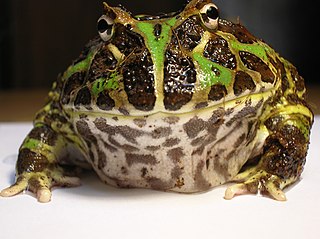
Pacman Frog
Pacman Frogs are round and colorful. They sit still for long periods, waiting to eat. These frogs have a strong bite, so gentle handling is best. They live on land and need a moist environment. Feeding includes insects and small prey.
Easy-care Frogs For Beginners
Easy-care frogs make great pets for beginners. They need less attention and simple setups. Beginners can enjoy watching them without stress. These frogs adapt well to home environments. They also teach responsibility and care in a fun way.
Budget-friendly Options
Some frogs cost less to buy and keep. Budget-friendly frogs do not need fancy tanks. Their food and supplies are easy to find. Examples include the African dwarf frog and the white’s tree frog. These frogs provide joy without a big expense.
Low Maintenance Species
Low maintenance frogs need little daily care. They require simple diets and clean water. The pacman frog and the fire-bellied toad are popular low maintenance pets. These frogs thrive in basic setups and need fewer health checks. Perfect for people new to frog care.
Lifespan And Health
Knowing a frog’s lifespan helps plan care. Easy-care frogs live between 4 and 10 years. Healthy frogs stay active and eat well. Regular tank cleaning prevents diseases. Watching for changes in behavior helps catch health problems early.
Credit: blogs.thatpetplace.com
Setting Up The Perfect Habitat
Creating the right habitat is key for a happy, healthy pet frog. Frogs need a space that feels safe and close to their natural home. This helps them thrive and show their best colors and behaviors. Focus on tank size, temperature, humidity, and decorations. Each detail matters.
Tank Size And Environment
Choose a tank size that fits your frog’s species. Small frogs need at least a 10-gallon tank. Bigger frogs need more space to move. Provide both land and water areas in the tank. Frogs like to swim and climb. Clean water is a must. Use a filter to keep water clear and safe.
Temperature And Humidity
Frogs need warm temperatures to stay active. Keep the tank between 70 and 80 degrees Fahrenheit. Use a heater if needed. Humidity must be high, about 70 to 80 percent. Mist the tank daily to keep moisture levels right. Use a hygrometer to check humidity. Proper heat and moisture prevent illness.
Substrate And Decorations
Use soft, natural substrates like coconut fiber or moss. These hold moisture well and are safe for frogs. Avoid sharp or rough materials. Add plants, rocks, and hiding spots. These decorations make your frog feel secure. Live plants improve air quality. Change the substrate regularly to keep the habitat clean.
Common Health Issues
Pet frogs bring joy but need careful health attention. Knowing common health issues helps keep them safe. Frogs can get sick from poor care or environment. Spotting problems early improves their chances of recovery.
Regular checks and good habits reduce illness risks. Healthy frogs live longer and stay active. Learn to recognize signs of illness and act fast.
Signs Of Illness
Look for changes in your frog’s behavior. Less movement or appetite are warning signs. Swollen body parts or skin sores also signal trouble. Cloudy eyes or difficulty breathing need attention. Bright eyes and smooth skin show good health.
Preventive Care
Keep the tank clean and water fresh. Use proper temperature and humidity levels. Feed your frog balanced, safe food regularly. Avoid overcrowding to reduce stress and disease. Quarantine new frogs before adding them to your tank.
When To Consult A Vet
Seek a vet if signs of illness persist. Sudden weight loss or constant hiding are serious. If your frog stops eating for days, call a vet. Early treatment can save your pet’s life. Choose a vet experienced with amphibians for best care.
Handling And Interaction Tips
Handling and interacting with pet frogs needs care and patience. Frogs are delicate animals. Proper handling keeps them safe and calm. It also helps build a strong bond with your pet. Understanding how to touch and hold frogs correctly is key. This section shares simple tips on how to handle frogs safely, build trust, and avoid stress.
Safe Handling Practices
Wash your hands before touching a frog. Chemicals on your skin can harm them. Use wet hands or gloves to pick them up gently. Support their body fully without squeezing. Avoid quick or rough movements. Handle your frog only when needed. Keep handling sessions short to prevent fatigue.
Building Trust
Let your frog get used to your presence. Speak softly and move slowly near them. Offer food by hand to create positive experiences. Repeat gentle handling regularly but briefly. Watch your frog’s behavior for signs of comfort. Over time, they will feel safer around you.
Avoiding Stress
Keep the environment quiet during handling. Loud noises scare frogs easily. Avoid handling during shedding or illness. Provide a secure place to return after handling. Do not expose them to bright lights for long. Stop handling if the frog shows stress signs like jumping or hiding.
Credit: www.hygger-online.com
Frequently Asked Questions
What Is The Best Frog Species For Beginners?
The best frog for beginners is the African Dwarf Frog. It is easy to care for, small, and adapts well to aquarium life. These frogs thrive in freshwater tanks and are less demanding than other species, making them ideal for novice pet owners.
How Long Do Pet Frogs Typically Live?
Pet frogs usually live between 5 to 15 years. Their lifespan depends on the species and care quality. Proper diet, habitat, and hygiene significantly extend their life expectancy, ensuring a healthy and active pet frog.
What Habitat Do Pet Frogs Require?
Pet frogs need a moist, warm, and secure habitat. Most require a terrarium or aquarium with water, plants, and hiding spots. Maintaining proper humidity and temperature is essential for their health and comfort.
What Do Pet Frogs Eat?
Pet frogs mainly eat live insects like crickets, worms, and flies. Some species also eat small fish or pellets. A balanced diet with proper supplements ensures their growth and vitality.
Conclusion
Choosing the right frog as a pet brings joy and fun. Each frog has unique needs and care tips. Think about your space, time, and budget before deciding. Small frogs fit well in tight spaces. Larger frogs need more room and attention.
Healthy frogs live longer and stay active. Enjoy watching their colors and behaviors daily. Caring for a frog can teach patience and responsibility. Start with simple care and learn as you go. A pet frog can be a great companion for years.
Frogs Have to Drink Lots of Water: Surprising Facts You Must Know