
No, you can’t ride your own horse in Central Park because the city doesn’t permit private equines on public paths. Visitors wishing to experience the area on horseback must book a guided session with an authorized commercial stable. If you’re planning a trip to New York City, ensure you check the current availability through a licensed operator before you arrive at the park.
Where you can horse ride in Central Park
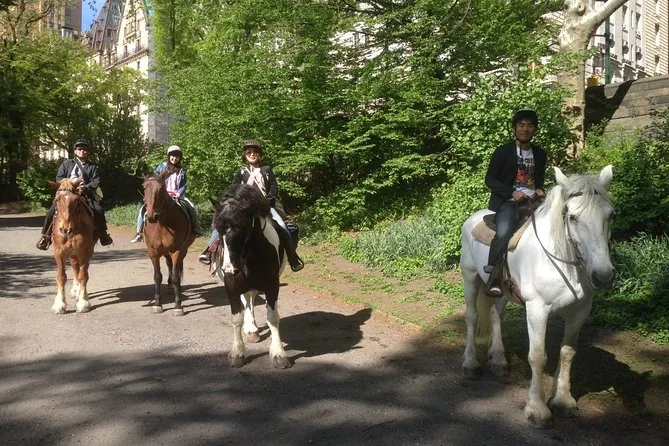
Public access to equestrian activities in the city remains strictly regulated to protect both the paths and the general public. While the bridle paths are historic, they’re reserved exclusively for guided tours managed by professional operators under contract.
These paths function as a shared ecosystem. Professional operators are held to strict maintenance agreements that ensure the integrity of the park’s landscape remains intact after every ride.
| Your situation | Answer | Why |
|---|---|---|
| Bringing your own horse | Not permitted | Public safety and park rules |
| Booking a guided tour | Yes | Authorized operators hold permits |
| Riding off-trail | Never | Protects park soil and flora |
| Riding during winter | Depends | Operator decides based on weather |
| Riding after dark | Never | Visibility and safety restrictions |
If you’re unsure whether a specific path is open, look for the official signage posted at the trailheads. These markers indicate the specific zones where horses are permitted to travel, ensuring you don’t accidentally veer into pedestrian-only walking paths or protected grassy areas.
Regulatory standards for park access
The Department of Parks and Recreation in New York City maintains strict control over the bridle paths to ensure the safety of pedestrians and cyclists who share the park. These paths, which stretch for over 6 miles, are designed for equestrian use only under the supervision of licensed stables. Allowing private horses would create unpredictable risks, as these animals aren’t trained for the high density of urban traffic or the specific distractions found in a busy public park.
The New York City Department of Parks and Recreation confirms that the bridle paths are the only authorized locations for this activity within the park boundaries. If the weather is severe, such as during heavy ice or extreme heat, these paths may be closed to all equine traffic to protect the animals and the path surface. If the path is wet or soft, you should expect closures; if the path is dry and maintained, riding proceeds as scheduled.
If you go ahead with a guided tour
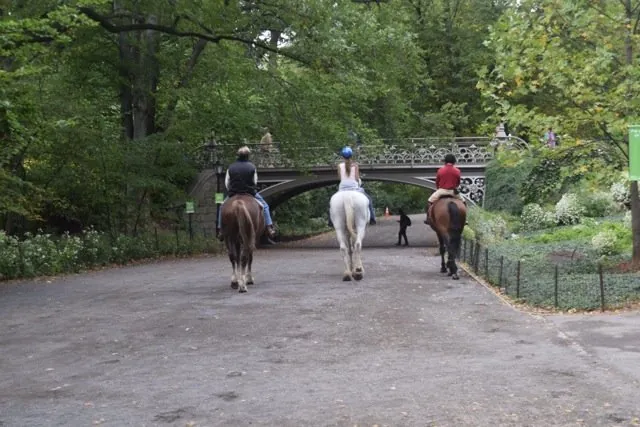
Research licensed operators: Search for stables that hold a valid concession agreement with the city to provide public trail rides. These permits ensure the stable adheres to strict animal welfare standards and maintains the necessary insurance for public interaction.
Book in advance: Secure your time slot at least 2 weeks ahead, as weekend spots fill up rapidly during the spring and autumn months. If you’re traveling with a large group, contact the stable directly to ensure they can accommodate your party size on the same ride.
Confirm skill requirements: Check whether the stable provides beginner-friendly walking tours or requires prior experience to handle the animal.
Arrive early: Show up at the stable 30 minutes before your departure to complete safety waivers and receive your equipment. This buffer allows staff to fit your helmet properly and match you with a horse suited to your height and comfort level.
Follow the guide: Stay directly behind your instructor at all times to keep the group orderly and safe on the narrow trails.
The common mistake with park rules
Many visitors assume they can simply walk up to a bridle path with a horse or try to find an unofficial guide. This mistake often results in being turned away by park enforcement officers or, worse, creating a dangerous situation for pedestrians. The cost of such an error is the total loss of your time and the immediate cancellation of any plans you had for the day.
You can avoid this by only booking with companies that explicitly state their permit status on their official website. Before you finalize any reservation, verify that the provider holds a current contract with the city.
If a company can’t produce proof of authorization upon request, they’re likely operating outside the legal framework of the park. These unauthorized guides often lack the required insurance coverage for riders. Choosing them puts you at personal risk should an accident occur. Always prioritize vetted operators to ensure your ride remains safe and uninterrupted.
When to stop and get help
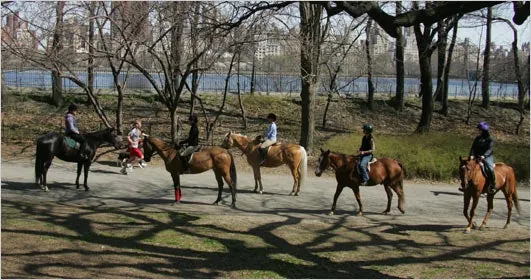
If the horse shows signs of extreme fatigue or injury, stop immediately and alert your guide. Look for heavy, labored breathing or a horse that refuses to move forward despite gentle cues. These behaviors often precede a collapse or a dangerous spook.
If a path is blocked by maintenance equipment or debris, don’t attempt to bypass it. Wait for instructions from authorized park staff. Deviating from established bridle paths can lead you into soft, unstable ground or areas with heavy pedestrian traffic that may startle the animal.
If you lose control of your mount, pull the reins gently toward your body and call for the guide’s help. Avoid sudden, jerking motions that might cause the horse to panic.
If you or another rider falls, stay where you’re and have someone contact New York City emergency services by dialing 911. Don’t attempt to remount until a professional has cleared you and the horse for further activity.
Related guides
- Best Place to Ride Horses in Iceland: Top Trails and Tours
- Is It Safe to Horse Ride in Early Pregnancy? Expert Insights
- Best Place to Ride Horses in Texas: Big Bend Ranch State Park
Frequently asked questions
Can you ride a horse in Central Park for free?
No, you can’t ride in the park for free because all equine activities are provided by private commercial stables that charge fees for their services. These companies provide the horses, the guides, and the insurance coverage required to operate within the city-owned bridle paths.
How long does a typical horse ride last?
A typical guided session in the park lasts between 45 and 60 minutes, depending on the specific route and the pace set by your guide. This duration is set by the stable operators to ensure the horses remain well-rested and to accommodate the volume of visitors each day.
Is it safe to ride a horse in the city?
Yes, it’s considered safe for beginners when you book through a licensed operator who provides trained, docile horses and professional guides. The bridle paths are separated from the main roads, which prevents direct contact with cars, buses, and heavy city traffic during your ride.
What happens if it rains during my ride?
If it rains, most operators will cancel the ride for safety reasons and offer you a full refund or a chance to reschedule. You should check the official page of your chosen stable two hours before your booking to see if they have issued a weather-related notice.
Does it matter what I wear to ride?
Yes, you must wear long pants and closed-toe shoes, preferably boots with a small heel, for your comfort and safety. Most stables will refuse to let you ride if you arrive in sandals or open-toed footwear because these don’t provide the necessary grip in the stirrups.
Starting your equestrian tour
Contact a licensed stable in New York City to reserve your spot on a guided trail ride today. You’ll know your booking is confirmed once you receive a digital receipt and a list of safety instructions from the operator.
If you arrive without a reservation, you must be prepared to leave and try again on a different day, as walk-in spots are rarely available.
Before you finalize your booking, ask the stable about the specific experience levels they accommodate. Some operators require a brief assessment of your riding ability before you reach the bridle path. This ensures you’re matched with a horse that suits your comfort level. If you’re a beginner, confirm that your tour includes a pre-ride orientation on basic steering and stopping techniques.