
The word you use when you want to say horse in spanish is “caballo.” This term is the standard noun used across all Spanish-speaking countries, including Spain, Mexico, and Argentina. It’s a masculine noun, so you’ll almost always pair it with the article “el” to say “the horse” or “el caballo.”
Essential Spanish horse vocabulary
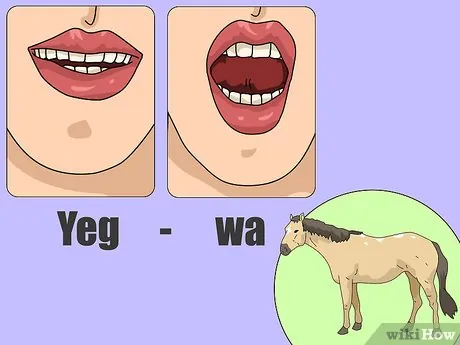
Use “caballo” for a male horse or as the general term for the species. This is the standard word you’ll encounter in conversation and literature.
Use “yegua” when you’re specifically talking about a female horse or mare. You should use this term to distinguish the gender of an adult animal clearly.
Use “potro” if you’re referring to a young male horse or a colt. This term denotes a horse that hasn’t yet reached full maturity.
Use “potranca” if you’re referring to a young female horse or a filly. Applying this specific label helps listeners visualize the age and development of the animal.
Use “caballos” if you’re talking about more than one horse in the plural. This applies regardless of the specific gender or age of the animals within the group you’re describing.
Why the word caballo is used
The term caballo comes from the Latin word caballus, which originally referred to a work horse or a pack animal.
This linguistic evolution matters because it anchors the language in practical utility. While “equus” carried a formal or scientific connotation, “caballo” evolved to reflect the animal’s essential role in daily labor, transport, and agriculture. By choosing this term, you align your speech with the historical foundation of the language.
Regional differences in Spanish usually involve slang or specific regional terms for different horse breeds or behaviors, but “caballo” remains the constant. You can verify the standardized usage of these terms through the Real Academia Española, which acts as the official authority on the Spanish language. They maintain the dictionary that defines how nouns like this function in grammar.
When the word choice changes
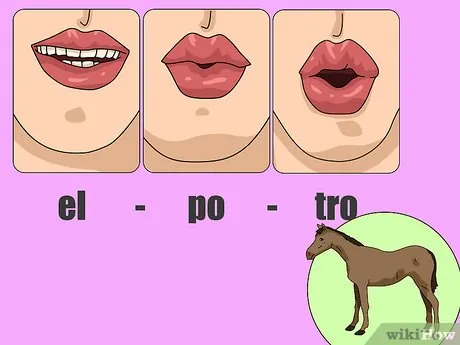
The simple answer is “caballo,” but you might need other words depending on the age or the specific role of the animal. If you’re dealing with a professional equestrian context, you might see more technical terms used to describe the animal’s training or specific lineage.
| Situation | What changes | What to do instead |
|---|---|---|
| Female horse | Gender | Use the word yegua |
| Young horse | Age | Use the word potro |
| Small pony | Size | Use the word poni |
| Many horses | Count | Use the word caballos |
| Horse riding | Activity | Use the word equitación |
These distinctions matter because Spanish speakers often categorize horses by their physical development. For instance, calling a young foal a “caballo” might sound as unnatural to a native speaker as calling a human toddler a “man.”
If you’re at a stable or a farm, listen for these specific markers. Using the correct term signals that you understand the animal’s maturity level. In formal settings, such as a riding school, shifting to “equitación” clarifies that you’re discussing the sport rather than the animal itself. Always observe how locals refer to the horses in their specific region, as some rural areas may use regional slang for working animals.
How to use the word correctly
Identify if you’re talking about a single horse or a group. Use “caballo” for one and “caballos” for two or more. This pluralization rule is consistent across all Spanish-speaking regions.
Check the gender of the animal. If you know it’s a female, swap the word for “yegua” to be more accurate in your description. This distinction is vital when you’re at a stable or farm where gender-specific care is discussed.
Add the correct article before the noun. Use “el” for a male horse and “la” for a female horse, as in “el caballo” or “la yegua.” These articles must always match the gender of the noun.
Practice the pronunciation of the double “ll.” In most Spanish-speaking regions, the “ll” sounds like a “y” in English. Say it like “ka-ba-yo.”
Listen for the sound in local speech. If you’re in different parts of Spain or Latin America, the “y” sound can range from a soft “y” to a “j” sound, but the word itself doesn’t change. Pay attention to how locals stress the second syllable to sound more natural.
Test your pronunciation with a native speaker. If they nod or look toward a horse when you say it, you have successfully communicated your meaning. Don’t worry if your accent feels imperfect; clarity matters more than a perfect regional dialect.
Common mistakes when speaking Spanish
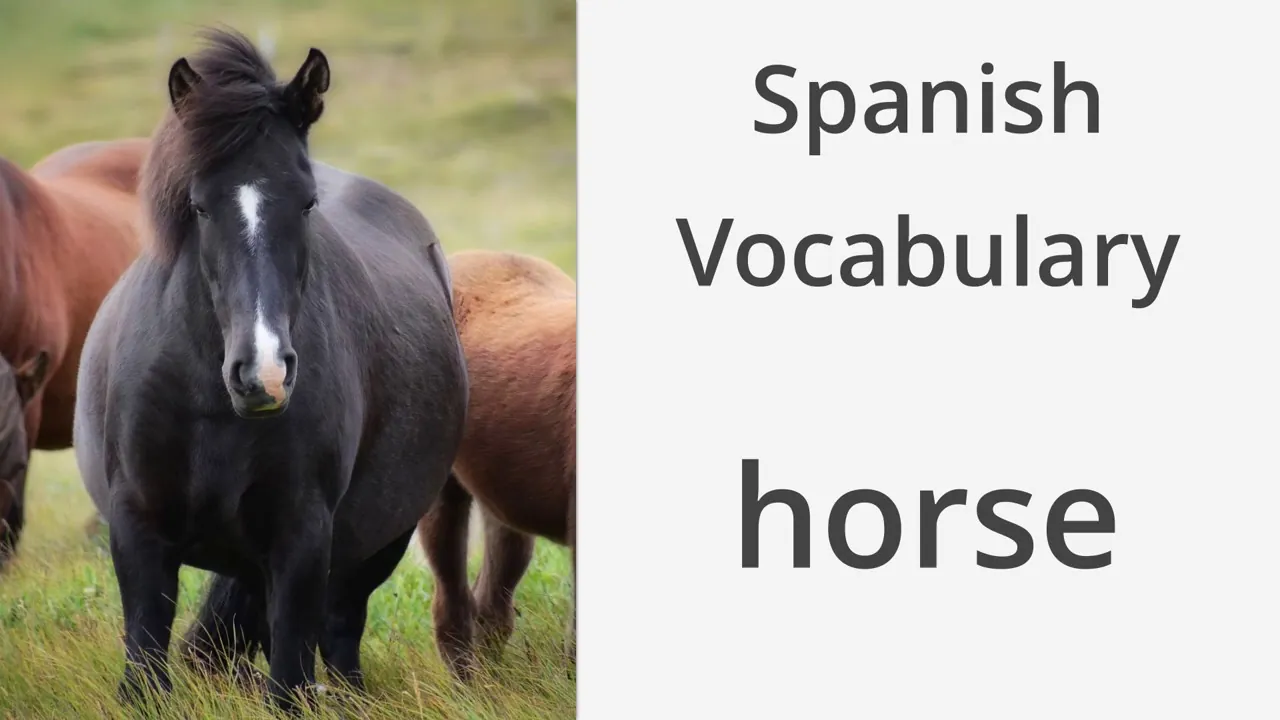
Trying to use the English word “horse” while speaking Spanish will cause confusion, as most speakers won’t know the term. Always rely on the Spanish equivalent to maintain the flow of your conversation.
Forgetting to add the article “el” or “la” before the noun makes your speech sound unnatural. In Spanish, nouns almost always require this grammatical anchor. Including it signals that you understand the structure of the language.
Using the wrong gender for the animal is a common trap. Calling a mare a “caballo” is technically incorrect, as “yegua” is the specific term. Precision here matters because it shows you can distinguish between the sexes of the animal.
Mispronouncing the “ll” as a standard “l” sound makes the word difficult to recognize. Treat the “ll” as a “y” sound to ensure clarity. If you ignore this phonetics rule, listeners may struggle to identify the word entirely.
Frequently asked questions
Can I use caballo for a pony?
You can use “caballo” for a pony, but it isn’t the most precise term. Spanish speakers often use the loanword “poni” or “poni pequeño” to describe smaller horses. If you’re unsure of the exact breed or size, “caballo” is a safe and understood general term that won’t cause any confusion.
How do you say horse racing in spanish?
You say “carreras de caballos” when referring to horse racing. This phrase literally translates to “races of horses.” You’ll see this term used in news reports and at racetracks across all Spanish-speaking countries to describe the sport.
Is it safe to use caballo in every country?
It’s perfectly safe and correct to use “caballo” in every Spanish-speaking country. The language has many regional variations for slang, but the word for a horse is universal. You won’t encounter any negative reactions or misunderstandings by using this standard term in any region.
What happens if I use the wrong gender?
If you use the wrong gender, most people will still understand you perfectly well. If you call a female horse “un caballo,” it’s like calling a mare a “horse” in English; it’s technically specific, but it isn’t a major communication error.
Does the word change in formal writing?
The word doesn’t change in formal writing. “Caballo” is the standard, correct term in all levels of Spanish, from casual conversation to formal literature. You don’t need to worry about using a different word for professional or academic settings.
How long does it take to learn these terms?
You can learn these specific animal terms in just a few minutes of practice. Because they’re singular nouns, there are no complex verb conjugations to memorize for the word itself. Once you say “caballo” and “yegua” a few times, you’ll likely remember them for life.
Does it matter if I use an accent mark?
It doesn’t matter because there’s no accent mark in “caballo.” You simply write it as it sounds, which makes it one of the easier animal names to spell and remember for new learners.
Conclusion
You shouldn’t feel nervous about using this word in conversation. Since it’s understood everywhere, you’ll find it’s a great way to start talking about animals with native speakers. Why don’t you try practicing it in a simple sentence today? You’ll be surprised at how quickly it starts feeling natural to say.