
Why Don’t Horses Sit?
If you have ever watched a horse in a field, you might notice something interesting: horses rarely, if ever, sit down like dogs or cats do. You may see them standing for hours, sometimes even sleeping while standing. For many people, this raises a simple but curious question: Why don’t horses sit? The answer is not just about habits or preferences—it’s about evolution, anatomy, safety, and the unique lifestyle of horses throughout history.
In this article, you’ll learn exactly why horses don’t sit, how their bodies are different from other animals, and what this means for their health and daily lives. We’ll also explore common myths, compare them to other animals, and answer the most frequently asked questions about horse behavior.
The Anatomy Of A Horse: Built For Standing
The way a horse’s body is shaped makes sitting almost impossible. Every part of their body, from the skeleton to their muscles, is designed for standing and moving quickly, not for sitting or lying for long periods.
Skeletal Structure
Horses have a long back, strong legs, and a heavy head. Their spine is not as flexible as a cat’s or a dog’s. When a horse tries to sit, the weight of its body puts too much pressure on its hips and hind legs. Unlike dogs, whose pelvis and legs can easily fold under their bodies, a horse’s legs are straight and stiff, making the sitting posture very uncomfortable and hard to maintain.
Muscles And Tendons
Horses use a special group of tendons and ligaments, called the stay apparatus, to lock their legs and stand for long periods without using much energy. This system helps them rest while standing up, which is something most other animals cannot do. If a horse tries to sit, these tendons and muscles are stretched in a way that can cause discomfort or even injury.
Comparison To Other Animals
Let’s see how horses compare to other common animals:
| Animal | Sitting Ability | Reason |
|---|---|---|
| Dog | Yes | Flexible spine and pelvis |
| Cat | Yes | Flexible joints and back |
| Horse | No | Rigid legs and back, heavy body |
| Cow | Rarely | Heavy body, similar structure to horse |
From the table, it’s clear that the horse’s body is not made for sitting. Their entire shape and bone structure make this position difficult and risky.
Evolution And Survival: Why Standing Matters
Horses are prey animals. In the wild, their survival often depends on how quickly they can escape from danger. Sitting or lying down slows them down, making them an easy target for predators.
Evolutionary History
Millions of years ago, horses evolved on open grasslands where being alert and ready to run was crucial. They developed long, strong legs for speed and a standing rest posture to quickly escape threats. Sitting would have made them vulnerable to attacks because getting up from a sitting position takes time and energy.
The Need For Speed
If a horse is lying or sitting, it cannot sprint away from a predator. That’s why horses have developed the fight-or-flight response so strongly—they are always ready to run. This is why you rarely see a horse lying down unless it feels completely safe, and almost never sitting.
Resting While Standing
Horses have adapted to sleep and rest while standing. Their legs can lock in place, allowing them to relax without falling over. This is especially useful in the wild, where a quick escape can mean the difference between life and death.
The Risks Of Sitting For Horses
If a horse tries to sit, several problems can occur. Their anatomy and weight distribution make sitting more than just uncomfortable—it can be dangerous.
Pressure On Internal Organs
A horse’s chest is large and heavy. Sitting puts a lot of pressure on the lungs and heart, making it harder for them to breathe properly. This is one reason why horses that are forced to stay lying down or try to sit for long can develop health problems quickly.
Joint And Muscle Injuries
The legs of a horse are designed to carry weight in a standing position. If a horse tries to sit, the angles of the joints become unnatural, straining the ligaments and muscles. This can lead to injuries, especially if the horse tries to get up quickly.
Circulation Problems
Because of their size, horses are at risk of circulation problems if they stay in any position other than standing for too long. Blood flow can be restricted, leading to numbness or even more serious health issues.
Common Misunderstandings About Horses Sitting
Many people think that if a horse never sits, it might be uncomfortable, sick, or in pain. In reality, standing is the most natural position for a horse.
“do Horses Ever Sit?”
Some people report seeing horses in a sitting position. In rare cases, a horse may lower its hindquarters but will almost never stay in this position for more than a few seconds. This is usually a transition between lying down and standing up, not true sitting.
Lying Down Vs. Sitting
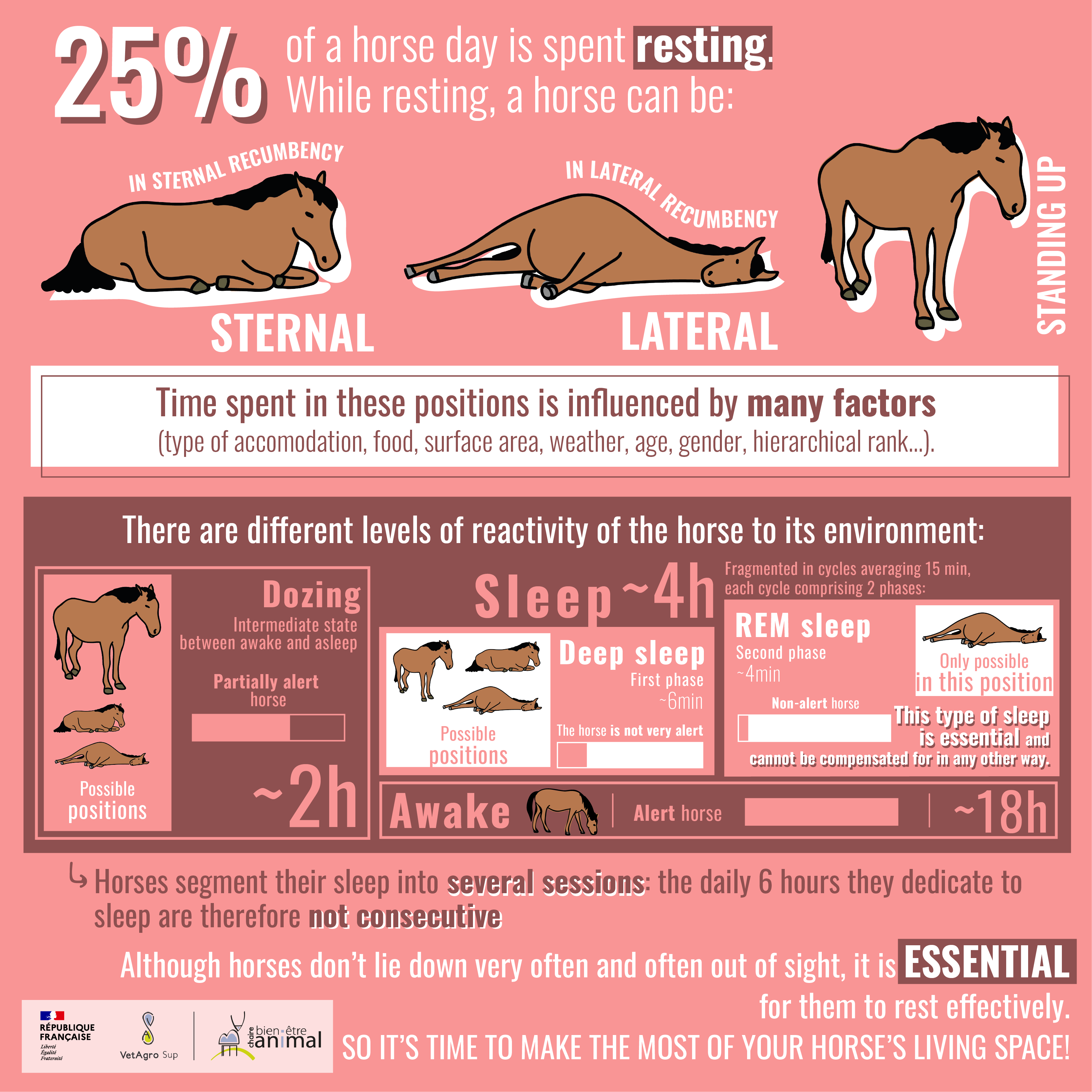
Horses do lie down to sleep, but only for short periods. Deep sleep requires lying flat, but this usually happens for just a few minutes at a time, and only when the horse feels completely safe. Sitting, as dogs or humans do, is not part of their normal behavior.
When Horses Do Sit
If you see a horse sitting for a long time, it can be a sign of a problem. This is not normal and could mean the horse is injured or sick and unable to stand properly.
The Role Of Sleep In Horse Behavior
Sleep is important for all animals, but horses have unique sleep habits. Let’s explore how horses rest and why their way of sleeping is connected to their standing lifestyle.
Types Of Sleep
Horses experience two main types of sleep:
- Light sleep (can happen while standing)
- Deep sleep (REM sleep) (must happen while lying down)
During light sleep, horses lock their legs and rest their muscles. For deep sleep, they need to lie down for short periods. If a horse never lies down, it can suffer from sleep deprivation.
Why Not Sleep Sitting?
Sitting does not help horses get the deep rest they need. Their anatomy does not support this position, and it provides no extra safety or comfort.
How Long Do Horses Lie Down?
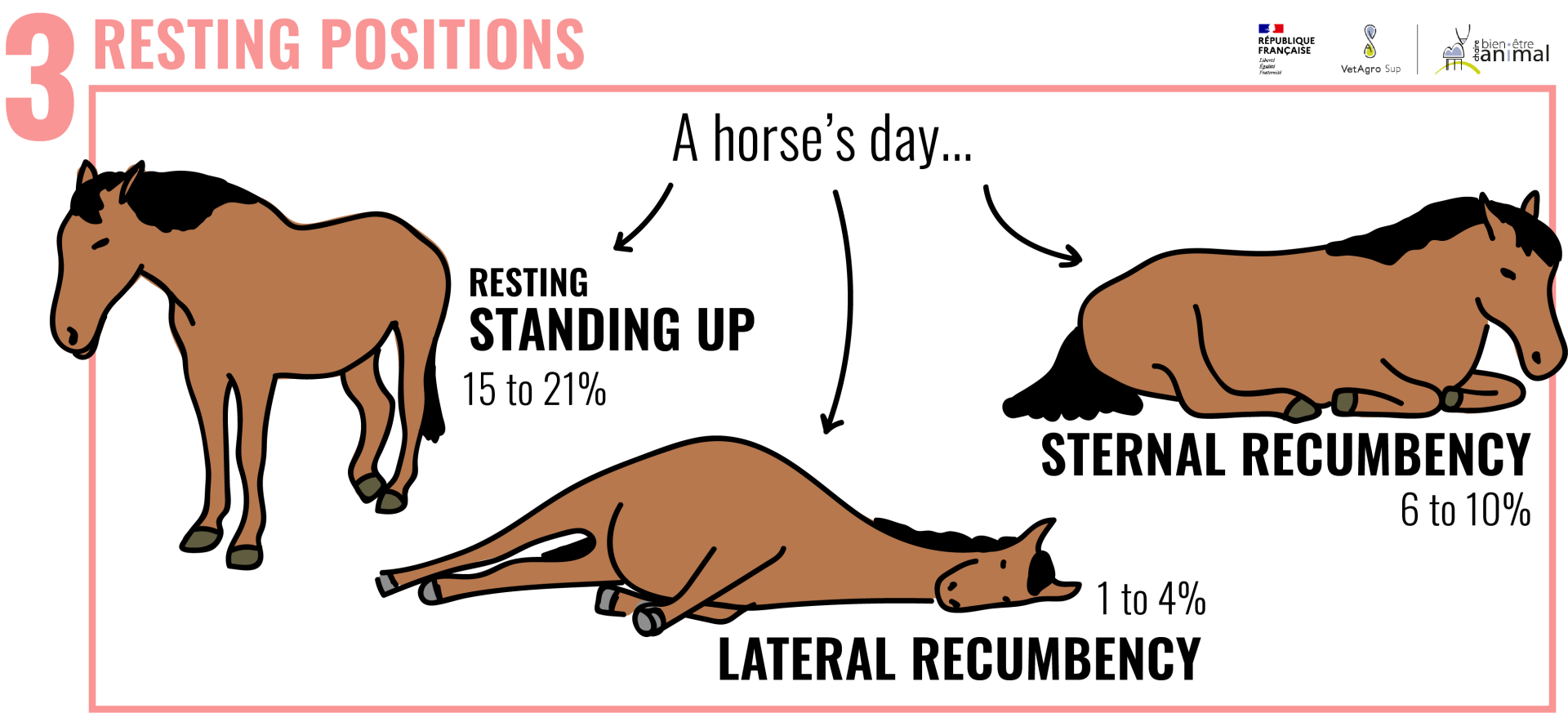
On average, horses lie down for only 30 minutes to 2 hours per day, often in short bursts. This is enough for their deep sleep needs, while the rest of their rest happens standing.
How Horse Behavior Differs From Other Animals
It’s common to compare horses with dogs, cows, or even humans. But each animal has its own unique set of behaviors, shaped by evolution and the environment.
Dogs And Cats
Dogs sit often, and cats can curl up in almost any position. Their flexible bodies and lighter frames make sitting easy and comfortable.
Cows And Other Livestock
Cows can sometimes be seen in a sitting-like position, but usually, they lie down fully. Like horses, their size and body shape make sitting difficult.
Wild Horses Vs. Domesticated Horses
Both wild and domestic horses show the same pattern: they rarely sit, and spend most of their time standing. This is true whether they are in open fields or in stables.
Human Interaction
People sometimes try to train horses to sit for shows or entertainment. This can be stressful and risky for the horse, and is generally not recommended by veterinarians or animal behaviorists.
Health Problems Related To Lying Down Or Sitting
Sometimes, horses are forced into positions they don’t like, usually because of illness or injury. Understanding these risks can help horse owners spot problems early.
Colic And Other Illnesses
If a horse is lying down or in a sitting position for too long, it may be suffering from colic or another medical problem. Colic is a serious digestive disorder that can be life-threatening.
Muscle Damage
The weight of a horse’s body pressing on its muscles can cause muscle damage if it lies down for more than a few hours. This is one reason why horses must be moved or helped to stand if they are down for too long.
Signs Of Trouble
If a horse is seen sitting or lying down for long periods, it’s important to call a veterinarian. It may be unable to stand due to pain or weakness.
Myths And Facts About Horse Sitting
There are many myths about horse behavior. Let’s clear up some common misunderstandings.
Myth 1: Horses Can’t Lie Down
Fact: Horses can and do lie down, but only for short periods and only when they feel safe.
Myth 2: Horses Would Like To Sit If They Could
Fact: Sitting is not comfortable or natural for horses. Their bodies are not built for this, and it would be harmful if they tried.
Myth 3: Only Sick Horses Lie Or Sit
Fact: Healthy horses do lie down for deep sleep, but if you see a horse sitting for a long time, it’s a sign to check for problems.
Myth 4: Horses Sleep All Night Lying Down
Fact: Most of a horse’s sleep happens while standing. Only a small part of their sleep requires lying down.
Credit: chaire-bea.vetagro-sup.fr
What Happens When A Horse “sits”?
In rare cases, a horse may get into a position that looks like sitting. This usually happens when:
- The horse is getting up from lying down
- The horse is trying to scratch its belly or sides
- The horse is sick or injured and cannot stand properly
If a horse spends more than a few seconds in this position, it is often a sign of trouble.
Training Horses To Sit: Is It Safe?
Some trainers claim to teach horses to sit for shows or photos. While this may look impressive, it carries risks.
Physical Risks
Forcing a horse into a sitting position can cause joint injuries, muscle strain, and stress. The horse’s natural structure does not support this posture.
Behavioral Problems
Horses may become anxious or confused if asked to perform unnatural behaviors. This can lead to trust issues and even dangerous behavior.
Professional Advice
Most equine experts advise against teaching horses to sit. There are many other, safer ways to build a bond with your horse.
Credit: chaire-bea.vetagro-sup.fr
How Horses Communicate Comfort And Safety
Body language is important for horses. Standing, lying down, and movement all have meaning.
Relaxed Standing
A calm, relaxed horse will stand quietly, often with one back foot resting. This shows the horse feels safe.
Lying Down
If a horse lies down, it means it trusts its environment. Horses only do this when they are sure there is no danger.
Restlessness
If a horse shifts position a lot or tries to sit, it can be a sign of discomfort or pain.
Data: How Often Do Horses Lie Down?
Researchers have studied how much time horses spend standing, lying, and moving. The following table shows average daily behavior for an adult horse:
| Behavior | Average Time per Day |
|---|---|
| Standing | 18-20 hours |
| Lying Down | 1-3 hours |
| Walking/Running | 2-5 hours |
These numbers show just how important standing is to a horse’s daily life.
Real-life Examples: When Horses Try To Sit
While rare, there have been cases where horses appear to try sitting. For example:
- Injury: A horse with a leg injury may drop its hindquarters, looking like it is sitting. This is a sign the horse cannot bear weight and needs medical help.
- Old Age: Elderly horses with weak muscles or arthritis may rest in an odd position but do not truly sit.
- Training Accidents: In some shows, horses are taught to “sit,” but this is not a natural behavior and can lead to health issues.
These cases are exceptions, not the rule. Healthy horses will almost never sit.
The Importance Of Safe Rest For Horses
Providing a safe, comfortable space for horses to rest is essential for their health.
Bedding And Shelter
Horses need soft bedding and shelter from wind and rain. This encourages them to lie down when they need deep sleep.
Social Comfort
Horses are herd animals. They feel safest when other horses are nearby. In groups, some horses stand guard while others lie down.
Monitoring Health
Owners should watch for changes in their horse’s resting habits. If a horse suddenly spends more time lying down or trying to sit, it may need medical attention.
Evolutionary Design: Why Horses Can’t Sit
The horse’s inability to sit is not a flaw—it’s a design perfected by evolution. Their bodies are made for speed, alertness, and survival, not for resting in a sitting position.
Speed And Escape
Standing allows horses to run at a moment’s notice. This is the key to their survival as prey animals.
Energy Efficiency
The stay apparatus in their legs lets horses relax while standing, saving energy and reducing the need for sitting or lying down.
Safety In Numbers
In the wild, one horse may lie down while others stand guard, ready to alert the group to danger. Sitting would slow this process and put the group at risk.
How To Support Healthy Rest In Horses
As a horse owner or caretaker, there are things you can do to help your horse rest well:
- Provide a safe, quiet space for resting, with soft bedding and shelter.
- Allow social contact with other horses so they feel secure enough to lie down.
- Observe your horse daily for changes in behavior or movement.
- Call a veterinarian if your horse seems uncomfortable, tries to sit, or lies down for long periods.
- Avoid forcing unnatural behaviors like sitting, which can cause injury and stress.

Credit: www.justhorseriders.co.uk
Non-obvious Insights About Horses And Sitting
Many beginners miss these important facts:
- Standing Sleep is Enough: Horses get most of their needed rest while standing. Lying down is just for short, deep sleep periods.
- Sitting is a Symptom, Not a Behavior: If you see a horse sitting, think “problem,” not “cute trick.” Healthy horses do not sit.
- Evolution Over Comfort: Horses’ bodies have been shaped by millions of years of living on open plains. Their comfort and safety come from standing, not sitting or lying.
- Rest is Social: Horses in groups rest more and lie down longer, because they feel safer together.
- Training Has Limits: Even well-trained horses should not be asked to sit. The risks far outweigh any entertainment value.
Frequently Asked Questions
Why Do Horses Sleep Standing Up?
Horses sleep standing up because their legs have a special locking system called the stay apparatus. This allows them to rest without falling over and lets them quickly escape if danger comes. Standing sleep also reduces the risk of injury and helps with blood circulation in their large bodies.
Can Horses Ever Sit Like A Dog?
No, horses cannot sit like a dog. Their back and legs are too stiff and heavy for this position. If you see a horse in a sitting posture, it is usually just moving between lying down and standing or may be hurt or sick.
Is It Dangerous For A Horse To Sit?
Yes, sitting is uncomfortable and risky for horses. It puts too much pressure on their joints and internal organs. If a horse tries to sit for long, it can get hurt or develop health problems. Any horse that sits for more than a few seconds should be checked by a veterinarian.
How Do Horses Get Deep Sleep If They Don’t Sit?
Horses get deep sleep by lying down for short periods, usually just a few minutes at a time. This is enough for their bodies. The rest of their sleep happens while standing, which keeps them safe and comfortable.
Where Can I Learn More About Horse Behavior?
You can find more information about horse behavior and anatomy from trusted sources like Wikipedia. Always check with veterinarians or equine experts for the best advice.
Horses are truly unique animals, shaped by nature for a life of movement and alertness. Their standing habits and inability to sit are not just curious facts—they’re key to their survival and well-being. Understanding these details helps us care for horses better, and respect the way nature has designed them.