
The thrill of riding horses captures the imagination of people all over the world. Whether you dream of galloping across open fields, exploring forest trails, or simply connecting with these gentle animals, horse riding is a unique experience. But many beginners wonder: when can you ride horses? Is there a right age, season, or skill level required? Are there health or safety rules you need to follow? This article will answer those questions and more, giving you everything you need to know about the best time, place, and way to ride horses.
You’ll learn about the physical and mental readiness needed for riding, how seasons and weather affect your riding schedule, and what rules to follow for safety. We’ll also explore the best locations, riding disciplines, and how age or health can change your experience.
With practical advice and real examples, you’ll discover how to make horse riding safe, enjoyable, and meaningful—whether you’re a beginner or returning rider.
Age And Physical Readiness: When Are You Ready?
Horse riding is not just about age. It’s about physical readiness and emotional maturity. Let’s look at what you need to be prepared.
Minimum Age For Riding Horses
Most riding schools start lessons for children around 6 years old. At this age, kids usually have enough balance, strength, and attention to follow instructions. Some schools offer pony rides for children as young as 3–5 years, but these are usually short, guided, and on very gentle ponies.
For adults, there’s no maximum age. Many people begin riding in their 40s, 50s, or even 60s. As long as you’re healthy and mobile, you can learn to ride.
Physical Requirements
Riding requires core strength, balance, and coordination. You don’t need to be an athlete, but basic fitness helps. If you have trouble walking, struggle with balance, or have severe joint pain, riding may be difficult. Medical conditions like severe arthritis or heart problems can also limit your ability.
Non-obvious insight: It’s not just legs and arms—riding mostly uses your core muscles and lower back. Many beginners expect their legs to do all the work, but your posture and balance are key.
Emotional Readiness
Horses respond to calm, confident riders. If you’re afraid or nervous, the horse can sense this and may become uneasy. Emotional maturity is important, especially for children. Riders must listen to instructions, respect the horse, and stay focused.
Seasonal And Weather Considerations
Can you ride horses all year? Weather and seasons play a big role in horse riding safety and enjoyment.
Riding In Spring And Summer
Spring and summer are often the best times for riding. Warm weather means comfortable conditions for you and your horse. Trails are usually dry, and there’s plenty of daylight.
Riding In Autumn
Autumn offers beautiful scenery and cooler temperatures. But falling leaves can make trails slippery. Horses may also shed their summer coats, which can affect grooming and comfort.
Riding In Winter
Winter riding can be challenging. Cold weather makes horses and riders stiff. Ice and snow are dangerous, especially for beginners. Some riding centers close in winter, while others offer indoor arenas.
Non-obvious insight: Even in cold climates, horses can enjoy outdoor rides, but they need extra care. Blanketing, warm-up time, and checking for icy patches are critical.
| Season | Pros | Cons |
|---|---|---|
| Spring | Comfortable weather, dry trails | Rain can cause muddy paths |
| Summer | Long daylight, warm temperatures | Heat, bugs, dehydration risk |
| Autumn | Cooler air, beautiful views | Slippery leaves, early darkness |
| Winter | Quiet trails, less crowd | Cold, icy, limited outdoor options |
Health And Safety: Rules You Must Follow
Horse riding is fun, but safety always comes first. Before you ride, know the health and safety rules.
Helmets And Protective Gear
Always wear a helmet. Head injuries are serious and can happen easily if you fall. Some riders wear body protectors, especially for jumping or trail riding.
Proper Footwear
Wear boots with a heel. This prevents your foot from slipping through the stirrup. Sneakers and sandals are dangerous.
Pre-ride Health Check
If you’re sick, dizzy, or injured, don’t ride. Horses need healthy riders who can react quickly.
Horse Health Matters
Never ride a horse that looks tired, sick, or limping. Horses need to be checked for injuries, hoof problems, or illness before every ride.
Safe Riding Habits
- Always listen to your instructor or guide.
- Stay calm and focused.
- Don’t ride alone, especially as a beginner.
- Check tack and equipment before mounting.
Non-obvious insight: Many accidents happen during mounting or dismounting. Take your time and ask for help if needed.
Choosing The Right Horse
Not every horse is suitable for every rider. Picking the right horse makes riding safer and more enjoyable.
Temperament And Training
Beginners should ride calm, well-trained horses. These horses are patient and forgiving. Advanced riders may prefer horses with more spirit.
Size Matters
The horse’s size should match the rider. Children ride smaller ponies, while adults need larger horses. A horse that’s too big or too small can be uncomfortable or unsafe.
Horse Age
Younger horses (under 5 years) can be unpredictable. Older horses (10–20 years) are usually more reliable.
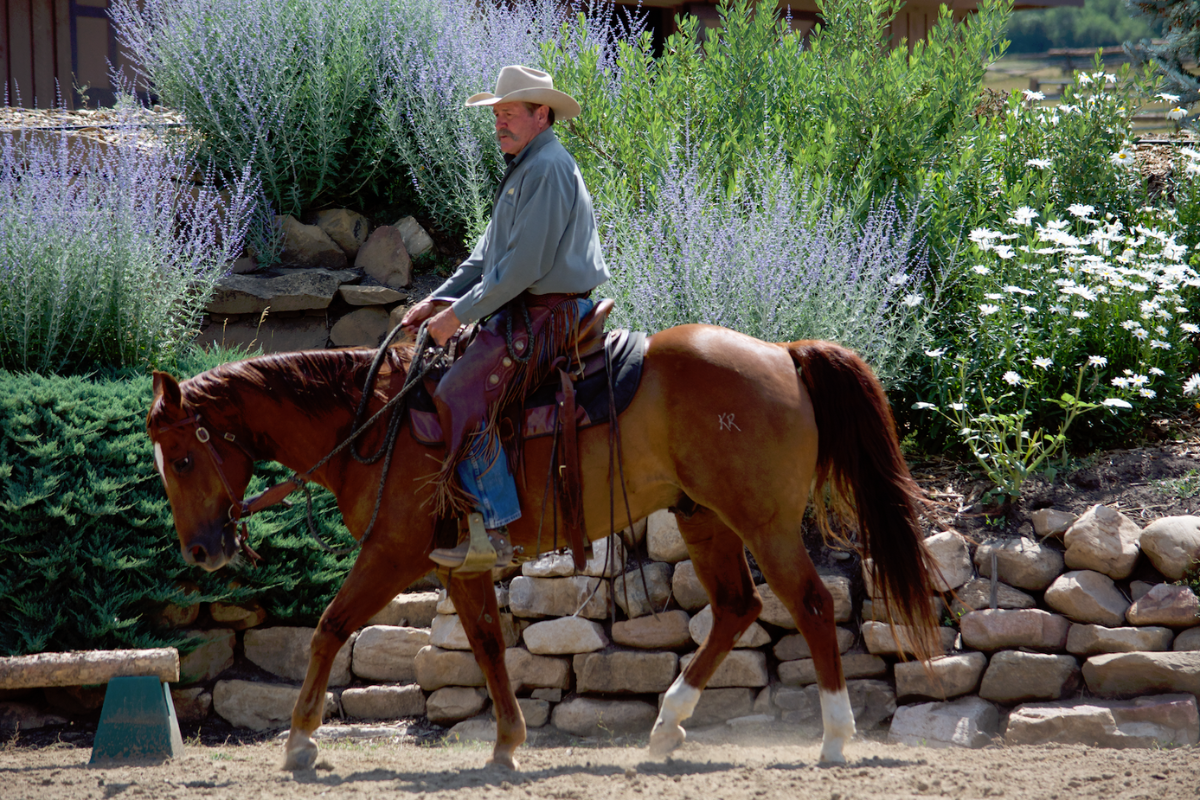
| Rider Type | Recommended Horse | Reason |
|---|---|---|
| Beginner | Older, calm horse | Stable, patient, less likely to spook |
| Child | Pony | Smaller, easier to control |
| Advanced | Young, energetic horse | More challenge, faster pace |
Credit: shopus.parelli.com
Skill Level: From Beginner To Advanced
Your riding skill affects when and how you can ride horses.
Beginner Riders
Beginners should start with supervised lessons. You’ll learn basic skills like mounting, steering, and stopping. Most people can trot after a few lessons.
Intermediate Riders
Once you’re comfortable, you can try trail rides, gentle cantering, and basic jumping. You’ll need more balance and control.
Advanced Riders
Advanced riders can ride in competitions, jump obstacles, or go on long trail rides. You must know how to handle unexpected situations.
Non-obvious insight: Progressing too fast can be risky. Master basic skills before moving on. Many injuries happen when riders try new skills without guidance.
Types Of Riding: Disciplines And Their Requirements
There are many styles of horse riding, each with its own requirements.
English Riding
This style includes dressage, show jumping, and eventing. Riders need more precision and balance. English saddles are lighter and smaller.
Western Riding
Western riding is popular in the US and Canada. It includes trail riding, rodeo events, and reining. The saddle is larger and offers more comfort.
Trail Riding
This is a relaxed style, suitable for all levels. You’ll ride on nature trails, often with a guide.
Endurance Riding
Endurance riding is for advanced riders. You cover long distances and need a fit horse.
| Discipline | Skill Level | Equipment |
|---|---|---|
| English | Intermediate-Advanced | English saddle, helmet |
| Western | Beginner-Advanced | Western saddle, boots |
| Trail | Beginner-Advanced | Any comfortable saddle |
| Endurance | Advanced | Lightweight tack, water bottles |
Locations: Where Can You Ride Horses?
Not all places are suitable for horse riding. Let’s look at the best locations and their features.
Riding Schools And Equestrian Centers
These are the safest places for beginners. You’ll have access to trained horses, instructors, and proper equipment. Schools offer lessons, group rides, and sometimes competitions.
Private Stables
If you own a horse or know someone who does, private stables can be more flexible. However, you need more experience and responsibility.
Public Trails And Parks
Many parks have dedicated horse trails. Rules vary by location—some require permits, others are open to the public. Always check regulations before riding.
Beaches
Beach rides are popular for their scenery and freedom. Not all beaches allow horses, so check local rules.
Indoor Arenas
Indoor arenas are perfect for winter or rainy days. They offer controlled environments and often have lessons or events.
Legal And Local Regulations
Laws about horse riding vary. Some places require permits, insurance, or restrict where you can ride.
Permits And Insurance
Public parks and trails may require a riding permit. Riding schools often carry insurance, but private riders may need their own.
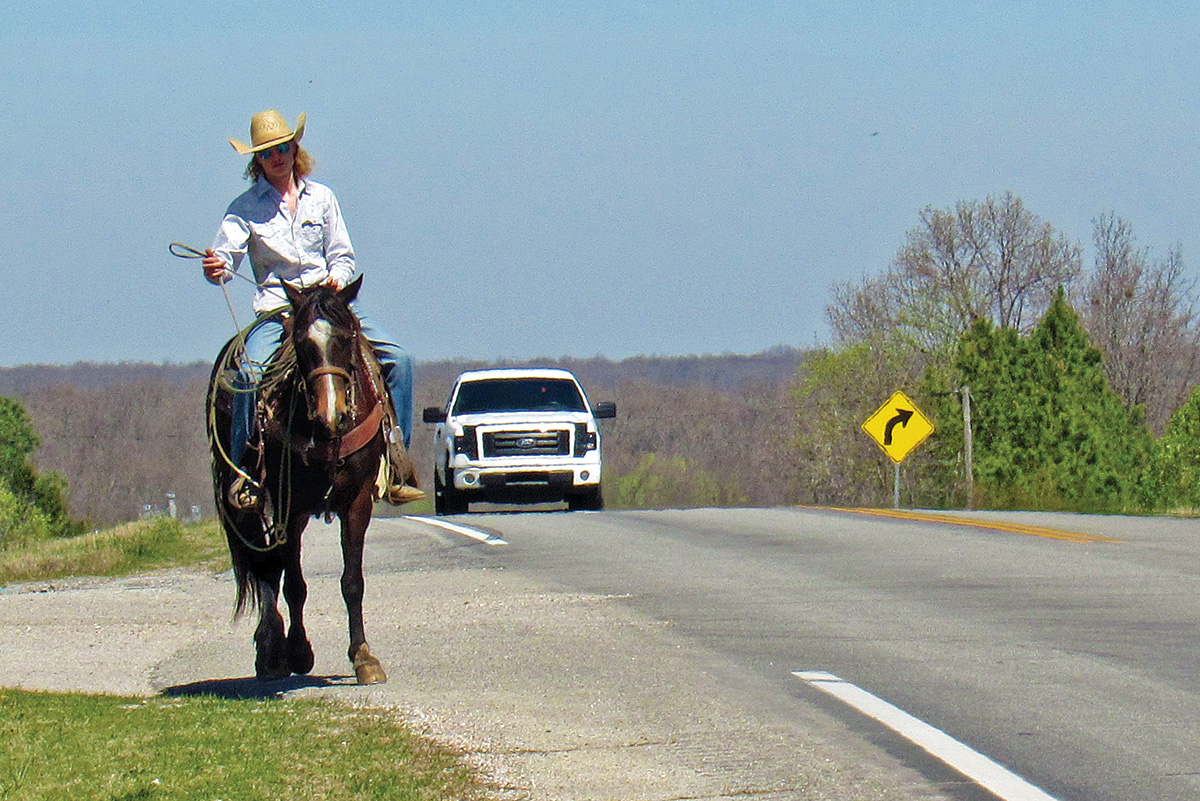
Riding On Roads
In some countries, riding on roads is allowed. You must follow traffic rules, wear reflective gear, and stay alert.
Liability And Safety
If you ride on private land, always ask for permission. Riding without consent can cause legal trouble.
External resource: For more details, visit the British Horse Society for official advice on riding regulations.
Health Benefits: Why Ride Horses?
Riding horses offers many physical and mental benefits.
Physical Benefits
- Improves balance and core strength
- Boosts cardiovascular health
- Enhances flexibility and posture
According to studies, riders burn up to 350 calories per hour during moderate riding.
Mental Benefits
- Reduces stress
- Builds confidence
- Improves focus and patience
Non-obvious insight: Horse riding can help with emotional healing. Many therapy programs use horses for people with anxiety or trauma.
Common Mistakes And How To Avoid Them
Beginners often make mistakes that can affect their safety and enjoyment.
Rushing Progress
Trying to ride advanced horses or learn new skills too quickly increases risk. Go step by step.
Ignoring Safety Gear
Skipping helmets or wearing wrong shoes is dangerous. Always use proper gear.
Not Listening To Instructors
Ignoring advice can lead to accidents. Instructors know how to keep you safe.
Overestimating Horse Ability
Some riders think all horses are gentle. Each horse is different—never assume.
Not Checking Equipment
Loose saddles or broken reins can cause falls. Always check before mounting.
Credit: shopus.parelli.com
Preparing For Your First Ride
If you’re ready to ride for the first time, preparation is key.
What To Wear
- Helmet
- Comfortable pants
- Boots with a heel
- Gloves (optional for grip)
What To Bring
- Water bottle
- Sunscreen (for outdoor rides)
- Emergency contact info
What To Expect
Your instructor will show you how to mount, steer, and stop. Don’t worry if you’re nervous—everyone feels this way at first.
Non-obvious insight: Horses need time to trust new riders. Approach slowly, speak softly, and avoid sudden moves.
Returning To Riding After A Break
Many adults return to riding after years away. Age, injury, or life changes can make you hesitant. But with the right approach, you can start again safely.
Tips For Returning Riders
- Start with easy lessons
- Check your fitness
- Choose calm horses
- Ask for refresher lessons
- Listen to your body
Returning riders often find their balance and confidence return quickly.
Horse Riding For People With Disabilities
Riding is possible for many people with disabilities. Programs called therapeutic riding help those with physical, mental, or emotional challenges.
Adaptive Equipment
Special saddles, mounting blocks, and trained horses are used. Instructors are trained to help.
Benefits
- Improves mobility
- Builds confidence
- Enhances social skills
Many centers offer lessons for people with autism, cerebral palsy, or vision impairment.
Riding Horses Around The World
Different cultures have unique horse riding traditions.
United States
Western riding, rodeos, and trail rides are common.
United Kingdom
English riding, fox hunting, and pony clubs are popular.
Mongolia
Horse riding is a central part of culture. Horses are used for travel, sport, and ceremonies.
Argentina
The gaucho tradition features skilled riders and horsemen.
Japan
Horse archery and historic festivals include riding displays.
How To Choose A Riding School
Finding the right school is important for safety and learning.
Factors To Consider
- Instructor qualifications
- Horse welfare
- Safety standards
- Lesson structure
- Cost and location
Visit the school, watch a lesson, and ask questions. Good schools welcome visitors.
Horse Riding For Fitness
Many people use horse riding for exercise. It’s not just fun—it’s a workout.
Calories Burned
Moderate riding burns 250–350 calories per hour. Faster riding or jumping burns more.
Muscles Used
Riding works your core, legs, back, and arms. It’s a full-body activity.
Comparison With Other Sports
Horse riding combines cardio, strength, and balance. It’s similar to cycling or swimming in terms of fitness benefits.
Credit: www.horseillustrated.com
The Best Time Of Day To Ride Horses
Timing can affect your riding experience.
Morning Rides
Cool temperatures and calm horses make mornings ideal. Horses are often more energetic.
Afternoon Rides
Warmer weather and busy schedules mean more riders in the afternoon. Horses may be tired from earlier rides.
Evening Rides
Evenings are quiet, but darkness can make riding unsafe.
Non-obvious insight: Horses have daily rhythms. Some horses are more relaxed in the morning, others in the afternoon. Ask your instructor about the best time for their horses.
Frequently Asked Questions
What Is The Minimum Age For Riding Horses?
Most schools start lessons at 6 years old, but pony rides are available for children as young as 3–5 years. Emotional maturity and ability to follow instructions matter more than age alone.
Can You Ride Horses In Winter?
Yes, you can ride in winter if you follow safety rules. Wear warm gear, check for icy paths, and consider indoor arenas. Some horses need extra care in cold weather.
How Do I Know If I’m Physically Ready To Ride?
You should be able to walk comfortably, have basic balance, and follow instructions. If you have severe health problems, ask your doctor before riding.
What Equipment Do I Need For Horse Riding?
Always wear a helmet and boots with a heel. Comfortable pants and gloves help. Check with your riding school for extra requirements.
Is Horse Riding Safe For Beginners?
Horse riding is safe if you follow instructions, wear proper gear, and ride calm, trained horses. Start with lessons and don’t rush progress.
Horse riding can be one of the most rewarding activities you ever try. Whether you’re a child, an adult, or someone returning after a break, knowing when can you ride horses makes all the difference. Choose the right time, place, and horse, follow safety rules, and enjoy the many benefits. With patience and guidance, anyone can experience the joy of riding horses.