
Breeding horses is an ancient practice that has shaped civilizations, economies, and cultures around the world. From the mighty warhorses of history to the elegant racehorses of today, people have always been fascinated by the art and science of producing strong, healthy, and talented horses.
But how do people actually breed horses? The answer is not simple. It involves careful planning, deep knowledge of genetics, strong management, and a lot of patience. Whether you dream of raising your own foal or are just curious about how horse breeding works, this article will guide you through every important step, decision, and detail.
If you imagine horse breeding as just putting a stallion and a mare together, you are missing most of the story. Modern horse breeding combines tradition and technology. It’s about creating horses with desired qualities—speed, endurance, temperament, color, or even specific skills.
Breeders must understand their goals, select the right animals, manage health, and follow ethical standards. There are many ways to breed horses, each with its own benefits and risks. The process can be expensive, complex, and sometimes emotional. But for many, it is a labor of love.
Let’s dive deep into the world of horse breeding, exploring everything from basic concepts to advanced practices, and learning what makes this process so unique and rewarding.
Understanding Horse Genetics And Breeding Goals
Successful horse breeding starts with clear goals. Breeders must decide what qualities they want in the foal. Do they want speed for racing? Strength for work? Calm temperament for riding? Genetics play a big role in these qualities.
Every horse has genes that control traits like height, coat color, muscle type, and behavior. When two horses mate, their genes mix to create the foal. Breeders study the pedigree (family history) of horses to predict what traits may appear.
But genetics are not always simple. Sometimes, two healthy horses can produce a foal with health problems because of hidden gene issues. Breeders use genetic testing to check for diseases or undesired traits. This is especially important in breeds with small populations or popular stallions.
Common Breeding Goals
- Performance: Racehorses, show jumpers, and dressage horses are bred for speed, agility, or elegance.
- Temperament: Horses for beginners or children need a calm personality.
- Color and Appearance: Some breeds focus on coat color or specific markings.
- Health and Longevity: Strong immune systems and fewer genetic diseases.
- Special Skills: For police, therapy, or farm work.
Setting clear goals helps breeders choose the right stallion and mare.
Selecting Breeding Horses
Picking the right horses is the most important step. Not every horse should be bred. Only healthy horses with good traits and no serious genetic flaws are used.
Stallion Selection
The stallion (male horse) passes half his genes to the foal. Stallions are usually chosen for their:
- Performance history
- Physical strength
- Good temperament
- Genetic health
Top stallions can be expensive. Some charge stud fees of $5,000 to over $100,000, especially in racing breeds. Stallion owners often provide detailed records of achievements and family history.
Mare Selection
The mare (female horse) also passes half her genes, but she is even more important. The mare raises the foal and influences its early life.
Mares should be:
- Healthy and fertile
- Free from major genetic defects
- Capable mothers
Some breeders use proven mares—those who have already produced good foals.
Comparing Stallion And Mare Qualities
Here’s a simple table showing key factors breeders compare:
| Trait | Stallion | Mare |
|---|---|---|
| Performance | Often prioritized | Important, but less public |
| Temperament | Can impact foal, but less direct | Highly impacts foal and early care |
| Genetic Health | Must be screened | Must be screened |
| Mothering Ability | Not applicable | Essential |
Selecting the right pair is more than just matching pedigrees. Breeders look for complementary traits. For example, if a mare is strong but lacks speed, a stallion with speed can balance this.
Methods Of Horse Breeding
There are several ways to breed horses. Each method has pros and cons. The most common are:
1. Natural Cover
This is the traditional way. The stallion and mare meet and mate naturally, usually under supervision. It is simple but can be risky—horses can get injured, and diseases can spread.
Some breeds, like Thoroughbreds, require natural cover for official registration. The process is carefully managed. The mare’s heat cycle is tracked, and she is only brought to the stallion when ready.
2. Artificial Insemination (ai)
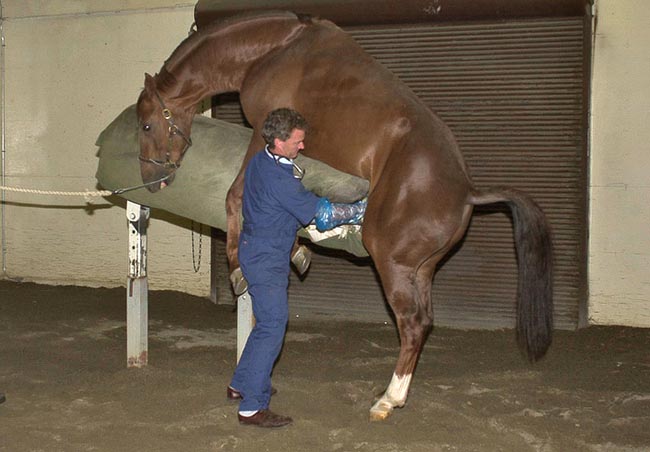
Artificial insemination is common in modern horse breeding. Here’s how it works:
- Semen is collected from the stallion.
- It is checked for quality and sometimes chilled or frozen.
- The semen is placed inside the mare at the right time.
AI reduces risk, allows breeding from a distance, and gives breeders more control. It is not allowed in some breeds, but is popular with Quarter Horses and Warmbloods.
3. Embryo Transfer
Embryo transfer is a more advanced technique. The mare’s egg is fertilized (usually by AI), and the embryo is moved to a recipient mare. This allows valuable mares to produce more than one foal per year.
It is expensive and needs skilled vets. It is used in top sport horse breeding and rare breeds.
4. In Vitro Fertilization (ivf)
IVF is rare in horses but growing. Eggs are taken from the mare and fertilized in a lab. The embryo is then implanted in a surrogate. It is used when other methods fail or for very valuable genetics.
Comparing Breeding Methods
Let’s compare the main methods:
| Method | Success Rate | Cost | Risks |
|---|---|---|---|
| Natural Cover | 60-80% | Low | Injury, disease |
| AI | 50-90% | Moderate | Lab errors, timing |
| Embryo Transfer | 40-70% | High | Needs expert care |
| IVF | 20-40% | Very High | Technical limits |
Tracking The Mare’s Heat Cycle
For any breeding method, timing is everything. The mare must be in heat (estrus) for conception to happen.
Mares have a cycle of about 21 days, with 5-7 days in heat. Signs include:
- Behavioral changes: More friendly to stallions, restless, tail raising
- Physical signs: Swelling, discharge
Breeders use ultrasound to check the ovaries and predict the best time. Some give hormones to help control the cycle.
Missing the right time is a common mistake. Many new breeders don’t track cycles well and waste chances.
Preparing Horses For Breeding
Before breeding, both horses must be healthy and ready. The process includes:
- Veterinary exams: Check for infections, injuries, genetic issues
- Nutrition: High-quality feed, vitamins, minerals
- Vaccination: Protect against diseases like flu, herpes, and tetanus
- Hoof and dental care: Healthy feet and teeth are needed
Good preparation increases the chances of pregnancy and healthy foals.
The Breeding Process Step-by-step
Let’s break down the actual steps breeders follow:
- Goal Setting: Decide what traits are wanted.
- Horse Selection: Pick stallion and mare based on pedigree, health, and compatibility.
- Health Checks: Both horses see a vet.
- Cycle Tracking: Monitor the mare’s heat cycle with observation and sometimes ultrasound.
- Breeding Method Chosen: Decide on natural cover, AI, embryo transfer, or IVF.
- Breeding: Horses mate or semen is inserted at the right time.
- Post-Breeding Care: Mare is monitored for pregnancy.
Pregnancy Detection
About 14-18 days after breeding, a vet checks for pregnancy, usually with an ultrasound. Early detection helps manage care.

Credit: murrayvets.com.au
Caring For The Pregnant Mare
Pregnancy in horses lasts about 11 months (340 days). During this time:
- Nutrition: The mare needs extra energy, protein, and minerals.
- Exercise: Regular movement prevents complications.
- Health monitoring: Vets check for issues like colic, infections, or twin pregnancies.
- Vaccinations: Certain vaccines are given during pregnancy.
Mares may need special care in the last month. Some foals are born early or late. Most births happen at night, and breeders often use cameras to watch mares.
Foaling: Birth Of The Foal
The birth process is called foaling. It usually happens quickly, within 20-30 minutes.
Signs the mare is about to foal:
- Restlessness
- Sweating
- Milk dripping
The foal appears front feet first, then head. After birth:
- Umbilical cord breaks naturally
- Foal stands in 1-2 hours
- Nurses within 2-3 hours
Breeders watch for problems like difficult birth or weak foal. Sometimes vets must help.
Credit: breedingnews.com
Caring For The Newborn Foal
First hours are critical for the foal. Breeders must:
- Check breathing and alertness
- Disinfect the umbilical stump
- Make sure the foal gets colostrum (first milk), which protects against disease
- Monitor mare’s recovery
Foals are weighed and checked for birth defects. Early problems can often be fixed if found quickly.
Raising And Training The Foal
Foal care doesn’t stop at birth. First weeks shape a horse’s future.
- Nutrition: Foals nurse for 4-6 months, then start eating solid food.
- Socializing: Meeting other horses prevents bad habits and helps confidence.
- Basic training: Handling feet, wearing a halter, leading—these are taught early.
Experienced breeders know that early mistakes can cause trouble. For example, not handling foals can make them fearful or aggressive.
Common Mistakes In Horse Breeding
Even experienced breeders make errors. Here are some common problems:
- Breeding poor-quality horses: This leads to unhealthy or unwanted foals.
- Ignoring genetics: Hidden diseases can appear in foals.
- Bad timing: Missing the mare’s heat cycle wastes opportunities.
- Weak nutrition: Poor feed leads to pregnancy problems.
- Lack of veterinary care: Skipping checks causes preventable issues.
- Overbreeding: Producing too many foals without demand is unethical and leads to unwanted horses.
New breeders often miss the importance of record keeping. Tracking dates, health, and breeding success helps improve results and avoid repeating mistakes.
Ethical And Legal Issues In Horse Breeding
Horse breeding is not just about making foals. There are ethical and legal responsibilities.
Ethical Concerns
- Avoiding inbreeding: Breeding close relatives causes health problems.
- Responsible breeding: Only breed when there is demand for foals.
- Humane care: Horses must be treated kindly and never abused.
Legal Rules
Many countries have laws about horse welfare and breeding records. Some breeds have strict rules for registration.
For example, the Thoroughbred registry only accepts foals from natural cover. Other registries require proof of parentage.
Breeders should learn local laws and follow best practices.
Costs And Economics Of Horse Breeding
Breeding horses is expensive. Beginners often underestimate costs. Here’s a simple breakdown:
| Expense | Approximate Cost (USD) |
|---|---|
| Stud Fee | $500–$100,000+ |
| Veterinary Exams | $200–$1,500 |
| AI/Embryo Transfer | $300–$10,000 |
| Pregnancy Care | $500–$2,000 |
| Foaling Supplies | $100–$500 |
| Foal Care | $500–$2,000 (first year) |
Some foals sell for thousands or even millions. But many are sold for less than their breeding cost. Smart breeders study the market and avoid overbreeding.
Modern Trends And Technologies In Horse Breeding
Horse breeding is changing fast. New technologies help breeders:
- Genetic testing: Find hidden diseases and pick better matches.
- Frozen semen: Allows breeding from distant stallions.
- Online registries: Make pedigrees easy to check.
- Foal cams: Monitor mares during foaling.
Some breeders use DNA testing to prove parentage. This prevents fraud and helps improve breeds.

Credit: en.wikipedia.org
Non-obvious Insights For Beginners
- Success rates are lower than most expect. Even with perfect timing and healthy horses, pregnancy rates rarely reach 100%. Many beginners plan for one foal and end up with none. Always prepare for setbacks.
- Handling foals early is essential. The first weeks decide how easy the horse will be to train. Foals that are handled gently become confident adults; those left alone often develop bad habits that are hard to fix.
- Selecting a good recipient mare for embryo transfer is as important as choosing the donor mare. A weak or stressed recipient can cause the embryo to fail, even if the genetics are perfect.
How To Start Breeding Horses As A Beginner
If you want to breed horses, start small:
- Learn from experienced breeders.
- Study your chosen breed’s rules.
- Visit breeding farms.
- Start with healthy, proven mares.
- Keep detailed records.
Ask lots of questions and always seek advice from veterinarians and experts. Mistakes are costly, but learning from others can help avoid them.
Frequently Asked Questions
How Long Does Horse Pregnancy Last?
Horse pregnancy lasts about 11 months (340 days). Some mares foal a week early or late. It’s important to track dates and watch for signs as the due date approaches.
Can Any Horse Be Bred?
Not every horse should be bred. Only healthy horses with good genetics and temperament are suitable. Breeding poor-quality horses can cause health issues and create unwanted foals.
What Is The Best Age To Breed A Mare?
Most mares are bred between 3 and 15 years old. Younger mares may not be mature enough, while older mares have lower fertility. Always check with a vet before breeding.
Is Artificial Insemination Safe For Horses?
Artificial insemination is safe and widely used. It reduces risk and allows breeding from a distance. However, it needs skilled vets and proper timing to succeed.
How Much Does It Cost To Breed A Horse?
Costs range from $2,000 to over $100,000 depending on the stud fee, veterinary care, and methods used. Many beginners underestimate expenses. It’s important to budget for all costs, including foal care.
Horse breeding is a fascinating blend of art, science, and tradition. It requires patience, knowledge, and responsibility. Whether you are a beginner or an expert, there is always more to learn. If you want detailed breed-specific guidelines, visit the Wikipedia Horse Breeding page for more information.
Breeding horses can be deeply rewarding, but it demands commitment. With careful planning, ethical practices, and ongoing learning, you can help create the next generation of healthy, talented horses.