
Why Were There No Horses In America?
Why Were There No Horses in America, Imagine the vast grasslands and forests of ancient America. Today, it’s easy to picture herds of mustangs running free. But for thousands of years before European contact, horses were completely absent from the Americas. This fact surprises many people, especially since horses played such a huge role in Native American cultures after the 1500s. To truly understand why there were no horses in America for so long, we need to explore ancient history, extinction events, climate changes, and the dramatic story of their return. Let’s take a close look at this fascinating puzzle.
The Ancient Origins Of Horses
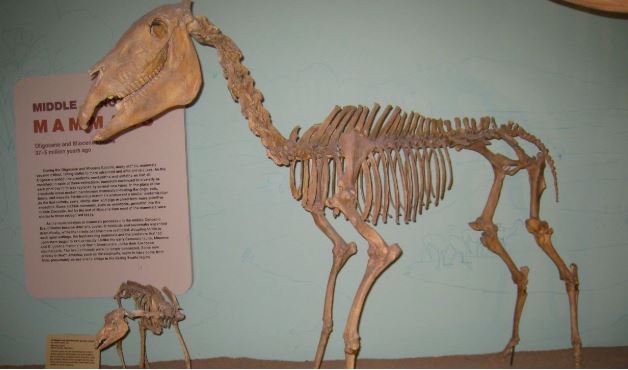
Many people think horses came from Europe or Asia. In fact, the evolution of horses began in North America around 55 million years ago. The earliest ancestor, Eohippus (also called Hyracotherium), was a small, dog-sized animal with several toes. Over millions of years, these early horses adapted to changing environments. Their bodies grew larger, their legs lengthened for running, and their toes fused to form hooves. By about 4 million years ago, the genus Equus—the modern horse—appeared in North America.
Fossil evidence from places like Nebraska and Florida shows that ancient horses were once common in what is now the United States. In fact, North America was the cradle of horse evolution. This is a key detail: horses did not originate in the Old World, but right here in the New World.
How Did Horses Spread To Other Continents?
During the Ice Age, land bridges connected continents. One of the most famous was the Bering Land Bridge, linking Alaska and Siberia. Around 2 to 3 million years ago, horses crossed this bridge into Eurasia. From there, they spread to Africa and eventually became the horses we know today. This means that every horse in the Old World originally had ancestors from North America.
The Great Extinction: Why Did Horses Disappear?
If horses evolved in America, why did they disappear? The answer lies in a mass extinction event near the end of the Pleistocene Epoch, about 10,000 to 12,000 years ago. This period saw the end of the last Ice Age and a wave of extinctions across North and South America.
What Died Out?
Along with horses, the Americas lost many large mammals, called megafauna. This included mammoths, saber-toothed cats, giant ground sloths, and camels. The sudden loss of these animals changed American ecosystems forever.
Causes Of The Extinction
Scientists have debated the reasons for this massive extinction. Two main theories stand out:
- Climate Change: As the Ice Age ended, temperatures rose and rainfall patterns shifted. Grasslands turned into forests or deserts. The plants that horses relied on became scarce. Many animals could not adapt fast enough to the new conditions.
- Human Hunting: The first humans arrived in America around the same time as the extinctions. Some scientists believe early hunters killed many large animals, including horses, for food. They used tools and worked together in groups, which made hunting easier. There is evidence of butchering marks on fossil bones.
It’s likely a combination of both factors—climate stress and human pressure—led to the extinction of horses in America.
Timing Of The Extinction
Fossil dating and DNA research show that horses disappeared from North and South America by about 10,000 years ago. This left the continents without wild horses for thousands of years. Only much later, in the 1500s, did horses return—brought across the Atlantic Ocean by Spanish explorers.
The Return Of The Horse: European Reintroduction
When Christopher Columbus and later Spanish conquistadors arrived in the Americas, they brought horses with them. Most of these were Iberian breeds—strong, hardy, and able to survive long sea voyages. For Native Americans, the horse was a completely new animal, but for the land itself, it was a return of an ancient native.
How Did Horses Spread Again?
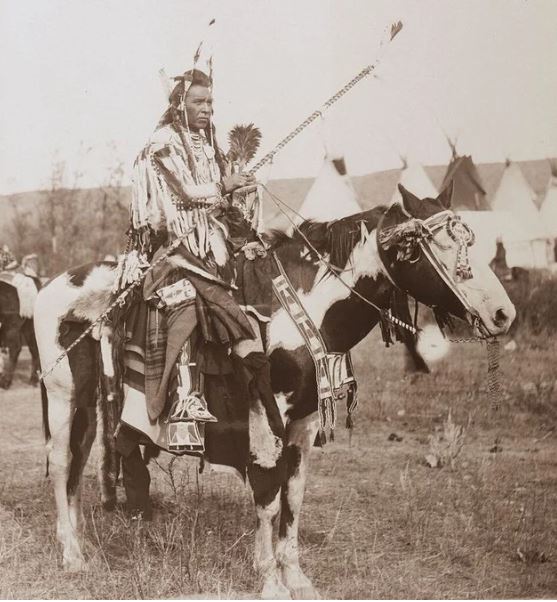
Some horses escaped or were released. Over time, they formed wild herds, especially in the Great Plains and the West. Native American groups quickly learned to ride and train horses. This changed hunting, travel, and warfare. The horse became central to many cultures, such as the Lakota, Comanche, and Apache.
The Transformative Power Of Horses
With horses, Plains tribes could hunt bison more efficiently and cover greater distances. Horses also helped with trade and communication. Their impact was so dramatic that the years after 1700 are sometimes called the “Horse Culture” era in Native American history.
Ancient American Ecosystems Without Horses
To understand the effects of horse extinction, it’s useful to compare American landscapes before and after their disappearance.
| Time Period | Presence of Horses | Main Grazing Animals | Ecosystem Features |
|---|---|---|---|
| Pleistocene (Before 10,000 years ago) | Yes | Horses, camels, bison, mammoths | Rich grasslands, high diversity |
| Holocene (After 10,000 years ago) | No | Bison, deer, elk | Fewer grazers, altered plant life |
| Post-1500s (after European contact) | Yes (reintroduced) | Horses, bison, cattle | Restored grazing, new dynamics |
Without horses, many grasslands changed. Some places saw more shrubs and fewer open plains. When horses returned, they filled old ecological roles—but also created new challenges, such as competition with livestock and changes to native plants.
How Horses Shaped Human Societies
The absence of horses shaped Native American societies for centuries. Tribes used dogs to pull small sleds called travois. Travel was slower and long-distance hunting harder. After the horse’s return, everything changed.
Before Horses
- Tribes moved camp on foot or with dog teams
- Hunting large animals required group efforts and clever tactics
- Trade networks were limited by walking distance
After Horses
- People could carry more, move further, and hunt faster
- Horse-mounted warriors transformed warfare
- Trade between distant groups increased rapidly
The horse’s reintroduction helped create new social structures and economies.
Why Didn’t Horses Survive In America?
This question still puzzles scientists. After all, horses lived and thrived in North America for millions of years. Why did they die out here but survive in Eurasia and Africa?
Environmental Challenges
One key factor was the rapid climate shift at the end of the Ice Age. The plants that horses depended on disappeared in many places. Meanwhile, in Eurasia, grasslands remained more stable. Horses in the Old World adapted to cold steppes and survived harsh winters.
Human Impact
Early American hunters may have targeted horses because they were large, slow to reproduce, and provided valuable meat. In Eurasia, humans also hunted horses—but not enough to wipe them out. It’s possible that horses in America faced higher hunting pressure or were less able to escape.
Population “bottlenecks”
DNA studies show that American horse populations were already shrinking before final extinction. Small numbers make species more vulnerable to sudden changes, disease, or bad years. When the climate changed, and humans arrived, horses simply could not recover.
The Role Of Fossil Evidence
Much of what we know about ancient horses comes from fossil discoveries. Paleontologists have found horse bones and teeth in many parts of the US, Canada, and Mexico. These fossils show clear differences between ancient American horses and today’s breeds.
| Horse Species | Time Period | Key Features |
|---|---|---|
| Eohippus | 55 million years ago | Small size, 4 toes front, 3 toes back |
| Mesohippus | 37 million years ago | Larger, fewer toes, adapted teeth |
| Equus (modern horse) | 4 million to 10,000 years ago | Single hoof, strong legs, high-crowned teeth |
Some fossils even show butchering marks, supporting the idea that humans hunted them. Scientists also use ancient DNA from bones to track the movement and decline of horse populations over time.
Uncommon Insights: What Most People Miss
Many articles skip over a few important details. Here are some less obvious insights:
- Horses are not truly “foreign” to the Americas. Their ancestors evolved here, so wild horses today are sometimes called “reintroduced natives.”
- Other animals vanished too. Horses were just one part of a much larger extinction event that changed every ecosystem in the Americas.
- Horses did not disappear everywhere at the same time. Some regions, like Alaska and northern Canada, may have kept small horse populations longer. However, these groups eventually vanished as well.
- Horses shaped the land even after extinction. When they returned, they found open grasslands that their ancestors helped create long ago. Their grazing patterns influenced plant communities, fire cycles, and even soil fertility.
Comparing The Fate Of Horses In Different Continents
It’s helpful to see how horses fared in various parts of the world during the same period.
| Continent | End of Ice Age (12,000 years ago) | Horse Status | Main Causes |
|---|---|---|---|
| North America | Extinct | Gone from wild | Climate + Hunting |
| South America | Extinct | Gone from wild | Climate + Hunting |
| Eurasia | Survived | Wild and domestic horses remain | Stable grasslands, less pressure |
| Africa | Survived (zebras, wild asses) | Related species survived | Adapted to local environments |
This makes it clear: extinction was not universal. Horses survived where conditions stayed stable or where human pressure was lower.
The Debate Over “wild” Vs. “feral” Horses In America
There is ongoing debate about whether today’s Mustangs are truly wild or just feral. The difference matters for conservation and management.
- Wild horses: Animals whose ancestors were never domesticated, living in their native range.
- Feral horses: Animals descended from domesticated stock that escaped and now live free.
Since American horses today come from Spanish imports, most scientists call them feral. However, because horses evolved in America, some argue that Mustangs are simply returning to their original role.
This debate affects how we manage wild horse herds today—should they be protected as native wildlife or controlled as introduced species?
Horses And The American Landscape Today
Since their reintroduction, horses have spread across the western United States. Places like Nevada, Wyoming, and Montana have large populations of wild Mustangs. These horses roam public lands, sometimes competing with cattle and native animals for grass and water.
Modern Challenges
Managing wild horse populations is a complex issue. Too many horses can damage fragile habitats. Too few, and a unique piece of American history could disappear again. The Bureau of Land Management (BLM) works to balance these needs, using roundups, adoption programs, and fertility control.
Native plant communities, ranchers, and conservationists all have a stake in the future of wild horses. The legacy of their ancient extinction still shapes debates today.
Lessons From Horse Extinction
The story of horses in America offers several important lessons:
- Ecosystems are fragile. Rapid changes in climate and human activity can have long-lasting impacts.
- Extinctions are complex. There is rarely one simple cause—usually, it’s a mix of factors.
- Reintroductions can be controversial. Bringing back a species, even a native one, can have unexpected effects on landscapes and people.
Common Myths About Horses In America
Many myths and misunderstandings surround this topic. Let’s clear up a few:
- Myth: Native Americans always had horses.
- Fact: They gained horses only after Europeans brought them back, around 500 years ago.
- Myth: Horses are “invasive” in America.
- Fact: Their ancestors evolved here, but today’s horses are descended from domestic breeds.
- Myth: Horses vanished because they were weak or “unfit.”
- Fact: Extinction was likely caused by rapid changes and bad luck, not poor adaptation.
- Myth: Horses and bison always lived together.
- Fact: Bison populations increased after horses went extinct, filling a similar ecological niche.
Recognizing these myths helps us better understand the true history of horses in America.
The Legacy Of Absence: Cultural And Ecological Impacts
The long absence of horses affected both nature and culture in the Americas. Here’s how:
- Travel and trade: Without horses, long-distance movement was much harder for ancient peoples.
- Hunting and warfare: Large-game hunting required more planning and teamwork.
- Plant and animal communities: Without horse grazing, some plants spread while others declined.
- Cultural memory: The dramatic change after horses returned helped create powerful stories and traditions among Native American peoples.
The “gap” in horse presence shaped the Americas in ways that still echo today.
Horses In South America: A Parallel Story
It’s worth noting that horses also went extinct in South America around the same time as in the north. Fossil records show horse species once lived from Argentina to Mexico. The same mix of climate change and hunting wiped them out.
When Spanish colonists arrived, they brought horses to South America as well. These animals became vital for cultures in the Andes, Pampas, and beyond. The story of loss and return repeats across the entire hemisphere.
Could Horses Survive In Prehistoric America Today?
If Ice Age horses had survived, what would America look like now? Scientists sometimes use a process called “rewilding”—reintroducing lost species to restore ancient ecosystems. Some believe wild horses can help manage grasslands, reduce wildfires, and increase biodiversity.
However, modern environments are different. Cities, farms, and highways cover much of the land. And with new predators, diseases, and competitors, it’s hard to know if ancient horses could thrive. Their story is a reminder that no ecosystem is frozen in time.

Credit: www.reddit.com
What We Can Learn From The Horse’s Journey
The tale of horses in America is not just about animals—it’s about change, survival, and adaptation. It shows us that:
- Nature is always shifting. What looks permanent can disappear quickly.
- Humans are part of the story. Our actions, even thousands of years ago, shape the world today.
- History is full of surprises. Who would guess that the “foreign” horse is really a homecoming guest?
Understanding why there were no horses in America for so long helps us appreciate the deep connections between land, animals, and people.
Frequently Asked Questions
Why Did Horses Go Extinct In North America But Not In Eurasia?
Horses disappeared from North America mainly because of climate change at the end of the Ice Age and increased human hunting pressure. In Eurasia, grasslands stayed more stable, and hunting was less intense, so horse populations survived.
When Were Horses Reintroduced To America?
Horses were brought back to the Americas by Spanish explorers in the late 1400s and early 1500s. The first documented horses arrived with Columbus on his second voyage in 1493. Later, more horses came with Spanish expeditions to Mexico and the American Southwest.
Are Wild Horses In America Today Native Or Invasive?
Most scientists call today’s Mustangs “feral” because they descend from domestic horses brought by Europeans. However, since horses evolved in America long ago, some people view them as “reintroduced natives.” The debate continues, especially among conservationists.
How Did The Return Of Horses Change Native American Cultures?
The return of horses revolutionized hunting, warfare, and travel for many Native American tribes. Groups like the Comanche and Lakota became expert riders. Horses allowed faster movement, more efficient bison hunts, and new forms of trade and communication.
Where Can I Learn More About Ancient Horses In America?
For more details, visit the Wikipedia page on horse evolution. It offers a rich overview of fossils, migration, and the role of horses in prehistory.
The story of horses in America is one of evolution, extinction, and return. It reminds us that even the most familiar animals can have extraordinary histories—and that nature’s patterns are often more surprising than we imagine.