Every horse owner, stable manager, or equine enthusiast will eventually face the question: How often does a horse poop? It may sound simple, but this detail reveals much about a horse’s health, diet, and care. Understanding your horse’s manure habits helps you spot health issues early, plan stable management, and even improve pasture quality. Let’s take an in-depth look at what influences horse poop frequency, what normal looks like, and what changes might mean.
What Determines How Often Horses Poop?
A horse’s digestive system is unique. Unlike humans, horses are built to eat and process food almost constantly. Their stomach is small, but their intestines are long and complex. Several factors affect how often a horse produces manure:
- Diet: Horses fed plenty of hay or grass will poop more often than those on a grain-heavy diet.
- Age: Foals, adult horses, and seniors can have different manure patterns.
- Activity level: Exercise and movement stimulate the gut, leading to more frequent pooping.
- Health status: Illness, stress, or medications can change manure frequency.
- Water intake: Hydration plays a key role in digestion and waste output.
- Environment: Stabled horses may poop less often than those in pasture.
Most healthy adult horses will pass manure between 8 and 12 times per day, but there are exceptions. Some horses may go as few as 6 times, others as many as 15. The consistency, color, and smell of the manure also give clues about health.
Typical Horse Poop Frequency: What’s Normal?
Let’s break down what normal looks like for different horses.
| Horse Type | Average Poop Frequency (per day) | Notes |
|---|---|---|
| Adult horse | 8-12 | Varies with diet and activity |
| Foal | 6-8 | Smaller, softer manure |
| Senior horse | 8-10 | May decrease with age or dental issues |
| Stabled horse | 8-10 | Less movement, often less frequent |
| Pasture horse | 10-15 | More movement, often more frequent |
Most horses poop more often than you might expect. Horses that graze freely may produce manure every 1-2 hours. Stabled horses may have longer gaps. The average pile weighs about 2 pounds, and a horse can produce up to 50 pounds of manure daily.
The Digestive Journey: How Food Becomes Manure
Understanding the horse’s digestive system helps explain poop frequency. Horses are “hindgut fermenters.” Food passes quickly through the stomach and small intestine, then spends hours fermenting in the cecum and colon.
Food moves through the gut at different speeds:
- Stomach: Food stays about 15 minutes.
- Small intestine: Transit time is 1-2 hours.
- Large intestine (cecum, colon): Food can stay 36-48 hours.
Horses eat continuously, and their gut works nonstop. This explains why manure is produced throughout the day. If food gets stuck or moves too fast, problems can develop.
Key Factors Affecting Horse Poop Frequency
Several main factors influence how often a horse poops:
1. Diet And Fiber
- Hay and grass are rich in fiber, which stimulates gut movement.
- Horses eating more roughage will poop more often.
- Grain and pelleted feeds reduce fiber, leading to less frequent manure.
2. Water Intake
- Horses need at least 5-10 gallons of water daily.
- Dehydration slows gut movement, causing constipation.
- Easy access to clean water helps maintain normal poop frequency.
3. Activity And Movement
- Exercise increases gut motility.
- Horses turned out to pasture walk more, stimulating digestion.
- Stabled horses may be more sedentary, slowing manure production.
4. Health And Stress
- Illness, pain, or stress can disrupt normal gut function.
- Horses with colic, fever, or infections may poop less or not at all.
- Anxiety or travel can cause diarrhea or increased frequency.
5. Age And Life Stage
- Foals have softer, more frequent manure due to milk diet.
- Senior horses may produce fewer, harder piles if dental issues or slower digestion occur.

Credit: opensanctuary.org
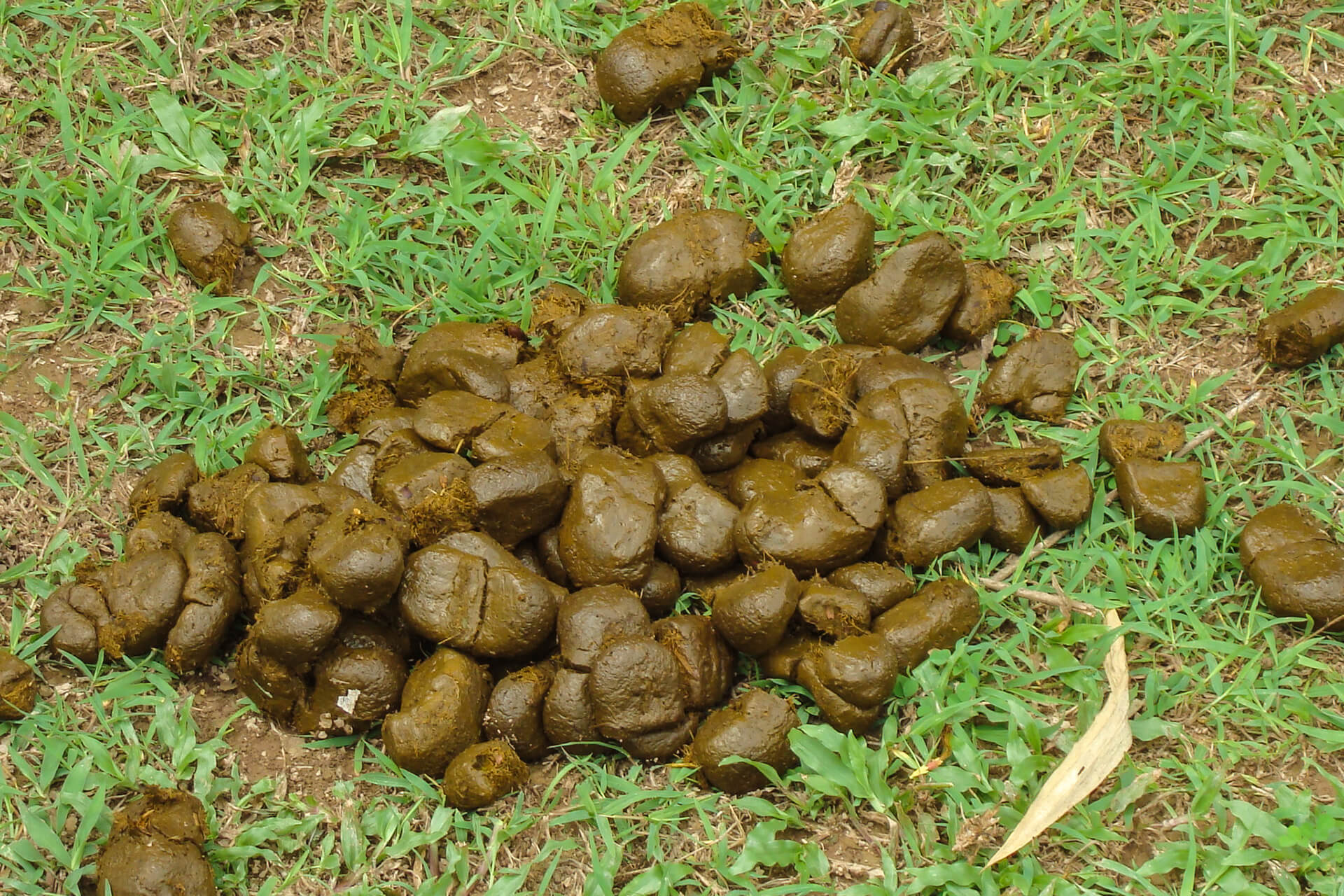
Signs Of Healthy Horse Poop
Normal horse manure has several clear features:
- Shape: Well-formed, moist balls (“apples”).
- Color: Dark brown to greenish, depending on diet.
- Smell: Earthy, not overly foul.
- Consistency: Not too dry or runny.
If you notice changes in poop shape, color, or frequency, it’s worth monitoring your horse closely.
When Horse Poop Frequency Changes: What It Means
Changes in manure habits can signal underlying issues. Here are some scenarios:
Less Frequent Pooping
- May indicate constipation or impaction.
- Causes: Dehydration, low fiber, dental problems, pain, colic.
- Signs: Hard, dry manure, straining, bloating.
- Action: Increase water and fiber, call a vet if no improvement.
More Frequent Pooping
- Often linked to diarrhea or stress.
- Causes: Sudden diet changes, infection, parasites, anxiety.
- Signs: Loose or watery manure, frequent piles, dehydration risk.
- Action: Monitor for dehydration, adjust diet, consult a vet.
No Poop For Several Hours
- Serious warning sign, especially if more than 12 hours pass.
- May signal colic, gut blockage, or severe illness.
- Action: Call a veterinarian immediately.
Practical Tips For Monitoring Horse Poop
Keeping track of manure habits helps you spot issues early. Here’s how:
- Count manure piles daily: Note how many piles appear in your horse’s stall or turnout area.
- Check consistency and color: Watch for changes from normal.
- Monitor water intake: Make sure your horse drinks enough.
- Record diet changes: Write down new feeds or supplements.
- Watch for signs of discomfort: Look for belly pain, straining, or lack of appetite.
Small changes can be normal, but sudden shifts may signal trouble.
Horse Poop Frequency And Stable Management
Managing manure is a big part of stable life. It affects cleanliness, fly control, and even pasture health.
Manure Removal
- Stalls need cleaning at least once daily.
- Pastures benefit from regular manure removal to prevent parasite buildup.
Manure Storage And Disposal
- Most stables produce up to 20 tons of manure per horse per year.
- Options include composting, hauling away, or spreading on fields.
Environmental Impact
- Manure can pollute water if not managed well.
- Composting reduces odor and turns manure into fertilizer.
Comparison: Horse Poop Frequency Vs Other Animals
How Does Horse Manure Frequency Compare To Other Common Animals?
| Animal | Average Poop Frequency (per day) | Manure Volume (lbs/day) |
|---|---|---|
| Horse | 8-12 | ~50 |
| Cow | 10-15 | ~100 |
| Goat | 15-20 | ~5 |
| Dog | 1-5 | ~1 |
| Chicken | 20-30 | ~1 |
Horses produce more manure than most pets, but less than cattle. This is why stable management matters.
Real-life Examples: What To Expect
Let’s look at a few situations you might see:
Example 1: Busy Stable
A stable with 10 adult horses may see 80-120 manure piles per day. Staff need a routine for cleaning stalls and disposing of waste. If one horse suddenly stops pooping, it’s noticed quickly.
Example 2: Pasture Horses
Horses turned out on grass often have looser, greener manure. They poop more often, and manure is spread over a wide area. If manure piles become very soft or watery, it could signal a diet change or stress.
Example 3: Horse On Travel
Travel can make horses anxious, sometimes leading to more frequent pooping or diarrhea. It’s common for horses at shows or clinics to poop more often due to excitement and new surroundings.
Common Mistakes Owners Make
Many new horse owners miss key details about manure habits. Here are a few mistakes to avoid:
- Ignoring changes in frequency: It’s easy to overlook fewer manure piles, but this can signal health problems.
- Not monitoring water intake: Dehydration is a frequent cause of constipation.
- Sudden diet changes: Moving from hay to grain quickly can upset digestion.
- Failing to clean stalls regularly: Dirty stalls increase stress and disease risk.
- Assuming all manure changes are normal: Diarrhea or constipation need attention.
Horse Poop And Disease Detection
Veterinarians often use manure as a clue to horse health. Some issues revealed by poop patterns:
- Colic: No manure or hard, dry piles may signal gut blockage.
- Parasites: Worms can cause loose stools or more frequent manure.
- Infections: Bacterial or viral infections may lead to diarrhea.
- Dental problems: Older horses with poor teeth may produce harder, less frequent manure.
How To Improve Horse Poop Frequency
Healthy manure habits start with good care:
- Feed plenty of fiber: Hay and grass are best.
- Ensure clean water: Horses drink more if water is fresh and accessible.
- Encourage movement: Turnout and exercise stimulate the gut.
- Monitor stress: Reduce sudden changes, provide a calm routine.
- Check teeth regularly: Dental care prevents chewing problems.
Seasonal Changes In Horse Poop Frequency
Manure habits can shift with the seasons:
- Winter: Horses may eat more hay, poop slightly less due to less exercise.
- Spring: Fresh grass increases frequency and can make manure softer.
- Summer: Heat may cause dehydration if water isn’t available.
- Fall: Diet changes as pasture fades, manure becomes firmer.
Adjust care routines as seasons change to keep manure habits healthy.
Data Table: Poop Frequency Based On Diet
Different diets affect manure habits.
| Diet Type | Poop Frequency (per day) | Manure Consistency |
|---|---|---|
| Grass pasture | 10-15 | Moist, green |
| Hay only | 8-12 | Firm, brown |
| Grain-heavy | 6-10 | Drier, smaller piles |
| Mixed diet | 8-14 | Varies by mix |
How Often Should You Clean Horse Manure?
Manure removal is important for health and comfort. Here’s a practical schedule:
- Stalls: Clean at least once daily, more often if possible.
- Paddocks: Remove manure weekly to control parasites.
- Pastures: Remove manure every 1-2 weeks, or allow rotational grazing.
Cleaning not only reduces odors and flies but also keeps horses healthier.

Credit: www.smartpakequine.com
Manure Management Tips For Owners
Effective manure management saves time and prevents problems:
- Compost manure: Turn piles regularly to speed breakdown.
- Use manure as fertilizer: Well-composted manure improves soil.
- Store manure away from water sources: Prevents pollution.
- Plan disposal: Arrange for hauling if needed.
Smart manure handling keeps stables cleaner and safer.
The Importance Of Poop In Equine Care
Regular manure is a sign of a healthy gut. Changes in poop frequency or appearance are often the first signal of trouble. Horses with healthy digestion are happier, more energetic, and less likely to suffer from colic or dehydration.
Even experienced owners can miss subtle signs. For example, manure that is only slightly drier or less frequent could mean early dehydration. Horses with mild belly pain may still eat, but stop pooping. Noticing these changes early can prevent emergencies.
How Often Does Horse Poop? The Bottom Line
Most horses poop 8-12 times daily. This is affected by diet, water, exercise, age, and health. Monitoring manure habits is one of the simplest, most effective ways to keep your horse healthy. Small changes in frequency or consistency are often the first clues that something is wrong.
Don’t ignore your horse’s manure. Count piles, check texture and color, and record changes. If you notice a sudden drop in manure production, or loose, watery stools, take action quickly.
If you want more technical details, you can find research and data at Wikipedia.
Frequently Asked Questions
How Many Times Does A Horse Poop In 24 Hours?
Most adult horses poop 8-12 times per day, depending on diet, water, and activity. Horses on pasture or with higher fiber intake may poop even more often.
What Does It Mean If My Horse Stops Pooping?
A horse that stops pooping for more than 12 hours may be experiencing colic or gut blockage. This is a serious emergency. Call your veterinarian right away.
Why Does My Horse Poop More When Traveling?
Stress and excitement can increase gut movement, causing horses to poop more during travel or at shows. Changes in diet or water may also play a role.
Should I Be Worried About Watery Manure?
Watery or loose manure may signal diarrhea, infection, diet change, or stress. Monitor your horse closely and call a vet if it persists or your horse becomes dehydrated.
How Can I Encourage My Horse To Poop Regularly?
Feed plenty of fiber (hay or grass), provide clean water, encourage movement, and keep routines calm. Regular dental checks and avoiding sudden diet changes also help.
Taking manure habits seriously means better care, a cleaner stable, and healthier horses. With careful observation and practical management, you can keep your horse’s digestive system in top shape.
Credit: www.horsehealthproducts.com