For many people, the image of wild horses running across the American West feels timeless. Stories, movies, and even some history books often show horses as a natural part of the American landscape. But the truth is more complex: horses aren’t native to America—at least, not in the way most people think. This fact surprises many. It also raises important questions: Where did horses originally come from? How did they shape cultures after their return? And what does their history mean for America today?
To understand the journey of the horse in the Americas, we need to look at millions of years of evolution, dramatic climate changes, human migration, and the powerful impact of European exploration. This article explores the real story behind horses in America, corrects some common myths, and shows why this animal’s journey is one of the most fascinating in natural and human history.
The Ancient Origins Of Horses
The story of the horse begins over 50 million years ago. Early horse ancestors were small, dog-sized animals called Eohippus, living in the forests of what is now North America. Over time, these animals evolved into larger, faster forms better suited to open grasslands. Scientists have found many fossils in America, showing a long line of horse evolution right on this continent.
As the climate changed and grasslands expanded, horses adapted. Their teeth became better for eating tough grass, and their legs grew longer for running from predators. By the Pleistocene Epoch (about 2.6 million to 11,700 years ago), horses were widespread across North and South America.
But then, around 10,000 years ago, something dramatic happened: all horses in the Americas disappeared. This extinction is still debated by scientists. Some say it was due to sudden climate changes after the last Ice Age. Others point to overhunting by early human populations. Most likely, it was a mix of both. The only horses that survived were those that had migrated into Asia across the Bering land bridge, and their descendants spread throughout Europe, Africa, and Asia.
How Horses Returned To America
For thousands of years after the extinction, the Americas were without horses. That changed in the late 15th and early 16th centuries, when European explorers and settlers arrived. The Spanish were the first to bring horses back to the continent.
Spanish Conquistadors And The Reintroduction
In 1493, on his second voyage, Christopher Columbus brought horses to the Caribbean. Later, Spanish explorers such as Hernán Cortés and Francisco Pizarro brought horses to Mexico and South America. By the early 1500s, horses were being bred in Spanish settlements in the Caribbean and Mexico.
These horses were not the giant animals we see in modern movies. Early Spanish horses were small, tough, and agile—descendants of Iberian breeds like the Andalusian and Jennet. As Spanish settlements spread, so did their horses.
Escaped And Released Horses
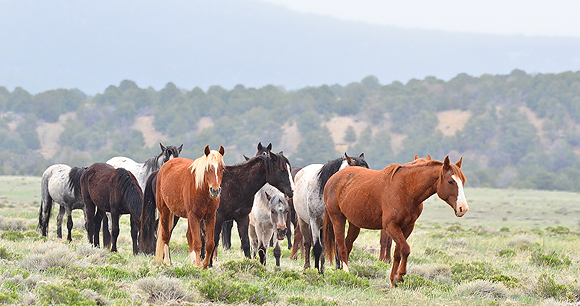
Some horses escaped or were released into the wild. Over generations, these animals adapted to life on the open plains, forming herds known as mustangs. These wild horses spread north into what is now the United States, eventually reaching the Great Plains and beyond.
Horses Reach Native Peoples
It took time for horses to reach Native American tribes far from the first Spanish settlements. Historians believe the process was gradual, happening through trade, capture, and sometimes raiding. By the early 1700s, horses were common among the Plains Indians, dramatically changing their societies.
Credit: awionline.org
The Impact Of Horses On Native American Cultures
The reintroduction of horses was one of the most important events in the history of Native American peoples. For many tribes, horses brought new power, speed, and opportunity.
Transforming Daily Life
Before horses, moving goods or people over long distances was slow and difficult. Tribes used dogs to pull simple sleds called travois, but these could only carry light loads. With horses, tribes could travel farther, carry more, and hunt more efficiently. The bison hunt, in particular, became much easier and safer on horseback.
Changing Warfare And Society
Horses also changed the nature of warfare. Tribes could move quickly, surprise enemies, and escape danger. Some tribes, like the Comanche and Lakota, became famous as skilled horsemen. Horses became symbols of wealth and status, and breeding strong, fast horses became a key part of life.
Cultural Significance
Horses entered Native American art, stories, and ceremonies. They became part of spiritual life, sometimes seen as gifts from the Creator. Owning many horses brought respect and influence within the tribe.
Two Non-obvious Insights
- Not All Tribes Adopted Horses Equally: While the image of every Native American on horseback is common, some tribes—especially in forested or mountainous areas—used horses less or not at all. The spread of horses followed trade routes and open plains, so their impact varied by region.
- Horse Breeds Changed Over Time: The mustangs and horses adopted by tribes were not pure Spanish breeds. Over centuries, these herds mixed with other European horses, creating unique types adapted to American conditions.
The Spread Of Horses Across North America
The spread of horses from Spanish settlements to the open plains was a complex process, shaped by geography, trade, and conflict.
Key Routes And Timeframes
- Southwest to the Great Plains: From present-day Mexico and New Mexico, horses moved north into Texas, Oklahoma, and the central plains.
- Trade Networks: Horses were traded from tribe to tribe, often in exchange for buffalo robes, food, or other goods.
- By 1750: Horses had reached as far north as the Canadian prairies and as far west as California.
Role Of Mustangs
The mustang became the classic wild horse of the West. These animals were tough, able to survive harsh winters, predators, and long periods without water. Their numbers grew rapidly, sometimes reaching millions in the 19th century.
Example: The Comanche Empire
The Comanche are a powerful example of how horses changed history. Once a small group in the Rocky Mountains, they moved onto the plains, mastered horse riding, and built a powerful empire that dominated trade and war in the southern plains for over 150 years.
Myths And Misunderstandings About Horses In America
Many popular beliefs about horses in America are based on myths or misunderstandings. Let’s clear up a few of the most common.
Myth 1: Horses Have Always Been Here
It’s easy to think wild horses are as American as bison or bald eagles. In fact, horses were absent from the Americas for thousands of years before Europeans arrived. The horses we see today are descendants of animals brought from Europe.
Myth 2: Horses Are A “non-native Invasive Species”
Some call wild horses “invasive,” suggesting they don’t belong in American ecosystems. This is a complex topic. While it’s true they were reintroduced, their ancestors evolved here. Some scientists argue that horses are a “reintroduced native species”—they’re not the same as invasive plants or animals from other continents that have no history in North America.
Myth 3: All Mustangs Are Pure Spanish Horses
Many people believe mustangs are pure Spanish horses. In reality, mustangs have mixed ancestry, including Spanish, draft, and other breeds introduced over centuries.
Myth 4: All Native Americans Adopted Horses Quickly
It took generations for horses to spread across the continent. Some tribes adopted them quickly, others slowly, and some not at all. Horses were more useful in open country than in dense forests or mountains.
Non-obvious Insight
Horse Evolution in America: Horses evolved in America, left, and then returned with humans. No other large animal in America has this unique pattern—making the horse’s story truly special.
Horses And The Shaping Of The American West
Without horses, the history of the American West would be completely different. Horses powered migration, farming, and ranching, and became icons of the region.
The Role Of Horses In Settlement
As Americans moved westward in the 1800s, horses (and mules) pulled wagons, carried settlers, and helped build new communities. Ranchers used horses to manage huge herds of cattle, giving rise to the cowboy culture.
The Pony Express And Communication
In 1860, the Pony Express began carrying mail from Missouri to California in just 10 days—a huge achievement at the time. Riders switched horses at stations along the way, showing the endurance and value of strong, fast horses.
Horses In Industry And War
Horses were also vital in logging, mining, and transportation. During the Civil War, both sides relied on cavalry and horse-drawn artillery. Even as trains and cars appeared, horses remained essential for farm work and transport well into the 20th century.
Example: The Mustang’s Wild Legacy
By the late 1800s, millions of mustangs roamed the West. They became symbols of freedom and wildness. However, their numbers caused conflict with ranchers and farmers, who saw them as competition for grass and water.

Credit: www.reddit.com
Ecological Impact Of Horses: Past And Present
The reintroduction of horses changed American ecosystems, for better and worse.
Grasslands And Grazing
Horses are large grazers, eating up to 5-10% of their body weight in grass daily. In areas where their numbers grew unchecked, overgrazing damaged native plants and led to soil erosion. This created problems for ranchers, wildlife, and the land itself.
Competition With Native Species
Horses compete with elk, deer, and bison for food and water. In fragile desert or grassland environments, too many horses can stress local ecosystems.
Mustangs And Modern Management
Today, wild horses are protected by the Wild Free-Roaming Horses and Burros Act (1971). The Bureau of Land Management (BLM) tries to balance their populations with the needs of ranchers and wildlife. This is a difficult job—there are often too many horses for the land to support, leading to controversial roundups and adoption programs.
Unique Ecological Role
There’s a debate among scientists: Because horses evolved in America, do they “belong” here? Some ecologists say horses help maintain grasslands, just as ancient wild horses once did. Others argue that today’s populations are too large and cause harm.
Non-obvious Insight
Horses Can Help Restore Grasslands: In some experiments, carefully managed horse herds have helped restore native grasslands by grazing invasive weeds and spreading seeds, showing that their impact can be both positive and negative.
Comparing Native, Extinct, And Modern Horses
A look at the differences between ancient American horses, today’s mustangs, and other equines helps clarify why horses in America are unique.
| Type | Origin | Physical Traits | Extinction or Survival | Role in Ecosystem |
|---|---|---|---|---|
| Ancient American Horses | North America | Varied (from small to modern size) | Extinct ~10,000 years ago | Grassland grazer, prey for predators |
| Modern Mustangs | Descendants of European horses | Medium-sized, hardy | Still present | Grassland grazer, now managed |
| Domestic Horse Breeds | Worldwide (Asia, Europe, Africa) | Wide range of sizes and shapes | Domesticated and bred | Work, transport, sport |
The Cultural Legacy Of Horses In America
Horses are more than animals—they’re part of American identity, art, and myth.
In Literature And Film
From “Black Beauty” to “Spirit: Stallion of the Cimarron,” horses have inspired writers and filmmakers. The wild mustang stands for freedom and the untamed West.
In Sports And Recreation
Horse racing, rodeos, and equestrian sports remain popular. The Kentucky Derby is a major cultural event. Rodeos, with events like barrel racing and bronc riding, keep cowboy skills alive.
In Art And Symbolism
Horses appear in paintings, statues, and logos. Cities and states use the horse as a symbol of speed, power, and endurance.
Native American Traditions
Some tribes still honor the horse in dances, parades, and ceremonies. Horses are part of powwows and celebrations, showing their deep meaning in Native cultures.
Modern Challenges: Wild Horses And Land Use
Today, the story of horses in America is not just about history. It’s about how to manage wild herds, balance ecosystems, and respect cultural values.
Population Growth And Management
There are an estimated 80,000 wild horses on public lands in the western U.S., but the land can only support about 27,000 without damage. The BLM uses roundups, birth control, and adoption to manage herds, but these methods are often controversial.
Conflict With Ranchers
Ranchers argue that wild horses compete with cattle for food and water. Some want herds reduced or removed. Animal rights groups say horses have a right to roam and should be protected.
Adoptions And Sanctuaries
Each year, hundreds of mustangs are adopted by private owners. Some go to sanctuaries where they live out their lives in safety. Adoption helps control populations, but many horses remain unadopted.
Example: The Pryor Mountain Mustang
The Pryor Mountain Wild Horse Range in Montana and Wyoming is home to a unique herd with Spanish ancestry. Efforts here focus on balancing herd health, genetic diversity, and land health—a model for wild horse management.
Common Questions About Horses’ Native Status
Let’s compare horses to other well-known American animals to see how their history stands out.
| Animal | Native to America? | Extinct and Reintroduced? | Key Differences |
|---|---|---|---|
| Bison | Yes | No | Continuously present |
| Wolf | Yes | Reintroduced in some areas | Never fully extinct |
| Horse | No (modern breeds) | Yes | Extinct, then reintroduced by humans |
| Cattle | No | No | Brought by Europeans |
The Debate: Are Horses Native Or Not?
This debate is more than just words. It affects laws, wildlife management, and culture.
Arguments That Horses Are Not Native
- Modern horses are descendants of European breeds.
- They were absent for over 10,000 years before being reintroduced.
- Their numbers can harm fragile ecosystems.
Arguments That Horses Are “reintroduced Natives”
- Horses evolved in America and lived here for millions of years.
- Their return fills an ancient ecological role.
- Ancient DNA connects mustangs to extinct American horses.
The Legal And Policy Impact
How we define “native” affects laws about protection, land use, and management. The Wild Free-Roaming Horses and Burros Act treats horses as a unique part of American heritage, deserving special status—even if their history is complicated.
Non-obvious Insight
Cultural and Ecological Definitions Can Differ: What counts as “native” changes depending on whether you’re talking about biology, history, or culture. For some, the horse is as American as the bald eagle—even if the science is more nuanced.
Credit: www.reddit.com
Why This History Matters Today
Knowing that horses aren’t truly native to America helps us understand:
- Why wild horse herds need careful management
- How cultures adapt to new species
- The importance of learning from history when making decisions about wildlife
It also reminds us that nature and culture are always changing. The story of the horse is about migration, survival, and transformation.
Frequently Asked Questions
Why Did Horses Go Extinct In America?
Horses disappeared from the Americas around 10,000 years ago, likely due to a mix of climate change at the end of the last Ice Age and overhunting by early humans. Sudden warming and changing vegetation made survival harder, while humans hunted many large animals. This double pressure led to the extinction of horses, mammoths, and other big animals.
How Did Native Americans First Get Horses?
Native Americans first got horses from Spanish settlers and explorers. Some horses escaped or were stolen, and tribes traded them across the continent. By the early 1700s, horses were common among Plains tribes, transforming their way of life, hunting, and warfare.
Are Mustangs The Same As The Horses Brought By The Spanish?
Mustangs are descended from Spanish horses, but over time, they mixed with other breeds—such as draft horses and saddle horses brought by later settlers. This mixing created the tough, adaptable mustangs we see today, which are not pure Spanish horses but have a rich and varied ancestry.
Do Wild Horses Harm The Environment?
Wild horses can damage ecosystems if their numbers grow too high, mainly by overgrazing grasslands and competing with native wildlife for food and water. However, with careful management, their impact can be balanced, and in some cases, they help maintain grasslands. The debate continues among scientists and land managers.
Where Can I Learn More About The History Of Horses In America?
A great starting point is the Wikipedia page on the History of the horse in the Americas: History of the horse in the Americas. This page offers detailed information, references, and links to other resources for deeper study.
Horses may not be native to modern America, but their story is deeply woven into the land and its people. Understanding their journey helps us see the past more clearly and shape a better future for both wild horses and the places they roam.