
The way a horse is built, known as horse conformation, can seem like a simple topic. But if you spend time around horses, you quickly see that conformation affects almost everything. A horse’s health, performance, comfort, and even its value depend on how its body is shaped and balanced. Whether you want a fast racehorse, a strong workhorse, or a trusted riding companion, conformation matters.
Many people think conformation is only about looks. But looks are just the beginning. The angles, proportions, and symmetry of a horse’s body can predict how well it moves, how long it stays healthy, and how safely it can be ridden.
If you want to choose a horse, breed one, or care for one, understanding conformation is one of the most powerful tools you can have. Let’s explore why horse conformation is so important, what makes good conformation, and how it affects every part of a horse’s life.
What Is Horse Conformation?
When experts talk about horse conformation, they mean the physical structure and shape of a horse. This includes:
- Head and neck
- Shoulders
- Back
- Legs
- Hooves
- Body proportions
Each part has an ideal shape and angle. These ideals depend on the horse’s breed and what it’s used for. For example, a racehorse needs a different build than a draft horse.
Conformation is judged by looking at the horse from the side, front, and back. Experts check for straight lines, balanced proportions, and correct angles. They also look for flaws that might cause pain or weakness later.
Key Features Of Horse Conformation
- Balance: How all the parts fit together. A balanced horse moves better and stays healthier.
- Symmetry: Both sides should look the same. Asymmetry can mean hidden problems.
- Proportions: Parts should be the right size for the horse’s job. For example, strong legs for jumping, long strides for racing.
Why Does Horse Conformation Matter?
Conformation is much more than looks. It affects:
- Performance
- Health
- Longevity
- Safety
- Value
Let’s look at each reason in detail.
Performance
Good conformation helps a horse move smoothly and efficiently. For example:
- Racing horses with long legs and short backs can run faster.
- Jumping horses need strong hindquarters and correct leg angles.
- Dressage horses require balance and flexibility.
Poor conformation can limit movement. A horse with crooked legs might stumble or tire quickly. Even small faults can cause big problems in demanding sports.
Health
The way a horse is built affects its health. Horses with bad conformation are more likely to get:
- Joint pain
- Arthritis
- Hoof problems
- Back issues
For example, a horse with a steep shoulder may have shorter strides, stressing its joints. A horse with weak pasterns (the area just above the hoof) is prone to injuries.
Many beginners think minor faults don’t matter. But over time, even small flaws can lead to costly vet bills and early retirement.
Longevity
A well-built horse can stay active and healthy for many years. Horses with poor conformation often have shorter careers. They may need to be retired early due to pain or injury.
This is especially important for working horses, show horses, and those used in competitions. Owners invest time and money in training. Good conformation protects that investment.
Safety
Riding or handling a horse with poor conformation can be risky. Horses with unstable legs or weak backs might stumble or fall. This can cause injuries to both horse and rider.
For example, a horse with a long, weak back may collapse under heavy weight. Riders must be careful to choose horses with strong, well-balanced bodies.
Value
Conformation affects a horse’s market value. Buyers pay more for horses with ideal builds. Horses with serious faults are worth less, even if they are well-trained.
Breeders also use conformation to select breeding stock. Only horses with good conformation should be bred, to avoid passing faults to future generations.

Credit: madbarn.com
Key Elements Of Horse Conformation
Understanding conformation means knowing what to look for. Here are the most important parts:
Head And Neck
- The head should be in proportion with the body.
- Eyes should be large and alert.
- The neck should be long and flexible, connecting smoothly to the shoulders.
A well-shaped neck helps the horse balance and move its head easily. Too short or too thick necks can make riding uncomfortable.
Shoulders
- Shoulders should be sloped and muscular.
- The angle is important: A sloped shoulder allows for longer strides.
- Upright shoulders limit movement and put stress on joints.
A sloped shoulder is especially important for horses used in racing and jumping.
Back And Body
- The back should be strong and not too long or too short.
- A short back is stronger, but may limit stride.
- A long back is flexible, but can be weak.
The horse’s body should be deep and wide enough to hold strong lungs and heart.
Legs
Legs are often the most important part of conformation.
- Front legs must be straight and strong.
- Hind legs should be well-angled for power.
- Joints must be large and clean (no swelling or bumps).
Crooked legs can cause uneven movement and injuries. Beginners often miss small faults, but experts know these can lead to problems.
Hooves
- Hooves must be well-shaped and strong.
- The angle should match the pastern.
- Cracked or misshapen hooves are a warning sign.
Good hoof conformation helps the horse stay sound and healthy.
Body Proportions
- The horse’s body should be balanced.
- Length of body, neck, and legs should fit the breed and purpose.
Balanced proportions help the horse move well and stay strong.
Common Conformation Faults And Their Effects
Some faults are easy to spot, others are hidden. Here are some common faults:
- Cow-hocked: Hind legs turn inward. This causes uneven movement and joint stress.
- Sickle-hocked: Hind legs have too much angle. Risk for ligament injuries.
- Pigeon-toed: Front hooves turn inward. Leads to twisting movement and hoof problems.
- Base-narrow: Legs too close together. Can cause stumbling.
- Over at the knee: Knee bends forward. Weakens leg and leads to injury.
- Back at the knee: Knee bends backward. Puts strain on tendons.
Even minor faults can add up over time, especially under heavy work. Owners should watch for early signs and avoid buying horses with serious faults.

Credit: thehorse.com
How To Assess Horse Conformation
Anyone can learn to assess conformation. Here are steps to follow:
- Stand the horse squarely on a flat surface.
- View from the side, front, and back.
- Check for straight lines and balanced proportions.
- Look at angles: Shoulder, pastern, hock.
- Check hooves for shape and cracks.
- Watch the horse move: Walk and trot.
Beginners often focus only on looks. But movement is just as important. A horse with good conformation moves evenly and smoothly.
Practical Example: Comparing Two Horses
Let’s see how conformation affects performance. Imagine two horses:
| Feature | Horse A (Good Conformation) | Horse B (Poor Conformation) |
|---|---|---|
| Shoulder Angle | Sloped (45°) | Upright (60°) |
| Back Length | Short, strong | Long, weak |
| Leg Alignment | Straight | Cow-hocked |
| Movement | Smooth, long strides | Choppy, uneven |
| Performance | High | Low |
| Injury Risk | Low | High |
Horse A is likely to perform better, stay healthier, and be safer to ride.
Conformation For Different Breeds And Disciplines
Not all horses need the same conformation. For example:
- Thoroughbreds need long legs and deep chests for racing.
- Quarter Horses need strong hindquarters for sprinting.
- Draft horses need heavy bodies and strong legs for pulling.
Each discipline has its ideal conformation. A jumping horse needs power in the hind legs, while a dressage horse needs balance and flexibility.
Comparison: Ideal Conformation By Discipline
| Discipline | Ideal Conformation | Key Features |
|---|---|---|
| Racing | Long legs, short back | Speed, long stride |
| Jumping | Strong hindquarters | Power, lift |
| Dressage | Balanced body, flexible neck | Grace, control |
| Draft work | Heavy body, big hooves | Strength, endurance |
Choosing the right conformation for the job is one of the most important decisions a horse owner makes.
How Conformation Affects Hoof Health
Hooves carry the entire weight of a horse. Poor conformation can cause hoof problems like:
- Laminitis
- Navicular disease
- Cracks and splits
For example, a horse with a steep pastern angle puts extra stress on the hoof. This can cause pain and lameness.
Data Table: Pastern Angle And Hoof Health
| Pastern Angle | Risk of Hoof Injury | Common Problem |
|---|---|---|
| 45° (Ideal) | Low | None |
| 35° (Too flat) | High | Laminitis |
| 60° (Too steep) | High | Navicular disease |
Many beginners overlook pastern angle, but it’s a key sign of future hoof health.
How Breeders Use Conformation
Breeders use conformation to select parent horses. Only horses with good conformation are chosen to breed. This helps prevent faults from passing to the next generation.
Some breeders use conformation scores. Horses are rated on each body part, and only top scores are used for breeding.
This practice helps improve the quality of future horses. Over time, breeds become stronger, healthier, and better suited for their jobs.
Non-obvious Insights For Beginners
Many beginners make mistakes when judging conformation. Here are two insights most miss:
- Movement reveals hidden faults: A horse may look perfect standing still, but flaws appear when it moves. Always watch the horse walk and trot.
- Small faults can combine: Two minor faults may not cause problems alone, but together they can lead to injury. For example, a slightly long back plus upright shoulders can weaken movement.
Experienced horse people know to look for these signs. Beginners should pay close attention and ask experts for guidance.
How Conformation Relates To Training And Care
Good conformation makes training easier. Horses with balanced bodies learn faster and respond better. Poor conformation can make training slow and frustrating.
Care is also affected. Horses with weak backs or poor hooves need special attention. Owners may have to spend more on vet care and hoof trims.
Choosing a horse with good conformation saves time, money, and effort in the long run.
The Science Behind Horse Conformation
Modern science has shown that conformation matters. Studies link conformation to injury risk and performance.
For example, research shows horses with upright pasterns are more likely to suffer tendon injuries. Horses with long backs are more likely to develop back pain.
Breeders and owners use these findings to make better choices. You can read more about scientific studies at Wikipedia.
Frequently Asked Questions
What Is The Most Important Part Of Horse Conformation?
The legs are usually the most important. If the legs are crooked or weak, the horse will not move well and may get injured. Legs carry all the weight, so faults here matter most.
Can Bad Conformation Be Fixed?
Some minor faults can be helped with careful training and care. But most conformation faults cannot be fully fixed. It’s best to choose horses with good conformation from the start.
Does Conformation Affect All Horses The Same Way?
No. The effect depends on the horse’s job and breed. For example, a show jumping horse needs strong hindquarters, while a dressage horse needs balance. Some faults are more serious for certain activities.
How Can I Learn To Judge Conformation?
Start by reading books, watching videos, and asking experts. Practice by looking at many horses and comparing their builds. Always watch the horse move, not just stand still.
Is Horse Conformation Only About Looks?
No. Conformation is about function and movement. Good conformation means the horse can do its job, stay healthy, and live longer—not just look pretty.
A horse’s body shape tells you a lot about its future. If you learn to judge conformation, you make better choices and avoid problems later. Whether you want a champion or a safe companion, conformation is the key to success.
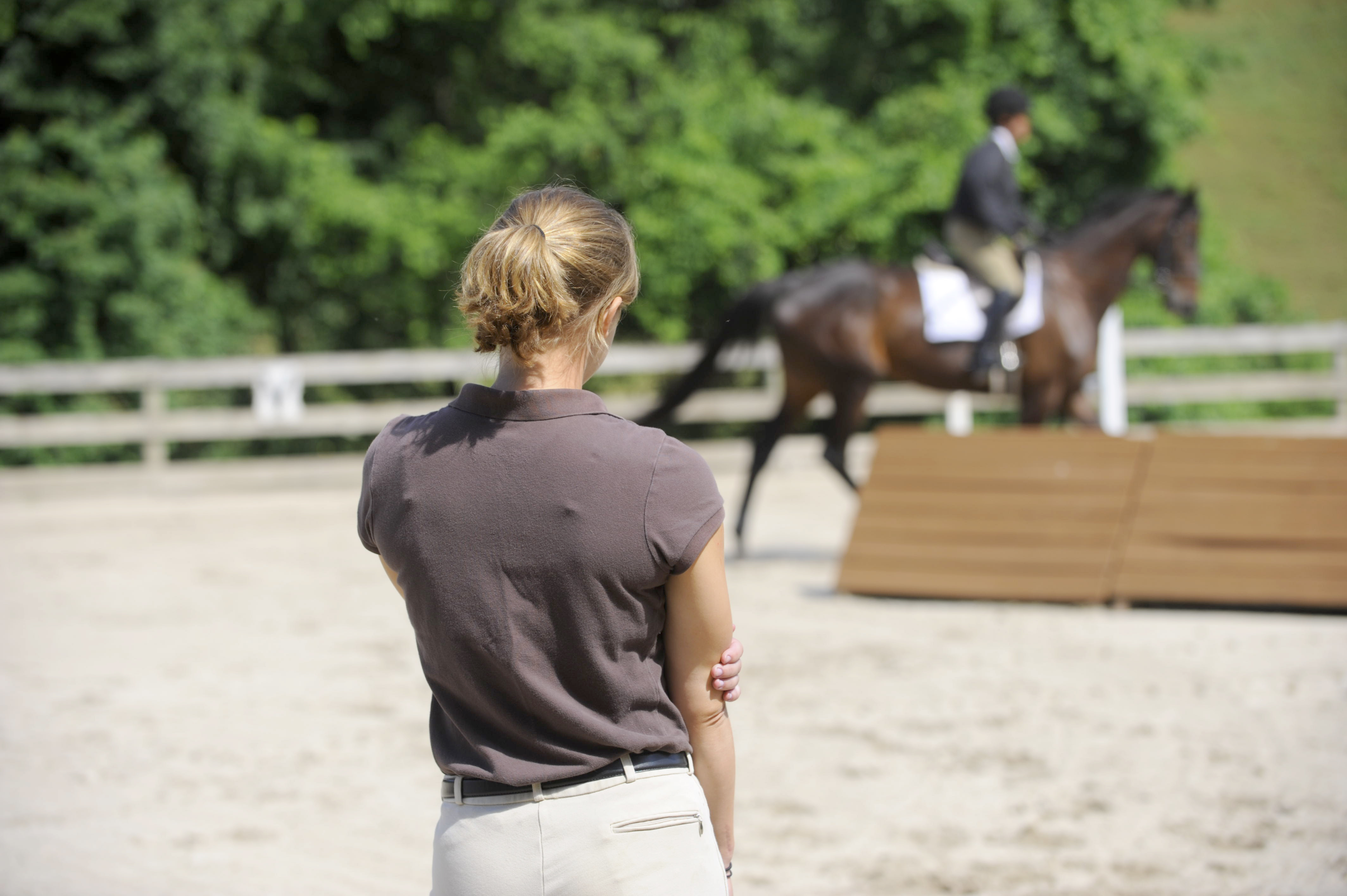
Credit: practicalhorseman.com