
A sudden, sharp pain strikes your calf in the middle of the night. You wake up, clutching your leg, unable to move. This is the classic experience of a charley horse—a muscle cramp in the calf that can leave you sore and frustrated for hours, sometimes days. Many people suffer from these cramps, but few know how to prevent them. Whether you’re an athlete, a desk worker, or simply someone who enjoys a daily walk, understanding how to prevent charley horse in the calf can save you from painful interruptions and keep your legs feeling strong.
What Is A Charley Horse?
A charley horse is a sudden, involuntary muscle spasm or cramp, most often in the calf muscle. The pain can last from a few seconds to several minutes, and sometimes leaves the muscle feeling tender afterward. These cramps are common at night, during exercise, or after sitting or standing for long periods.
The name “charley horse” has old roots in American slang, but the condition is universal. It can affect anyone regardless of age, though it’s more frequent in older adults and athletes.
Why Do Charley Horses Happen?
To prevent charley horse in calf, you need to know what causes them. There are several main triggers:
- Dehydration: Lack of fluids reduces muscle function.
- Electrolyte imbalance: Low levels of potassium, magnesium, calcium, or sodium can cause cramping.
- Overuse or fatigue: Exercising hard or standing too long strains the calf.
- Poor circulation: Sitting in one position for hours limits blood flow.
- Medication side effects: Some drugs (like diuretics) cause cramps.
- Medical conditions: Diabetes, thyroid problems, or nerve issues may be involved.
Non-obvious insight: Many people focus on dehydration or exercise, but electrolyte balance is often ignored. Even mild imbalances can trigger cramps, especially if you sweat a lot or eat a very restricted diet.

Credit: www.maxxpt.com
How To Prevent Charley Horse In Calf: Strategies That Work
Let’s explore practical steps to reduce your risk.
1. Stay Hydrated
Water is essential for muscle health. When you’re dehydrated, muscles don’t work smoothly.
- Drink at least 8 cups (2 liters) of water daily, more if you exercise or sweat.
- Watch for signs of dehydration: Dry mouth, dark urine, fatigue.
Tip: Don’t rely on thirst alone—drink regularly throughout the day.
2. Balance Your Electrolytes
Electrolytes like potassium, magnesium, calcium, and sodium help muscles contract and relax.
- Eat foods rich in potassium: Bananas, oranges, potatoes, spinach.
- Get magnesium from nuts, seeds, whole grains, and leafy greens.
- Include calcium from dairy, fortified plant milks, and leafy greens.
- Avoid excess sodium unless you’re sweating heavily.
Some people benefit from electrolyte drinks, especially after intense activity. But check the sugar content—some drinks have too much.
Non-obvious insight: If you take diuretics or have a restricted diet, you may need extra attention to these minerals. Blood tests can help your doctor check for deficiencies.
3. Stretch Regularly
Stretching keeps muscles flexible and reduces cramp risk.
- Stretch calves before and after exercise, and before bed.
- Hold each stretch for at least 30 seconds.
Example stretch: Stand facing a wall, place hands on the wall, step one foot back, keep heel down, and lean forward.
4. Warm Up And Cool Down
Jumping into exercise without warming up strains muscles. Cooling down helps prevent cramps afterward.
- Spend 5–10 minutes warming up with light activity (walking, cycling).
- Cool down with gentle stretches.
5. Avoid Overuse And Fatigue
Pushing muscles too hard leads to cramps.
- Gradually increase activity, don’t make sudden jumps.
- Rest between workouts or long walks.
- Listen to your body—if you feel tired, slow down.
6. Improve Blood Flow
Sitting or standing for hours can restrict circulation.
- Take breaks every 30–60 minutes to walk or stretch.
- At work, try desk exercises or move your legs often.
Non-obvious insight: Many people miss the link between circulation and cramps. If your legs often feel cold or numb, your risk of cramps is higher.
7. Manage Medications And Health Conditions
Some medications (such as diuretics, statins, or blood pressure drugs) can cause cramps. Talk to your doctor if you notice a pattern.
- If you have diabetes, thyroid issues, or nerve problems, manage your health as advised.
- Routine check-ups help catch problems early.
Comparing Common Charley Horse Triggers
It helps to see how different triggers stack up in terms of risk and frequency:
| Trigger | Risk Level | Frequency | Preventability |
|---|---|---|---|
| Dehydration | High | Common | Easy |
| Electrolyte Imbalance | High | Common | Moderate |
| Overuse | Medium | Moderate | Easy |
| Poor Circulation | Medium | Occasional | Moderate |
| Medication | Low–High | Rare | Difficult |
| Medical Conditions | High | Rare | Difficult |
Foods That Help Prevent Calf Charley Horse
Nutrition plays a big role. Here are foods that support muscle health:
- Bananas – Rich in potassium.
- Sweet potatoes – Good for potassium and magnesium.
- Spinach – Provides magnesium and calcium.
- Yogurt – High in calcium.
- Pumpkin seeds – Excellent magnesium source.
- Oranges – Offer potassium and hydration.
- Avocado – Contains potassium and healthy fats.
- Milk – Provides calcium.
- Salmon – Offers magnesium and vitamin D.
Tip: Mix these foods into your daily meals for best results.
The Role Of Exercise In Prevention
Exercise strengthens muscles, but it’s important to use the right approach.
Best Exercises To Prevent Calf Cramps
- Calf raises: Stand with feet shoulder-width apart, rise up on toes, lower down slowly. Repeat 10–15 times.
- Toe stretches: Sit, extend legs, pull toes toward you gently, hold for 30 seconds.
- Walking or cycling: Improves circulation without overstraining.
- Swimming: Low-impact, full-body exercise.
Comparison: Impact Of Different Exercises
| Exercise | Impact on Calf | Cramp Risk | Recommended Frequency |
|---|---|---|---|
| Calf Raises | Strengthens | Low | 3–4 times/week |
| Running | Strengthens but strains | Medium–High | 2–3 times/week |
| Swimming | Strengthens, low strain | Low | 2–5 times/week |
| Cycling | Improves circulation | Low | 3–5 times/week |
How Sleep And Routine Affect Calf Cramps
Night cramps are a major issue for many people. Your sleep habits and daily routine can make a big difference.
- Try a regular sleep schedule—go to bed and wake up at the same time.
- Avoid heavy meals or caffeine right before bed.
- Stretch calves before sleeping.
- Keep legs warm—cold muscles cramp more easily.
Non-obvious insight: Many ignore their nighttime routines, but even small changes (like stretching or warming the legs) can prevent cramps.
When To Seek Medical Help
Usually, calf cramps are harmless. But sometimes they signal a bigger problem.
- If cramps happen often (more than once a week)
- If they are very painful or last long
- If you have swelling, redness, or weakness
- If you take medications that could be causing cramps
Your doctor can check for underlying conditions, review your medications, and order tests if needed.
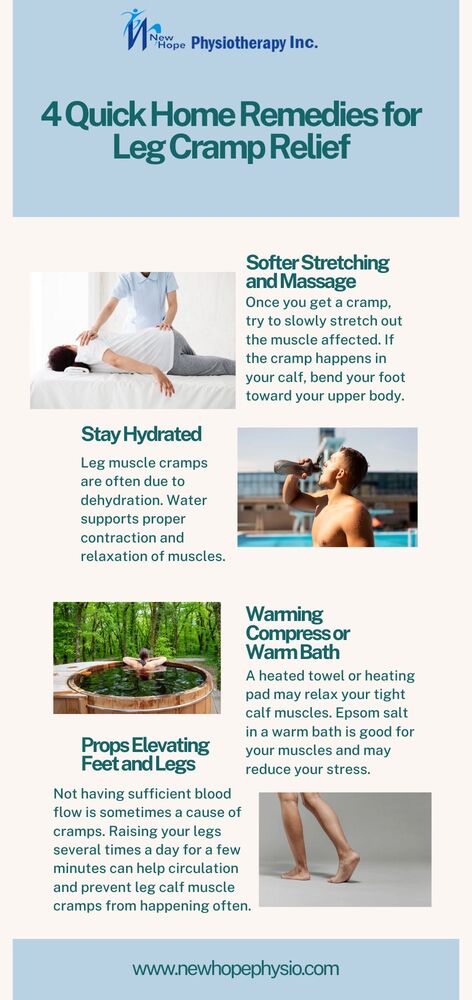
Credit: www.newhopephysio.com
Practical Tips For Everyday Prevention
Let’s summarize key actions you can take:
- Drink enough water every day.
- Eat a balanced diet with potassium, magnesium, and calcium.
- Stretch calves regularly—especially before bed.
- Warm up and cool down before and after exercise.
- Take breaks if sitting or standing for long periods.
- Review your medications with a doctor.
- Wear comfortable shoes—tight shoes strain calf muscles.
- Avoid excessive alcohol and caffeine, which dehydrate you.
Common Mistakes That Make Charley Horse Worse
Many people unknowingly increase their risk. Here are mistakes to avoid:
- Ignoring hydration: Waiting until you’re thirsty is too late.
- Skipping stretches: Not stretching before bed or exercise.
- Sudden intense activity: Quick jumps in exercise strain muscles.
- Wearing tight shoes: Restricts blood flow.
- Restrictive diets: Cutting out food groups can lower key minerals.
- Ignoring persistent cramps: Not seeing a doctor when cramps are frequent.
Charley Horse Prevention For Special Groups
Older Adults
Age increases risk due to muscle loss and slower circulation.
- Prioritize stretching and gentle exercise.
- Monitor medications closely.
- Eat nutrient-rich foods.
Athletes
Intense activity leads to sweat and mineral loss.
- Hydrate before, during, and after exercise.
- Use electrolyte drinks if needed.
- Stretch thoroughly.
Desk Workers
Long hours sitting can cause poor circulation.
- Stand and stretch every hour.
- Do simple calf exercises at your desk.
How To Quickly Relieve A Charley Horse
Despite your best efforts, cramps can still happen. Here’s what to do:
- Stretch the calf: Straighten your leg, pull toes toward you.
- Massage the muscle: Use your hands to gently rub.
- Apply heat: Warm towel or heating pad relaxes muscles.
- Walk it off: If possible, stand and walk slowly.
Most cramps ease within minutes. If pain continues, try cold packs or over-the-counter pain relief.
:max_bytes(150000):strip_icc()/leg-cramp-treatment-and-prevention-of-muscle-spasms-2548836-5c773872c9e77c00011c82f1.png)
Credit: www.verywellhealth.com
Comparing Prevention Methods: Effectiveness And Ease
Here’s a comparison to help you choose the best approaches:
| Method | Effectiveness | Ease of Use | Best For |
|---|---|---|---|
| Hydration | High | Easy | Everyone |
| Electrolyte Balance | High | Moderate | Athletes, older adults |
| Stretching | High | Easy | Everyone |
| Warm-up/Cool-down | Medium | Moderate | Active people |
| Medical Review | Medium–High | Difficult | Frequent cramp sufferers |
Real-life Example
Sarah, age 42, began having calf cramps at night. She drank little water, skipped stretching, and ate a low-potassium diet. After her doctor suggested changes, she increased her water intake, added bananas and yogurt to her meals, and stretched before bed.
Within two weeks, her cramps stopped.
This shows that simple changes can make a big difference.
External Resource
For more detailed information on muscle cramps and prevention, visit Mayo Clinic.
Frequently Asked Questions
What Is The Main Cause Of Charley Horse In The Calf?
The most common cause is muscle fatigue or overuse, often combined with dehydration or low electrolytes. Poor circulation and certain medications can also play a role.
How Can I Stop A Charley Horse Once It Starts?
Quickly stretch your calf by pulling your toes toward your knee, massage the muscle, and apply heat. Walking slowly can also help relax the muscle.
Are Certain Foods Helpful For Preventing Calf Cramps?
Yes, foods high in potassium, magnesium, and calcium help prevent cramps. Examples include bananas, spinach, yogurt, and pumpkin seeds.
Can Medications Cause Charley Horses?
Some medications, like diuretics, statins, and blood pressure drugs, can increase risk. If you notice frequent cramps, talk to your doctor about your medication.
When Should I See A Doctor About Calf Cramps?
See a doctor if cramps are frequent, severe, last longer than 10 minutes, or are linked to swelling, weakness, or other health problems.
—
Preventing charley horse in the calf is simple with the right habits. Drink plenty of water, eat mineral-rich foods, stretch regularly, and pay attention to your body. Even small changes—like stretching before bed or swapping tight shoes for comfortable ones—can make a big difference.
If cramps are frequent or severe, don’t hesitate to seek medical advice. With consistent care, you can keep your calves strong and pain-free.