
For many people with ADHD, daily life can feel like a puzzle with missing pieces. Staying focused, handling emotions, and feeling calm often present constant challenges. In recent years, a surprising helper has gained attention: the horse. Across the world, parents, therapists, and researchers are exploring how time spent with horses can support children and adults living with ADHD. But can horses really help? Let’s discover what science, experience, and real stories tell us about the connection between horses and ADHD.
Understanding Adhd: The Basics
Attention Deficit Hyperactivity Disorder (ADHD) is a common brain condition. It affects how people pay attention, control impulses, and manage energy levels. Symptoms can include:
- Inattention: Trouble focusing, making careless mistakes, losing things.
- Hyperactivity: Fidgeting, restlessness, talking a lot.
- Impulsivity: Interrupting others, acting without thinking.
ADHD affects children and adults. In the US, about 9.8% of children and 4.4% of adults are diagnosed with ADHD. It can make school, work, and relationships more difficult.
Traditional treatments include medication (like stimulants), behavior therapy, and school support. But not every person responds well to these, and many families look for extra help. This is where horses step in.
What Is Equine-assisted Therapy?
Equine-assisted therapy means using horses as part of treatment for physical, emotional, or mental health needs. It’s not just riding for fun—it’s a structured approach led by trained professionals. There are two main types:
- Therapeutic riding: People with ADHD learn to ride and care for horses. The focus is on skill-building, confidence, and enjoyment.
- Equine-assisted psychotherapy (EAP): Horses are used in therapy sessions. Activities might include grooming, leading, or just being near the horse. Therapists use these moments to talk about feelings, behaviors, and challenges.
Both types aim to help people with ADHD improve focus, self-control, and emotional well-being.
How Horses May Help People With Adhd
Why horses? The answer is partly practical, partly magical. Horses are sensitive animals. They respond instantly to a person’s body language, tone of voice, and mood. Working with a horse requires focus, patience, and calm—all skills that people with ADHD often want to improve.
Unique Benefits Of Horses
- Immediate feedback: If you’re too loud or rough, the horse may walk away. If you’re gentle and clear, the horse cooperates.
- Non-judgmental: Horses don’t tease, criticize, or hold grudges.
- Calm presence: Just being near a horse can lower heart rate and stress.
- Physical activity: Riding and caring for a horse gets the body moving, which can help with hyperactivity.
Key Skills Practiced
People with ADHD practice several important skills with horses:
- Attention: Horses need clear, consistent signals.
- Impulse control: Sudden movements or noises can scare a horse.
- Routine and responsibility: Feeding, grooming, and riding require regular effort.
- Emotional regulation: Horses pick up on frustration or anxiety and respond.
These benefits go beyond the riding arena. Many people find these skills help in school, at home, and with friends.
What Does The Research Say?
Studies on horses and ADHD are still growing, but early findings are promising. Here’s what research and experts are discovering:
- In a 2018 study, children with ADHD who took part in therapeutic riding sessions showed improved attention and reduced impulsivity.
- Another study in 2020 found that equine therapy helped young people with ADHD manage stress and increased their self-esteem.
- Parents often report better moods, more confidence, and improved social skills in children after time with horses.
But there are limits. Not every person with ADHD will benefit equally. The quality of the program, the experience of the staff, and the child’s own interest in animals all make a difference.
Comparing Results: Horses Vs. Other Interventions
Below is a comparison of some common interventions for ADHD and their main benefits:
| Intervention | Main Benefit | Common Limitation |
|---|---|---|
| Medication | Improved focus, reduced impulsivity | Side effects, not effective for all |
| Behavior Therapy | Better coping strategies, routines | Requires long-term effort |
| Equine-Assisted Therapy | Increased self-esteem, emotional control | Access, cost, not widely available |
| Sports & Exercise | Reduces hyperactivity, improves mood | May not teach focus or self-control |
What Happens In An Equine-assisted Session?
Every program is a little different, but most sessions include:
- Meeting and greeting the horse
- Grooming or feeding the horse
- Learning to lead or ride
- Doing activities or games with the horse
- Reflecting with the therapist about feelings and behaviors
Sessions might be one-on-one or in small groups. A certified instructor or therapist guides every step.
Step-by-step: A Typical First Session
- Introduction: Meet the therapist and horse; learn safety rules.
- Grooming: Brush the horse, check hooves, talk about horse care.
- Leading: Practice walking the horse using clear signals.
- Riding basics: Learn to mount, steer, and stop the horse if appropriate.
- Cool down: Discuss what went well, what was hard, and feelings during the session.
The focus is on relationship building—with the horse, and with oneself.
Real Stories: How Horses Change Lives
Meet Sam, age 10. Sam struggled with sitting still in class and often interrupted others. After joining a weekly therapeutic riding program, Sam’s teacher noticed he could wait his turn better and seemed more calm. Sam said, “When I’m with my horse, I feel like I can do anything.
”
Or consider Maria, an adult diagnosed with ADHD later in life. Maria shared, “Being with horses taught me to slow down. If I rushed, the horse got nervous. Learning to breathe and move with the horse helped me focus in other parts of my life, too.
”
These stories are not rare. Many riders and families report:
- More self-confidence
- Better emotional control
- Improved social skills
- Stronger sense of responsibility
But it’s important to remember that horses are not a magic cure. Progress is often slow and requires commitment.

Credit: www.youtube.com
Are There Risks Or Downsides?
No therapy is perfect for everyone. Working with horses has some challenges and risks:
Safety Concerns
- Physical risk: Horses are large animals. Falls or kicks can happen, so safety training is crucial.
- Allergies: Some people may react to horse hair or dust.
- Access: Not every community has a certified equine program.
Emotional Factors
Some children may be afraid of large animals, or may not connect with horses. If the therapy feels forced, it may not help.
Cost And Commitment
Equine-assisted therapy can be expensive. Most programs are private and may not be covered by insurance. Sessions often cost $40–$100 each.
Program Quality
Not all programs follow the same standards. It’s important to check for:
- Certified, experienced staff
- Safe horses
- Clear goals and progress tracking
Who Is A Good Fit For Equine-assisted Therapy?
Not every person with ADHD will love or benefit from working with horses. Here’s who may do best:
- Children or adults who like animals
- People who enjoy outdoor activities
- Those who need a break from “talk therapy”
- Individuals looking for hands-on learning
It’s less ideal for people who are very afraid of animals, or who have severe allergies. Always talk to a doctor or therapist before starting.
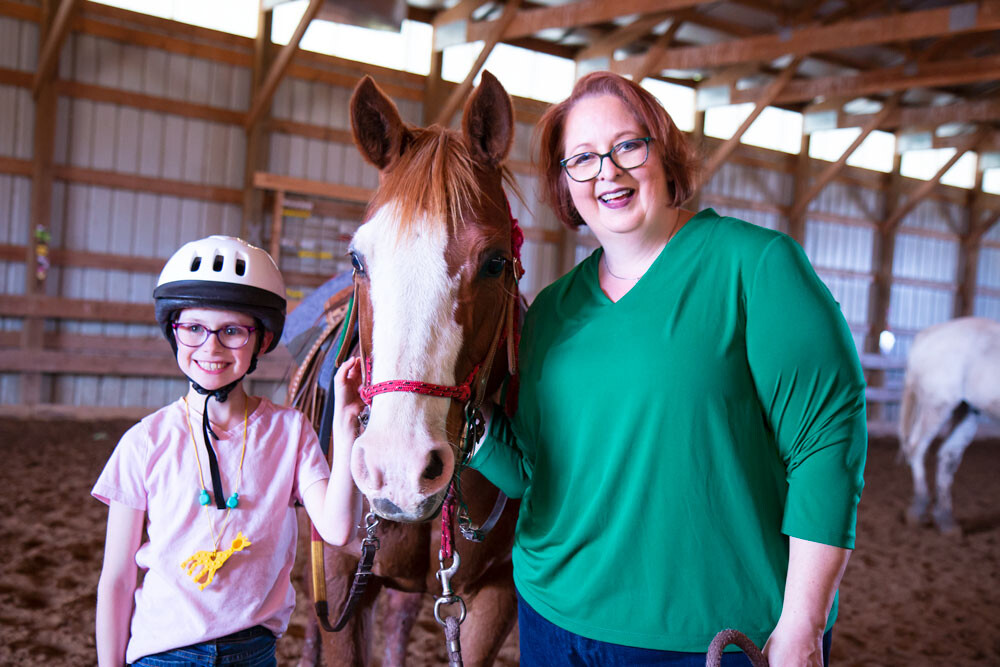
Credit: news.unl.edu
How To Choose A Quality Program
Finding a good equine-assisted therapy program takes research. Here’s what to look for:
- Certified staff: Look for instructors certified by groups like the Professional Association of Therapeutic Horsemanship (PATH Intl.) Or the Equine Assisted Growth and Learning Association (EAGALA).
- Safety focus: The program should have clear safety rules and trained volunteers.
- Individual goals: Sessions should be tailored to each person’s needs.
- Good facilities: Clean barns, healthy horses, and proper equipment matter.
- Positive reputation: Ask for reviews or talk to other families.
Sample Comparison: Program Features
Here’s a quick look at how two programs might differ:
| Feature | Program A | Program B |
|---|---|---|
| Instructor Certification | PATH Intl. | None listed |
| Session Length | 45 minutes | 30 minutes |
| Group Size | 1–2 people | Up to 6 people |
| Progress Tracking | Monthly reports | None |
Choose the program that fits your needs, comfort, and budget.
How Does Horse Therapy Compare To Other Outdoor Activities?
Some people wonder: why not just play soccer or go hiking? While all outdoor activities are healthy, horses offer some special experiences:
- Immediate, non-verbal feedback: Horses let you know how you’re doing without words.
- Emotional mirroring: Horses pick up on your feelings and reflect them.
- Responsibility: Caring for a horse teaches routine and planning.
Sports are great for teamwork and fitness. But for building focus, self-control, and confidence, many find horses have a unique effect.
Outdoor Activities Comparison
| Activity | Focus Required | Emotional Feedback | Routine/Responsibility |
|---|---|---|---|
| Horse Therapy | High | Immediate, strong | Essential |
| Team Sports | Medium | Coach/Peers | Some |
| Hiking | Low-Medium | Nature only | Minimal |
Practical Tips For Starting Equine-assisted Therapy
If you’re interested in using horses to help with ADHD, consider these tips:
- Talk to your doctor or therapist: Get advice on whether horse therapy fits your needs.
- Visit local programs: Meet the instructors, see the horses, ask questions.
- Start slow: Try a single session before signing up for a full course.
- Set clear goals: Know what you hope to improve—focus, confidence, or social skills.
- Involve the whole family: Support and encouragement make a big difference.
- Watch for progress: Changes may be small at first. Track improvements in daily life, not just at the barn.
Two Insights Beginners Miss
- Consistency matters: One or two sessions are not enough. Regular, weekly participation leads to the best results.
- Transfer takes effort: Skills learned with horses don’t always automatically show up at home or school. Parents and teachers need to help connect the dots.
The Role Of The Horse: Partner, Not Tool
In equine-assisted therapy, the horse is not just equipment. The horse is a sensitive partner, with its own feelings and responses. Good programs treat horses with respect and care. This helps teach empathy—a skill many with ADHD find helpful in relationships.
The Science Of The “horse Effect”
Why do horses have such a strong impact? Some experts believe it’s because:
- Horses are big and powerful, but gentle.
- They live in the moment, forcing people to do the same.
- Horses respond honestly to every action.
This combination can be especially powerful for people with ADHD, who may feel misunderstood by humans but find acceptance and clarity with animals.
What To Expect: Progress And Challenges
Equine-assisted therapy is not a quick fix. Some people see changes quickly; others take months. Common areas of improvement include:
- Attention span: More time spent on tasks at home or school.
- Impulse control: Fewer outbursts, better patience.
- Social skills: Improved listening and cooperation.
- Confidence: Willingness to try new things.
But setbacks happen. Bad days, fear of animals, or frustration are all normal. The key is to stick with it and celebrate small successes.
Not Just For Kids: Adults With Adhd And Horses
While many programs focus on children, adults with ADHD can benefit too. Adults may struggle with focus at work, managing stress, or organizing daily life. Horse therapy offers:
- Stress relief: Time outdoors, fresh air, rhythmic movement.
- Mindfulness: Horses help people stay present.
- Non-verbal learning: Many adults with ADHD learn best by doing, not talking.
Some adults even become volunteers or staff at horse therapy programs, finding new purpose and community.
How To Find Equine Programs Near You
Start by searching online for “equine therapy ADHD” plus your city. You can also:
- Ask your doctor or therapist for recommendations.
- Look for local stables or riding schools with therapy programs.
- Check with national groups like PATH Intl. Or EAGALA.
Be sure to ask about experience with ADHD, staff qualifications, and safety practices.
Credit: www.healingvitality.ca
Supporting Research And Further Reading
Research is growing, but it’s still a young field. For those interested in the science, the article “Equine-Assisted Activities and Therapies for Attention-Deficit/Hyperactivity Disorder (ADHD): A Review of the Literature” published in the Journal of Attention Disorders is a good start. For more details, see Wikipedia: Equine-assisted therapy.
Frequently Asked Questions
Can Horses Cure Adhd?
No, horses do not cure ADHD. But equine-assisted therapy can help manage symptoms like inattention, impulsivity, and emotional ups and downs. Think of it as a tool, not a cure.
Is Horse Therapy Safe For Children?
When run by certified professionals, horse therapy is generally safe. Programs should have safety rules, trained staff, and gentle horses. Parents should always check a program’s qualifications.
How Long Does It Take To See Results?
Results vary. Some people notice changes after a few sessions; others may need months. Regular attendance and a positive attitude help the most.
Will Insurance Cover Equine-assisted Therapy?
Most insurance plans do not cover horse therapy. Some health savings accounts may allow payment. Ask the program about sliding scale fees or scholarships.
Can Adults With Adhd Benefit From Horse Therapy?
Yes. Many adults with ADHD find horse therapy helpful for stress, focus, and confidence. Programs for adults are growing in number.
Spending time with horses offers a unique path for people with ADHD. It’s not a miracle fix, but for many, it’s a joyful, empowering way to build skills, confidence, and calm. Whether you’re a parent, an adult with ADHD, or just curious, horses may offer more than you expect—sometimes, the best support comes from a gentle friend on four legs.