
Iceland has around 70,000 to 80,000 horses for a human population of about 390,000. That’s roughly one horse for every five people, and the reason so many Icelanders keep horses is that they’re working animals, a tourist business, and a national symbol all at once. The count holds because Iceland keeps its herd closed — no horse can enter the country, and none that leaves can ever come back.
The short version
- Iceland’s herd sits at roughly 70,000–80,000 horses, against about 390,000 people — one horse per five residents.
- The breed is the Icelandic horse, a small, sturdy animal often called a “five-gaited” horse because many can do two extra gaits, the tölt and the flying pace.
- Horses are still working animals there. Farmers use them for herding sheep in the highlands, and riding clubs use them for transport on rough ground where trucks struggle.
- Tourism is a big part of the number. Horse rentals and riding tours run all over the country, so many horses earn their keep.
- The herd is closed by law. No horse can be imported into Iceland, and any horse that leaves can never return.
- Keeping a horse in Iceland costs real money — feed, shoeing, and winter shelter all add up, so most owners run several animals together to share the work.
Why Iceland keeps so many horses
Iceland’s soil and climate make sheep and horses cheaper to keep than cattle. Grass grows for a short season, and hay is the main winter feed. A horse can graze rough ground that a cow can’t use, and it can cross rivers and lava fields that no vehicle handles well. That’s the practical reason the animal stayed central to farm life long after cars arrived.
The breed itself is a big part of it. The Icelandic horse is small but strong, and it has a smooth extra gait called the tölt that’s easy on a rider over long distances. Generations of farmers bred for that. The result is an animal that suits the land it lives on.
The closed herd matters too. Iceland bans horse imports, and a horse that leaves the country can’t come back. That rule protects the breed from outside disease, and it keeps the gene pool pure. You can read the rule on the Icelandic Food and Veterinary Authority pages, which publish the country’s animal import rules.
Tourism then multiplied the herd. Riding tours are one of the most popular things visitors do, and that demand pays for horses that would otherwise be a farm cost. So the animal is now both a working tool and a business.
When the numbers change
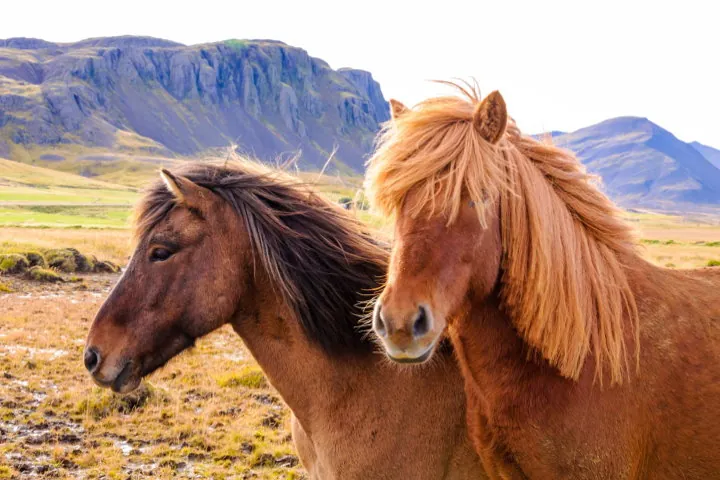
The “everyone has horses” picture isn’t evenly spread. It’s a farm-country thing, and it shifts with the season and the region.
| Situation | What changes | What to do instead |
|---|---|---|
| You’re in Reykjavík | Few horses in the city itself | Book a tour outside town |
| It’s winter | Many horses are stabled or on hay | Expect fewer out on open land |
| You’re near the coast | Sheep country, fewer riding farms | Head inland to horse country |
| You want to ride | Rental horses are trained for tourists | Book ahead in summer |
| You want to buy one | Export rules are strict | Check the rules before you commit |
| You’re driving the Ring Road | Horses graze near fences | Slow down and don’t stop on the road |
How to see and ride them properly
If you want to meet the horses rather than just spot them from a car, a little planning goes a long way. Most riding farms sit in the south and west, within a couple of hours of Reykjavík.
- Book your ride at least a few days ahead in June, July, and August — those are the busiest months, and small farms fill up fast. In winter, call first, because many farms close or run shorter trips.
- Pick a farm that matches your riding level. Beginner tours walk and tölt at a slow pace; longer highland rides want riders who can already control a horse. Say your real level when you book.
- Wear warm, layered clothes and closed shoes with a small heel. Icelandic weather changes fast, and a ride that starts sunny can end in cold rain within an hour.
- Arrive 15–20 minutes early so staff can fit your helmet and match you to a horse. A bad fit on the saddle shows up as a sore back after an hour.
- Follow the guide’s spacing rule on the trail — usually one horse length between animals. Icelandic horses are friendly and will bunch up if you let them.
- Ask before you feed or pet a horse at a fence. Many are working animals on a set diet, and extra treats can upset their stomach.
- If you’re riding in the highlands, expect 2–4 hours in the saddle for a half-day trip. Bring water, and tell the guide if you feel stiff early.
Mistakes that ruin the trip
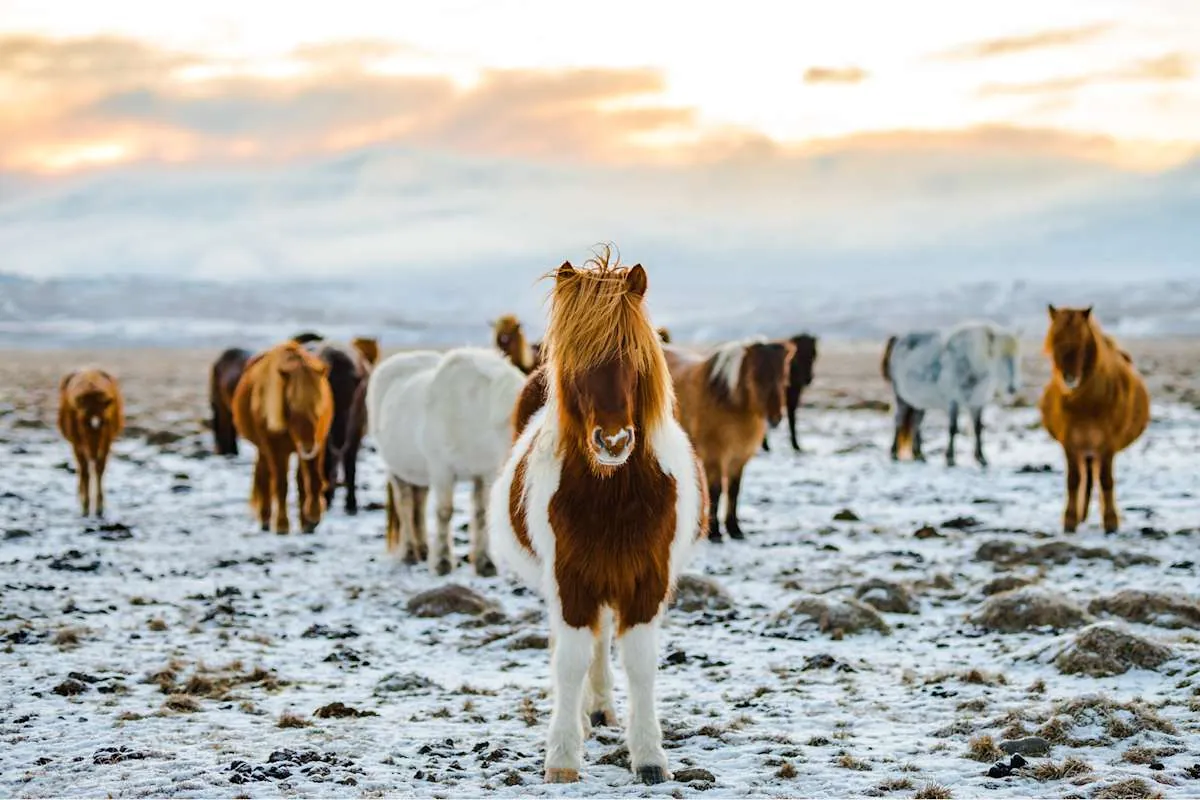
- Treating them like ponies. The Icelandic horse is small, but it’s a full-size horse in strength, and it can unseat a rider who assumes it’s a child’s pet.
- Stopping your car on the road for a photo. Icelandic roads are narrow and fast, and a sudden stop is a real crash risk — pull into a marked layby instead.
- Booking a long ride with no riding fitness. Two hours in the tölt uses muscles a gym doesn’t train, and you’ll feel it the next day.
- Ignoring the export rule. Buyers sometimes assume they can ship a horse home. Once a horse leaves Iceland, it can’t return, and the paperwork is heavy.
- Feeding horses at the fence. Extra food can cause stomach problems in animals on a managed diet, and some farms ask you not to.
Frequently asked questions
How many horses are there in Iceland?
Roughly 70,000 to 80,000, against a population of about 390,000 people. That works out to about one horse for every five residents, and the figure stays fairly steady because the herd is closed and breeding is controlled. For the latest count, check the Icelandic Food and Veterinary Authority’s published records.
Why can’t horses be imported into Iceland?
Because Iceland bans horse imports to protect its breed from outside disease. The herd has been isolated for over a thousand years, so it has no immunity to many common infections elsewhere. Any horse that leaves the country is also barred from returning, which keeps the gene pool closed.
Is it safe to ride an Icelandic horse?
Yes, for most people, with a helmet and a guide. The breed is known for a calm temperament and a smooth gait, which suits beginners. Tell the farm your real riding level when you book, and follow the guide’s spacing and speed rules on the trail.
How long is a typical riding tour?
About 1 to 2 hours for a beginner trip, and 2 to 4 hours for a half-day ride. Full-day highland tours run 5 to 7 hours. Summer trips can run longer because of daylight, while winter tours are usually shorter and weather-dependent.
Do Icelanders still use horses for work?
Yes, mainly for herding sheep in the highlands each autumn. Horses handle rough ground and rivers better than vehicles, so farms still rely on them for that job. Outside of work, most horses are kept for riding, breeding, and tourism.
What is the tölt?
It’s a four-beat gait unique to the Icelandic horse, and it’s smooth enough that a rider barely bounces. Many Icelandic horses also do a fifth gait, the flying pace. That natural smoothness is a big reason the breed is popular with riders of all ages.
Can I buy an Icelandic horse and take it home?
Yes, but the rules are strict and the process is slow. You’ll need export paperwork, health checks, and transport arranged through approved channels. Once the horse leaves Iceland, it can never come back, so plan the move carefully before you commit.
Why does Iceland have so many horses per person?
Because horses stayed useful there long after machines replaced them elsewhere. Rough land, short growing seasons, and a strong riding-tourism market all keep demand high. The closed herd also means the population grows steadily rather than being diluted by imports.
Conclusion
The animals work, they earn, and they’re protected — so the herd stays big, and the country keeps its one-horse-per-five-people habit.