
The only horses native to north america today are the wild mustangs and burros — and they’re descendants of horses brought by Spanish explorers in the 1500s, not survivors of the continent’s original equines. Every true native horse species here died out at the end of the last Ice Age. So the honest answer has two parts: the ancient natives are extinct, and the horses running wild today are a reintroduced species.
The one thing that decides whether this topic confuses you or not is separating “native” from “wild.” A species is native if it evolved here. A species is wild if it lives free without human care. Mustangs are wild, but they’re not native — they’re feral, meaning domestic animals gone loose. That single distinction clears up most of the argument.
The most common mistake is assuming “wild horse” and “native horse” mean the same thing. They don’t, and mixing them up leads people to repeat claims that aren’t true. Before you argue about mustang management or history, lock in that difference first.
The Horse Family’s Real Story in North America
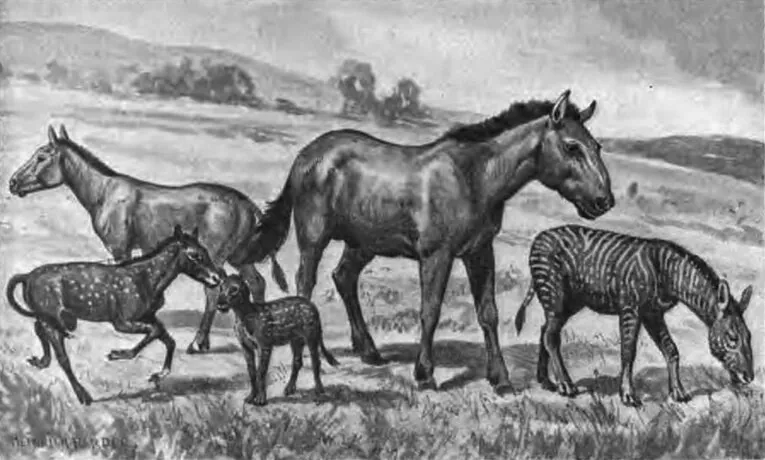
North America is where the horse family actually began. The earliest ancestor, Eohippus, lived here about 50 million years ago and was roughly the size of a dog. Over millions of years, horse ancestors spread across the continent and crossed into Asia over land bridges.
Then they vanished here. By about 10,000 years ago, every native horse in North America was gone — the same wave of extinctions that took mammoths and saber-toothed cats. Scientists still debate the exact cause, but climate shifts and human hunting are the leading ideas. The Smithsonian’s horse evolution page walks through that fossil record.
The horses you see today came back a different way. Spanish colonists brought domestic horses to Mexico in the 1500s, and those animals spread north. Their descendants became the mustangs. So the modern wild horse is a returning cousin, not a surviving native.
How the Modern Wild Horses Got Here
Here’s the timeline from extinction to today’s herds.
-
Start with the Ice Age die-off. By the end of the last Ice Age, native horses were extinct in North America. Nothing in the fossil record shows a surviving population.
-
Follow the Spanish arrival. In the 1500s, Spanish explorers and settlers brought domestic horses to what’s now Mexico and the southwestern US. These were the first horses on the continent in thousands of years.
-
Watch them spread and go loose. Some horses escaped or were released. Others were traded and stolen by Indigenous nations, who became skilled horse cultures. Over about 300 years, herds spread across the Great Plains and beyond.
-
Note the legal status today. In the US, free-roaming horses and burros on certain public lands are managed under the Wild Free-Roaming Horses and Burros Act of 1971. The Bureau of Land Management oversees them.
Tip: Don’t call mustangs “native” in a scientific argument — call them “feral” or “reintroduced.” The words carry weight in management debates.
How Long the Whole Story Spans
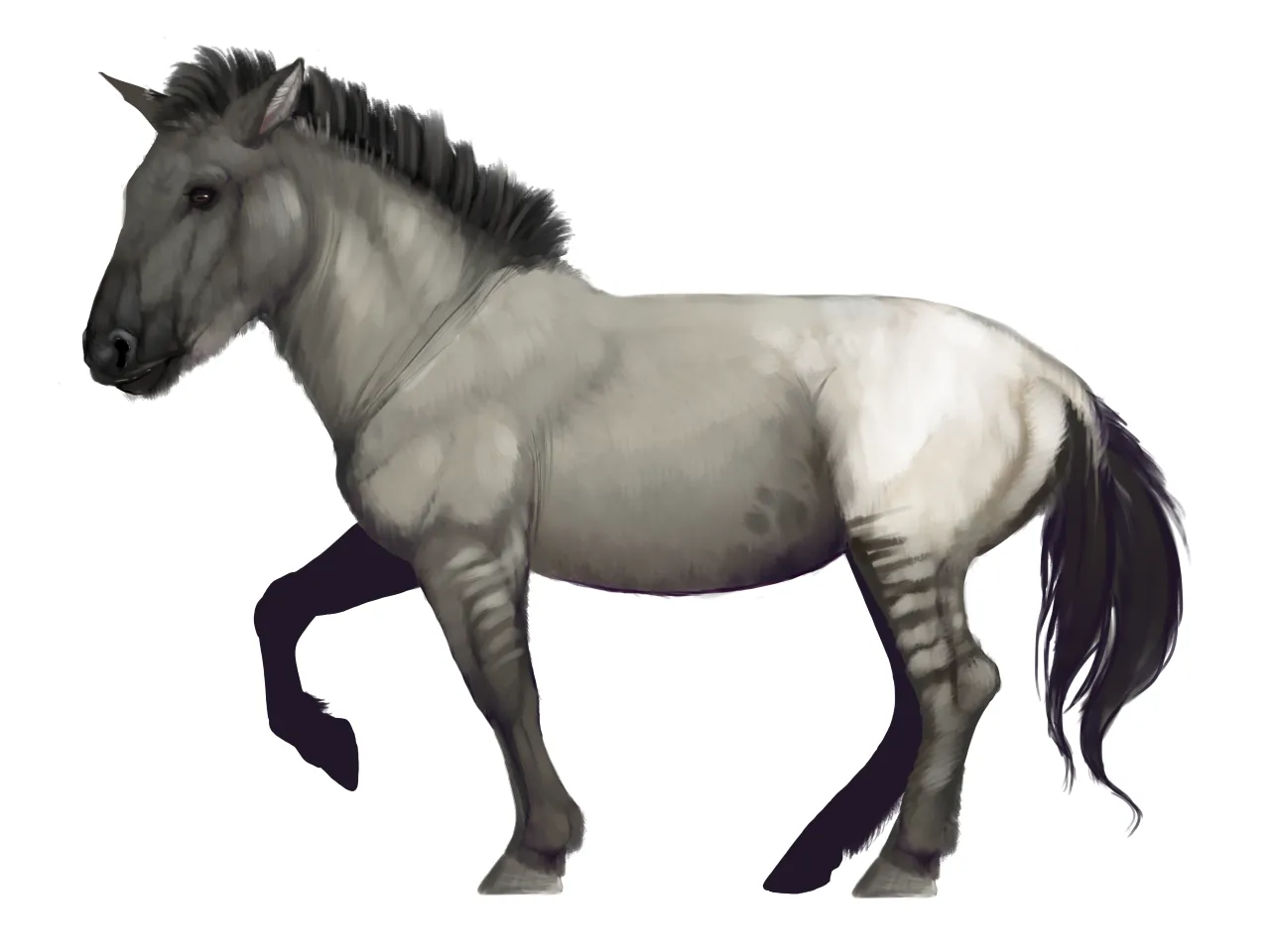
The full timeline stretches across tens of millions of years, but the part people care about is much shorter.
| Situation | How long | What changes it | What to watch for |
|---|---|---|---|
| Native horses evolving here | About 50 million years | Fossil dating methods | Early ancestors looked nothing like today’s horses |
| Native horses going extinct | Ended about 10,000 years ago | Climate and human hunting | Exact cause is still debated |
| Horses returning via Spain | From the 1500s | Colonial expansion | Took about 300 years to spread widely |
| Mustangs becoming “wild” | A few generations after release | Breeding in the open | Feral, not native, status |
If a source gives you a much shorter or longer figure for the extinction, check what it’s measuring. Some count the last confirmed fossil; others count the last estimated population.
How You Can Tell Native From Feral
You can usually settle the native-versus-feral question with a few checks. Look at the animal’s ancestry, its legal status, and the fossil record together — not just how it looks or where it lives.
A mustang in Nevada looks wild and lives wild, but its DNA traces back to domestic Spanish horses. That’s the giveaway. Fossil evidence shows no horse survived here between the Ice Age extinction and the Spanish return, so nothing living today is a true native.
When the signs seem to disagree, the fossil and genetic record settles it. For management questions, the Bureau of Land Management publishes the rules and herd counts. If you need an exact current number for a specific herd area, check the BLM’s own published data rather than a secondhand figure.
Mistakes That Get the Answer Wrong
- Calling mustangs native. This confuses a wild animal with a native species. Say “feral” or “reintroduced” instead, and your point stays accurate.
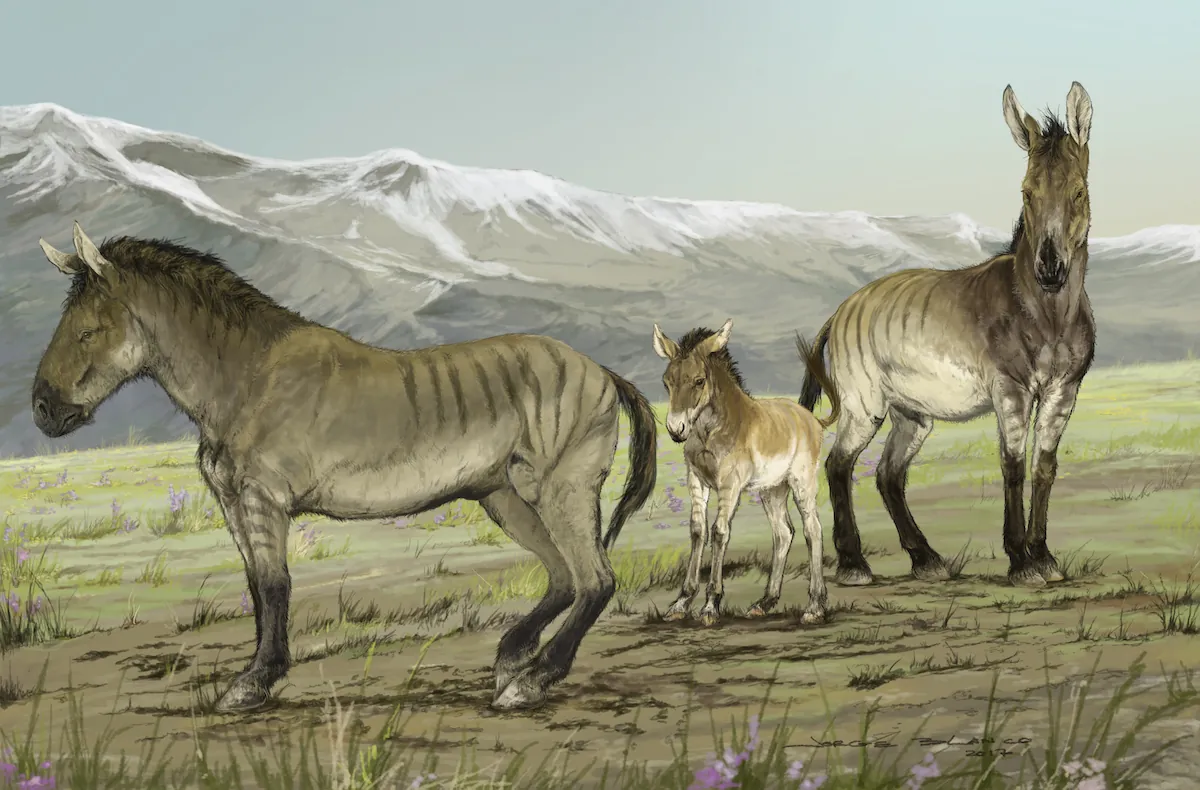
- Saying horses never lived here. The opposite error — horse ancestors evolved in North America for millions of years. Acknowledge that history and you sound informed.
- Mixing up “wild” and “native.” Wild describes how an animal lives; native describes where it evolved. Keep the two separate.
- Trusting a random timeline. Extinction dates and arrival dates get repeated with wrong numbers online. Check a museum or government source.
- Forgetting the burros. Donkeys came with the Spanish too and went feral the same way. They belong in the same answer.
Frequently asked questions
Were horses native to North America before Columbus?
Yes, but not the horses alive today. True native horse species evolved here and went extinct around 10,000 years ago. The horses Europeans saw in the Americas after 1492 were all descended from animals the Spanish brought over. So native horses existed once, but none survived to modern times.
Are mustangs native to North America?
No. Mustangs are feral — descendants of domestic horses the Spanish brought in the 1500s. They’re wild in behavior and lifestyle, but their ancestors came from Europe. Scientists call them reintroduced or feral rather than native. This distinction matters in debates about managing wild herds on public land.
How long have horses been in North America?
Horse ancestors lived here for roughly 50 million years before dying out about 10,000 years ago. Then horses were absent until the Spanish reintroduced them in the 1500s. So the continent has a long horse history, but with a gap of thousands of years in the middle.
Why did native horses go extinct in North America?
The leading ideas are climate change at the end of the Ice Age and hunting by early humans. Scientists don’t agree on the exact mix. What’s clear is that every native horse species disappeared around the same time as many other large animals, including mammoths.
Is it safe to say horses are invasive?
It’s more accurate to call them non-native or reintroduced. “Invasive” usually means a species that spreads and causes harm, and that label is debated for mustangs. Their impact on public lands is real, but the word choice is a judgment call, not a settled fact.
Can I see wild horses in the US today?
Yes. Free-roaming mustangs and burros live on certain public lands, mostly in the western states. The Bureau of Land Management manages them under a 1971 law. For specific herd locations and current numbers, check the BLM’s own published herd area data.
What’s the difference between a mustang and a true wild horse?
A true wild horse is a species that was never domesticated, like the extinct North American natives or the Przewalski’s horse of Asia. A mustang is a feral domestic horse. The Przewalski’s horse is often called the last truly wild horse, though its history is complicated.
Conclusion
The short version: North America gave the world the horse family, then lost every native species about 10,000 years ago. What runs wild here now came back with Spanish settlers and their descendants. Calling those animals feral or reintroduced isn’t a knock against them — it’s just the accurate word, and it keeps the real story straight.