
Why does a charley horse happen to so many people? Involuntary and sudden muscle contraction, often triggered by nerve firing or dehydration, is the cause. These painful spasms are usually harmless and go away on their own within a few minutes. To confirm if a simple cramp is the cause, gently stretch the affected muscle; if the pain subsides within seconds, it’s almost certainly a standard muscle spasm.
How a charley horse happens
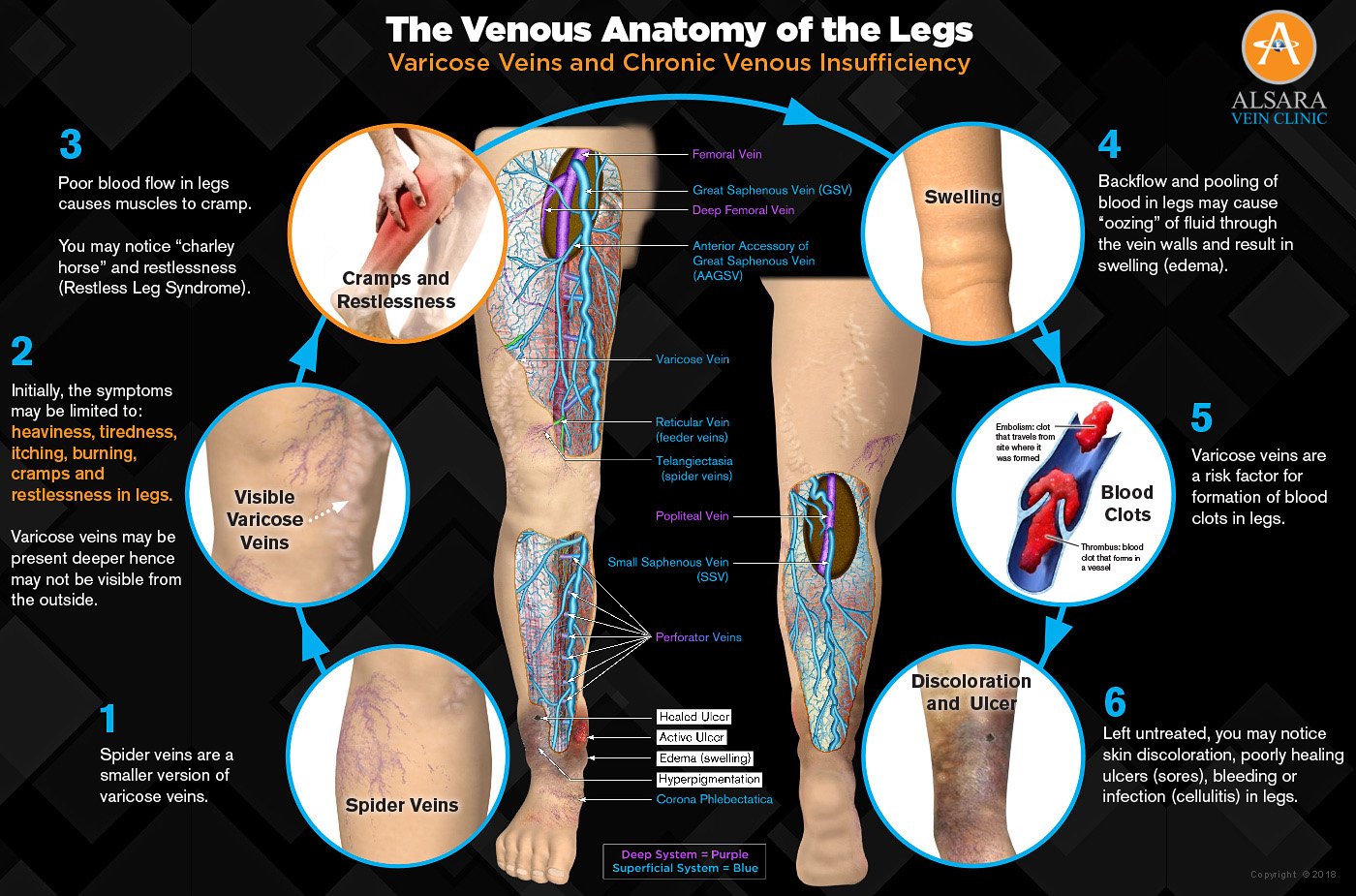
When you feel a sudden, sharp tightening in your leg or foot, it’s helpful to look for specific patterns. This table helps you identify what your body is experiencing and the first step you should take.
| What you notice | What it usually means | What to do first |
|---|---|---|
| Hard knot under skin | Localized muscle contraction | Gently stretch the muscle |
| Pain during exercise | Electrolyte imbalance or fatigue | Stop and rest immediately |
| Nighttime leg awakening | Poor circulation or position | Walk around the room |
| Twitching before spasm | Nerve irritation or stress | Massage the area firmly |
| Pain after heavy sweat | Dehydration or mineral loss | Drink water with electrolytes |
| Soreness for two days | Muscle strain or micro-tear | Apply a warm compress |
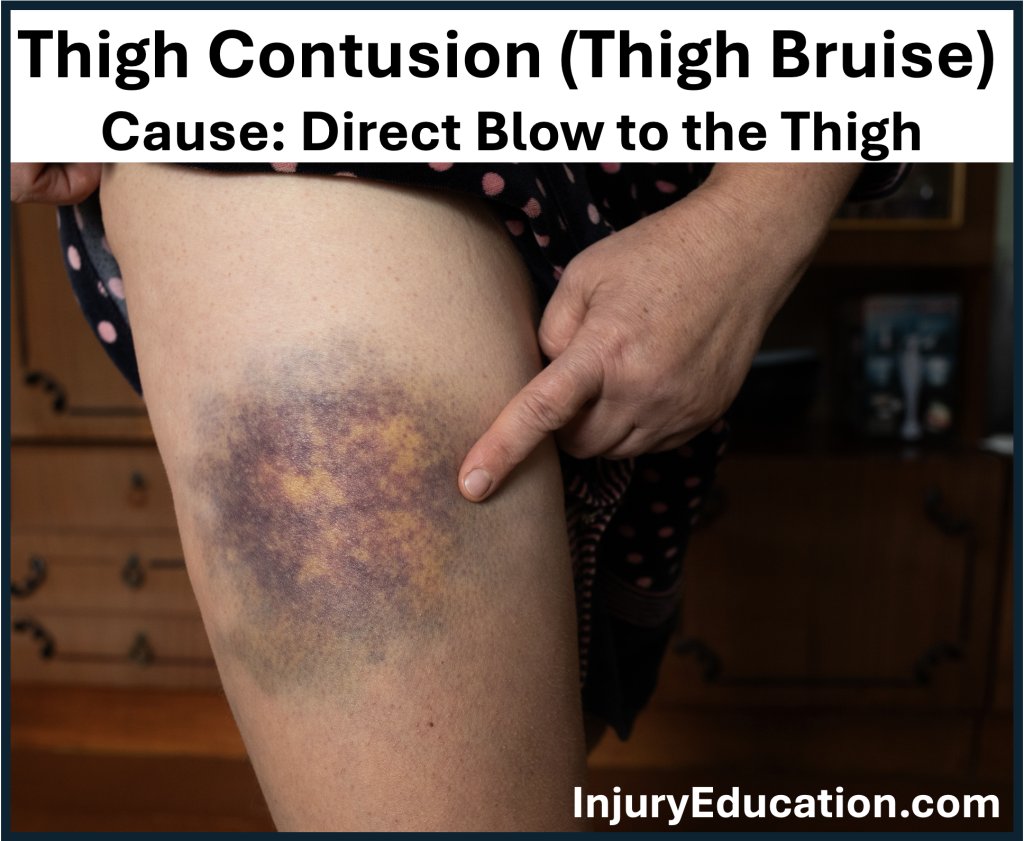
The most common mistake is confusing a true cramp with a muscle strain. A cramp is an involuntary, forceful contraction that resolves quickly once the muscle is stretched. A strain is an actual tear in the muscle fiber. If your pain persists for more than 48 hours or you notice visible bruising, you’re likely dealing with a strain rather than a cramp. In that case, stop stretching immediately, as it will only widen the tear.
You can distinguish between these two by the onset of pain. Cramps typically hit like a lightning bolt, peaking in intensity within seconds. Strains often manifest as a dull, localized ache that worsens when you attempt to engage the muscle.
If you experience frequent cramping in both legs simultaneously, the issue is rarely local muscle fatigue. This usually points to a systemic mineral deficiency, specifically low magnesium or potassium. If you find yourself waking up with cramps regularly, track your intake of leafy greens and nuts. If the frequency doesn’t drop after dietary adjustments, consult a doctor to rule out underlying vascular issues.
Finally, check your footwear. If your cramps occur primarily during the day while standing, your shoes may lack the arch support needed to prevent the plantar fascia from overworking. Switching to an insert can stop the cycle of nightly calf spasms before they start.
Fluid and electrolyte depletion
Muscles require a precise balance of water and minerals like potassium, magnesium, and calcium to contract and relax properly. When you lose too much fluid through sweat, your body struggles to maintain the electrical signals that tell your muscles when to stop contracting. According to the National Institute of Neurological Disorders and Stroke, this imbalance is a primary trigger for spontaneous muscle spasms.
The most common mistake people make is drinking only plain water after a workout. While hydration is vital, plain water can dilute the remaining electrolytes in your blood, which sometimes makes the cramping worse. This is known as hyponatremia. It occurs when your serum sodium concentration drops below 135 milliequivalents per liter.
You can confirm this is the cause if you notice the cramps occur specifically during or after periods of intense heat or sweating. If the cramp is localized to one muscle and responds to stretching, it’s likely mechanical. If you feel widespread twitching or cramping across multiple muscle groups, it’s almost certainly an electrolyte issue.
Your decision rule is simple: if you have been sweating for less than sixty minutes, plain water is sufficient. If you have been sweating for more than an hour, or if the environment is humid and hot, you must consume electrolytes. Aim for a drink containing 300 to 500 milligrams of sodium per sixteen ounces of fluid.
Don’t chug the entire bottle at once. Instead, sip the solution gradually over the next hour.
You’ll know it worked when the twitching sensations stop and the muscle feels soft to the touch again. If the pain persists for more than two hours after rehydration, seek medical attention. Persistent cramping despite proper electrolyte balance can indicate an underlying issue with kidney function or a medication side effect that requires professional diagnostic testing.
Muscle fatigue and overuse
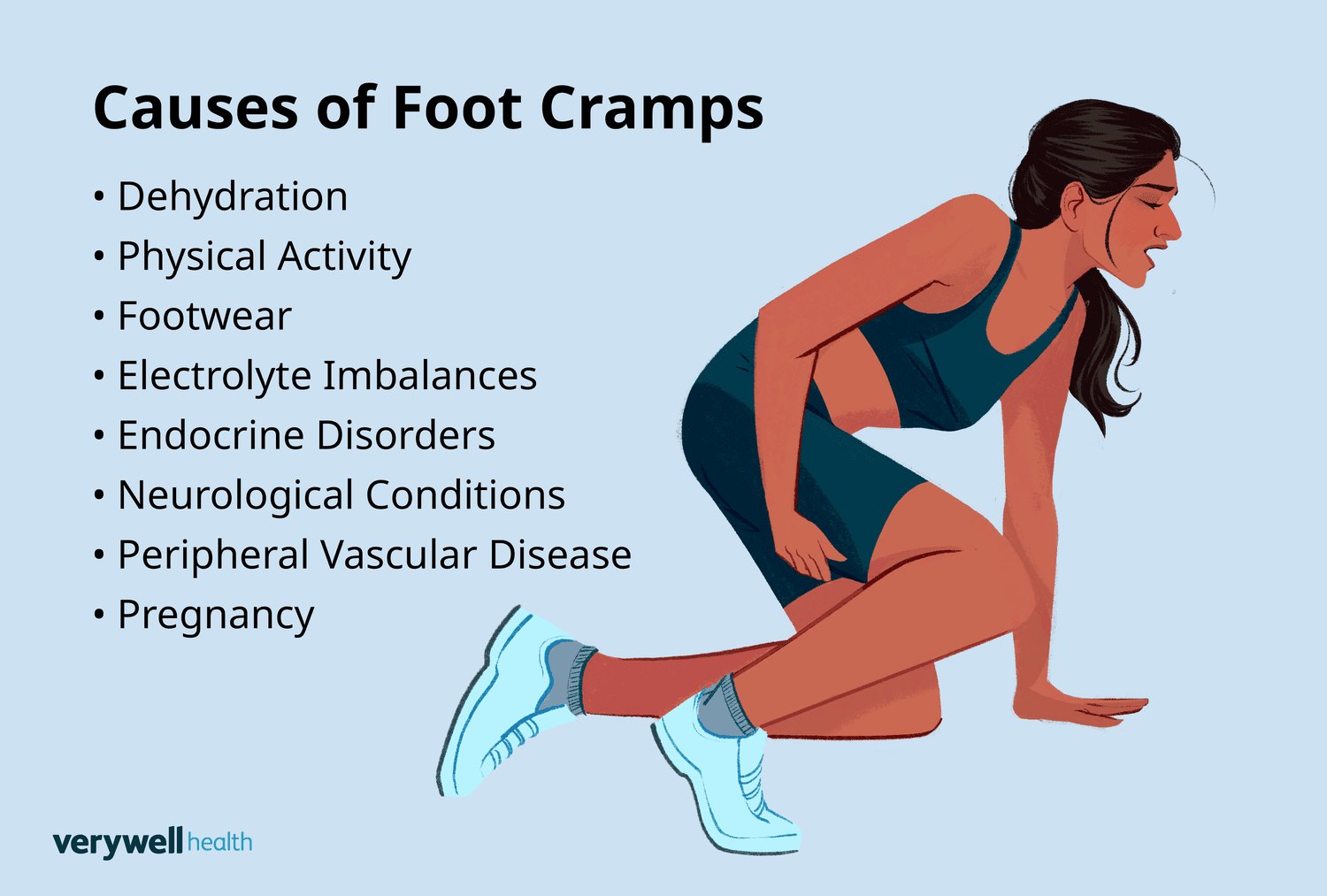
Overworking a muscle group, especially one you don’t use often, creates a buildup of metabolic waste and triggers protective spasms. This happens because the muscle fibers become exhausted and lose their ability to regulate their own tension. If you have recently started a new exercise routine or increased your walking distance, your muscles may simply be reacting to the added stress.
You can tell this apart from dehydration because the pain usually hits during the activity rather than hours later. Dehydration-induced cramps typically manifest as sudden, involuntary contractions in the calf or foot that persist even when you’re at rest. In contrast, overuse fatigue presents as a dull, heavy ache that worsens with every repetition.
To confirm this, press on the tight area; if it feels tender or bruised to the touch, the muscle is likely fatigued. If the area feels soft but the pain is deep and localized, you’re likely dealing with a tendon strain instead.
The fix is to stop the activity immediately and elevate the limb to reduce blood pressure in the area. Apply a cold compress for 15 minutes to help reduce inflammation and pain. You’ll know the issue is resolving when you can flex the muscle without feeling that sharp, pulling sensation.
A common mistake is trying to “stretch out” the fatigue while the muscle is still inflamed. This often tears the already stressed fibers, turning a two-day recovery into a two-week injury. If the pain remains at a level four or higher on a ten-point scale after 24 hours of rest, you have likely moved past simple fatigue into a micro-tear.
Check the label on your shoes, as poor arch support often forces specific muscles to work harder than they should, leading to faster exhaustion. If your shoes show signs of significant wear, the internal foam may have lost its structural integrity. Replace them to prevent the compensatory muscle firing that triggers these fatigue cycles.
Circulatory and nerve issues
Sometimes, the signal that causes a cramp doesn’t start in the muscle, but in the nerves that control it. This often happens if you sit or sleep in a position that compresses a nerve or restricts blood flow for a long time. If you wake up with a cramp that doesn’t respond to simple stretching or hydration, it may be a sign of nerve entrapment.
This cause differs from the others because the pain often comes with tingling or a “pins and needles” feeling in the foot or toes. To check this, change your sleeping position or stand up and walk for two minutes to improve blood flow. If the pain vanishes quickly, it was likely positional. However, if the sensation remains or spreads, it suggests a deeper nerve issue rather than a simple cramp.
You’ll know you have fixed it when the tingling stops and your limb regains its normal sensation. If you find yourself having these cramps every single night, it’s a sign that you need to adjust your sleeping posture or mattress support.
A common mistake is assuming these cramps are purely electrolyte-based. People often consume extra magnesium or potassium, which costs them time and money without addressing the mechanical pressure on the nerve. If your cramp is strictly one-sided and occurs only while lying on that specific side, the issue is almost certainly structural.
The decision rule is simple: if the cramp resolves within 120 seconds of movement, it’s circulatory or positional. If the sensation persists or feels like an electric shock, you’re likely dealing with radiculopathy or spinal nerve compression. In these cases, stretching the muscle won’t provide relief. Instead, you must change your sleeping alignment to remove the pressure point.
If you notice weakness in the limb or a persistent “dead” feeling that lasts more than ten minutes after rising, this is a red flag. It indicates that the nerve is being pinched at the root rather than just at the limb. At this point, consult a professional to rule out lumbar disc issues. Don’t ignore recurring numbness, as chronic compression can lead to long-term nerve damage that’s much harder to reverse than a simple nighttime cramp.
When to seek medical advice
There are times when a leg spasm is more than just a passing annoyance and requires a professional assessment. If you ignore these signs, you risk masking underlying conditions that need specific treatment.
- Severe swelling or redness in the calf, which can indicate a blood clot requiring urgent care.
- Persistent muscle weakness that makes it difficult to stand or walk, as this could signal nerve damage.
- Cramps that happen every night regardless of your activity level, which warrants a checkup from your primary doctor.
- Pain that doesn’t improve after 15 minutes of dedicated stretching, suggesting an injury rather than a cramp.
If you have a history of heart issues or take medication for high blood pressure, always talk to your doctor before changing your mineral intake. Never ignore pain that accompanies a visible change in skin color or temperature in your leg. This is a clear boundary: if the pain prevents you from putting weight on your leg or if the area stays swollen for more than a few hours, stop trying to treat it at home. Go to an urgent care clinic or call your doctor, as these aren’t symptoms of a simple charley horse.
A critical mistake is assuming every leg pain is a cramp. If you feel a hard, cord-like lump under the skin that doesn’t soften when you stretch, you may be dealing with a muscle tear or a hematoma. Treating a tear with aggressive stretching can worsen the injury. If the spot is tender to the touch even after the spasm stops, treat it as a strain and apply ice for 20 minutes every two hours.
Why does a charley horse happen at night?
It often happens because your muscles stay in a shortened position for hours while you sleep. This resting state makes the muscle fibers more sensitive to minor movements, which triggers a sudden contraction. If you wake up with cramps, try placing a pillow under your knees to keep them slightly flexed. This position prevents the calf muscles from being pulled taut, which is a common trigger for nocturnal spasms.
Is it safe to stretch during a cramp?
Yes, it’s generally safe and recommended to gently stretch the muscle to release the tension. If you feel sharp, stabbing pain that doesn’t improve, stop immediately and apply gentle heat instead. A helpful rule: if the muscle feels “stuck” and hard, use heat to encourage blood flow. If the muscle feels like it has been pulled or torn, use ice to manage the inflammation.
Does magnesium help stop them?
For many people, a magnesium deficiency contributes to muscle tightness, and increasing intake through diet or supplements may reduce frequency. Check with your doctor before starting any new supplement to ensure it’s safe for your health history. If you take diuretics for blood pressure, you’re at a higher risk of losing magnesium through urine. In this case, your doctor may suggest a specific dosage rather than leaving you to guess with over-the-counter options.
How long should a cramp last?
A typical muscle cramp should last anywhere from a few seconds to a few minutes. If you experience pain that lasts for several hours, it’s likely a muscle strain rather than a simple cramp. Use the 15-minute rule: if the pain persists beyond 15 minutes of rest and light massage, it’s no longer a standard spasm.
Can shoes cause leg cramps?
Yes, wearing shoes without proper arch support forces the muscles in your feet and calves to overcompensate. This constant strain leads to fatigue and cramping, especially after long periods of standing or walking. If your cramps occur primarily at the end of a workday, swap your shoes for a pair with firmer arch support for one week. If the cramps subside, your footwear was the primary culprit.
What if I have cramps every day?
Daily cramping is a strong signal that you should see a doctor to rule out circulation issues or nerve compression. You can start by tracking when they happen, such as after exercise or during sleep, to give your doctor better information. Note the location of the pain. If it consistently starts in the lower back and radiates down to the calf, you may have sciatica rather than a muscle issue.
If you try these steps and the pain keeps coming back, don’t force yourself to keep exercising through it. Always listen to your body when it tells you it has reached its limit, and don’t hesitate to reach out to a professional if the pain feels different than a standard cramp. Professional assessment is the only way to confirm whether you’re dealing with a simple electrolyte imbalance or a condition requiring medication.