
When a horse dies, the body undergoes natural decomposition, and the owner must decide how to manage the remains based on local law, property size, and available services. Owners generally choose between professional removal by a rendering service, burial on private land where permitted, or cremation, with each option requiring different logistics and costs.
The legal and physical requirements for handling a carcass change based on your location, the size of your property, and whether the horse died from a contagious disease. You must check your local municipal or county ordinances, as many areas strictly regulate the burial of large animals to protect groundwater.
Understanding the Needs of Horse Owners
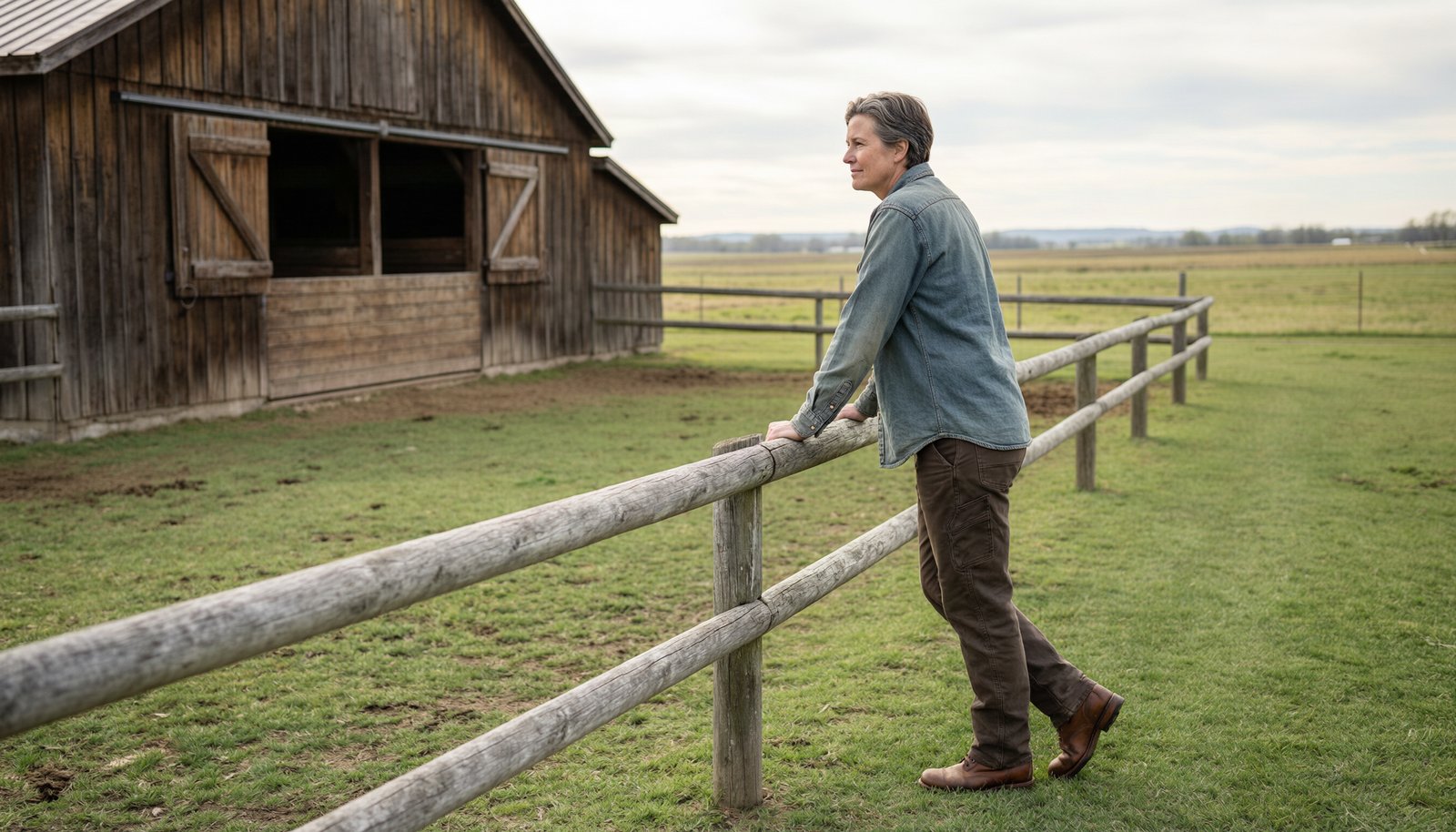
Owners facing the loss of a horse typically fall into three categories: those with private land who prefer burial, those in urban or suburban areas needing professional transport, and those seeking memorial services like private cremation. If you own a large property in a rural area, you might have the equipment to manage the site yourself, but you still need to ensure the soil composition and depth meet environmental standards.
If you live in a boarding facility or a residential zone, you likely depend on a veterinarian or a dedicated removal service to transport the remains. This page serves best those who need to understand the logistical and legal steps required immediately following a death. It assumes that you’re currently seeking practical, responsible ways to handle the remains. If you’re looking for emotional support or grief counseling, this guide doesn’t provide that; it focuses strictly on the physical and legal management of the deceased animal. You should always verify local regulations with your regional department of agriculture, as these rules aren’t universal.
Factors Influencing Final Arrangements
Environmental regulations serve as the primary guide for how you can manage the remains. Many states require that burial sites be located a specific distance from water sources, such as wells or streams, to prevent contamination. You can find specific guidance on managing large animal remains through the USDA Animal and Plant Health Inspection Service.
Soil type and water table depth also dictate the feasibility of burial. If your land has a high water table or rocky substrate, burial may be legally prohibited or physically impossible, forcing you to choose cremation or rendering. The size of the horse affects the equipment needed, as a mature horse can weigh over 1,000 pounds, requiring heavy machinery like a backhoe for proper burial.
Disease status changes the requirements entirely. If your horse died from a reportable infectious disease, local authorities may mandate specific disposal methods, such as deep burial with lime or professional incineration, to stop the spread of pathogens. People often make the mistake of assuming they can bury a horse anywhere on their property; this oversight can lead to heavy fines and environmental cleanup costs.
Procedures for Managing Remains
- Confirm the death with your veterinarian to rule out infectious diseases that require special handling.
- Contact your local waste management or agricultural office to verify if private burial is permitted in your specific zone.
- If burying, measure the site to ensure it’s at least 100 feet from any well, stream, or pond.
- Dig a hole at least 6 to 8 feet deep to ensure the remains are covered by at least 3 feet of soil.
- If using a service, clear a path for a heavy truck to access the location where the horse is resting.
- Remove any halters, blankets, or synthetic materials from the body before burial or cremation.
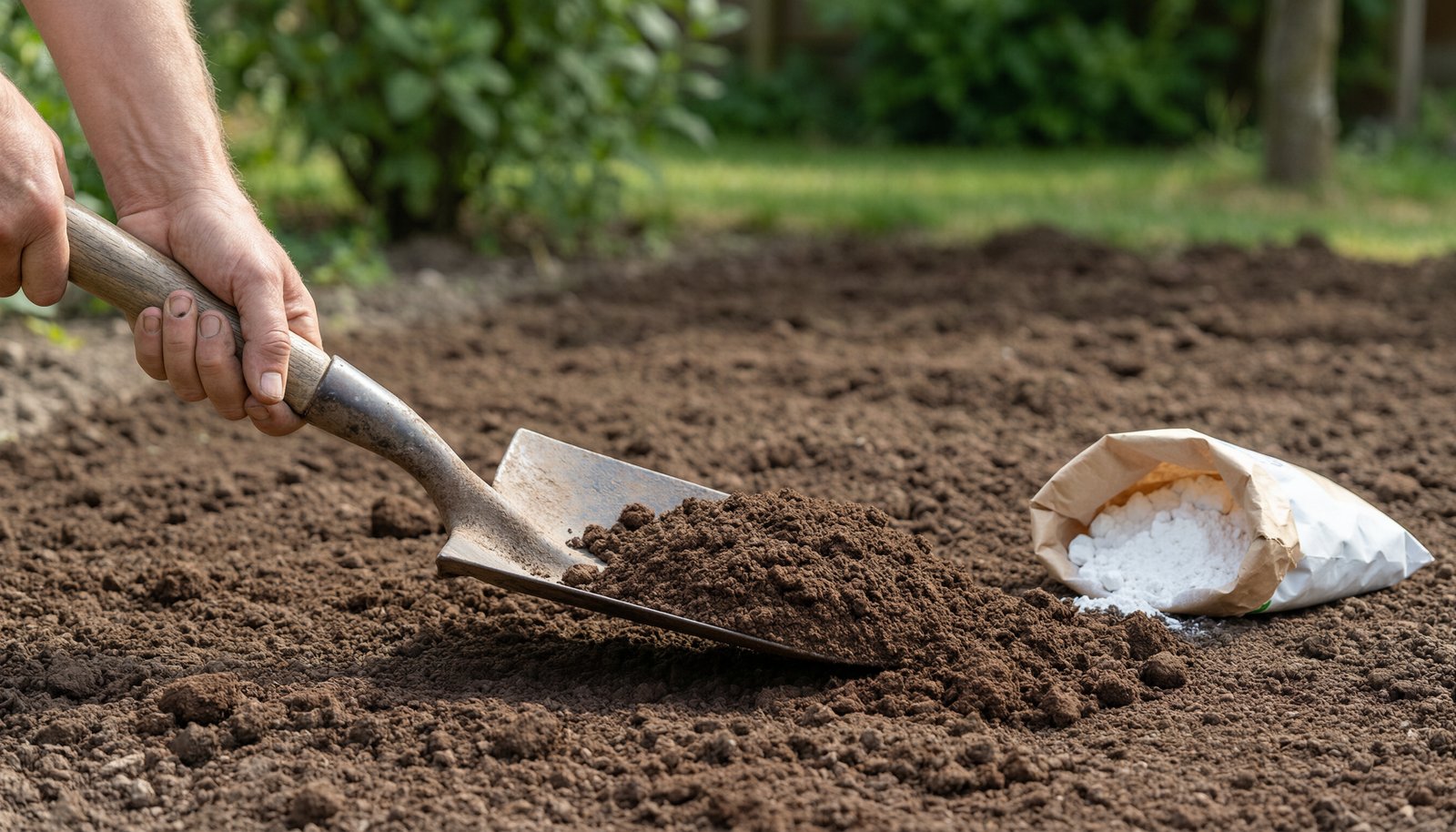
- Cover the remains with a layer of agricultural lime if local regulations suggest it for sanitation.
- Backfill the hole completely and mound the soil slightly to account for settling over the next few months.
The critical decision is determining whether your local laws allow for on-site burial or if you must hire a professional. A job done properly ensures the remains are fully contained and the site is stable, while a poor job results in environmental hazards or public complaints. If you lack the heavy machinery required to dig a deep grave, don’t attempt to do it manually; the physical strain and risk of injury are too high.
What Happens When Horses Die: Burial and Disposal Options
| Situation | Recommended Action | Resource Needs | What to Watch For |
|---|---|---|---|
| Rural property | Private burial | Backhoe, open land | Water table depth |
| Boarding facility | Professional removal | Transport service | Contract terms |
| Urban area | Communal cremation | Professional service | Local zoning laws |
| Infectious illness | Veterinary disposal | Professional incineration | Mandatory protocols |
| Memorial preference | Private cremation | Specialized crematory | Cost and logistics |
When burying on rural land, ensure the grave is at least six feet deep to prevent scavengers and ground contamination. You must maintain a minimum distance of 100 feet from any well, stream, or water source. If the soil is heavy clay, drainage may be poor, leading to surface issues during heavy rain.
At boarding facilities, verify your boarding contract before calling a service. Many stables have pre-arranged partnerships with specific removal companies, and using an outside vendor without permission can violate your agreement.
If the horse died of an infectious disease like EHV-1, don’t attempt transport yourself. Contact your state veterinarian immediately. They will dictate whether the remains require specialized incineration to prevent further environmental spread. Failing to follow these protocols can lead to significant legal fines and risks to other local livestock. Always confirm the crematory’s capacity for large animals before scheduling private services.
Signs of Proper Site Management
Protecting Water Sources
The most important factor in site management is preventing leachate from reaching groundwater. A properly managed burial site must be high and dry, well away from any slope that leads to a creek or well. If you notice signs of surface water pooling near the site, you must add more soil immediately to prevent runoff.
Site Stability
A grave that isn’t deep enough or lacks proper backfilling will settle unevenly, creating hazardous holes in the pasture. Experienced owners ensure the soil is packed down in layers as they fill the grave to prevent future collapse.
Potential Complications and Solutions
| What you notice | What it usually means | What to do first | How to stop it |
|---|---|---|---|
| Scavengers present | Insufficient cover | Add heavy topsoil | Use lime layers |
| Soil sinking | Poor compaction | Add more fill | Pack soil layers |
| Legal inquiry | Zoning violation | Contact local officials | Check permits first |
| Water pooling | Poor drainage | Divert water away | Choose higher ground |
This threshold is critical; anything shallower allows methane to escape and predators to detect remains.
When soil sinks, you have failed to account for the natural settling of organic matter. If you see a depression forming within the first month, add six inches of fill immediately. Failing to do this creates a funnel that directs rainwater directly into the site, accelerating decomposition and potential groundwater contamination.
Always check the soil’s clay content before digging. If you encounter a high water table, stop digging at once. You must move the site to higher ground to avoid legal liability for environmental damage. Never attempt to drain the area, as this rarely succeeds and often creates a larger, more visible disturbance.
Legal Requirements and Standards
Disposal rules exist to protect public health and environmental integrity. The Environmental Protection Agency (EPA) provides frameworks that many local jurisdictions adopt, but you must look at your state-specific agricultural department website to see the exact rules for your county. If you’re working with a professional service, ask to see their license for handling animal remains, as they must comply with state transport and disposal standards.
If your horse died under suspicious circumstances or from a suspected contagious disease, you’re legally obligated to report it to the state veterinarian. Never attempt to transport or bury a horse that died from a potential zoonotic disease without professional guidance, as you risk exposing yourself and other animals to infection. Always keep written records of the disposal method and date, as some regions require this for property records or insurance purposes.
The Financial and Physical Commitment
The cost of managing remains varies significantly based on your location and the chosen method. Private burial is generally the least expensive but requires access to heavy machinery and the labor to operate it. If you don’t own a backhoe, you’ll pay a contractor to perform the excavation, which typically requires a significant investment depending on accessibility and local rates.
Cremation services are significantly more expensive because they involve specialized facilities and fuel costs. Private cremation, where you receive the ashes back, is the highest cost option, while communal cremation is more affordable. Always ask for a quote before the service begins, as transport fees often increase based on the distance from the facility to your farm. The primary cost-driver is the weight of the animal and the distance the service provider must travel.
Maintaining the Burial Site
After the burial is complete, your main job is maintaining the integrity of the soil. As the organic matter decomposes, the soil will naturally sink over several months. If you see deep cracks or a depression, add more topsoil and seed it with grass to prevent erosion.
Don’t allow other horses to graze directly on top of a fresh burial site for at least one full season. The ground needs time to settle and harden, and the grass cover needs to be established to prevent the soil from washing away. If you notice persistent odors or scavengers, you may need to add a thicker layer of soil or use fencing to keep other animals away until the site is fully stable.
When Burial Is Not an Option
If you live in a region with strict environmental protections, such as near a protected wetland or a municipal reservoir, private burial is almost always prohibited. In these cases, you must use a rendering service or a cremation facility. Trying to bypass these laws by burying on your own property can lead to severe legal penalties and expensive environmental remediation if the site is discovered.
If the horse died in a public space or on a road, you don’t have the legal right to manage the remains yourself. You must contact local animal control or highway maintenance crews, who are equipped to handle removal in public areas. If you’re unsure about the safety of handling the body, or if the horse is in a location that’s dangerous to access, don’t attempt to move it. Contact a professional removal service that has the proper equipment to handle the task safely and legally.
Related guides
- Why Does Charley Horse Happen? Causes and Prevention Tips
- What Happens When Horses Retire: Surprising Facts Revealed
- Why Do Charley Horses Happen in Sleep? Causes and Solutions
Frequently Asked Questions

Is it legal to bury a horse on my own property?
It depends on your local municipal or county ordinances, as many areas restrict burial to protect groundwater. You must check with your local agricultural department or city council to see if your property meets the required distance from water sources and soil depth standards.
How deep should a horse grave be?
A horse grave must be at least 6 to 8 feet deep to ensure the remains are covered by at least 3 feet of soil. This depth prevents scavengers from reaching the remains and helps manage odor while the body decomposes naturally over time.
Can I bury a horse with a blanket or halter on?
No, you should remove all synthetic materials, including blankets, halters, and nylon leads, before burial. These items don’t decompose and can cause environmental harm or trap gases, and they should be disposed of separately through standard waste collection channels.
How much does it cost to have a horse removed?
The cost varies based on your location and the size of the horse, typically requiring a significant investment. You should contact local rendering services or crematory providers in your area to get an accurate quote based on their current transport fees.
What should I do if my horse dies from a disease?
You must contact your veterinarian immediately to determine if the cause of death is a reportable infectious disease. If it is, the veterinarian will provide specific instructions on how to handle the remains according to state health regulations to prevent the spread of the illness.
How long does a horse take to decompose?
Decomposition time varies based on soil temperature, moisture levels, and the depth of the burial, usually taking a long time for the soft tissue to fully break down. You should expect the ground above the site to settle for a period following the burial.
Happens horses, in short
Contact your local agricultural extension office first to understand the specific rules for your area. Once you have the legal requirements, choose the method that fits your budget and property constraints. If you notice signs of environmental contamination or illegal dumping, contact your local health department for assistance.