
What Happens When Horses Retire, Have you ever wondered what happens when horses retire? Just like people, horses need a well-deserved break after years of hard work.
But retirement for a horse isn’t as simple as it sounds. You might be surprised to learn how their lives change, what care they need, and how you can help them enjoy this new chapter. If you care about horses or are curious about their well-being, keep reading.
This article will reveal the important facts every horse lover should know about horse retirement.

Credit: www.youtube.com
Life After Racing
Life after racing marks a new chapter for many horses. It offers rest, new activities, and sometimes new careers. Retired racehorses often face big changes. Their days of fast runs and training end, making way for calmer routines. Understanding this transition helps owners and fans care for these horses better.
Transition Challenges
Retired racehorses can face stress and confusion. They may miss the regular exercise and attention. Their bodies need time to adjust from high-speed work to rest. Some horses find it hard to relax. Others might feel lonely without their stable mates or riders. Patience and gentle care help ease this transition.
Common Retirement Ages
Most racehorses retire between ages 5 and 8. Some retire earlier due to injury or slow performance. Others race a little longer if healthy and strong. Early retirement allows horses to live longer, healthier lives. Owners often plan retirement to give horses a good future.
Changes In Daily Routine
Retired horses enjoy slower days and more rest. Their training stops or changes to light exercise. They spend more time in pastures or paddocks. Feeding routines may change to suit less active lives. Social time with other horses becomes important. These changes keep retired horses happy and healthy.
New Roles For Retired Horses
Retired horses often find new purposes beyond their original work. These new roles help them stay active and happy. Many retired horses bring joy and comfort in different ways. Their gentle nature makes them perfect for second careers that suit their age and abilities.
Therapy And Companion Animals
Retired horses can become therapy animals. They visit hospitals, nursing homes, and schools. Their calm presence helps people feel better. Many people find comfort in touching and being near horses. These horses also serve as companions for other animals or humans. They provide emotional support and reduce stress.
Trail Riding And Leisure
Some retired horses enjoy easy trail rides. They carry riders on gentle paths through nature. These horses offer a peaceful way to explore outdoors. Their steady pace suits beginners and casual riders. Trail riding gives horses a relaxed job without heavy strain. It keeps them fit and mentally active.
Breeding And Education
Retired horses may also be used for breeding. They pass on good traits to new generations. Some become part of educational programs. Schools and farms teach children about horses and care. These horses help students learn about responsibility and respect. Their calm demeanor makes them ideal teaching partners.
Health And Care Adjustments
When horses retire, their health and care needs change a lot. They no longer work hard but still need good care. Adjusting their diet, exercise, and health check-ups helps keep them happy and healthy in their new life.
Dietary Changes
Retired horses need fewer calories. Their bodies burn less energy now. Feed them good quality hay and less grain. Too much food can cause weight gain and health problems. Add supplements for joints and digestion if needed. Fresh water must always be available.
Exercise Modifications
Exercise keeps retired horses strong but should be gentle. Short walks or light turnout help maintain muscle and joint health. Avoid hard work or intense training. Regular movement prevents stiffness and boredom. Tailor exercise to each horse’s age and condition.
Veterinary Needs
Retired horses need regular health checks. Older horses often face more health issues. Check teeth, joints, and weight regularly. Vaccinations and deworming must continue on schedule. Early detection of problems helps manage them well. Work closely with your vet for the best care.
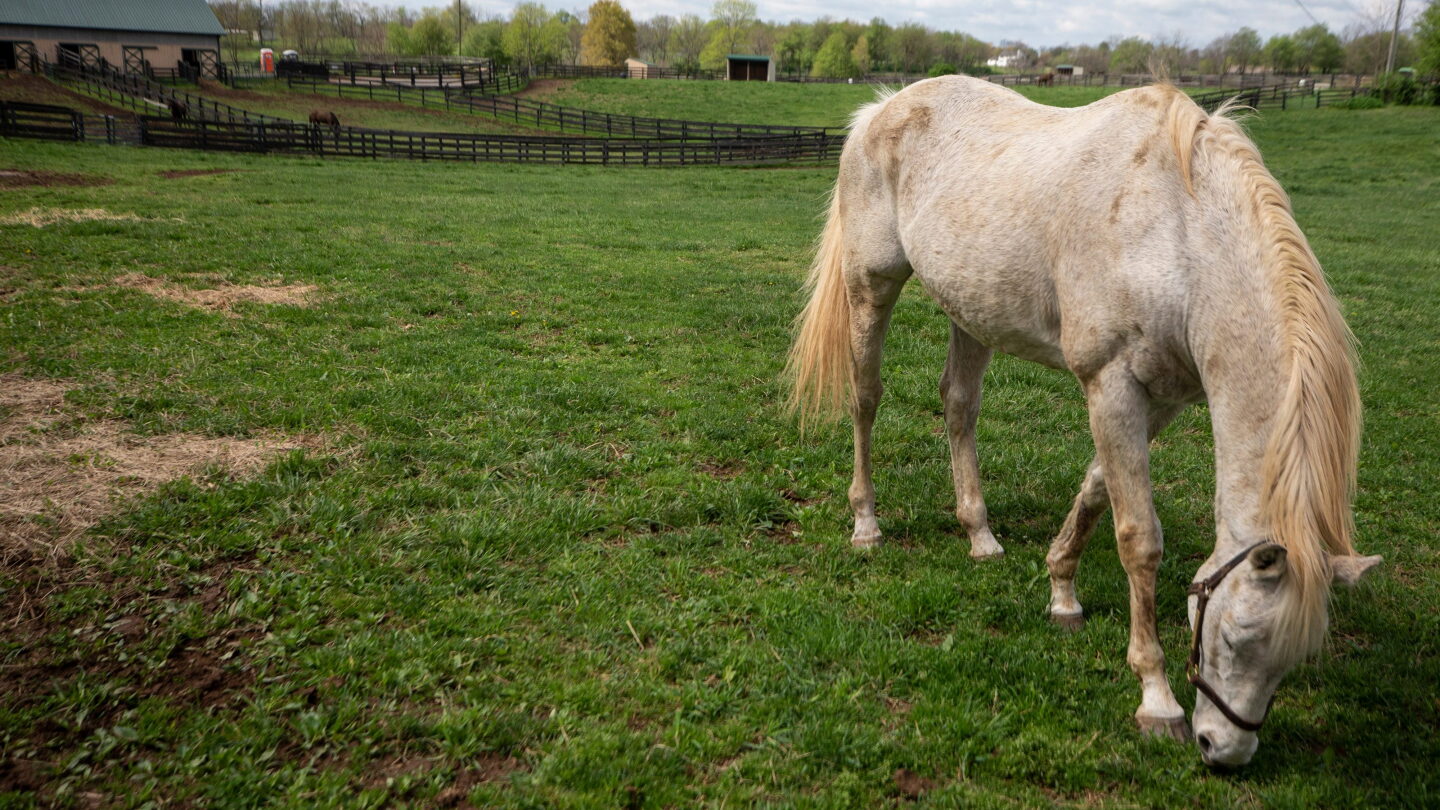
Credit: www.nbcsports.com
Retirement Facilities And Sanctuaries
Horses need special care after their active years end. Retirement facilities and sanctuaries provide safe, calm places for these animals. They offer peace and comfort for horses that no longer work. These places focus on health, happiness, and dignity for older horses. Understanding what these facilities offer helps horse lovers appreciate their importance.
Types Of Retirement Homes
Retirement homes for horses vary by size and services. Some are small farms where a few horses live quietly. Others are large centers with many horses and full care. Some homes focus on gentle exercise and social time. Others provide medical care for older or injured horses. Each type fits different horse needs and owner wishes.
Funding And Support
Many retirement facilities rely on donations and grants. Volunteers often help with daily chores and care. Some places charge owners a fee to cover costs. Fundraisers and events also support these homes. Money helps pay for food, shelter, and vet visits. This support keeps horses safe and comfortable.
Notable Sanctuaries
Some sanctuaries have earned respect for their care. They rescue horses from tough situations. These sanctuaries offer a forever home with love and peace. Many share stories to raise awareness about retired horses. They inspire others to help and support horse retirement.
Emotional Impact On Horses
Horses experience strong emotions during retirement. Their daily routine changes. This affects their feelings and behavior. Understanding these emotions helps caretakers provide better care. Horses need time and patience to adjust to retirement life.
Behavioral Changes
Retired horses often show new behaviors. They may become quieter or more restless. Some horses lose interest in activities they once loved. Others may become more social or seek attention. These changes show how horses cope with new routines.
Bonding With New Caretakers
Retirement often means new caretakers for horses. Building trust takes time and gentle care. Horses learn to feel safe with kind hands. Positive interactions help horses open up. Strong bonds improve their emotional well-being during retirement.
Stress And Adaptation
Horses can feel stress when routines change suddenly. New environments or lack of work cause anxiety. Signs include pacing, sweating, or loss of appetite. Caretakers must provide calm and stable surroundings. Gradual changes help horses adapt more easily.
Owner Responsibilities Post-retirement
When a horse retires, the owner’s role changes but remains very important. Owners must ensure the horse lives comfortably and safely. Retirement means less work but more care in other ways. The horse’s needs shift from training and competition to health and happiness. Responsible owners plan well to give their horses a good life after work.
Planning Ahead
Owners should start planning for retirement early. Know where the horse will live and who will care for it. Choose a safe place with enough space to roam. Consider the horse’s age and health when making plans. Early planning avoids stress for both horse and owner. It also helps manage future costs better.
Ensuring Quality Of Life
The horse’s comfort must be a top priority. Provide fresh water and balanced food every day. Regular vet check-ups catch health issues early. Adjust exercise to the horse’s ability and needs. Give plenty of rest and gentle activity. Social time with other horses improves mental health.
Legal And Financial Considerations
Set up clear legal documents for the horse’s care. This may include a will or trust. Financial planning covers food, shelter, and medical costs. Owners should save money for unexpected expenses. Insurance can help with major medical bills. Clear plans prevent confusion and ensure long-term care.
Success Stories
Retired horses often start new chapters filled with joy and purpose. Their stories inspire many horse lovers. They show how horses can thrive after their active careers end. From famous horses to community projects, success stories highlight hope and care.
Famous Retired Horses
Some horses become legends in their sport or field. After retirement, they live peaceful lives on farms or sanctuaries. These horses often become ambassadors for their breeds. Fans visit them to celebrate their past achievements. Their calm presence teaches new riders about respect and care.
Inspiring Comebacks
Many retired horses make amazing comebacks in new roles. Some start therapy work helping people with disabilities. Others learn new skills like trail riding or light work. These horses prove age or injury does not end their value. Their success inspires owners to keep trying with patience and love.
Community Efforts
Communities come together to support retired horses. Rescue groups and sanctuaries create safe places for them. Volunteers provide daily care and companionship. Fundraisers help cover food and medical costs. These efforts ensure horses live happy, healthy lives after retirement.

Credit: www.nytimes.com
Frequently Asked Questions
What Happens When Horses Retire
What Happens To Horses After Retirement?
Retired horses often live in pastures or sanctuaries. They receive gentle care, proper nutrition, and medical attention. Many enjoy a relaxed, stress-free life away from work or competition.
How Long Do Horses Live After Retirement?
Horses typically live 20-30 years, sometimes longer. After retirement, with proper care, their lifespan can extend, allowing them to enjoy many peaceful years.
Can Retired Horses Have New Jobs?
Yes, some retired horses take on lighter roles like therapy, companionship, or light riding. Their workload is reduced to suit their age and health.
Where Do Retired Horses Usually Live?
Retired horses often reside on farms, rescues, or sanctuaries. These places offer safe environments tailored to their needs and comfort.
Conclusion
Horses enjoy a calm life after retirement. They rest, graze, and stay healthy. Many find new roles like therapy or light riding. Owners must give gentle care and attention. A retired horse’s happiness depends on good support. This phase is important for their well-being.
Every horse deserves respect and kindness in retirement. Their journey continues, just at a slower pace. Caring for retired horses brings joy and peace. Remember, retirement is a new chapter, full of calm days. What Happens When Horses Retire.
What are Draft Horses: Powerful Giants of the Working World