
Are you wondering whether it’s better to have one horse or two? This question is more common than you might think, and the answer isn’t always simple.
Your decision can affect your time, budget, and the happiness of your horse or horses. Imagine the joy of having a loyal companion by your side—but also the challenges that come with caring for them. You’ll discover the key factors that can help you choose what’s best for you and your equine friend.
Keep reading to find out how to make the right choice for your unique situation.
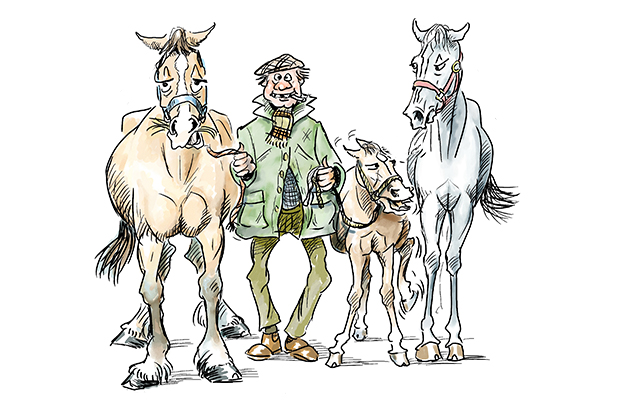
Credit: www.horseandhound.co.uk
Benefits Of Keeping One Horse
Owning one horse has clear advantages for many riders and caretakers. It makes daily routines easier and less time-consuming. Managing just one horse means fewer tasks and less stress. This helps you focus on your horse’s needs and well-being.
Having a single horse also allows you to build a strong connection. You can spend quality time training and bonding. This creates a trusting and loyal relationship.
Simplified Care And Management
One horse means fewer chores each day. Feeding, grooming, and cleaning are faster and simpler. You can easily track your horse’s health and behavior. This reduces the risk of missing signs of illness. Managing one horse fits well with busy schedules and limited space.
Cost Considerations
Caring for one horse lowers your expenses. You spend less on feed, bedding, and vet visits. Farrier costs are cut in half. Tack and equipment needs are also smaller. This can make horse ownership more affordable and less stressful.
Focused Training And Bonding
Training one horse lets you give full attention to its progress. You can tailor lessons to its strengths and needs. Bonding grows stronger with daily interaction. This leads to better communication and trust. A well-trained horse is safer and more enjoyable to ride.
Advantages Of Having Two Horses
Having two horses offers many benefits that one horse cannot provide. Horses are social animals and often thrive with a friend. Two horses together can improve each other’s lives in several ways. Below are some key advantages of having two horses.
Social Interaction And Companionship
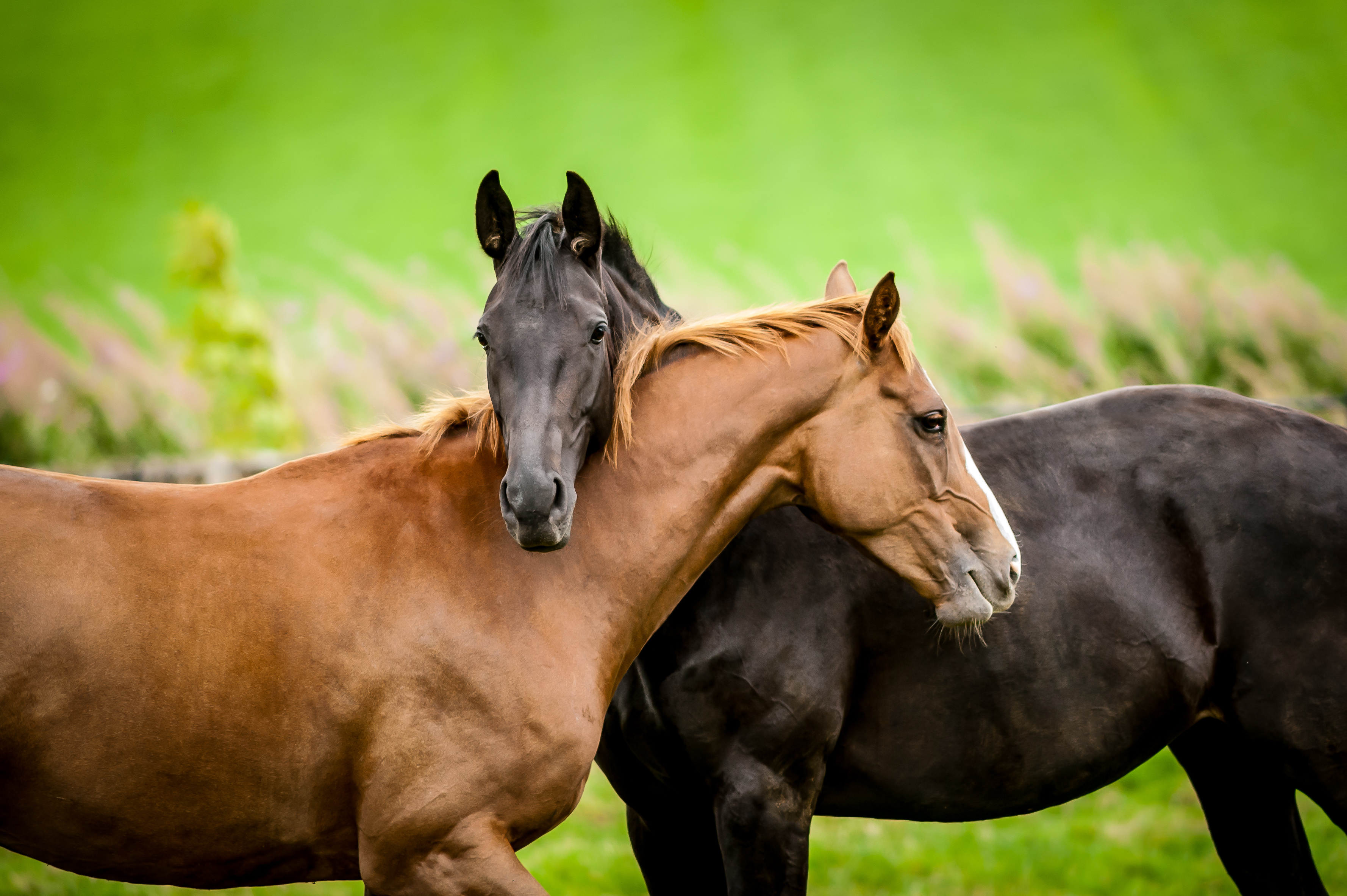
Horses enjoy company and feel safer with a buddy nearby. Having a companion reduces stress and loneliness. They groom each other and build strong bonds. This companionship helps horses stay calm and happy. Two horses can keep each other company during long hours in the pasture.
Enhanced Exercise Opportunities
Two horses can motivate each other to move more. They often play, chase, and run together. This natural exercise keeps them fit and healthy. Exercise is important to maintain muscle tone and joint health. Horses without a companion might stay still or become bored.
Behavioral Benefits
Horses learn from each other’s behavior. A calm horse can help a nervous one feel safe. They can teach good habits and reduce problem behaviors. Two horses can prevent boredom, which lowers chances of bad habits. Overall, having a friend improves mental well-being and behavior.
Challenges With One Horse
Caring for only one horse can bring unique challenges. Horses are social animals. They need interaction to stay happy and healthy. Keeping just one horse means you must watch for signs of loneliness and boredom. These feelings can affect their mood and health. It is important to understand the risks and how to manage them well.
Loneliness And Boredom Risks
Horses often feel lonely without a companion. They may stand alone for hours. This can lead to sadness and stress. Boredom happens when horses have little to do. They need activities and company to stay engaged. Without these, they might become restless or unhappy. Loneliness and boredom can cause serious health problems over time.
Potential Behavioral Issues
One horse alone might develop bad habits. They can become anxious or aggressive. Some horses chew wood or pace nervously. Others might refuse to eat or sleep well. These behaviors show they are unhappy. Without another horse to play or talk to, these problems can grow. Early attention can help prevent these issues from worsening.
Difficulties Of Managing Two Horses
Managing two horses can be rewarding but also challenging. It requires more time, effort, and planning than caring for one horse. Understanding the difficulties helps horse owners prepare better. Here are some common challenges that come with managing two horses.
Increased Expenses
Owning two horses means spending more money. Feed costs double, and so do veterinary bills. You need to buy more equipment, like saddles and brushes. Even routine care, like hoof trimming, costs more. Expenses add up quickly and require a bigger budget.
Space And Facility Requirements
Two horses need more space to live comfortably. You need bigger stalls or separate areas. Pasture size must be enough for both horses to graze. Fencing should be strong and safe to keep them secure. Facilities must meet their needs to avoid stress and injury.
Compatibility And Conflict
Horses are social but not always friendly. Two horses may not get along well. They can fight over food, space, or attention. Conflicts can cause injuries and stress. It is important to watch their behavior closely. Sometimes, separate housing is necessary to keep peace.
Expert Tips For Decision Making
Deciding whether to own one or two horses needs careful thought. Experts suggest focusing on key areas. These help you make the best choice for your situation and horses’ well-being.
Assessing Your Lifestyle And Resources
Think about your daily routine and free time. Horses need care every day, including feeding and exercise. More horses mean more time and money. Check your budget for food, vet care, and equipment. Space is important. Ensure your land or stable fits the number of horses you want.
Evaluating Horse Temperaments
Each horse has its own personality. Some prefer company, others like being alone. Horses can get lonely or stressed without friends. Two horses often keep each other calm. Watch how your current horse acts around others. Choose a second horse with a matching temperament. This helps avoid fights and stress.
Planning For Long-term Care
Horses live many years and need ongoing care. Plan for health checks, dental care, and farrier visits. More horses mean higher costs and more work. Think about emergencies or sudden illness. Two horses can share attention but also double the responsibility. Make sure you can handle this for years to come.
Credit: equusmagazine.com
Case Studies And Real-life Experiences
Real stories help us understand the pros and cons of having one or two horses. These case studies and experiences show what life is like for horse owners. They reveal daily joys and challenges. Insights come directly from those who care for horses every day.
Stories From Single Horse Owners
Many single horse owners share a strong bond with their horse. They often say having one horse allows focused care and attention. It is easier to manage the horse’s health and training. Some mention fewer expenses and simpler daily routines. A few owners feel lonely for their horse without a companion. But others enjoy the quiet, calm environment. The horse also gets all the owner’s love and time.
Insights From Multi-horse Caretakers
Owners with two or more horses talk about social benefits for the animals. Horses tend to feel safer and happier with a friend nearby. Caretakers note the need for more time and money. Feeding, grooming, and vet visits double or more. Group dynamics can bring challenges, like competition or injuries. Still, many enjoy watching horses interact. They believe the companionship improves the horses’ mental health. These owners often develop strong routines to handle extra work.

Credit: www.usef.org
Frequently Asked Questions
Is It Better To Own One Or Two Horses?
Owning one horse is easier and less costly. Two horses provide companionship and social benefits. The choice depends on budget, space, and your experience level.
How Much Does It Cost To Keep Two Horses?
Costs double for feed, vet care, and equipment. However, shared shelter and care can reduce some expenses. Budget carefully before deciding on two horses.
Do Two Horses Require More Space Than One?
Yes, two horses need more pasture and stall space. Adequate room prevents stress and injury. Plan your property size accordingly.
Can One Horse Be Lonely Without A Companion?
Horses are social animals and can become lonely alone. A companion horse improves mental health and reduces stress. Consider social needs when owning a single horse.
Conclusion
Choosing one or two horses depends on your time and budget. One horse needs less space and money but can feel lonely. Two horses need more care and cost more but offer company. Think about your experience and daily routine.
Both options bring joy and learning. Take your time to decide what fits best. Horses need love, care, and attention no matter the number. Your choice should keep both you and your horses happy.