
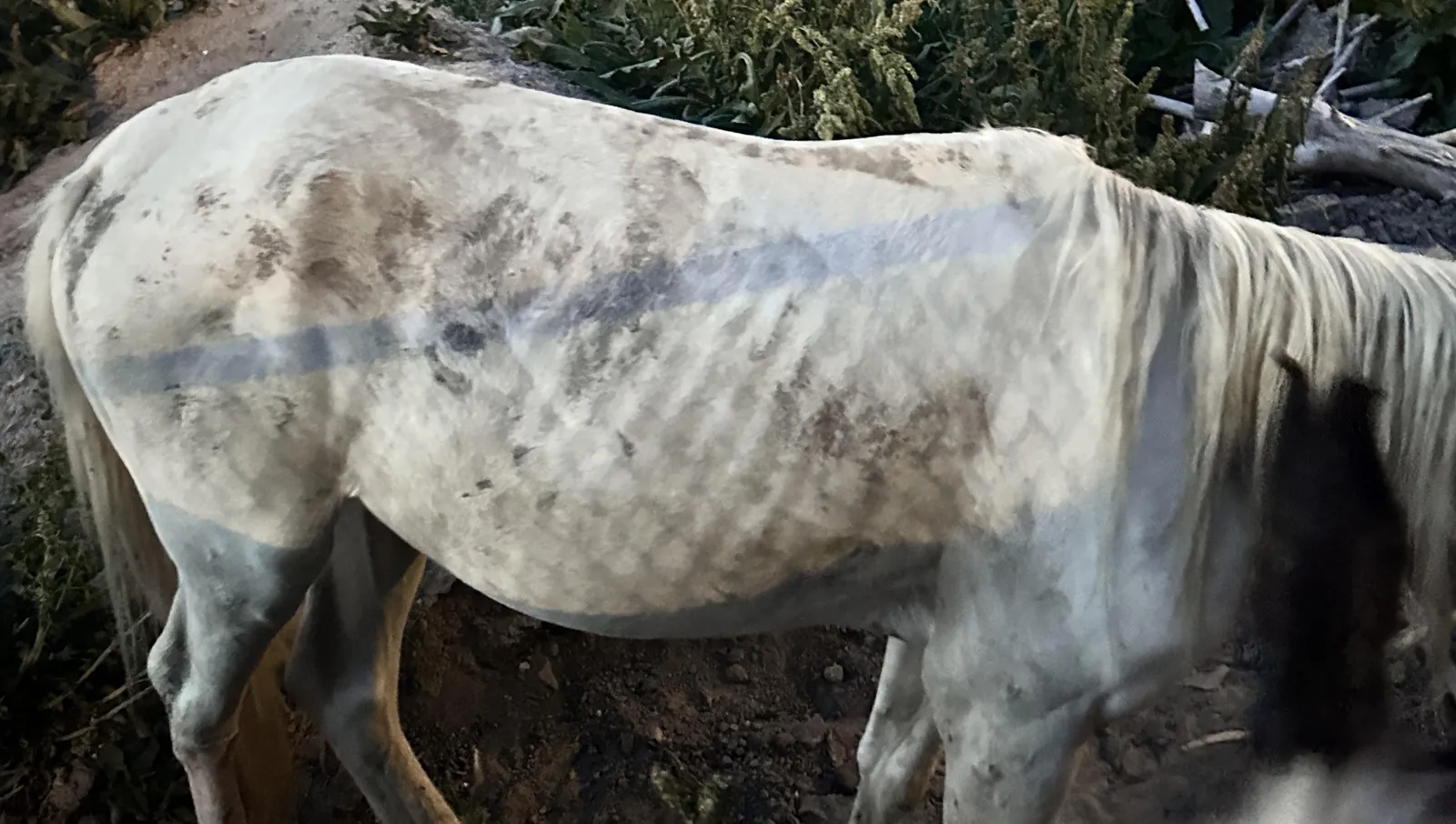
You generally shouldn’t see a horse’s ribs, as healthy adult horses usually carry enough body fat to cover them. While some light visibility of the last rib can be normal in very fit performance horses, you aren’t supposed to see horses ribs clearly or prominently under their skin. Consistent, sharp rib definition often indicates the animal is underweight and needs a nutritional adjustment.
Are you supposed to see your horse’s ribs
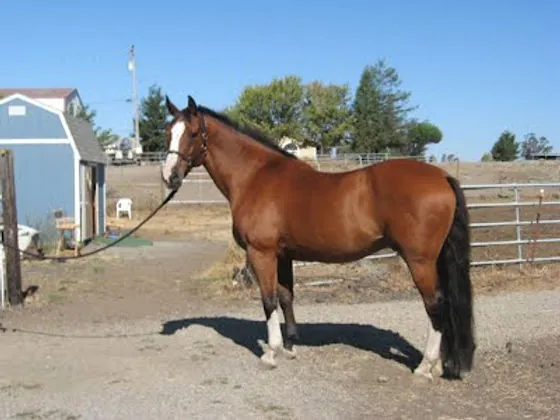
- Feel the ribs: You should feel them easily under a light layer of fat, but they shouldn’t be visible to the naked eye.
- Check the topline: The area along the spine should be well-muscled and round, not sunken or sharp to the touch.
- Examine the neck: A healthy horse has a smooth transition from the neck to the shoulder without a prominent crest or dip.
- Observe the tail head: You shouldn’t see protruding hip bones or a sharp tail head structure in an ideal weight horse.
- Monitor change: Use a weight tape or a body condition score chart weekly to track subtle shifts in your horse’s shape.
- Consult a vet: If you see ribs and the horse is eating well, ask a professional to check for parasites or dental issues.
Why Rib Visibility Matters for Health
The visibility of ribs serves as a primary visual indicator of a horse’s energy balance and overall metabolic health. When a horse lacks adequate caloric intake, the body mobilizes fat stores for energy, leading to a loss of the subcutaneous fat layer that normally cushions the rib cage. This process is a survival mechanism, but it leaves the animal vulnerable to cold stress and reduced immune function.
Excessive rib exposure isn’t merely a cosmetic concern; it often points toward underlying management gaps. For instance, horses struggling with dental pain may drop feed, or those with high parasite loads can’t absorb nutrients effectively despite having access to high-quality forage. According to the University of Minnesota Extension, using a standardized scoring system helps owners distinguish between an athletic, lean horse and one that’s genuinely malnourished.
If your horse is thin, the cause might be environmental or behavioral. Dominant horses in a herd sometimes prevent others from accessing the best grazing or hay, leaving the lower-ranking horse with insufficient calories. Always observe your horse during feeding time to ensure they’re actually consuming their full ration without interference.
If the horse is thin but has a shiny coat and high energy, the issue might be a simple need for more calories; if the horse is dull and lethargic, it requires immediate veterinary assessment.
Exceptions to the Rib Rule
| Situation | What changes | What to do instead |
|---|---|---|
| High-level racing | Extreme muscle mass | Monitor weight, not just ribs |
| Senior horses | Muscle wastage | Consult vet for senior feed |
| Heavy winter coat | Hides thinness | Use hands to feel ribs |
| Nursing mares | High energy demand | Increase caloric intake daily |
| Young, growing horses | Rapid growth spurts | Provide high-quality growth feed |
In high-level racing, a horse may appear lean because their muscle density is exceptionally high. Their ribs might show, yet the horse remains at a peak athletic weight. Focus on their stamina and recovery times rather than visual cues alone.
For senior horses, the loss of topline muscle often makes the rib cage appear more prominent even when their fat cover is adequate. Watch for a hollow appearance behind the shoulder.
Nursing mares require massive caloric support. If their ribs become visible, it suggests their metabolic output is currently outpacing their intake. You must adjust their ration immediately to prevent long-term depletion.
With young, growing horses, ribs are often visible during sudden growth spurts because the animal is stretching upward faster than they can pack on weight. Ensure they have constant access to forage to support this rapid skeletal development.
How to Maintain a Healthy Weight
- Assess the current score: Use the Henneke Body Condition Score system to assign a number from 1 to 9. A score of 5 is generally considered the ideal, healthy balance for most breeds.
- Calculate forage intake: Ensure the horse consumes 1.5% to 2% of their body weight in forage daily. This provides the fiber needed for consistent gut health and internal warmth.
- Adjust concentrate feed: If the horse remains thin on good forage, add a high-quality concentrate or fat supplement. Start with 0.5 pounds per feeding and increase slowly over two weeks.
- Schedule dental exams: Have a veterinarian check the horse’s teeth at least once a year. Sharp points or hooks prevent proper chewing and cause the horse to drop food.
- Control internal parasites: Follow a deworming schedule based on fecal egg counts provided by your veterinarian. This prevents parasite loads from stealing nutrients intended for the horse.
- Provide consistent water: Ensure the horse has access to clean water at all times. Dehydration slows metabolism and causes horses to eat less, leading to rapid weight loss.
Common Mistakes That Cause Weight Loss
Feeding by volume instead of weight is a frequent error. Measuring feed in scoops rather than pounds leads to inconsistent caloric intake, causing weight to fluctuate. Always use a scale to ensure your horse receives the exact density of nutrients required.
Ignoring herd hierarchy is equally detrimental. Putting a timid horse in a group where they’re bullied prevents them from eating their full share of the daily ration. Observe your horses during feeding time to ensure the lower-ranking members aren’t being pushed away from their troughs.
Skipping dental care means the horse can’t grind grain effectively. They pass nutrients without absorbing them, leading to weight loss despite a full diet.
Changing feed too quickly causes digestive upset. Abruptly switching brands often results in the horse refusing to eat for several days. Transition your horse to new forage or grain over a period of at least ten days to maintain gut stability.
Frequently asked questions
Can a horse be healthy if you can see their ribs?
A horse can be healthy if you see only the very last rib while they’re moving, provided they have good muscle tone elsewhere. If you can see the entire rib cage while the horse is standing still, they’re likely underweight. Always check the topline and hips; if those are also bony, the horse needs more calories.
How do I know if my horse is too thin?
You know your horse is too thin if you can easily see the ribs, spine, and hip bones without touching them. The Henneke scale is the standard tool for this; a score of 1 to 3 indicates a horse is underweight. If you feel sharp edges along the back and ribs, you should consult your veterinarian for a diet plan.
Does a winter coat hide a thin horse?
A thick winter coat hides rib visibility, which is why you must use your hands to feel the horse’s body regularly. Run your hands along the rib cage and the spine every week during the winter months. If you feel bone rather than a soft, springy layer of muscle and fat, your horse needs more feed immediately.
How long does it take for a horse to gain weight?
It takes four to eight weeks to see significant weight gain in a horse, depending on their starting body condition and the quality of their diet. Rapid weight gain is dangerous and can lead to metabolic issues. Aim for a slow, steady increase by adjusting their forage and concentrate intake with guidance from a nutritionist or veterinarian.
What happens if I feed my horse too much?
Feeding a horse too much leads to obesity, which increases the risk of laminitis and joint strain. If you notice a cresty neck or fat deposits near the tail head, you’re feeding more than the horse needs. Reduce the concentrate portion while maintaining high-quality forage to help the horse lose weight safely over time.
Does breed matter for rib visibility?
Breed matters because some horses are naturally leaner, such as Thoroughbreds, while others like Draft breeds or Quarter Horses are prone to carrying more weight. Even in lean breeds, the ribs shouldn’t be clearly visible when the horse is standing still. Compare your horse to the breed standard for body condition to determine what is normal for their type.
Conclusion
If you’re concerned about your horse’s weight, it’s best to consult your veterinarian or an equine nutritionist. They’ll help you create a balanced feeding plan that’s tailored to your animal’s specific needs. You’ll feel much better once you’ve got a clear, professional strategy to keep your companion healthy and happy.